Explore our flagship heavy-duty weatherproof structures, engineered zip screens, and high-performance insulated solutions designed for structural integrity and energy efficiency.
An authoritative breakdown of light control engineering, thermal barrier optimization, and automated fabric science for commercial, industrial, and high-end residential applications.
The architecture and design industry is undergoing a structural transition toward climate-resilient buildings. Environmental control is no longer localized to internal heating, ventilation, and air conditioning (HVAC) systems. Instead, modern building outer envelopes rely on passive external shading technologies to mitigate extreme temperature variations. Heavy-duty blackout blinds, outdoor zip screens, and wind-resistant solar barriers have become structural requirements.
Historically, interior solar shading was viewed as an aesthetic finishing detail. Today, as energy grids experience strain and global temperature variances hit record heights, heavy-duty blackout shading is recognized as a fundamental element in building physics. In North America, the Middle East, and Europe, building codes are mandating stringent solar heat gain coefficients (SHGC). Developers are incorporating external motorized zip screens and commercial blackout blinds to reflect solar radiation before it penetrates the glazing layer. This reduces building cooling loads by up to 35%, aligning projects with green building initiatives like LEED and BREEAM.
Heavy-duty blackout systems are defined by their structural limits. Standard residential blinds fail when exposed to commercial wind loads, prolonged UV exposure, and continuous automation cycles. Heavy-duty structures utilize composite fibers consisting of fiberglass or high-tenacity polyester coated with layers of polyvinyl chloride (PVC) or polyurethane.
These composite fabrics must undergo treatment to ensure 100% light block (zero light transmittance) and to withstand tear forces under high tension. By utilizing a continuous weave lock-stitch pattern, the fabrics maintain dimensional stability and prevent fraying or sagging over large spans. The primary technical metrics to evaluate are summarized in the industrial engineering index below:
| Performance Indicator | Standard Residential Blinds | Heavy-Duty Industrial Blinds (Our Factory Specs) | Testing Standard |
|---|---|---|---|
| Visible Light Transmittance (Tv) | 2% - 15% | 0.00% (Complete Obstruction) | EN 14501 Classification |
| UV Rejection Rate | 80% - 92% | 99.9% - 100% | AATCC 183 / ASTM G154 |
| Wind Load Resistance | Up to Class 1 (approx. 20 km/h) | Class 5 - Class 6 (Up to 120 km/h) | EN 13561 (Zip-Channel Retention) |
| Flame Retardancy | Treatments vary, prone to degradation | Permanent Flame Retardancy (B1 / NFPA 701) | DIN 4102-1 / NFPA 701 |
| Acoustic Damping Coefficient | Minimal (NRC 0.10) | High Damping (NRC 0.35 - 0.50) | ISO 354 Sound Absorption |
For industrial and commercial facilities, soundproofing and thermal insulation are just as critical as visual light obstruction. By coupling structural heavy-duty blackout fabrics with side channel zip systems, the perimeter gaps are completely eliminated. This seals the window opening, trapping a pocket of insulating air that drastically reduces thermal transmission (U-Value optimization) and helps deaden external municipal noises.
Information Gain Insight: The integration of side-channel zip retention technology represents a paradigm shift. By securing the fabric edges inside a heavy-duty extruded aluminum guide rail using a welded zipper track, the system acts as a structural wind barrier. This design transforms the blind from a simple hanging cover into a tensioned windbreak screen capable of resisting up to force 10 Beaufort scale winds.
Sourcing heavy-duty architectural components requires confidence in manufacturing consistency. Our production facility leverages automated CNC milling, advanced fabric laser cutting, and robotic ultrasonic welding to ensure that every single unit complies with strict project tolerances.
Traditional mechanical blade cutting can result in micro-frays on heavy glass-fiber core blackout fabrics. Our computer-guided CNC laser tables seal the edges of the technical textile as they cut. This prevents unraveling over years of repeated operation cycles.
To integrate zip tracks along fabric edges, we employ advanced high-frequency welding machines. This bonds the zipper track to the fabric at a molecular level, preventing physical separation under high-wind conditions.
Our quality assurance labs conduct cyclic tests on motor assemblies and fabric structures. The systems must survive 10,000 continuous operation cycles and pass vertical tensile load examinations prior to batch packaging.
Beyond production lines, our factory design values supply chain resilience. By housing aluminum extrusion lines, electrostatic powder-coating ovens, fabric processing centers, and electronic motor integration facilities in a centralized campus, we drastically minimize logistics delay. For global buyers, this translates to stable pricing matrices, predictable lead times (typically 20–30 days), and customizable product capabilities.
Heavy-duty blackout solutions serve diverse functional environments. Understanding the localized application ensures proper motor selection, structural fasteners, and fabric density values.
In modern corporate environments dominated by structural glass facades, glare is a major issue. Standard interior shades fail to resolve this because of light bleed along the perimeter. Our heavy-duty blackout zip screens ensure complete darkness, which is essential for video conferences and laser projection systems. The integration of high-performance motors allows for simple automated control via regional building management systems (BMS).
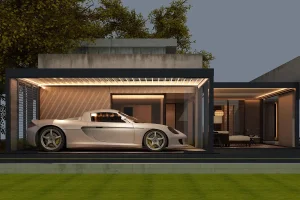
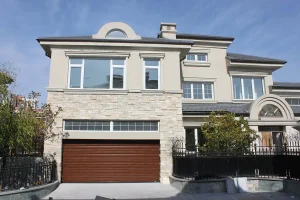
Manufacturing facilities, pharmaceutical labs, and cold storage units require precise micro-climate management. Sunlight exposure can alter chemical balances or increase energy expenditures for cold storage. By utilizing heavy-duty thermal insulated garage doors (such as the GRF77 and GRF38 systems) in combination with industrial-strength blackout barriers, facilities can isolate storage zones from external heat spikes and secure high-value inventories.
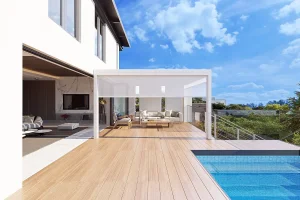
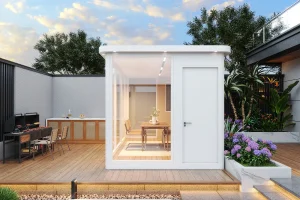
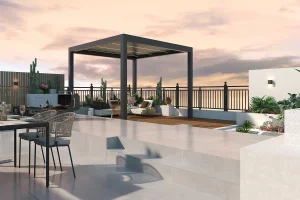
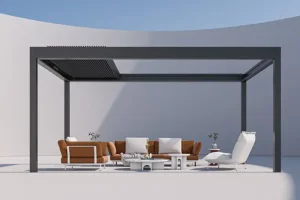
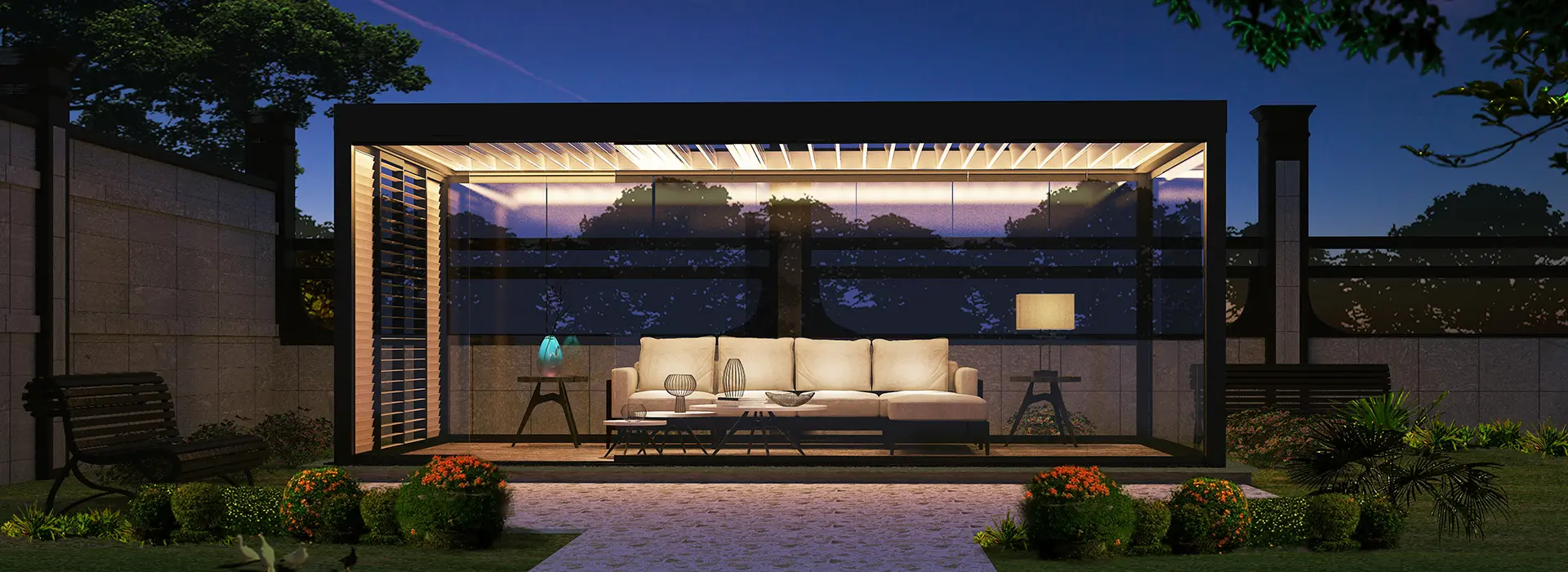
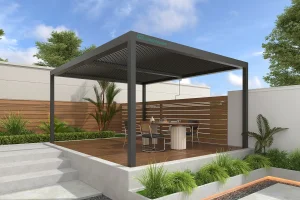
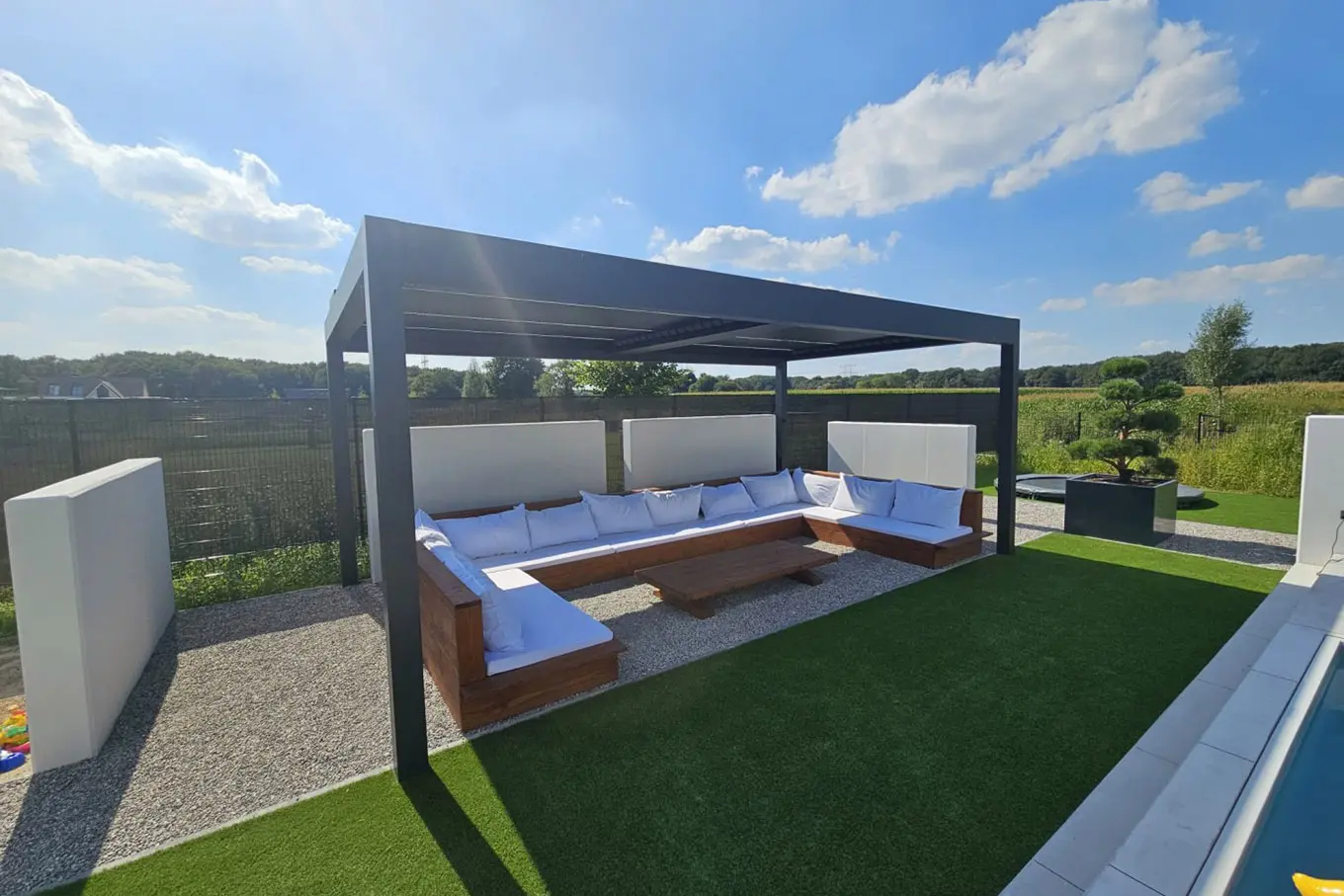
Home automation systems have shifted residential consumer expectations toward luxury motorized shading. Installing custom weatherproof freestanding pergolas (such as our 9.8x13.1ft or 3x3m variants) alongside automated zip screens allows homeowners to control wind, shade, and light levels via voice command or mobile applications.

Our infrastructure supports builders, distributors, and agents worldwide, guaranteeing that structural products comply with standard testing protocols.
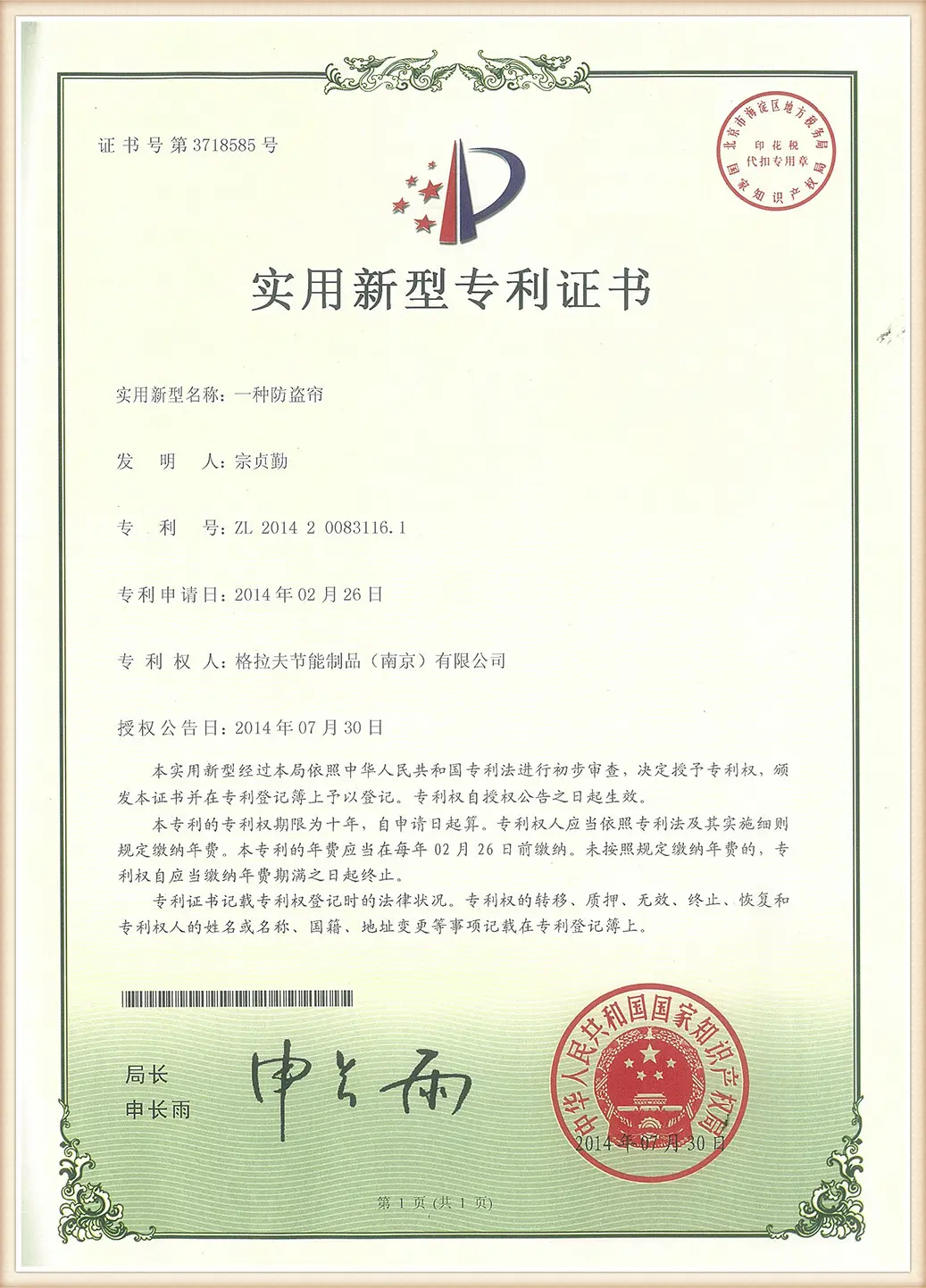
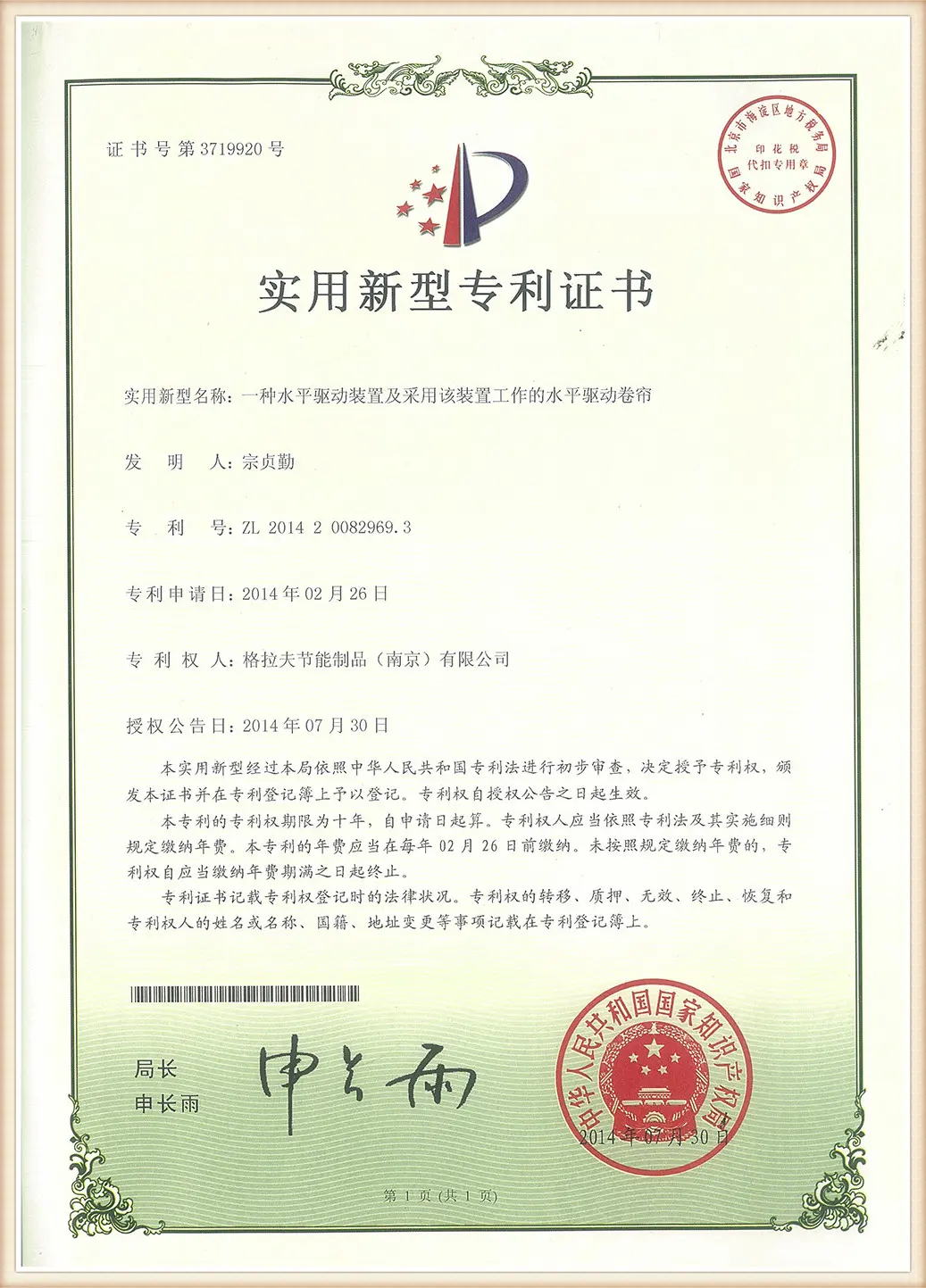
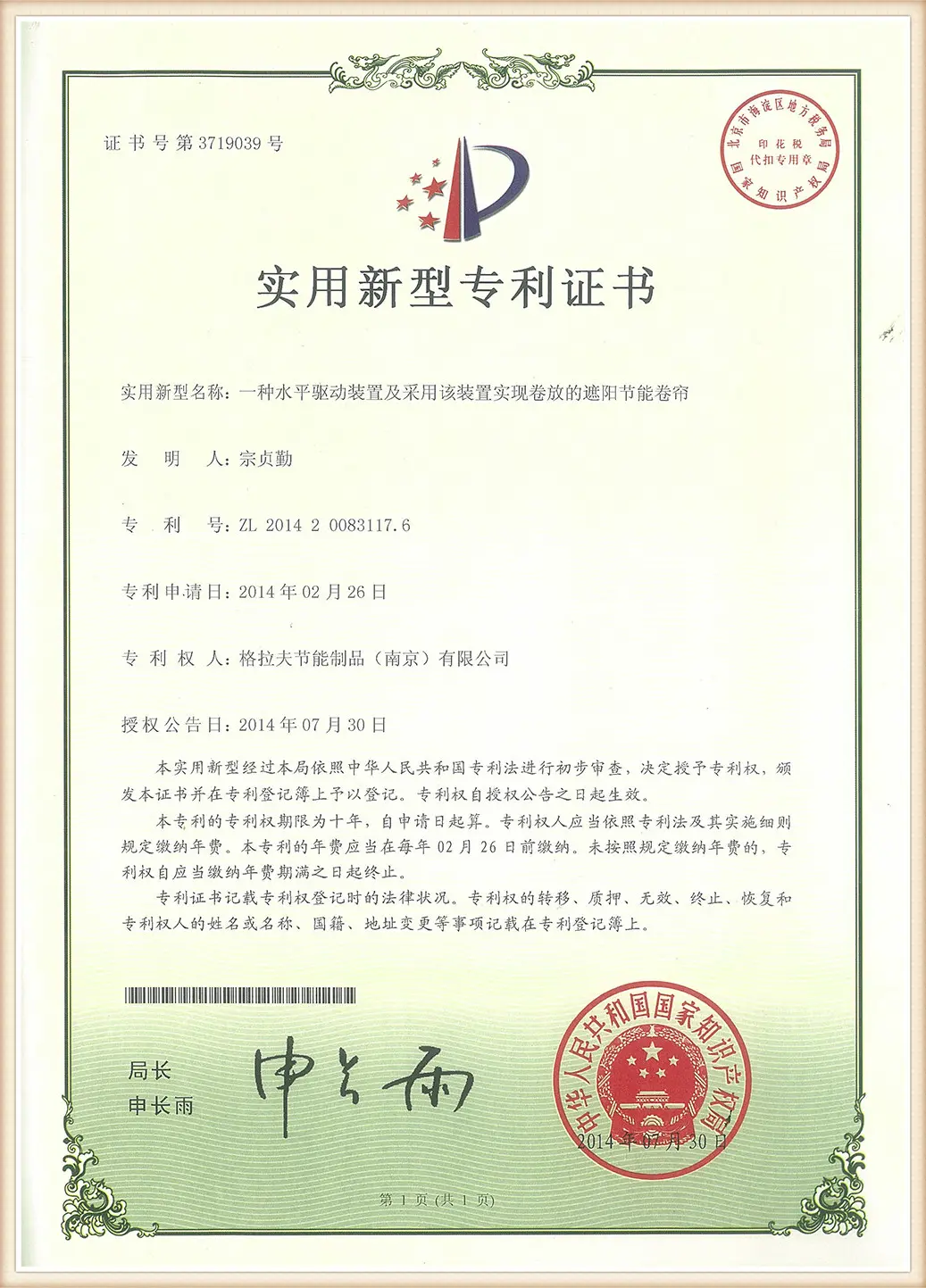
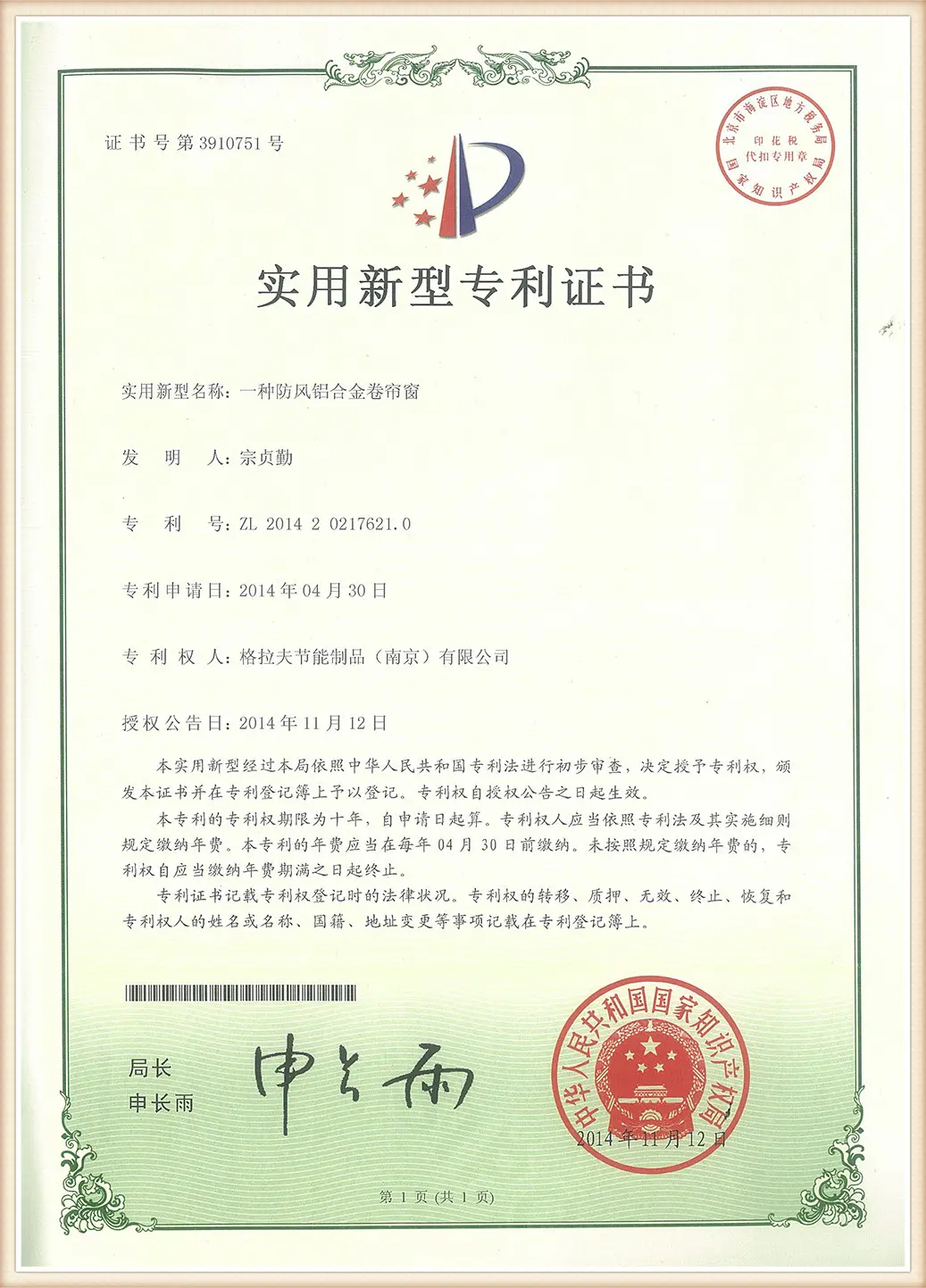
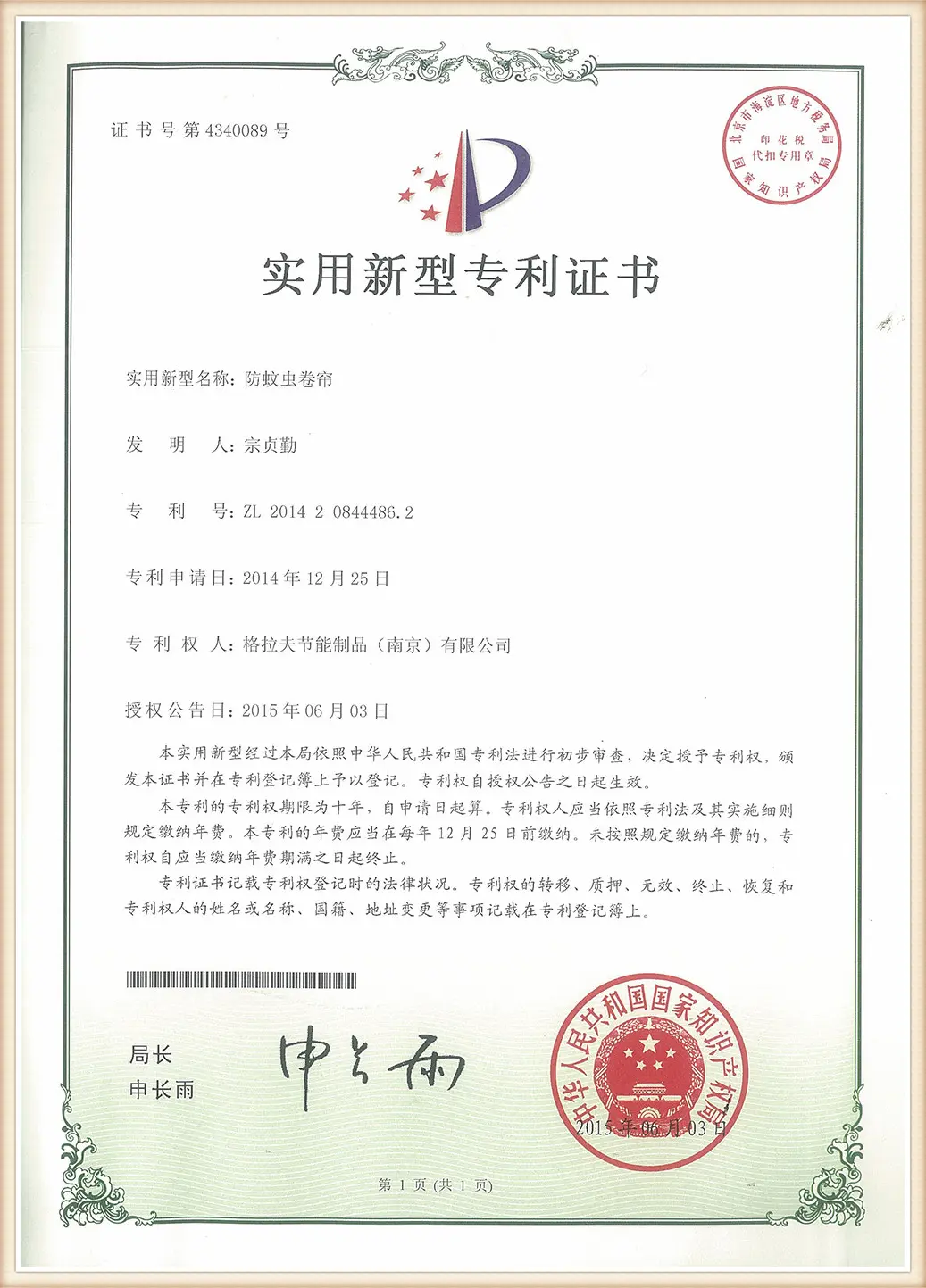
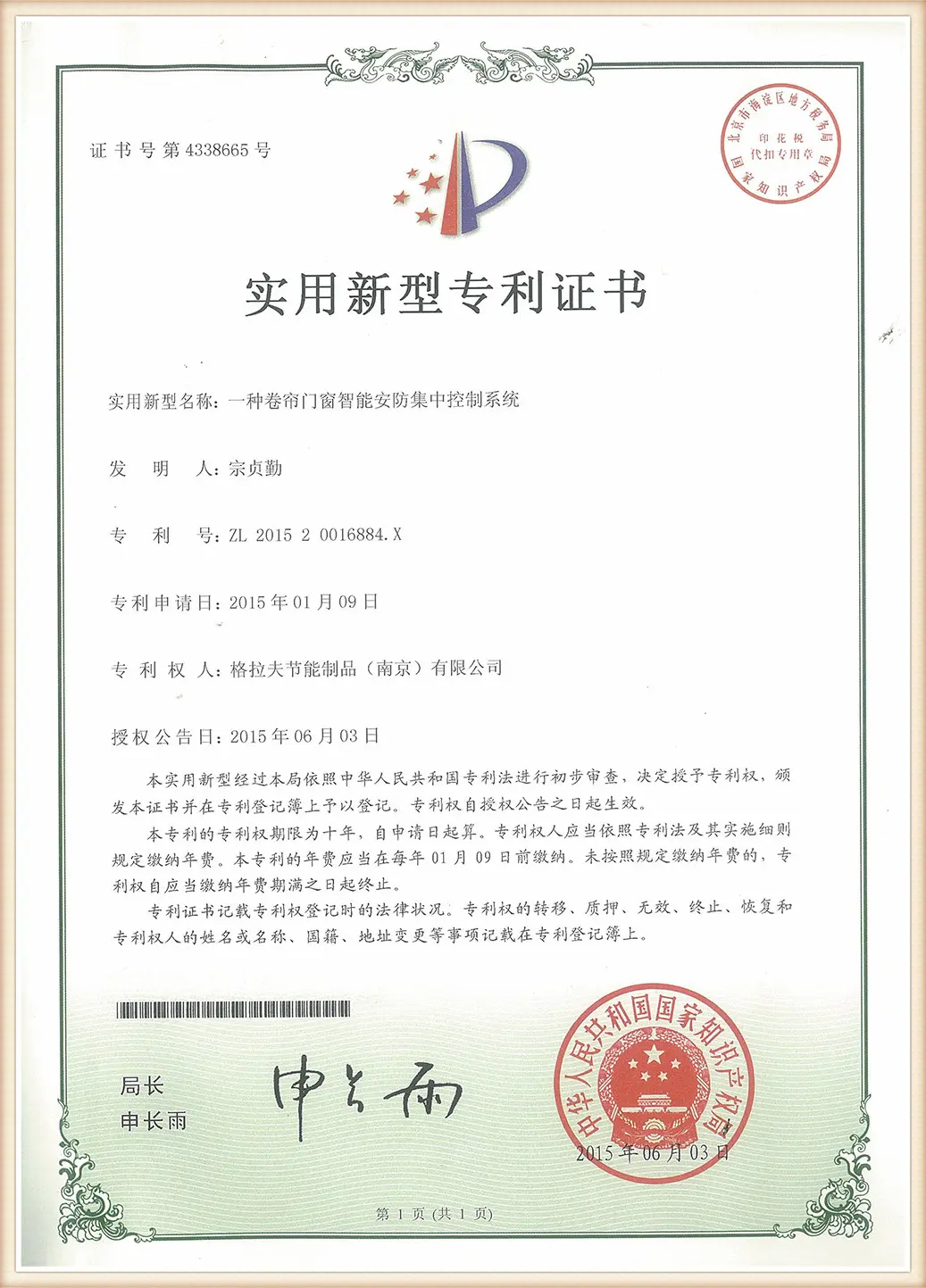
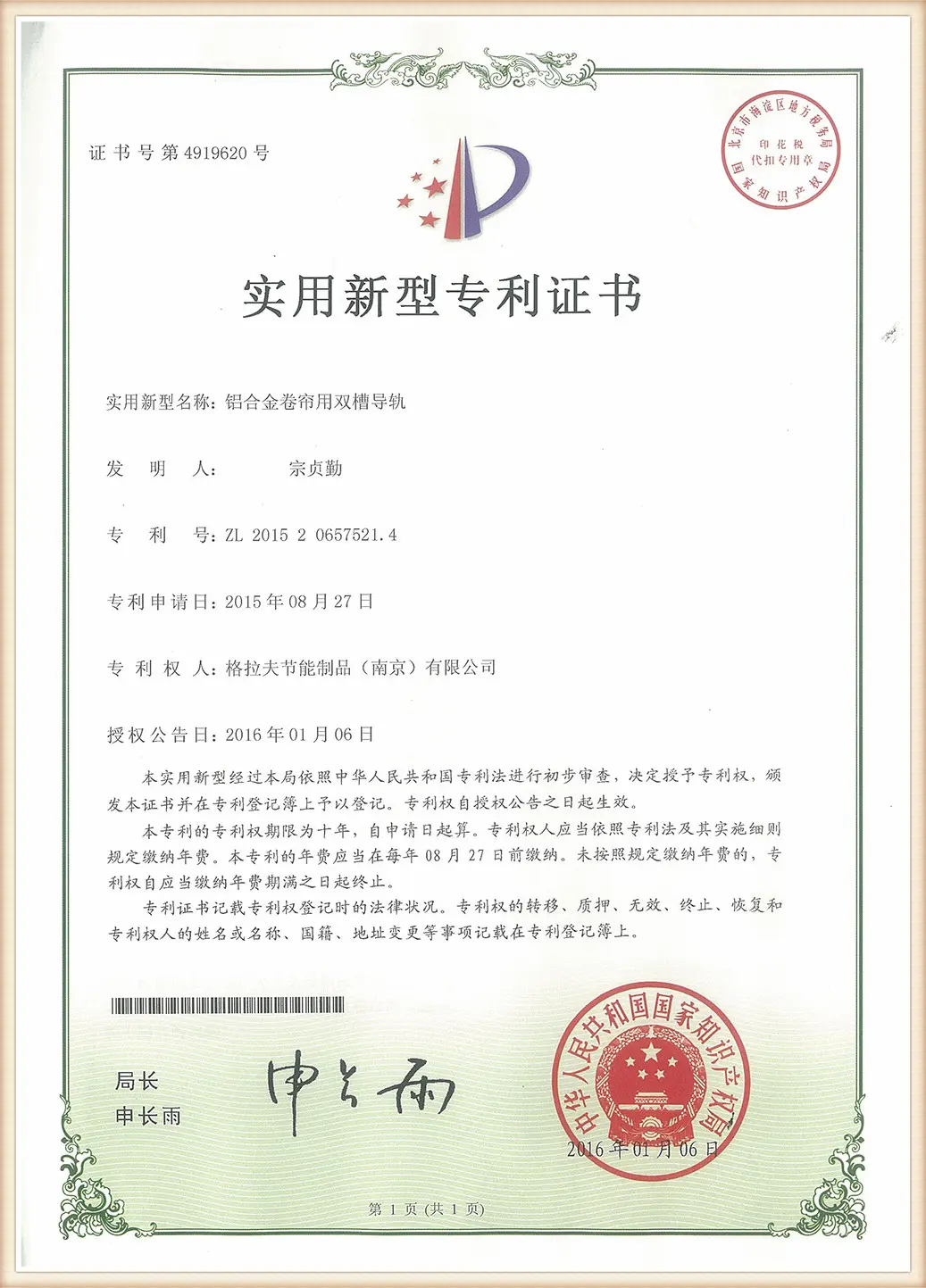
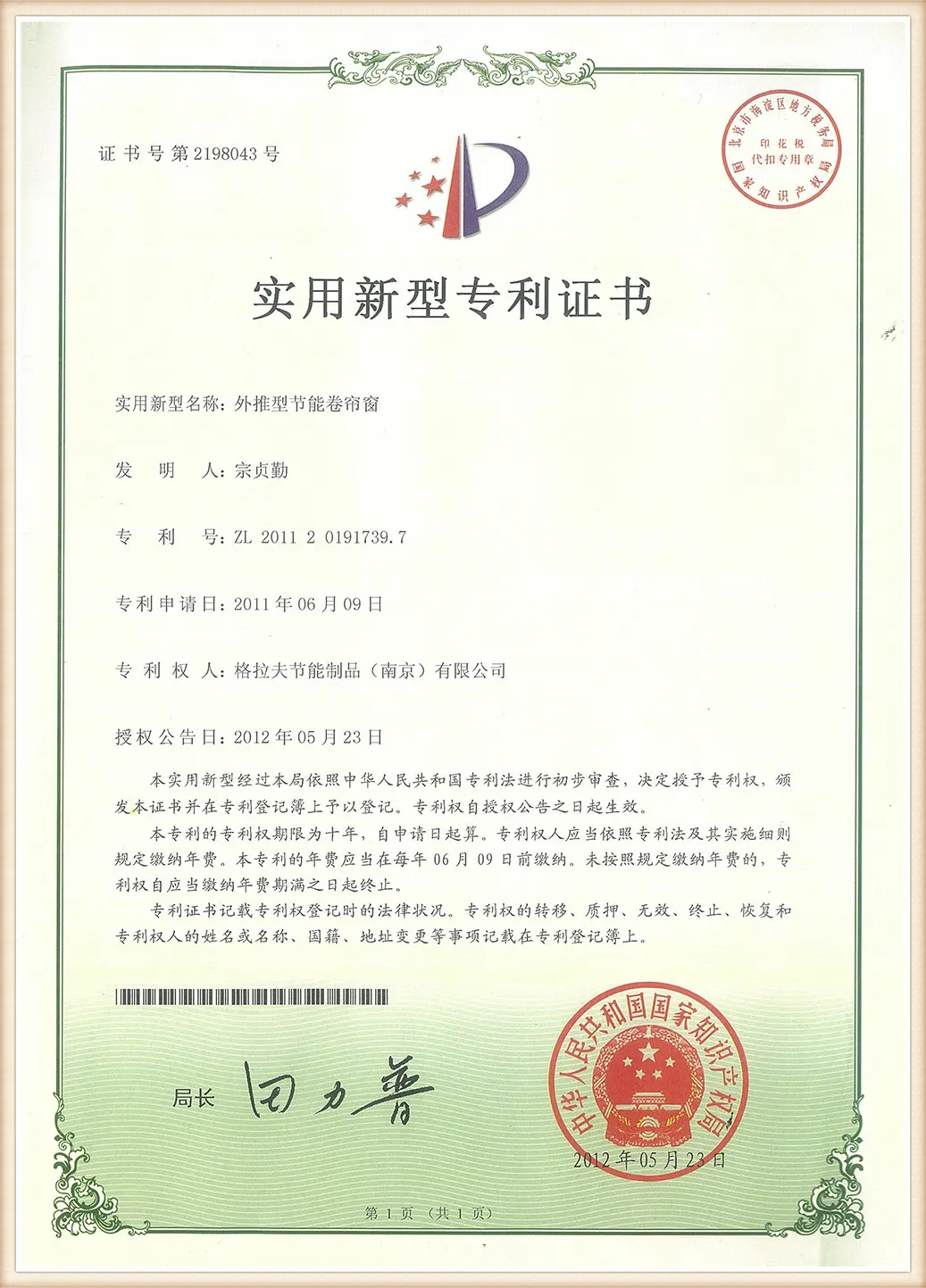
Our facility and products are fully certified by international safety, quality, and environmental bodies.
Expert answers addressing the engineering, installation, and procurement questions raised by global engineering teams, architects, and purchasing agents.
We work closely with global design agencies, engineering consultants, and commercial installers to deliver turnkey shading systems.

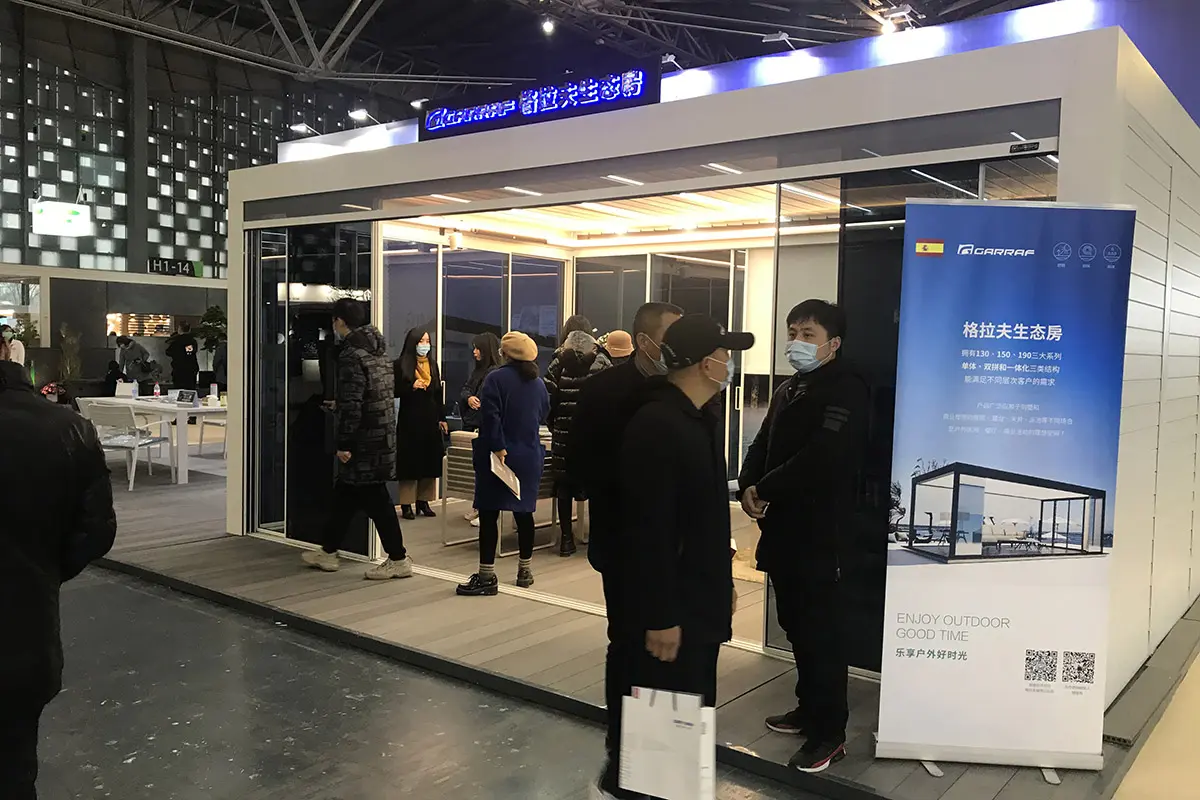
Our global clients regularly inspect our automated facilities, powder coating lines, and quality verification processes.
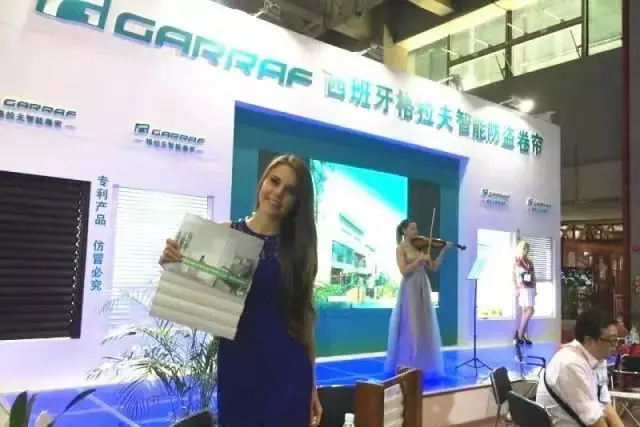
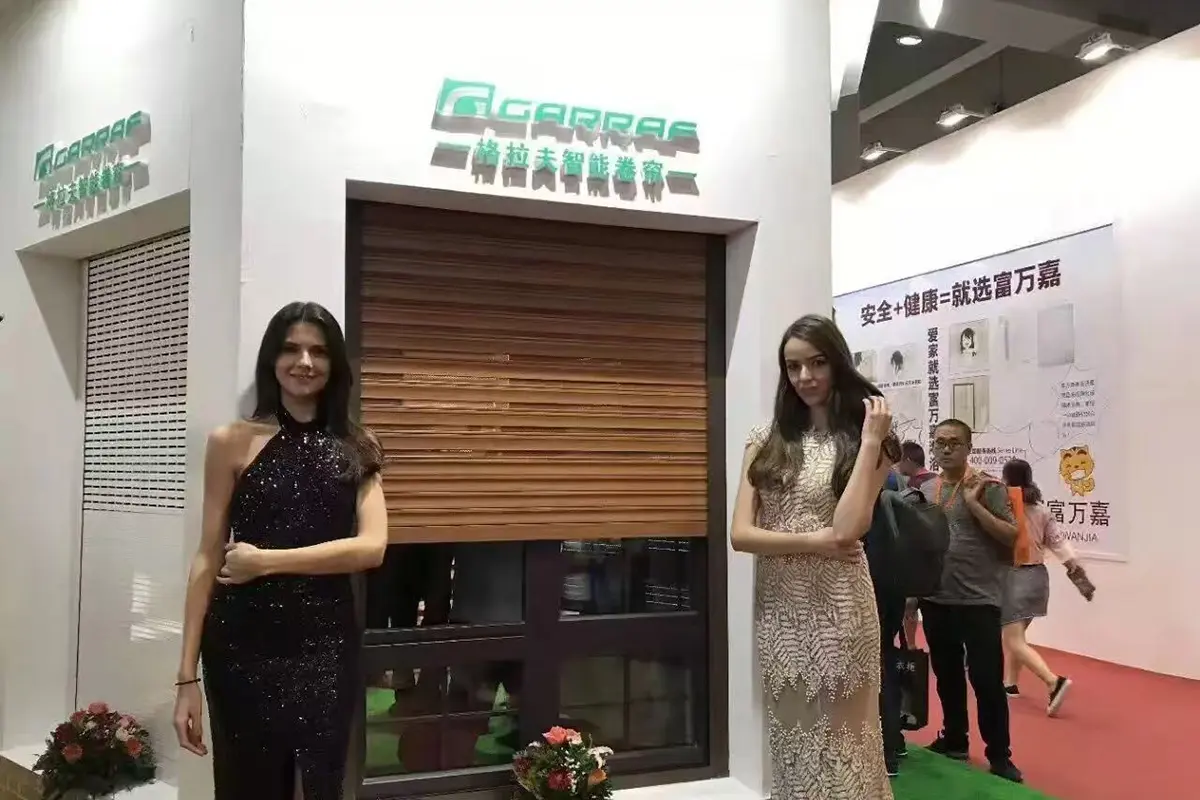
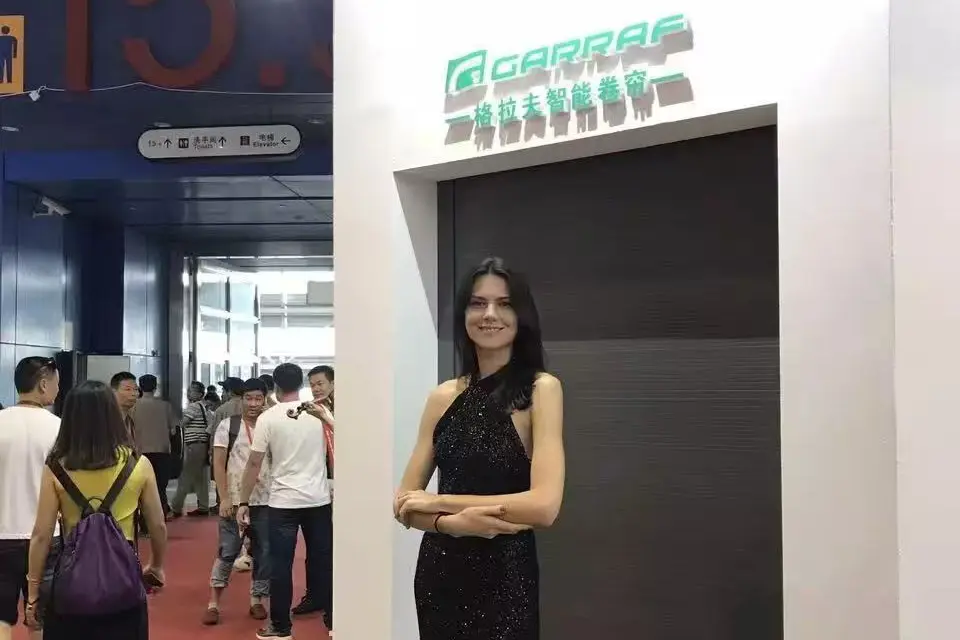

Request customized technical drawings, bulk pricing lists, or schedule a virtual factory tour. Our technical sales team responds within 24 hours.
Request Commercial QuoteBrowse our selection of durable structures, retractable roofs, and insulated security products designed for commercial projects.
Keep up to date with the latest technical updates, global building standard updates, and manufacturing innovations.
November 28, 2025
November 20, 2025
November 12, 2025
 GARRAF