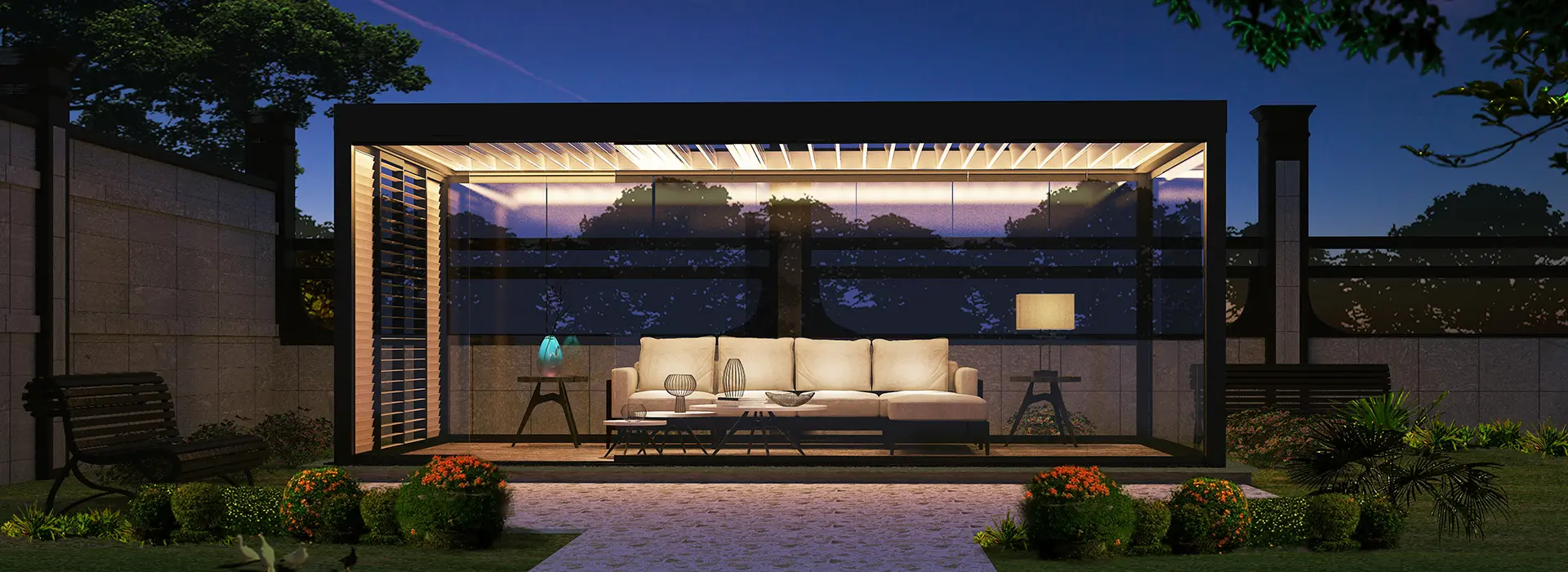
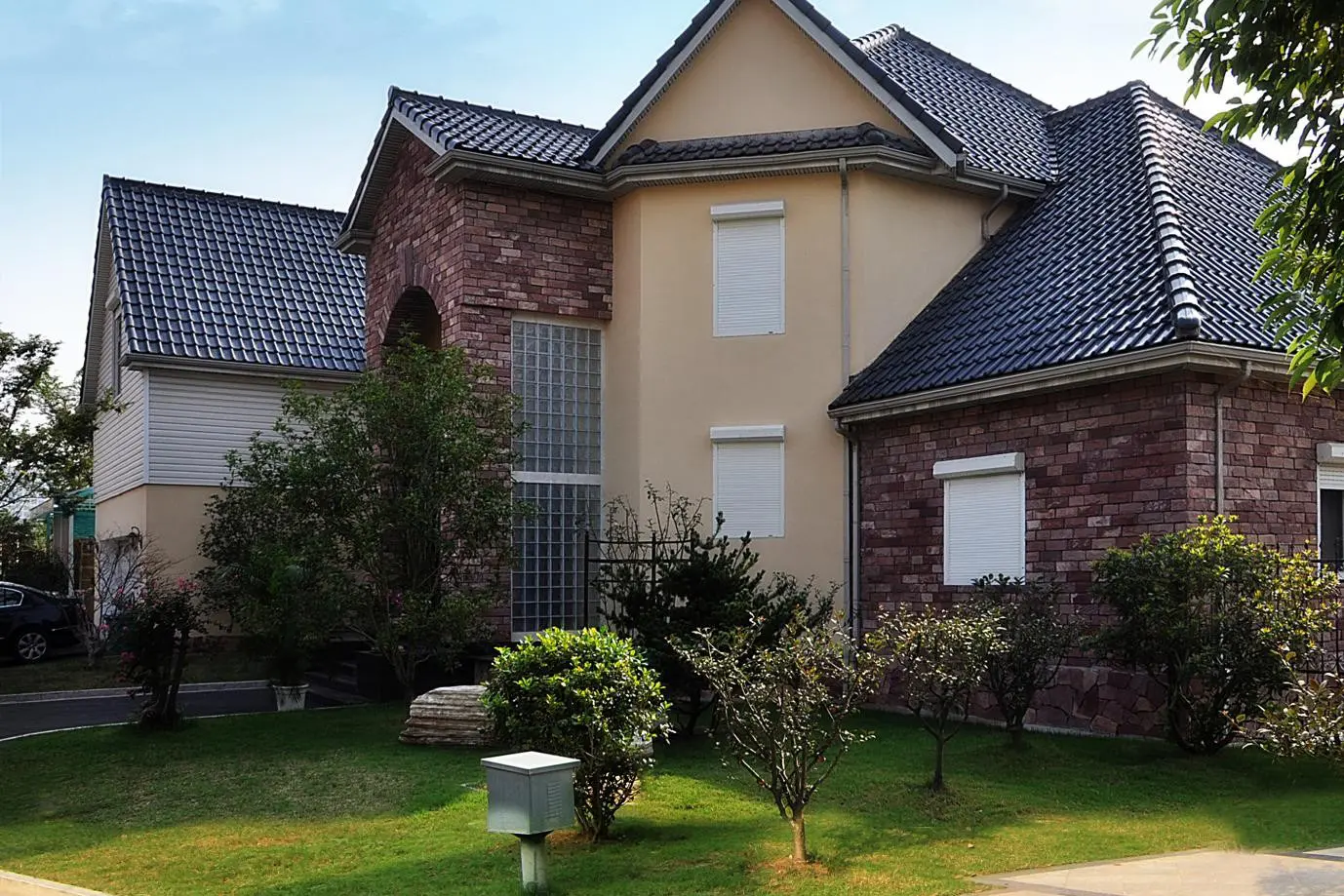
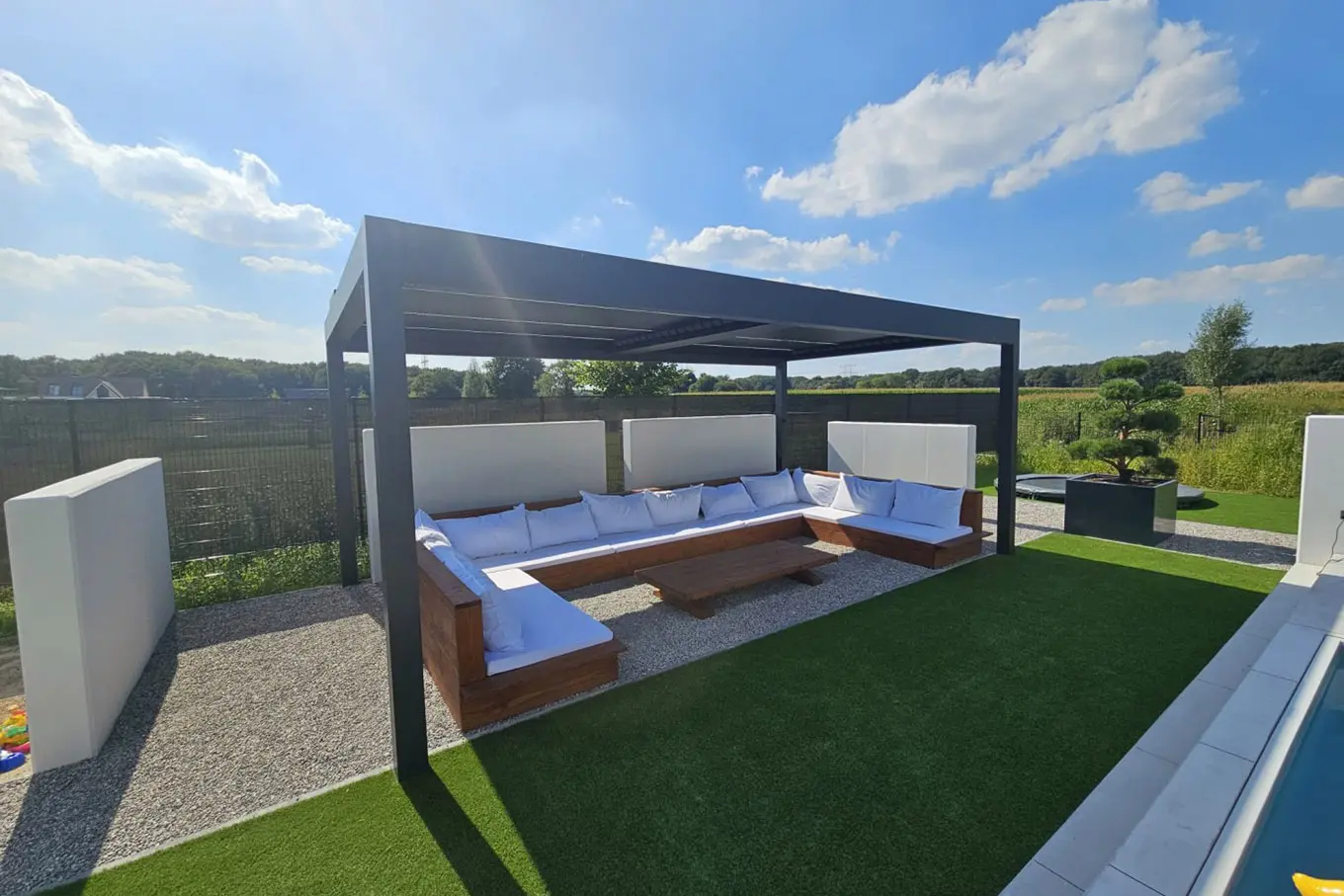
Engineered to integrate seamlessly with intelligent architectural concepts, our initial series offers superior heat insulation, weatherproofing, and smart control systems.
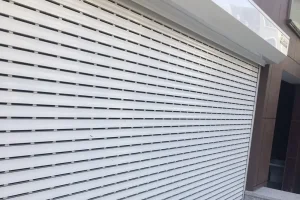
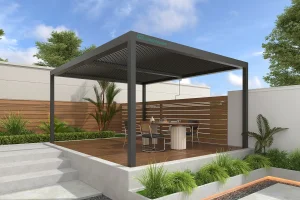
In modern architectural design, the window and door envelopes represent up to 40% of a building’s total thermal losses. High-quality insulated aluminum roller shutters act as dynamic external insulation layers that critically reduce convective, conductive, and radiative heat transfer. Sourced directly from leading Chinese factories, these shutter systems feature double-skinned roll-formed or extruded aluminum profiles injected with high-density polyurethane (PU) foam, offering an exceptional thermal break.
The core mechanism behind this energy containment relies on the static air gap created between the outer roller shutter curtain and the glazing unit. When deployed, the shutter creates a pocket of dead air that reduces the overall heat transfer coefficient (U-value) of the window assembly by up to 35%. This prevents heat leakage during sub-zero winters while offering a robust solar block in peak summers, effectively reducing air conditioning power consumption.
Our manufacturing plants produce an array of profile sizes configured to match diverse structural spans, wind pressures, and architectural constraints.
| Slat Profile Model | Nominal Thickness | Foam Density Core | Max Width Span | Wind Load Class (EN 13659) | Primary Industrial Use |
|---|---|---|---|---|---|
| GRF37 Profile | 8.5 mm (0.8mm wall) | 45 kg/m³ standard PU | 2.5 Meters | Class 4 | Residential smart windows, high thermal efficiency |
| GRF42 Profile | 9.0 mm (0.9mm wall) | 50 kg/m³ dense PU | 3.0 Meters | Class 4 | Modern home storefronts, acoustic separation panels |
| GRF55 Profile | 12.5 mm (1.0mm wall) | 65 kg/m³ high-density PU | 4.5 Meters | Class 5 | Medium commercial bays, security-focused garages |
| GRF77 Profile | 18.5 mm (1.2mm wall) | 75 kg/m³ fire-rated PU | 6.0 Meters | Class 6 (Storm Grade) | Heavy-duty industrial warehouses, logistics bays |
*Note: Custom core compositions such as Polyisocyanurate (PIR) are available upon request for high thermal-rated architectural specifications.
In China's high-tech manufacturing corridors, our partner factories operate under comprehensive Industry 4.0 guidelines. Precision engineering begins with the continuous automated roll-forming lines, which roll out uniform aluminum slats from raw coils. These lines feature automated liquid injection systems that dispense precise volumes of CFC-free polyurethane directly into the moving cavity. This ensures there are no inner air pockets or foam structural voids, which could compromise the insulation or mechanical integrity of the shutter profile.
Following the foaming phase, the profiles undergo automated powder-coating processes in line with the stringent Qualicoat Class 2 standards. Multilayered electrostatic coatings offer resistance to UV radiation, coastal humidity, and mechanical abrasion. Furthermore, automated robotic cutting heads adjust slat lengths based on real-time order configurations, and automated tension testers analyze slat joints to verify compliance with EN 13659 standards before packaging.
High-precision 6063-T5 aluminum alloy extrusion lines ensure consistent wall thickness and zero material warping across large spans.
Integrated foam-filling chambers maintain exact pressure levels for dense, void-free insulation and enhanced structural rigidity.
Multi-stage chemical pre-treatments and electrostatic powder coatings ensure color durability and resistance to harsh weather conditions.
Laser calibration systems inspect cut profiles to a tolerance of +/- 0.5mm, ensuring smooth installation inside guide rails.
Our factories operate under absolute transparency, inviting global clients to inspect our state-of-the-art production floors, test laboratories, and logistics hubs.
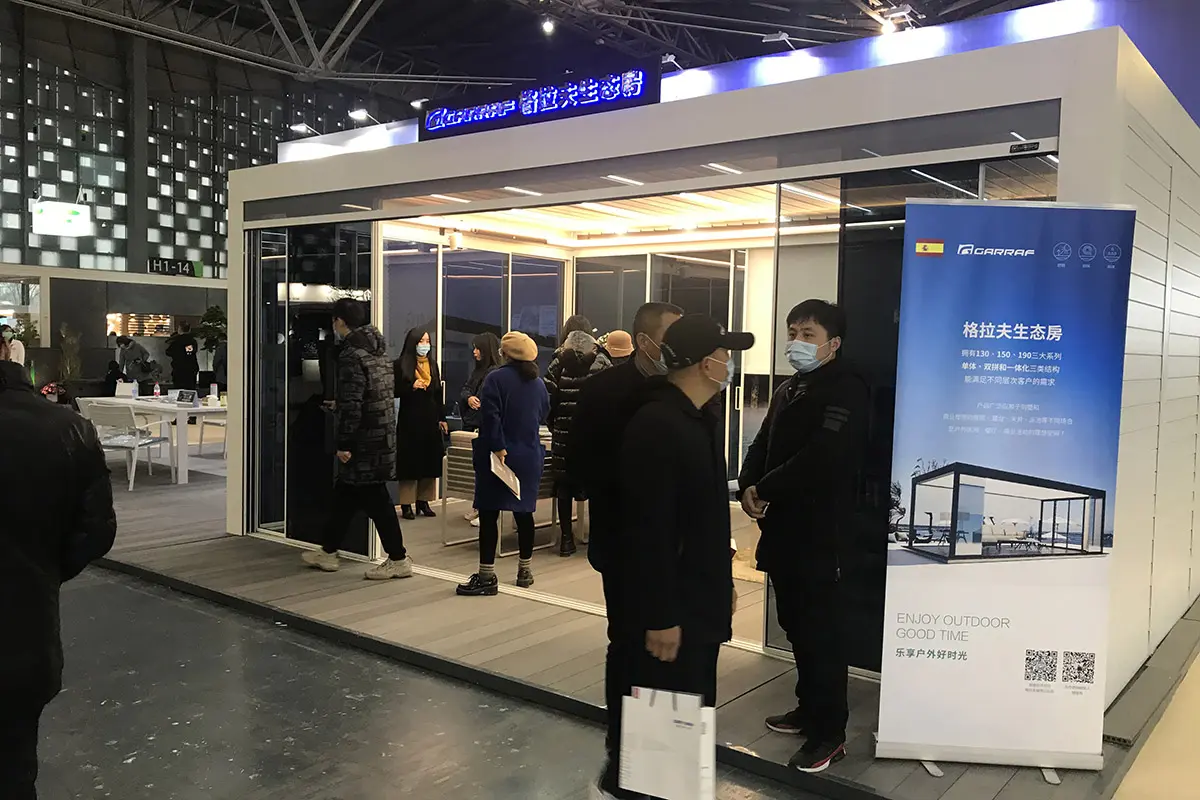

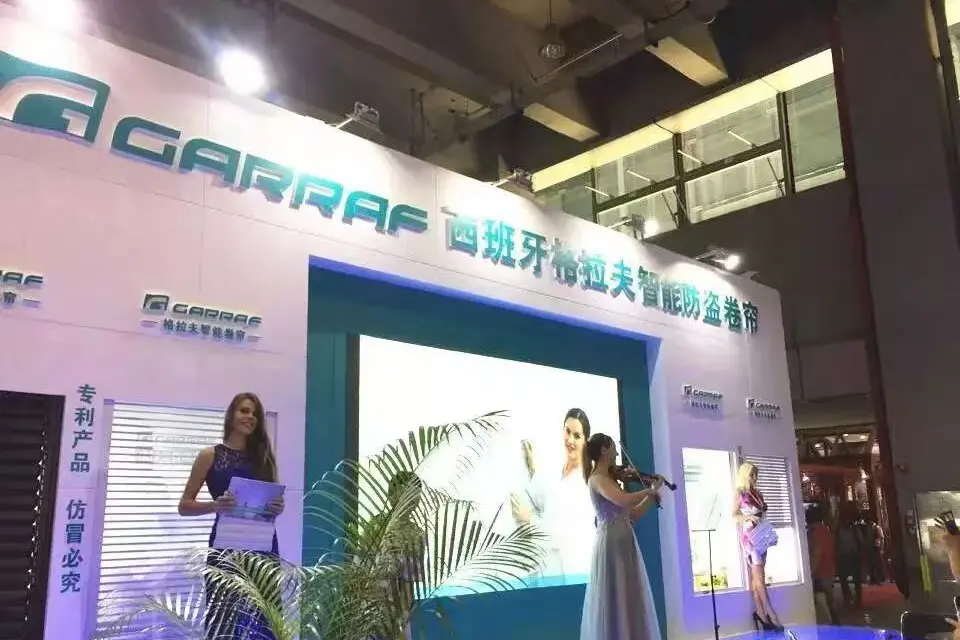
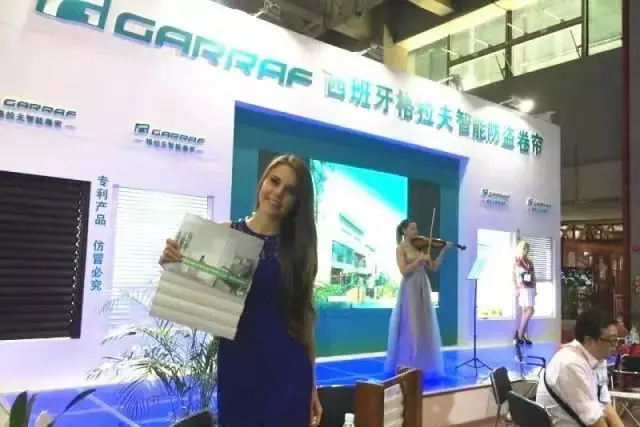
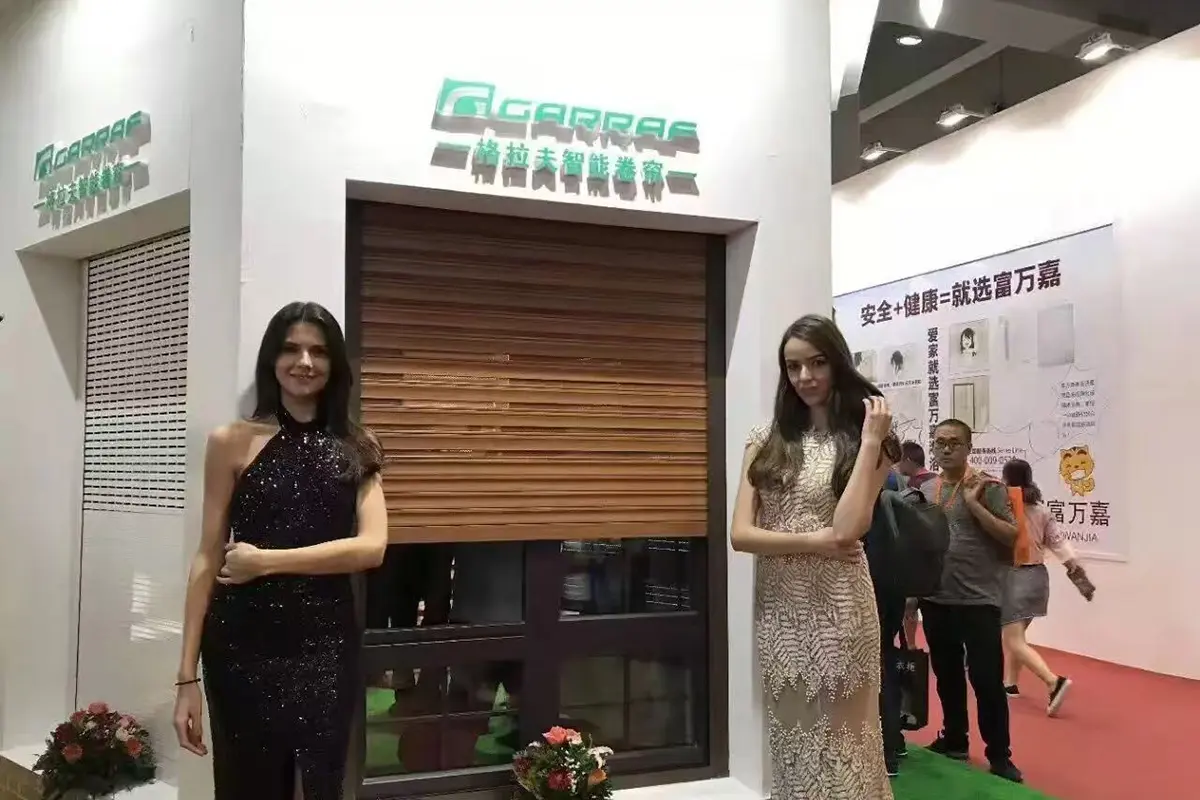
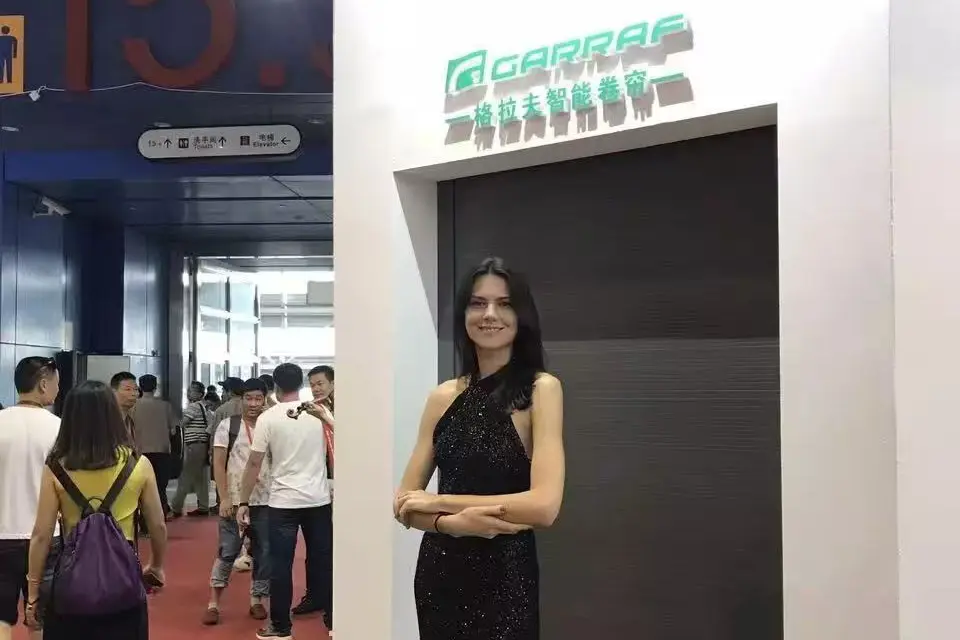

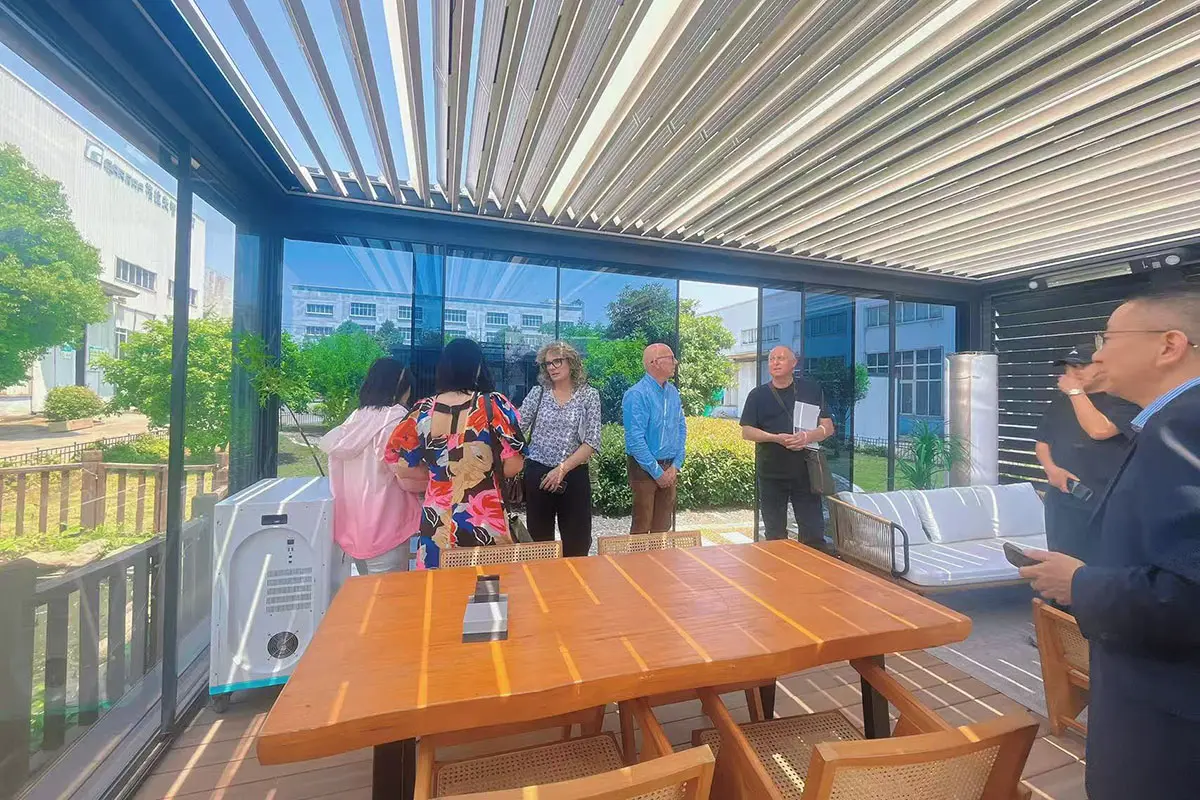
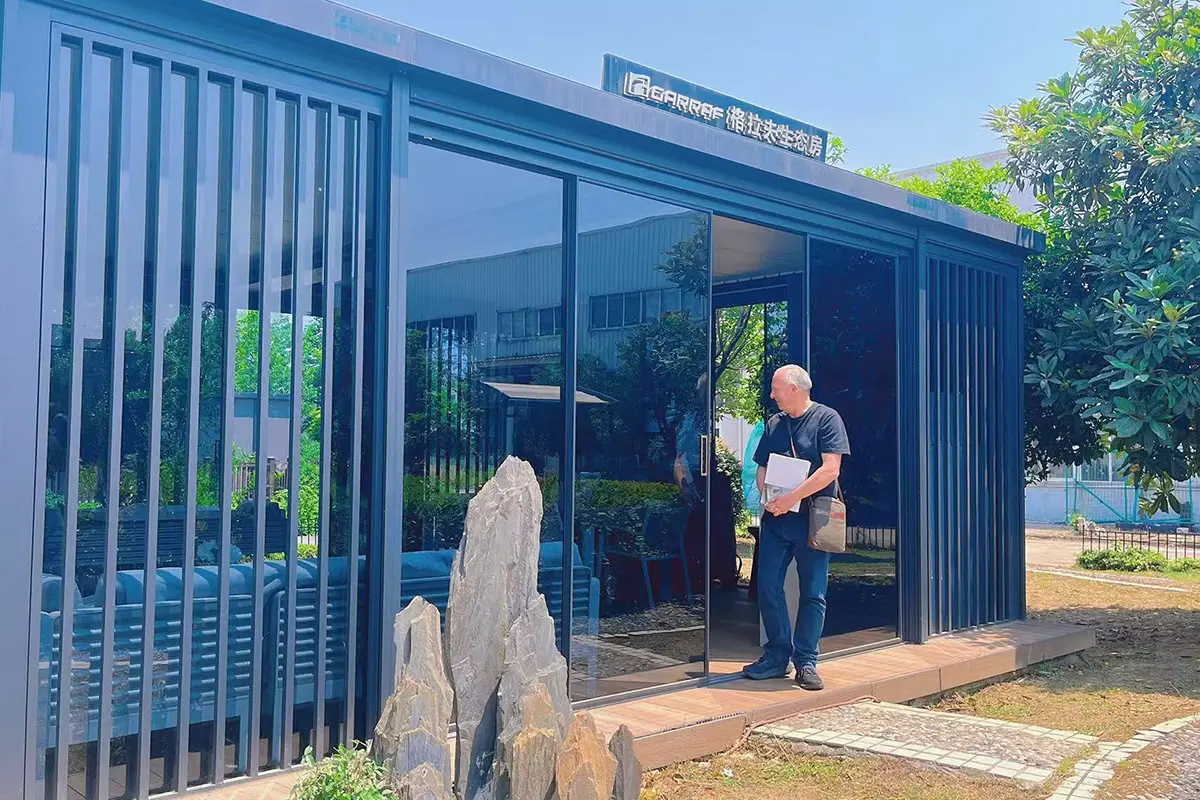
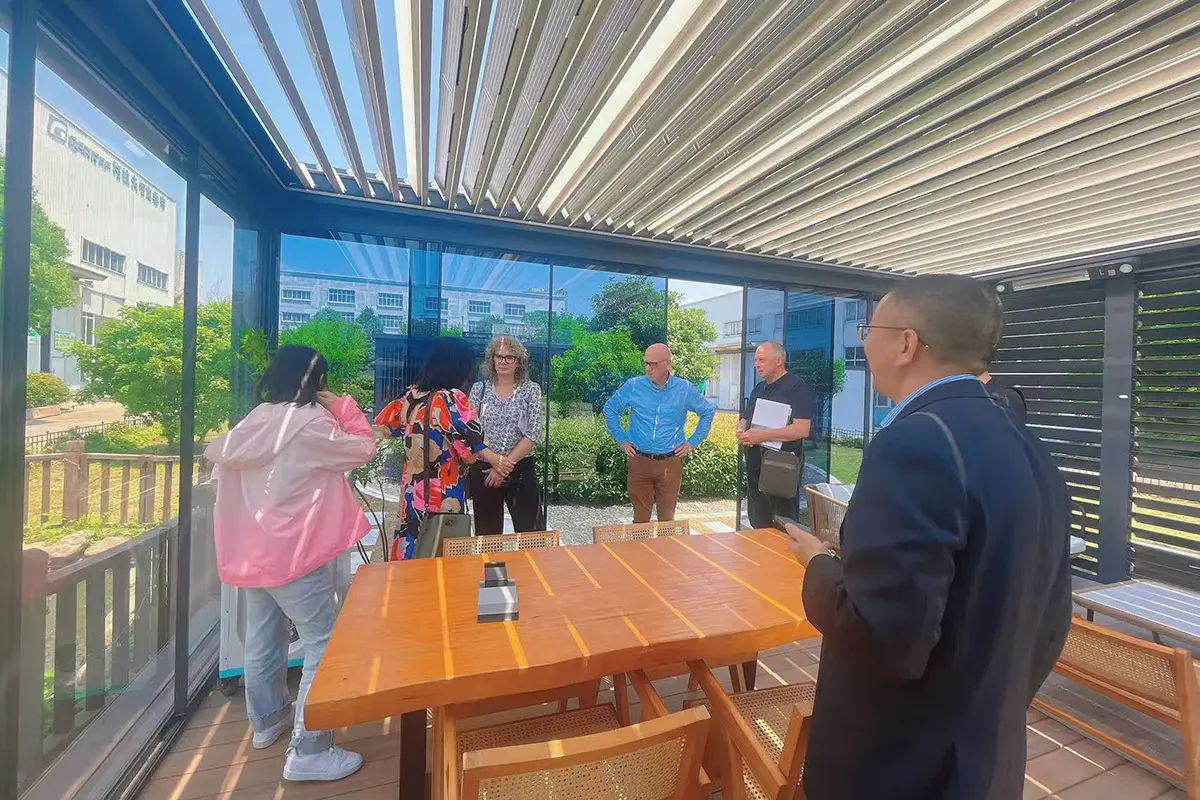
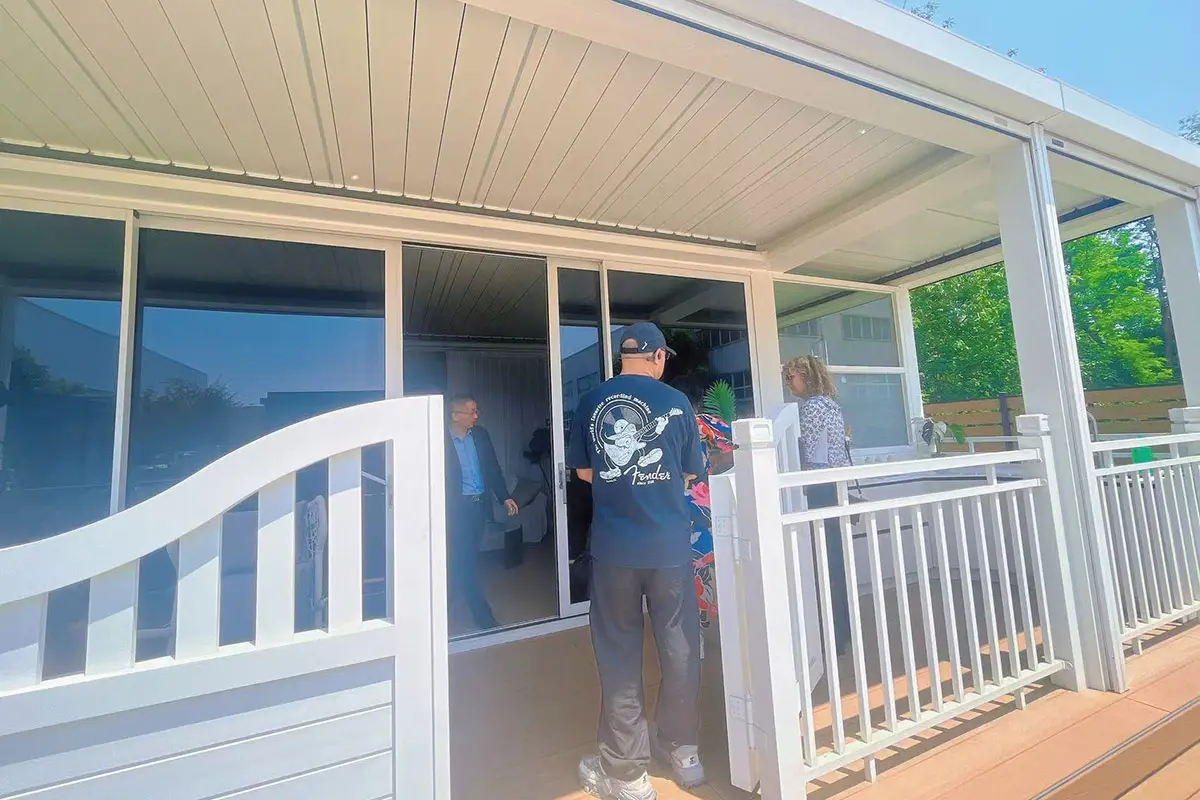
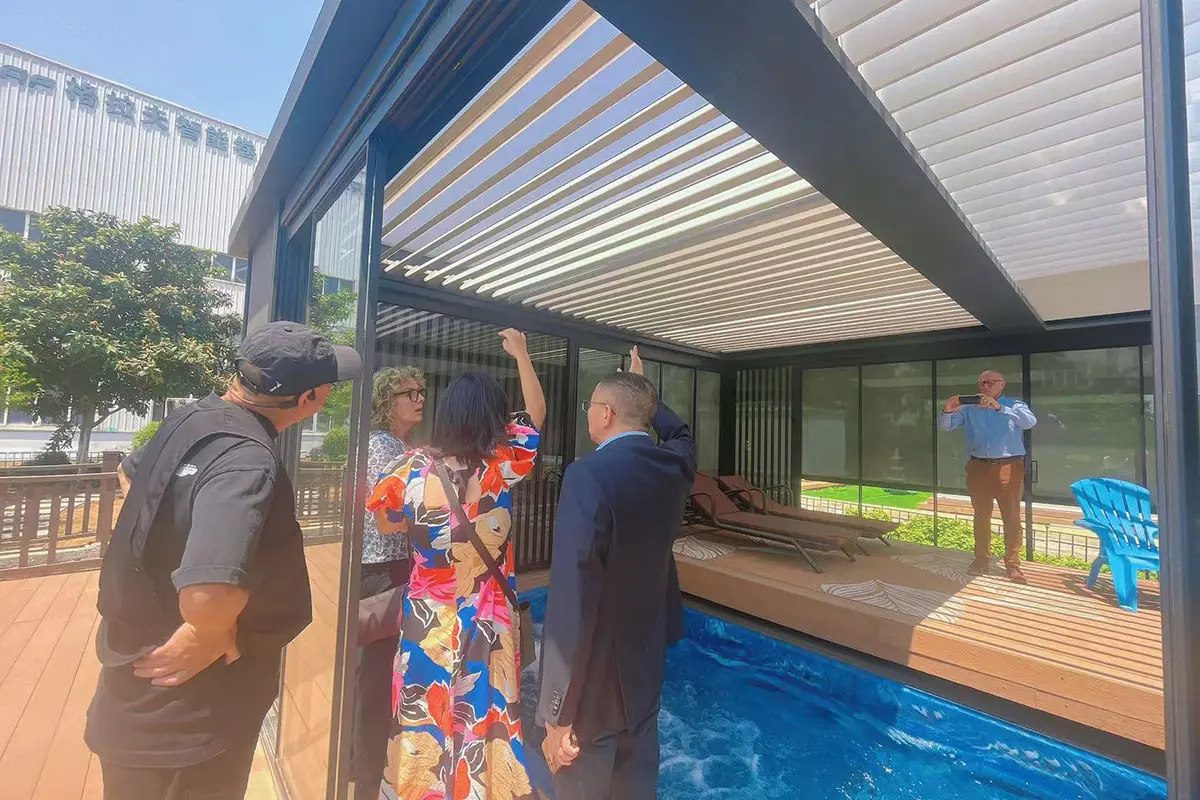
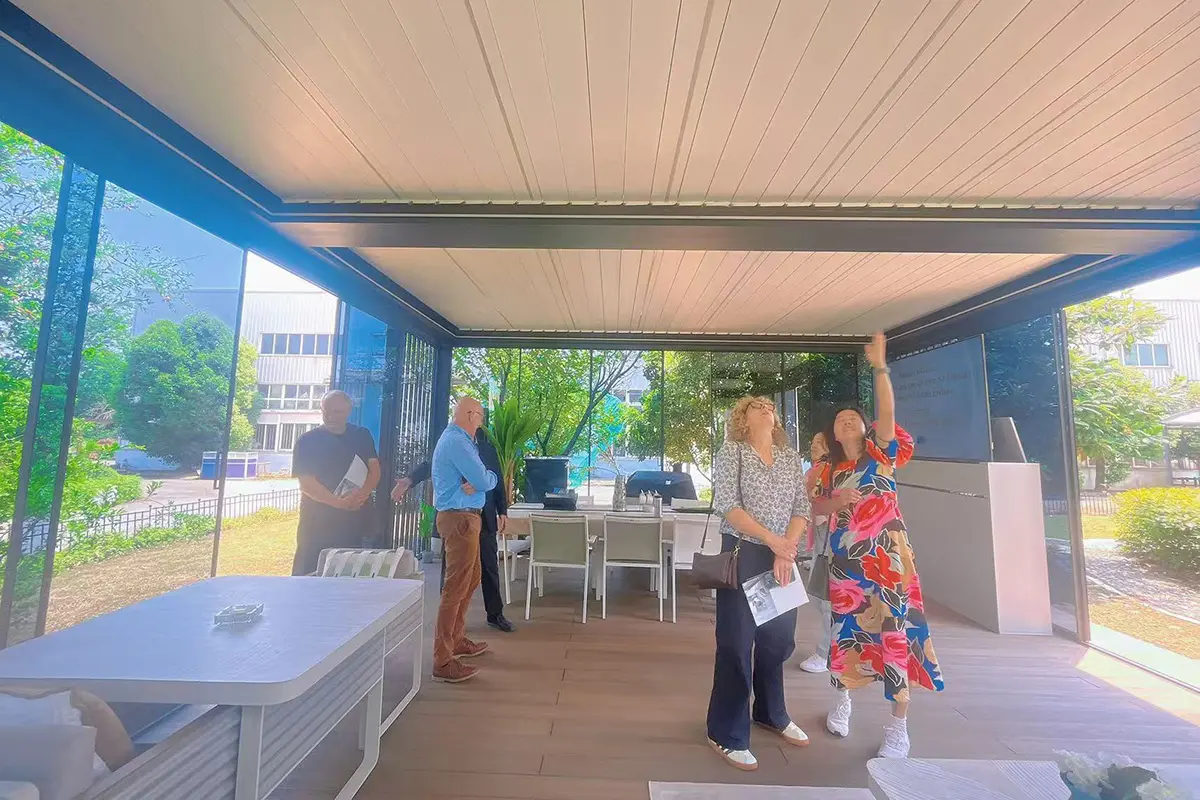
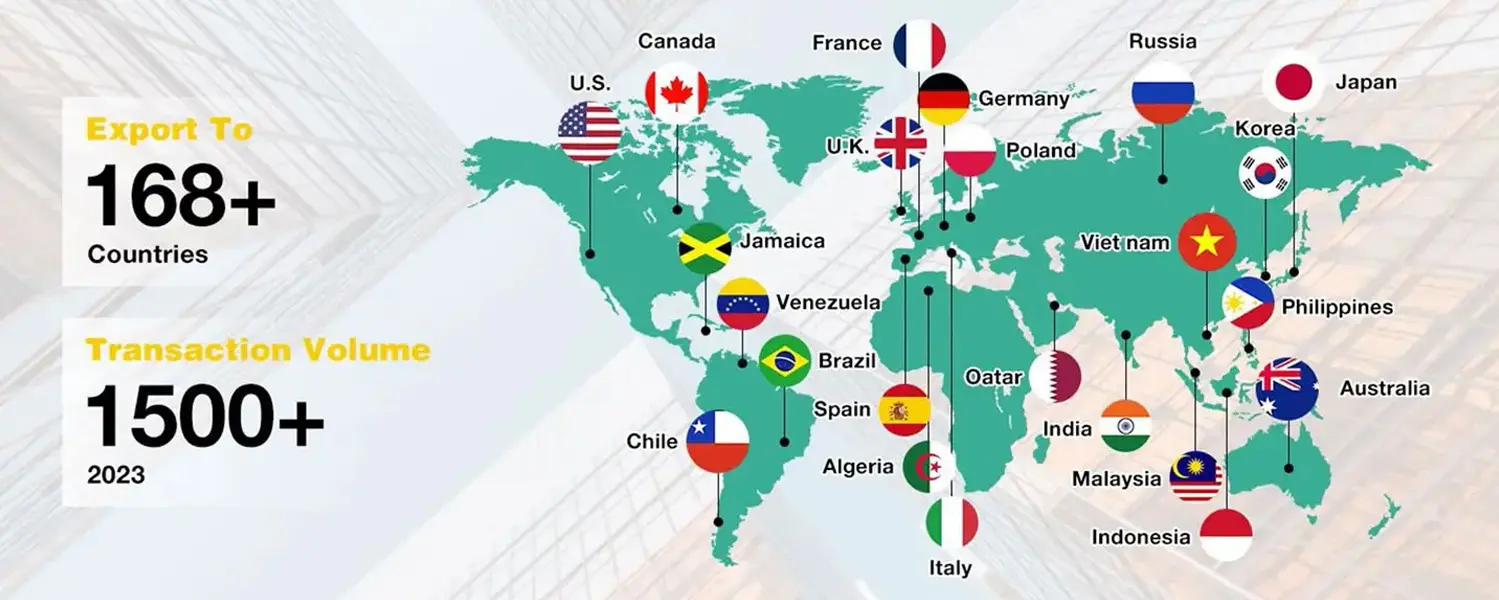
Over the past 20 years, our company has maintained a premium global reputation. Our valued clients span the globe, and our products have been deployed in more than 70 countries.
We understand the climate variations and distinct construction codes across North America, Europe, the Middle East, and Asia-Pacific. From double-glazing envelope regulations in Germany to hurricane wind-load requirements in Florida, we design customized shutters and outdoor systems to ensure local compliance and maximum energy performance.
A key focus for modern architectural designers is the integration of physical building components with intelligent automation frameworks. High-quality insulated aluminum roller shutters are no longer standalone manual installations; they are smart appliances fully compatible with global Building Management Systems (BMS).
Our shutter systems utilize specialized tubular motors configured for RS485, dry contact, Zigbee, Z-Wave, or Wi-Fi control protocols. This lets architects build dynamic automation scenarios: closing shutters automatically when sunlight values cross thresholds (reducing solar heat gain coefficients in real time), or opening them at sunrise to optimize natural daylighting. These features integrate seamlessly with smart home platforms like Somfy, Tuya, and Google Home, allowing occupants to monitor their properties remotely.
In addition, advanced safety parameters are integrated at the motor level. Obstacle-detection algorithms reverse the shutter movement if items are detected in the tracks, preventing damage and protecting users. When integrated with local security alarms, shutters serve as physical, reinforced barriers that close automatically upon alarm activation, delaying forced entry attempts.
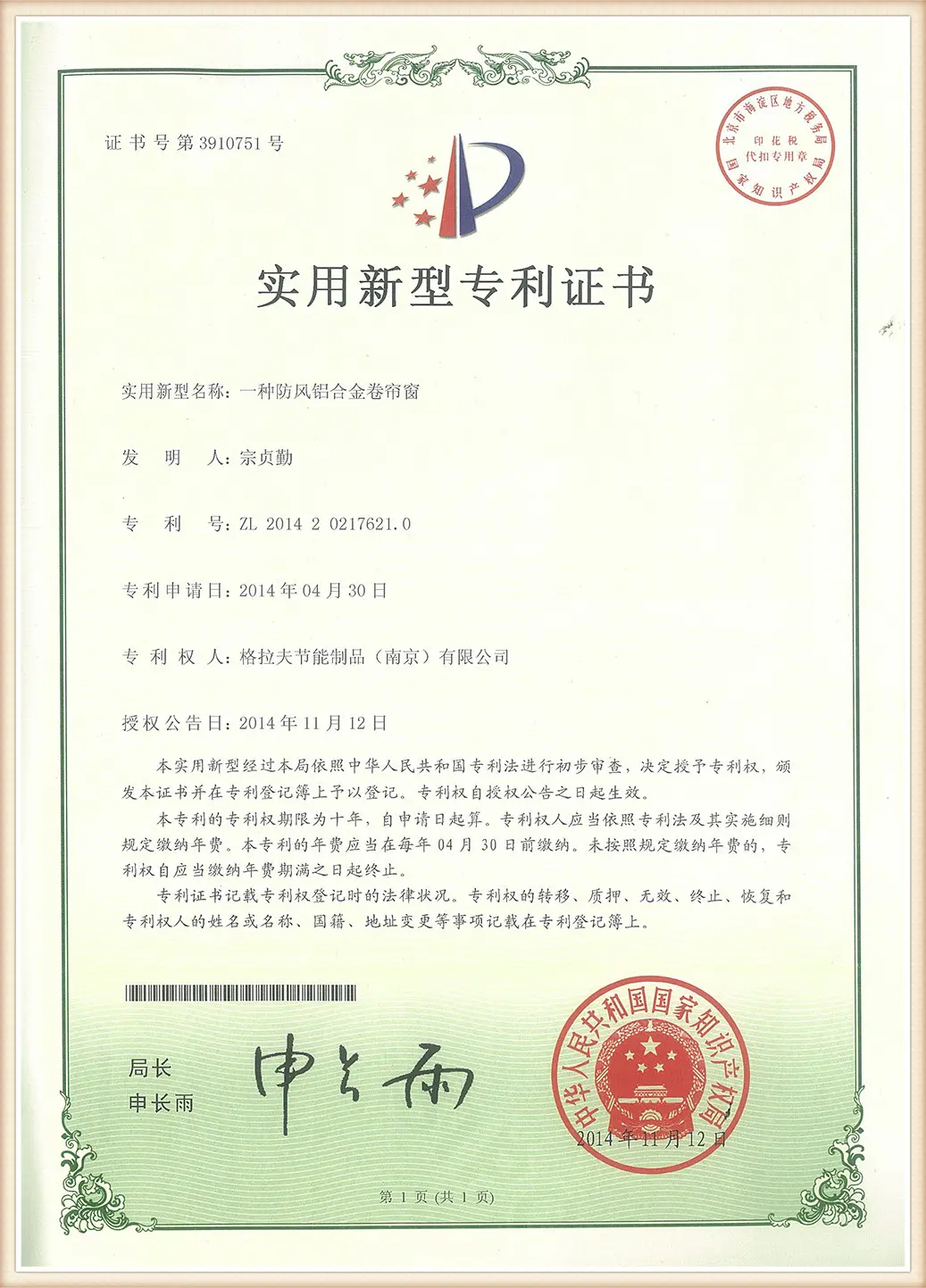
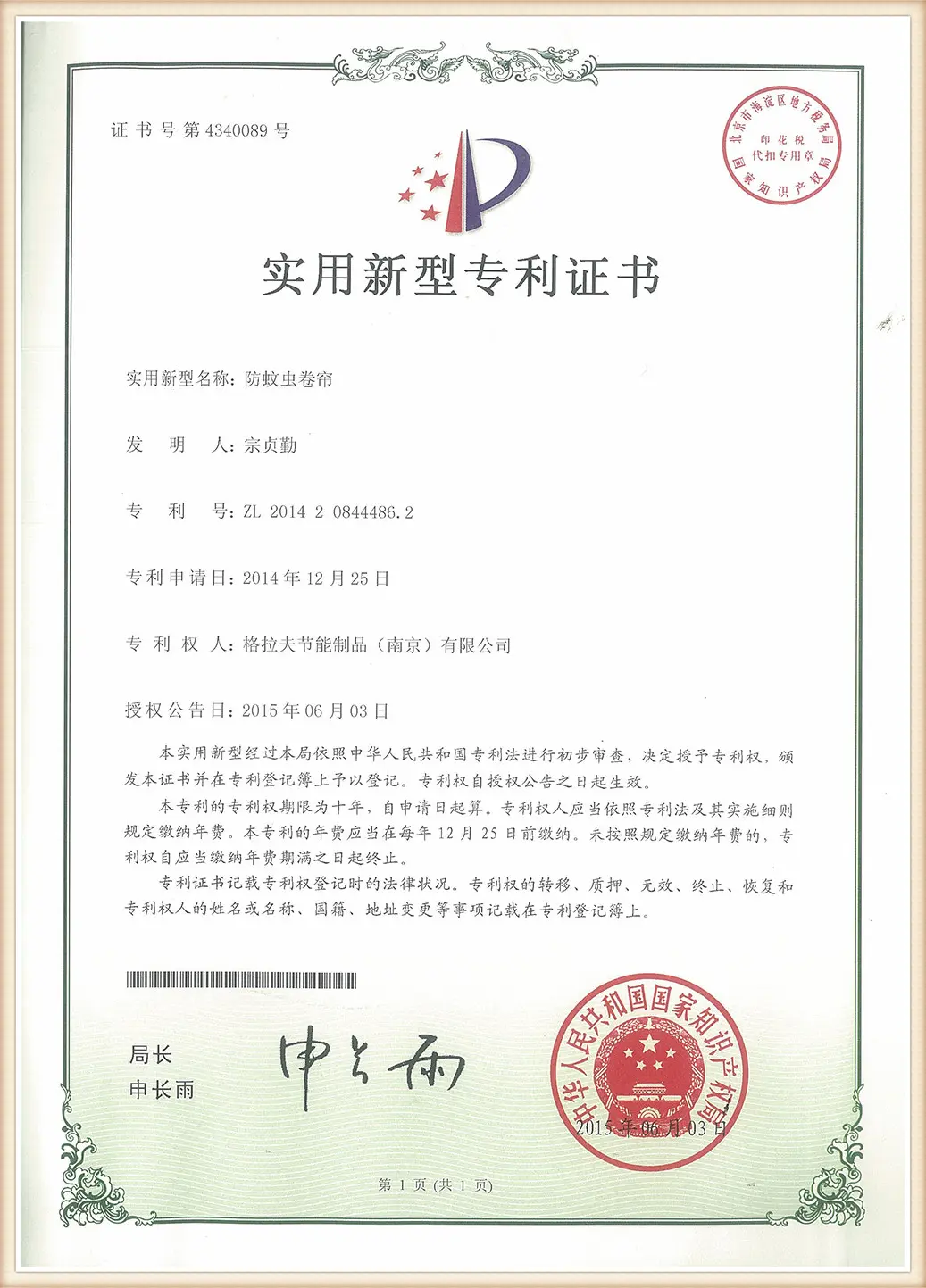
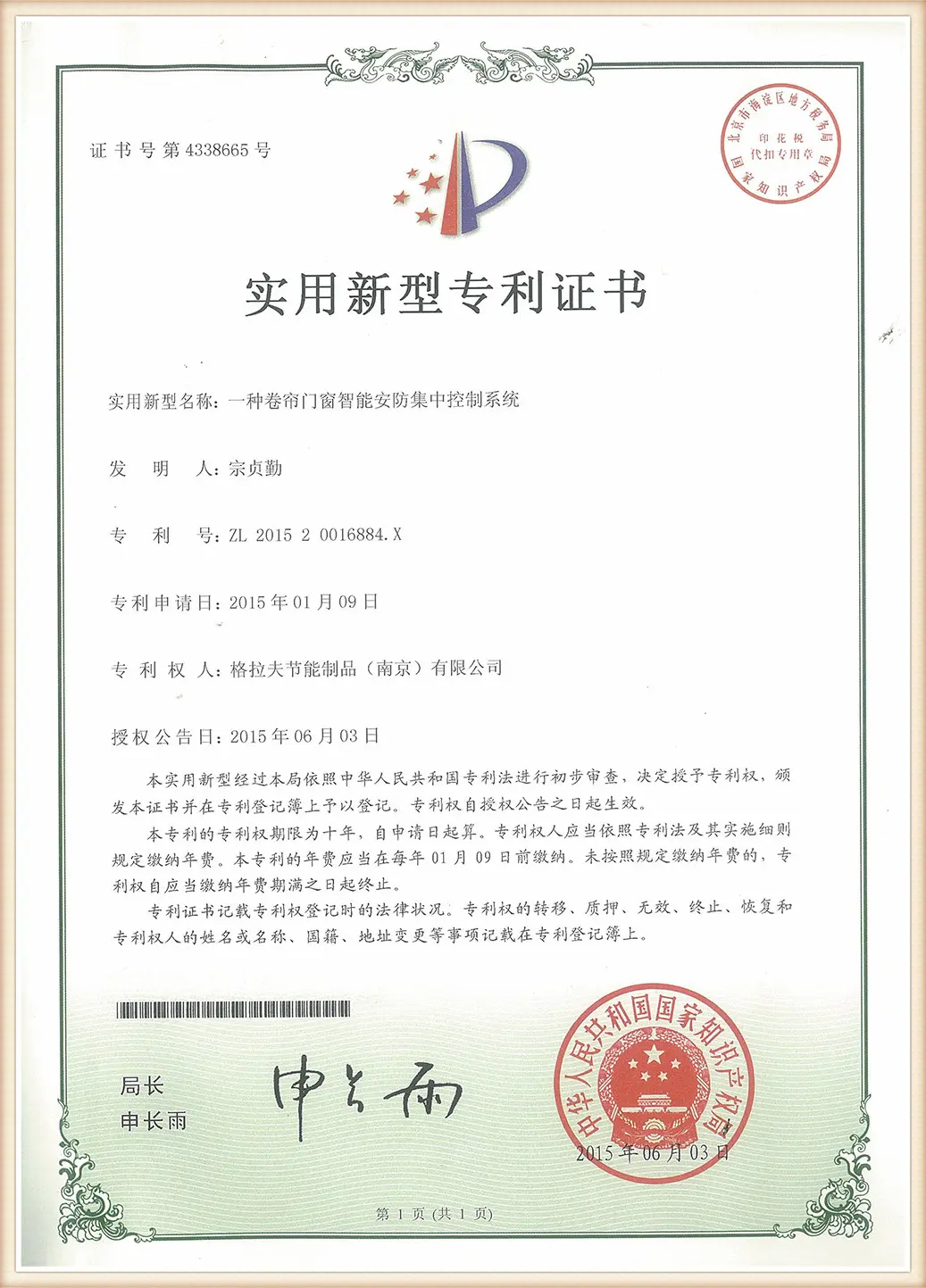
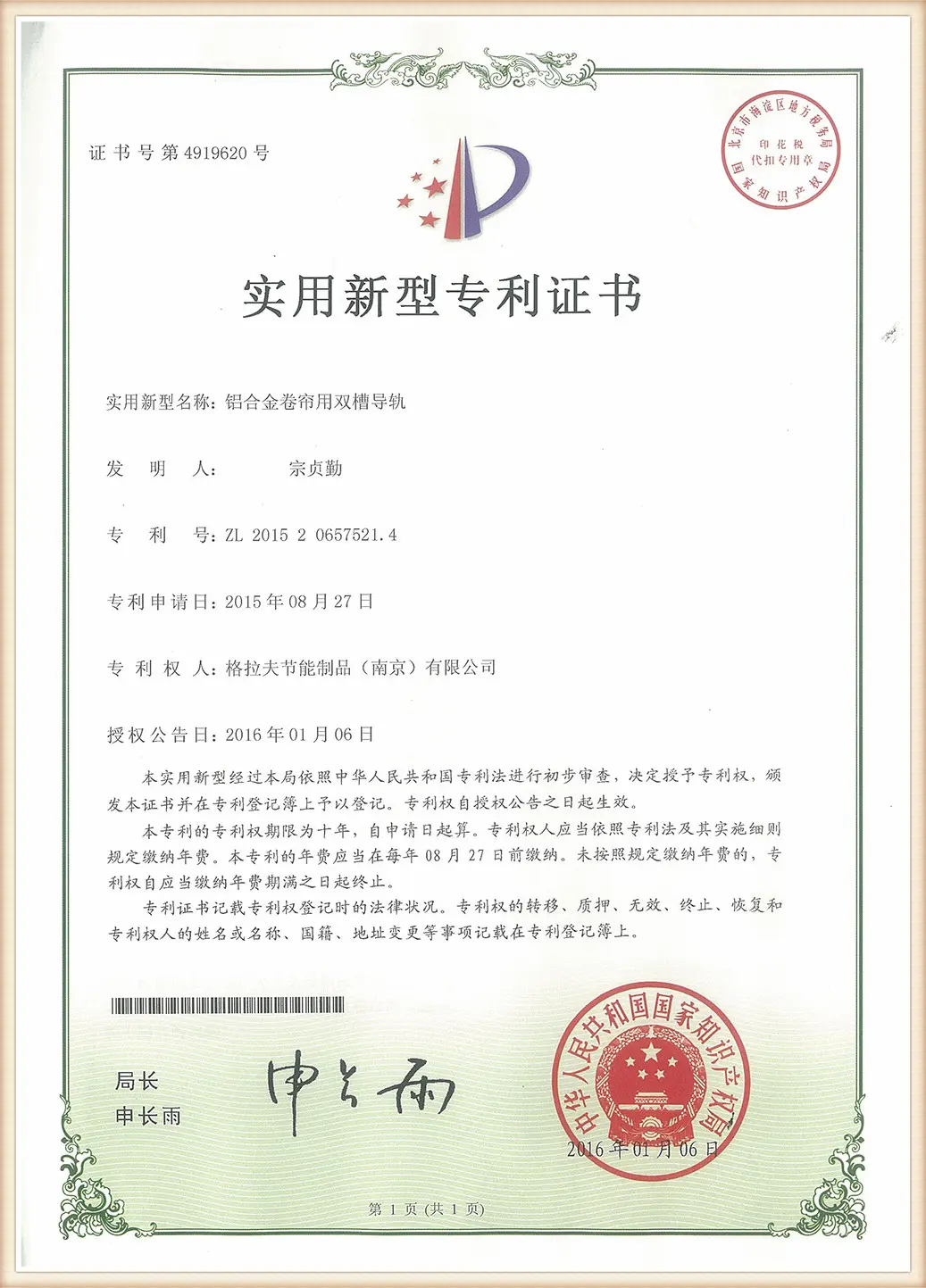
Our company maintains rigorous ISO 9001 and CE international quality certifications, holding over 100 patents for structural wind resistance, motor torque efficiency, and profile thermal insulation.
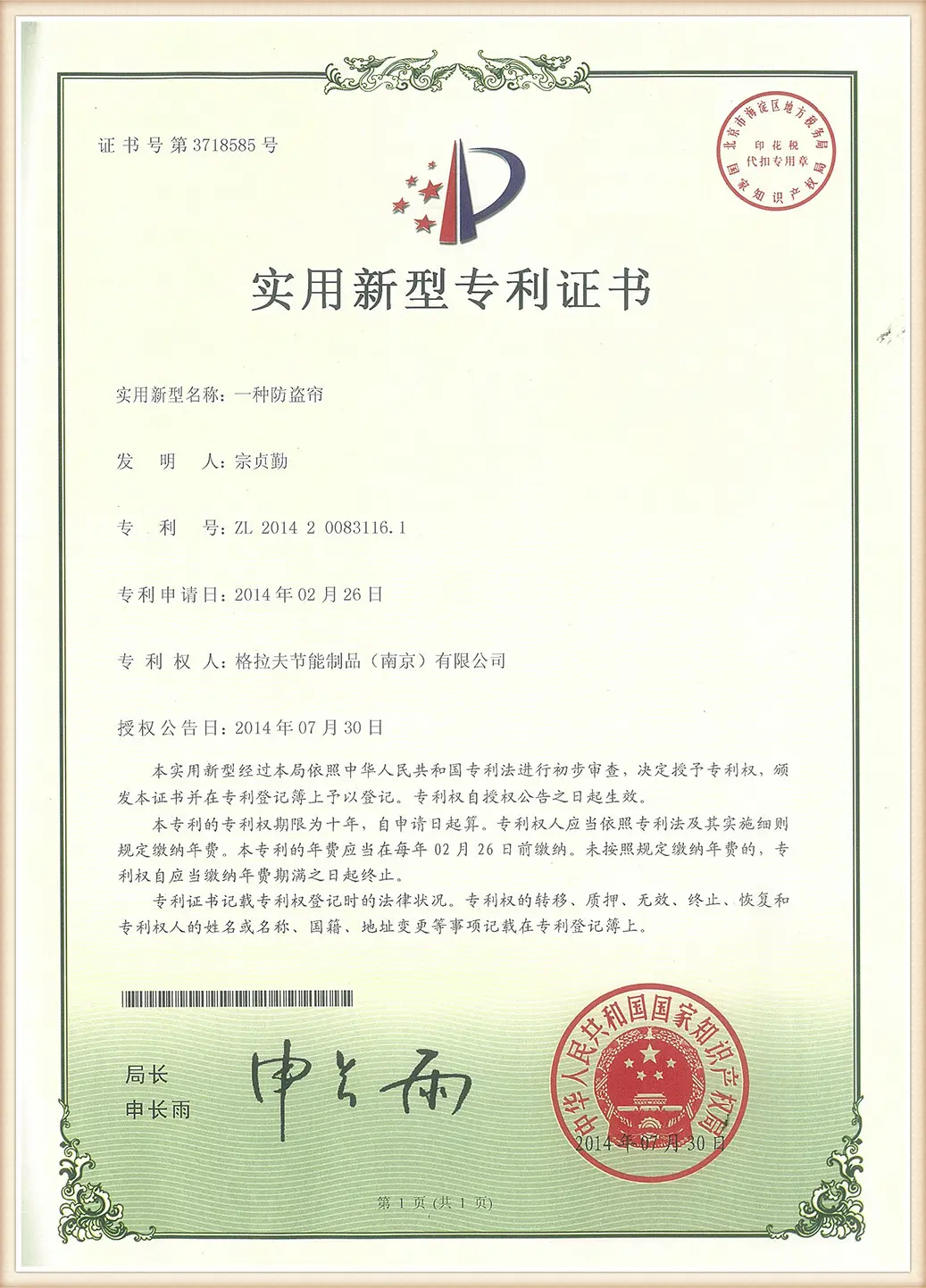
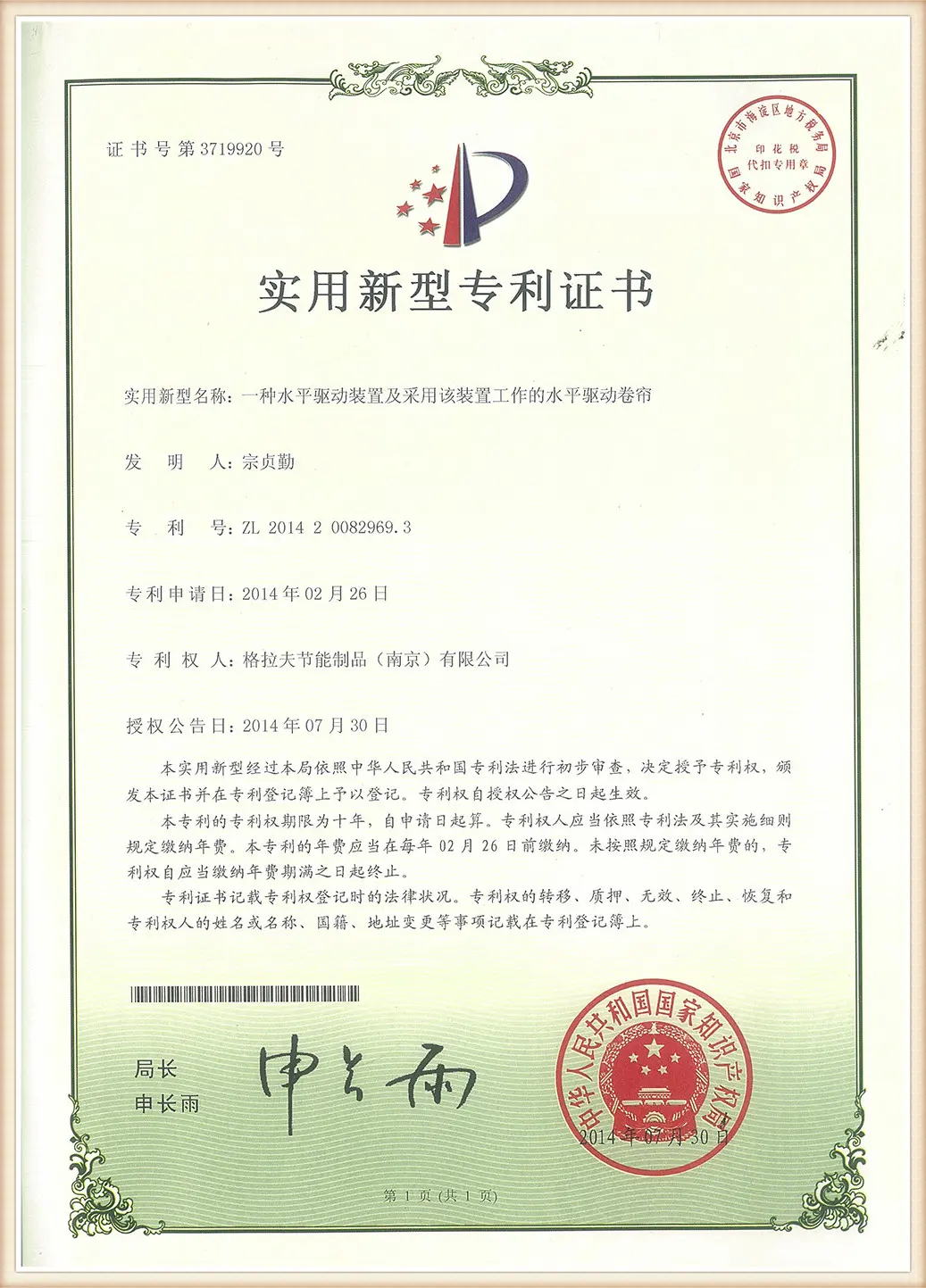
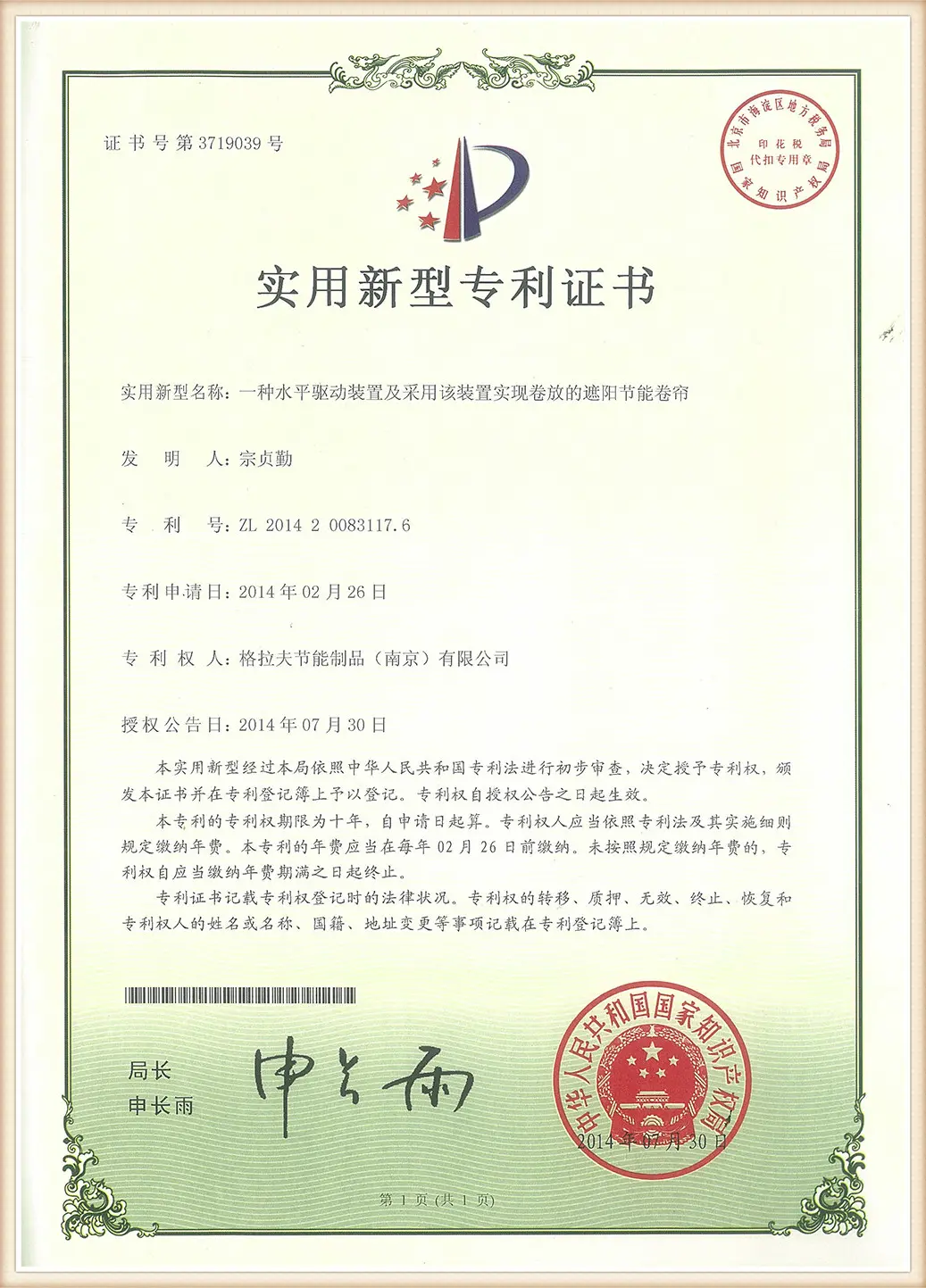
As sustainability regulations tighten globally, the next decade of insulated aluminum roller shutter development centers on three main technological innovations:
Below are answers to common questions asked by sourcing managers, structural engineers, and real estate developers looking to procure high-quality insulated aluminum roller shutters from Chinese factories.
Polyurethane density is directly proportional to both thermal resistance (R-value) and structural load capacity. A standard density of 40-45 kg/m³ provides an excellent R-value of approximately 0.35 (m²·K)/W for thin windows, sufficient for standard residential applications. For wide spans, high wind loads, or high-security commercial requirements, we utilize 70-75 kg/m³ high-density PU. This increases shear resistance and prevents slat deflection, ensuring compliance with EN 13659 Class 6 standards.
We build our structural shutters using high-tensile 6063-T5 aluminum alloy, providing excellent corrosion resistance and mechanical strength. For surface protection, our factories utilize electrostatic powder-coating lines audited under Qualicoat Class 1 & Class 2 specifications. This involves chromate-free multi-stage pre-treatments followed by baking cycles, resulting in a finish thickness of 60 to 80 microns. This protects the material from chalking, peeling, and fading even in salty marine environments.
Yes. Our motorized roller shutter systems are compatible with major automation standards. Tubular motors can be specified with RS485 interfaces, allowing bidirectional communication to report shutter height, target positions, and motor load status to KNX or BACnet hubs. For simpler installations, standard four-core motors can connect to external relay modules and smart home controllers (Zigbee, Z-Wave, dry contacts) for seamless automation control.
Standard OEM/ODM orders have a production lead time of 20 to 30 days. To ensure safe transport during maritime logistics, shutters are shipped in Completely Knocked Down (CKD) or Semi Knocked Down (SKD) kits. Slat curtains are wrapped in protective polyethylene foam and packed in heavy-duty wooden crates, while guide rails, boxes, and axles are packed in reinforced cardboard boxes with edge protectors to minimize transport damage.
Our heavy-duty profiles (e.g., GRF77) are certified to wind-resistance Class 6 under EN 13659, withstanding wind speeds up to 100 km/h. Double-walled profiles filled with high-density polyurethane resist deformation, and our heavy-duty side guides include wind-lock clips and brush seals. These seals block wind-blown sand and dust, making them ideal for coastal and desert climates.
Contact our engineering team to receive customized CAD drawings, physical slat samples, and project-specific pricing quotes within 24 hours.
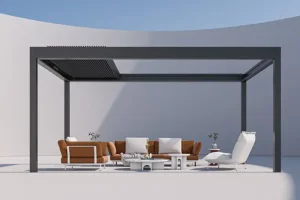
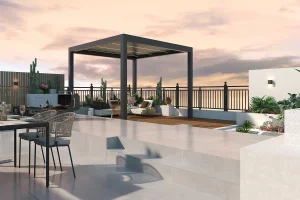
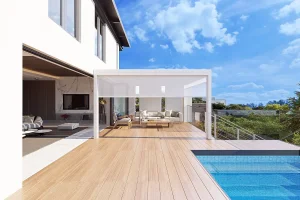
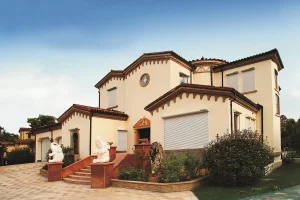
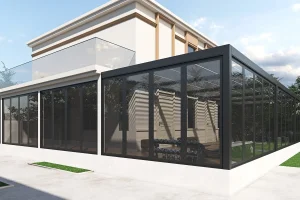
Our secondary series features premium outdoor pergolas, high-performance shading screens, and specialized roller shutters configured for diverse climate conditions.

Stay updated with research findings on building envelope performance, localized wind load rules, and smart sunshade systems.
Analyzing the increase in security specs across hurricane zones and desert regions, focusing on mechanical locks and heavy wind-load slat shapes.
Read Research Paper →A deep look at how smart solar shading structures help building managers comply with EU green building goals and energy performance ratings.
Read Research Paper →Reviewing how home and commercial designs now blur the lines between indoor and outdoor spaces with weather-resilient bioclimatic structures.
Read Research Paper →We work alongside leading developers, global logistics networks, and regional distributors to deliver high-quality custom shading solutions.



 GARRAF