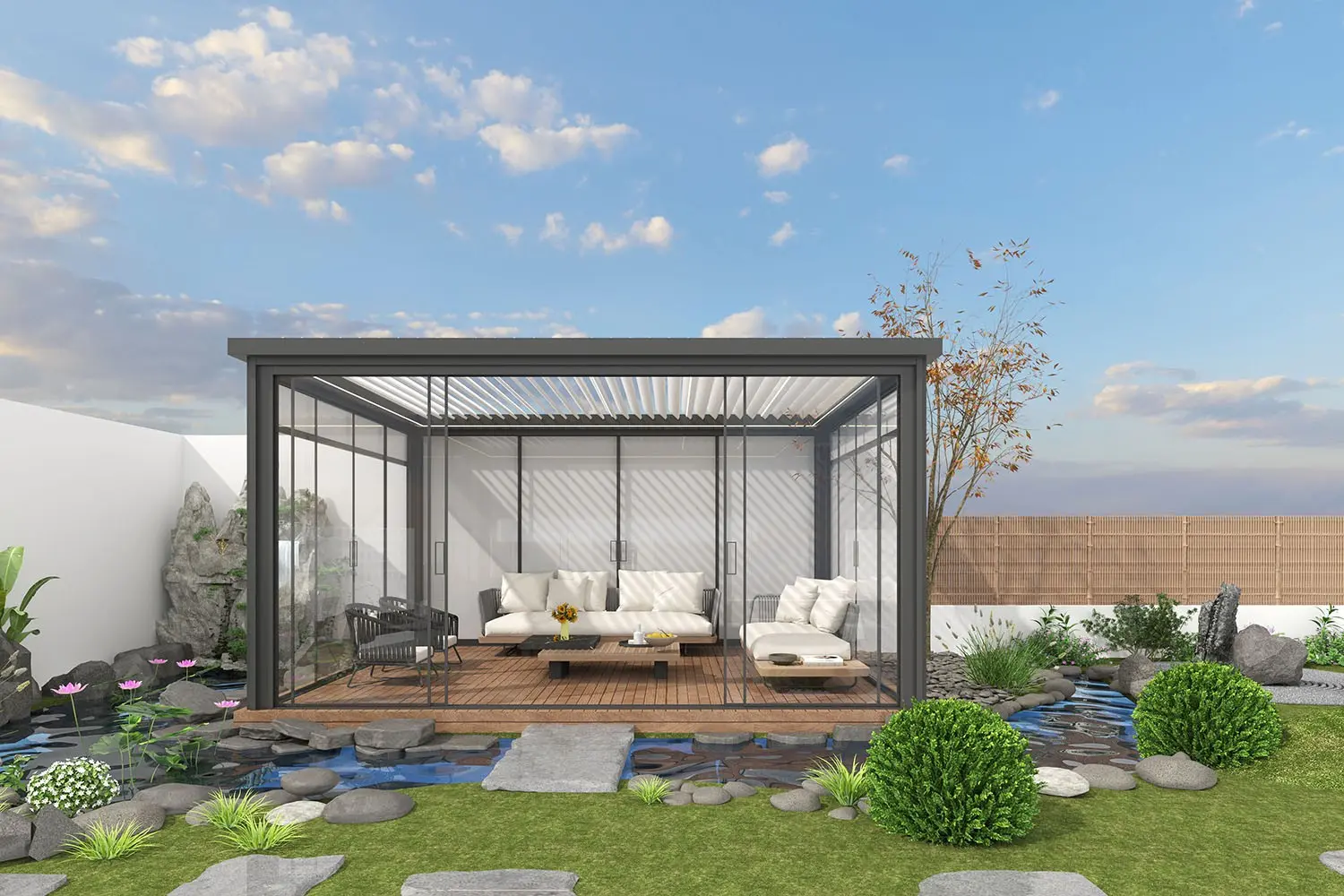
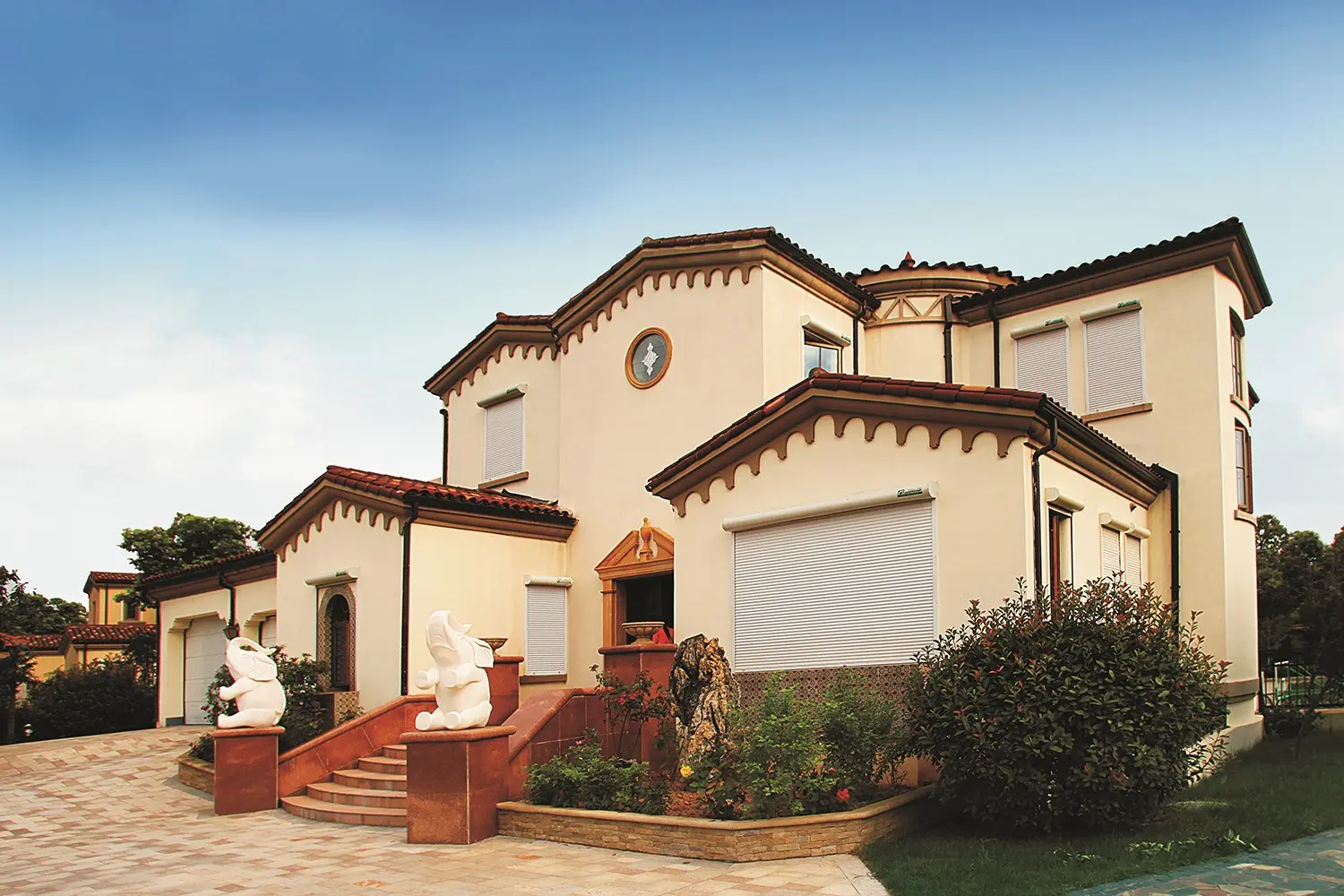
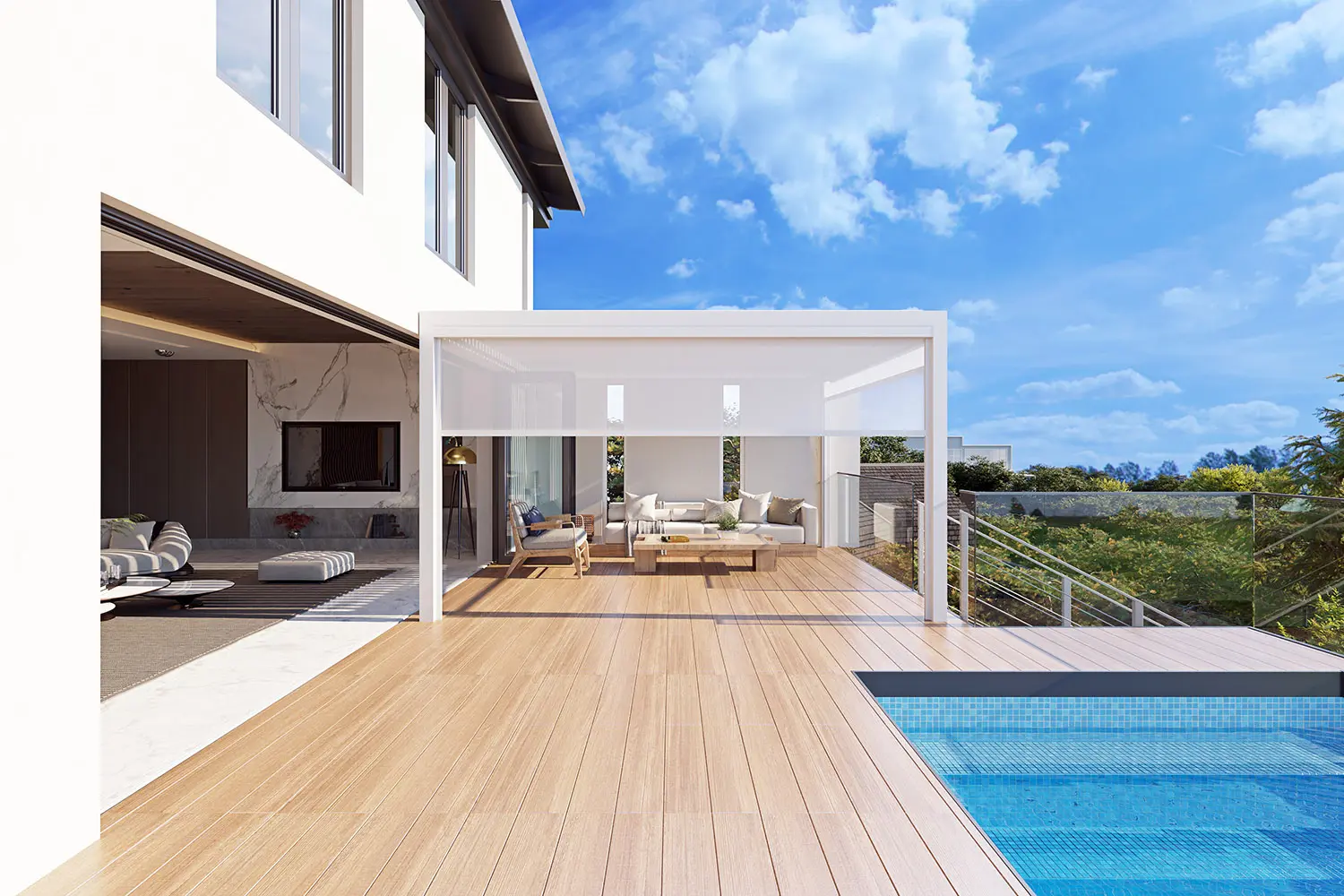
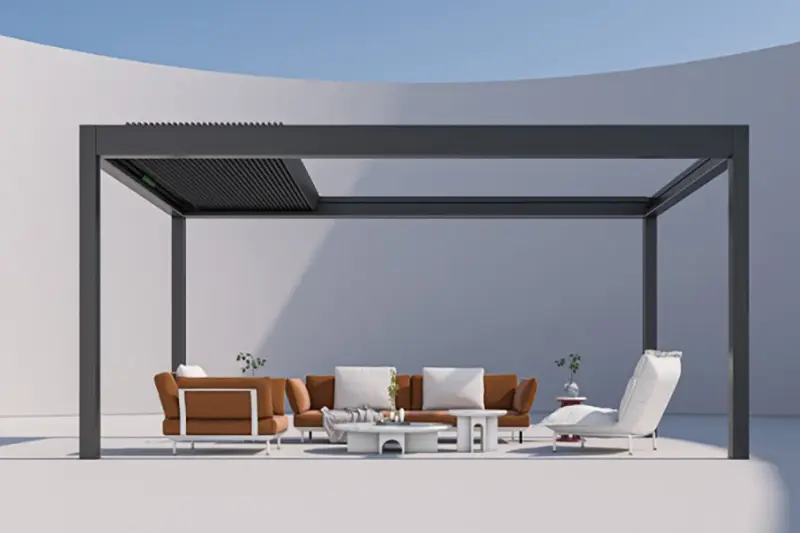
Explore our foundational range of structural outdoor shading, protective roller shutters, dynamic pergolas, and intelligent zip systems designed for modern global envelopes.
A technical review of dynamic solar shading, structural aluminum alloys, and energy conservation standards in commercial and residential developments.
In modern high-performance building design, the concept of building envelope efficiency has transcended passive wall systems. Engineers and sustainability professionals are turning to dynamic, externally mounted shading frameworks like extruded aluminum outdoor window shades to mitigate massive solar radiation gains. By positioning shading structures on the exterior of glazing layers, thermal energy is captured and dissipated before it crosses the envelope border. This is critical for achieving optimal Solar Heat Gain Coefficient (SHGC) and achieving prestigious building ratings such as LEED, BREEAM, and DGNB globally.
The structural superiority of architectural-grade aluminum alloys, specifically 6063-T5 or 6063-T6, represents the baseline standard for exterior installations. Compared to vinyl, wood, or lightweight steel, extruded aluminum offers exceptional resistance to the forces of wind shear and physical degradation:
Leveraging direct access to foundational aluminum refining, advanced precision extrusion, and integrated automation clusters.
Our facility directly couples heavy structural extrusion machines with inline precision heat-treating and automated electrostatic powder coating lines. This layout drastically minimizes carbon footprint, shortens standard production runs to 20-30 days, and preserves strict material tolerances across high-volume production schedules.
Every structural profile must pass dimensional verification, hardness tests, and paint thickness assays. We perform random wind-tunnel modeling and saltwater spray tests to verify durability before final packaging, ensuring fully documented traceability for every outbound batch.
With an in-house engineering and R&D division, we transform architectural blueprints into customized profiles. We customize wind load profiles, adapt mounting systems for curtain walls, configure specialized motorized assemblies, and develop color-matched finishes to fit precise project goals.
Located near major commercial shipping hubs, we leverage direct access to bulk ocean freight, intermodal rail networks, and air shipping lanes. Our dedicated logistics team manages customs documentation, offers detailed packing lists, and supports global delivery schedules.
Ensuring localized certifications and meeting rigorous global building code requirements for structural safety and thermal integrity.
Developing exterior envelope systems requires careful consideration of local construction regulations. We engineer and rate our shading profiles to satisfy distinct standards across major global growth regions:
Projects along coastal regions, such as Florida and Texas, must comply with strict windborne debris standards. Our heavy-duty aluminum shutters and zip screens undergo extensive testing to handle positive and negative wind pressure loads. Our designs align with ASCE 7-22 wind load regulations, enabling deployment in both coastal areas and high-elevation commercial zones.
All dynamic wind screens and external venetian blinds bound for the European Economic Area bear the CE Mark, confirming adherence to EN 13659 standards (Performance requirements including safety for external blinds). This certification covers wind resistance performance classes (up to Class 6), snow load capacity, and operating cycles, protecting end-users and matching long-term sustainability goals.
To address the intense ultraviolet radiation and wind profiles typical of the Oceania region, our products feature advanced UV-stabilized paint formulations and heavy-duty structural guides. They are calculated to withstand region-specific wind forces under AS/NZS 1170.2 standards, assuring structural integrity during extreme weather events.
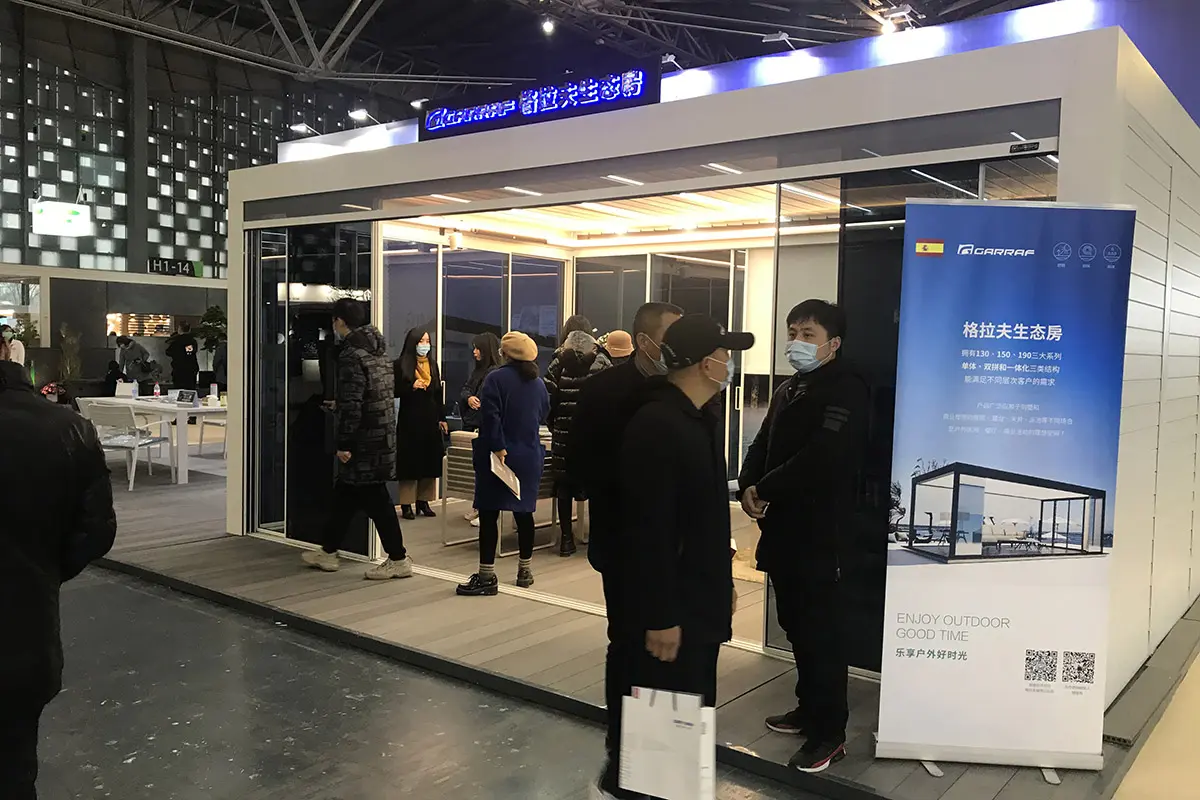
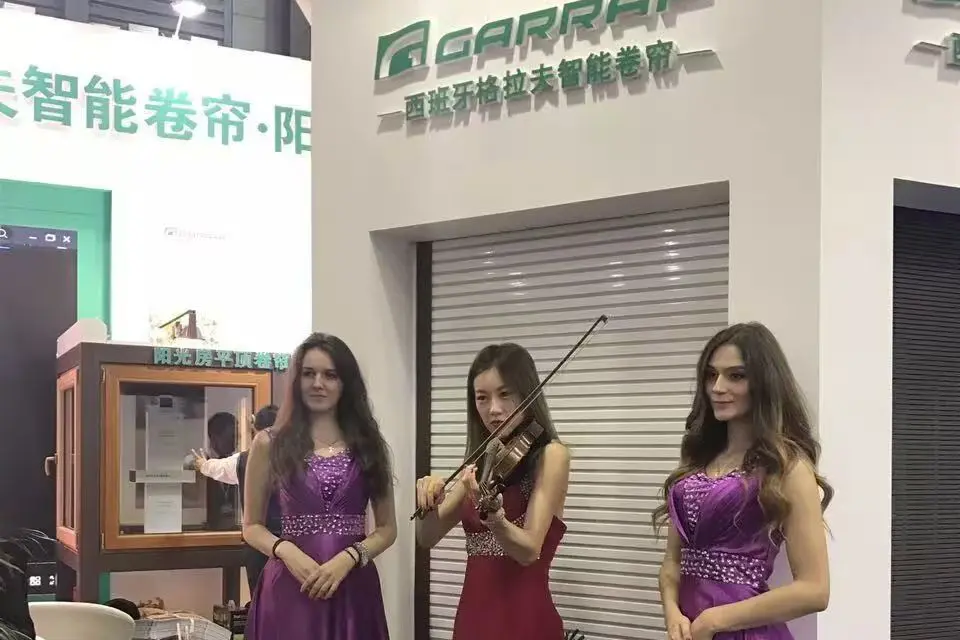
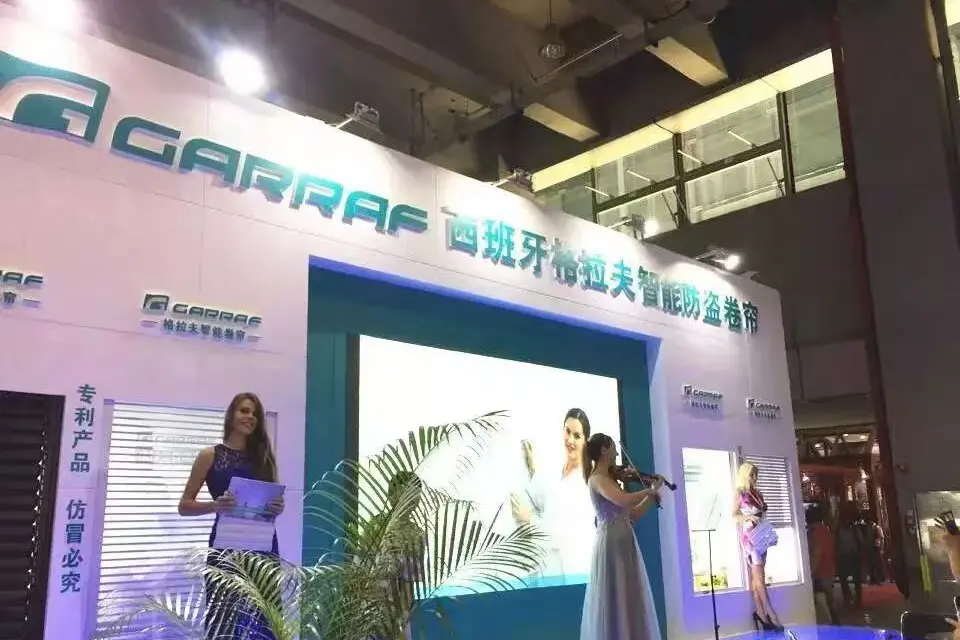
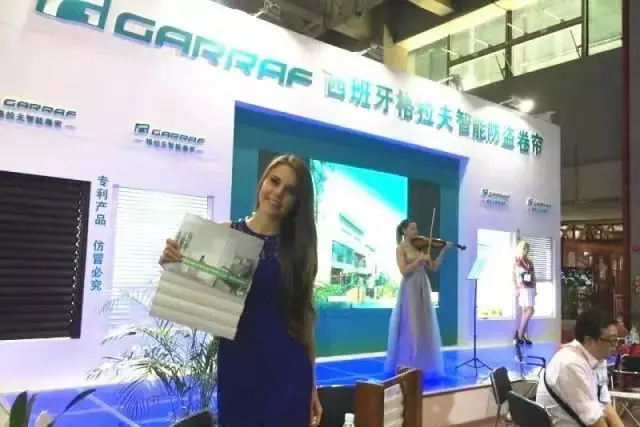
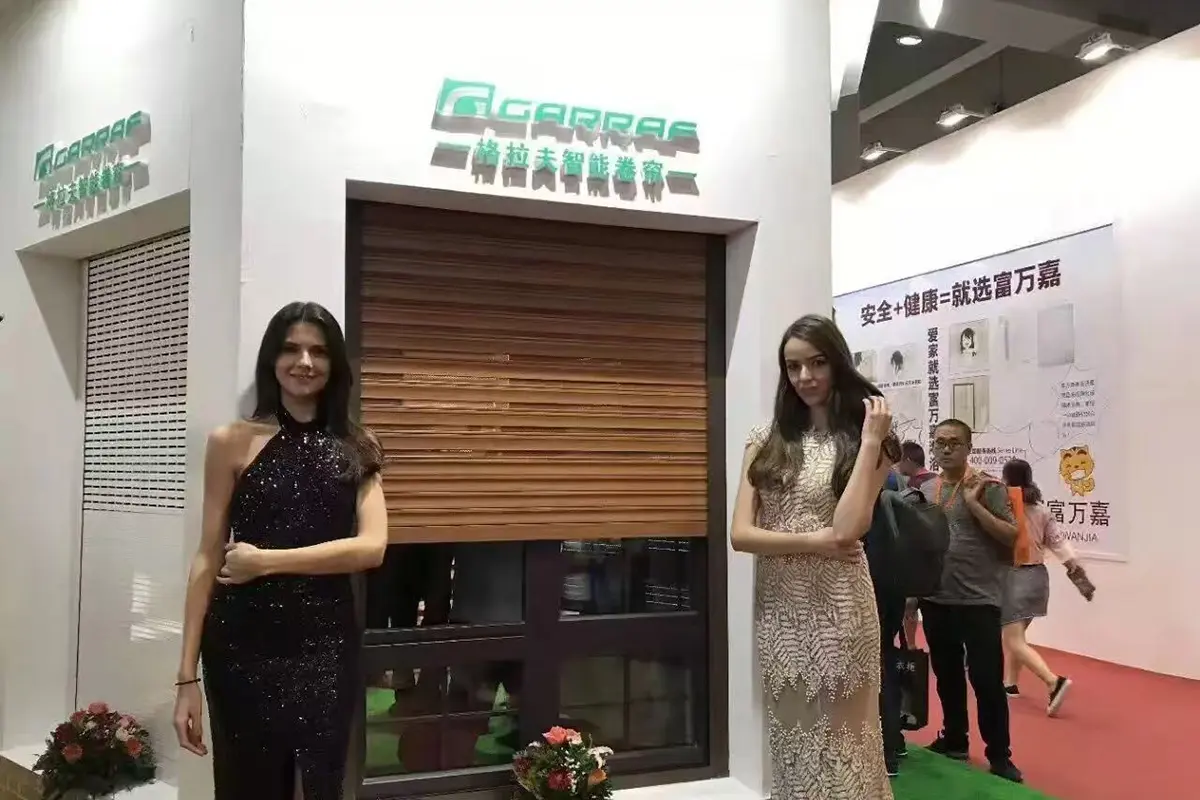
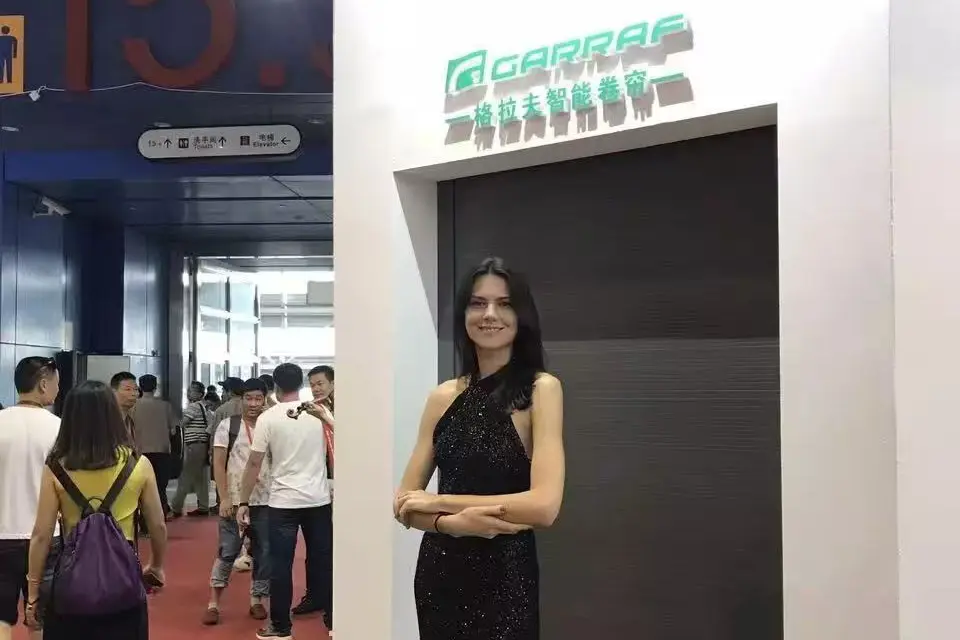
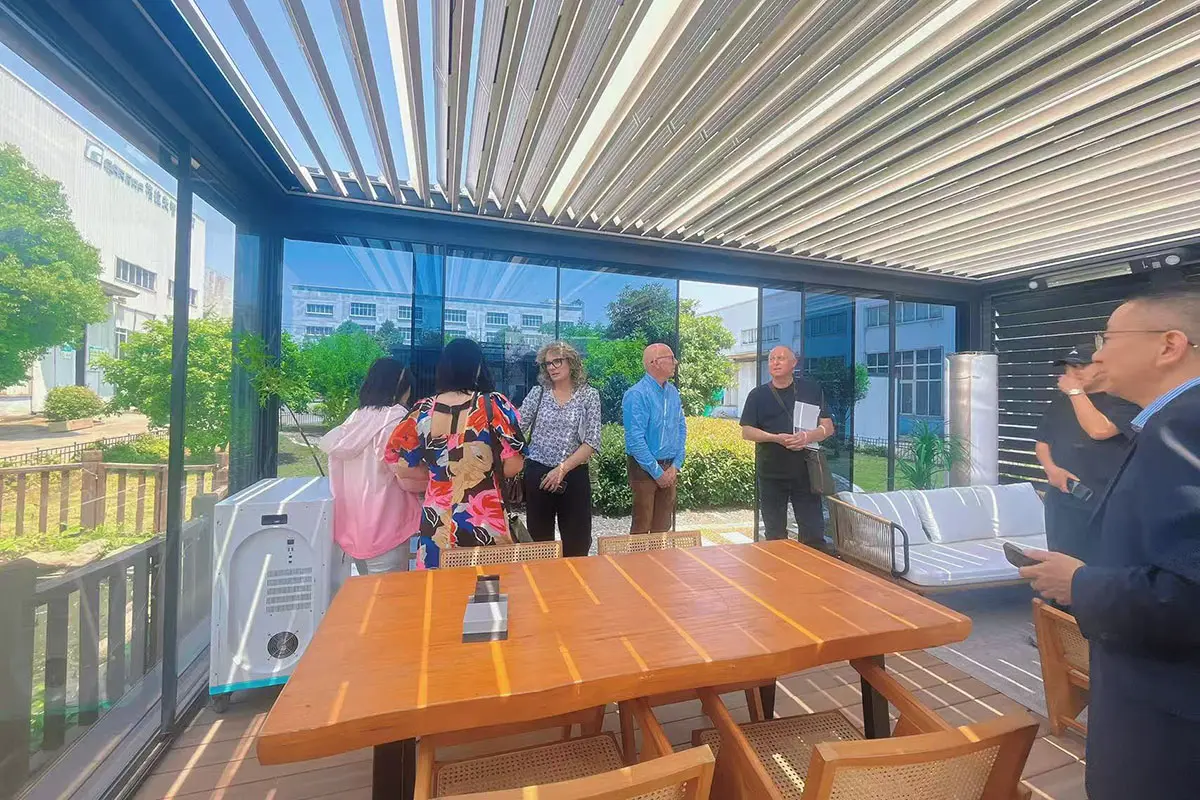
Watch our clients' journey from exhibition halls and technical factory floor tours to real-world deployment across premium commercial complexes and luxury residences.

Exploring how IoT, sustainable energy harvesting, and advanced materials shape the future of exterior solar control.
Modern shading systems operate as integrated components of building management networks. By leveraging protocols like KNX, Zigbee, or Modbus, our automated motorized window shades communicate with environmental sensors. When outdoor sensors track shifts in light levels or indoor temperatures, the dynamic system repositions automatically, balancing natural daylight entry with thermal comfort. This smart management reduces building cooling loads, supporting lower overall energy consumption.
The integration of photovoltaic cells into structural aluminum shading louvers transforms passive elements into clean power sources. Photovoltaic modules on the louver surfaces capture solar energy, converting it into electricity for the facility's localized grid or storage batteries. This dual-purpose setup offsets solar gains while generating clean power.
To further combat thermal bridging, advanced shading components incorporate specialized thermal isolators and low-emissivity powder coat finishes. These design details minimize radiative heat transfer across the system, improving structural U-values and providing reliable protection even in harsh environments.
Collaborating with leading architects, developers, and global distributors to deliver high-performance solar control systems worldwide.

Addressing the technical, logistics, and compliance concerns of engineering leads, developers, and commercial buyers.
Our structural components are fabricated using high-strength 6063-T5 or 6063-T6 extruded aluminum. These alloys deliver the tensile strength and structural integrity needed for architectural applications, allowing long clear spans while maintaining wind and snow load resistance.
Our external shading systems, zip screens, and roller shutters are engineered to withstand severe wind forces. Depending on the product specification and assembly dimensions, they are certified to handle wind speeds up to 120 km/h (equivalent to Class 6 under European standard EN 13659).
Our manufacturing processes are fully certified under ISO 9001:2015. The product lines carry the CE Mark for compliance in the EU, and can be structurally configured to satisfy AS/NZS 1170.2 codes for Oceania or ASCE 7 wind load regulations for North American regions.
Our standard manufacturing cycle spans 20 to 30 days from layout approval to container loading. We provide complete OEM and ODM support, allowing customized branding, custom dimensions, unique profile geometries, and project-specific color matching (RAL/Qualicoat standards).
We apply architectural-grade PVDF coatings or electrostatic powder coatings that meet Qualicoat Class 2 standards. These finishes are designed to withstand UV rays, prevent chalking, and resist salt spray corrosion in coastal settings.
Yes, our motorized systems integrate with global smart systems and Building Management Systems (BMS). We support popular connectivity protocols including KNX, Somfy RTS, RS485, Zigbee, and Z-Wave, allowing automated solar control based on real-time sensor inputs.
Review the full collection of modular components, insulated roller shutters, zip systems, and custom freestanding structures.
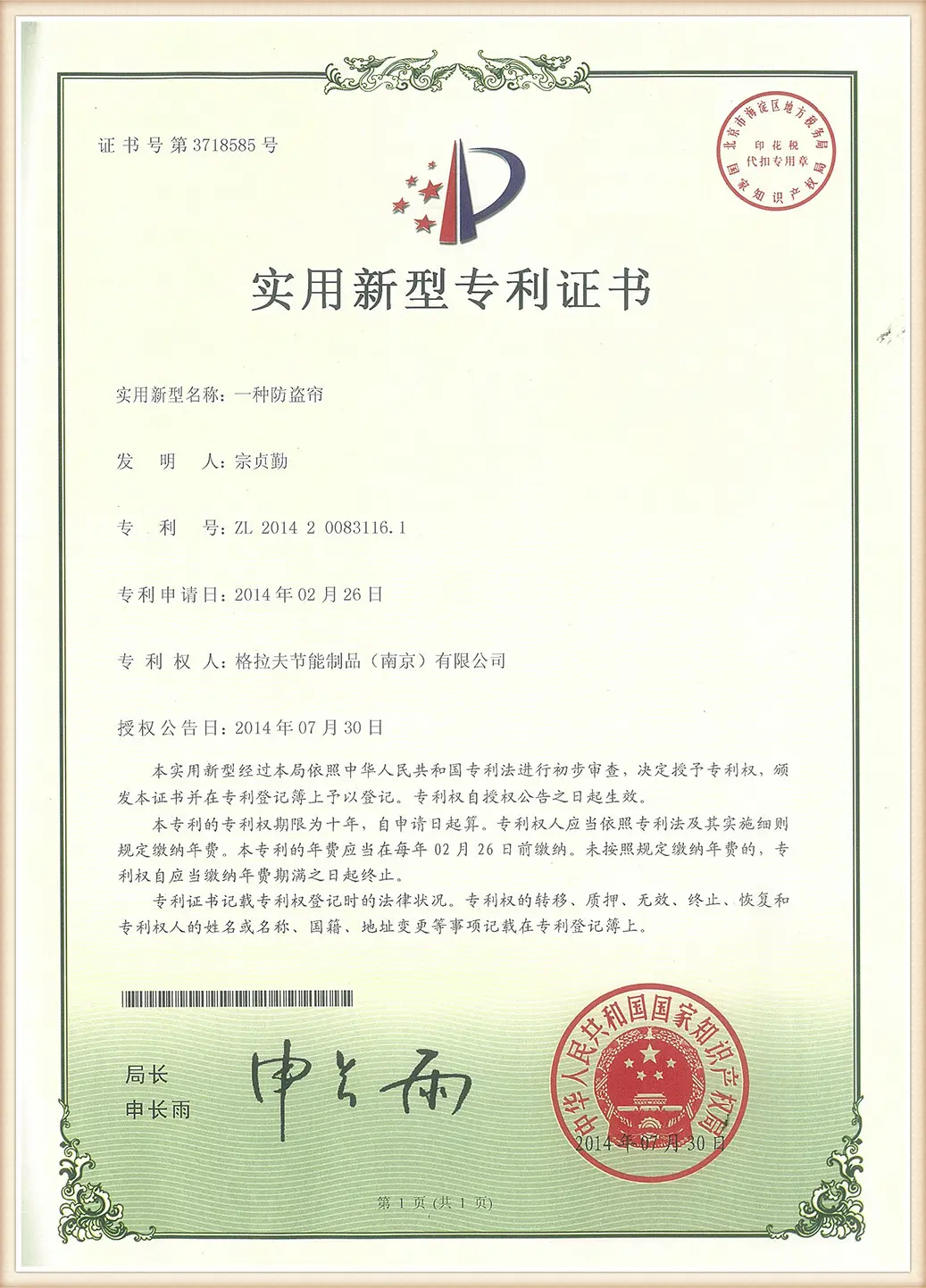
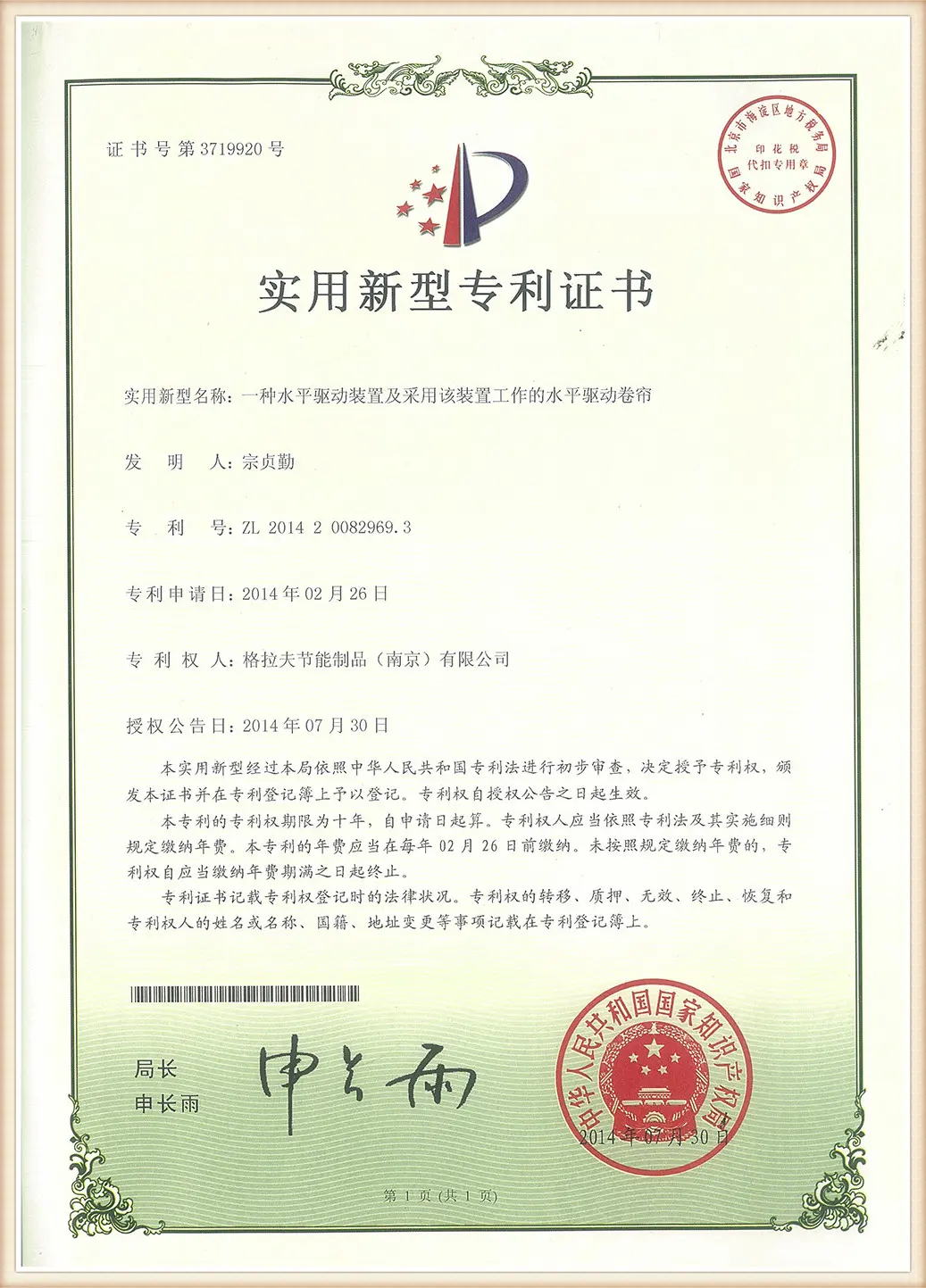
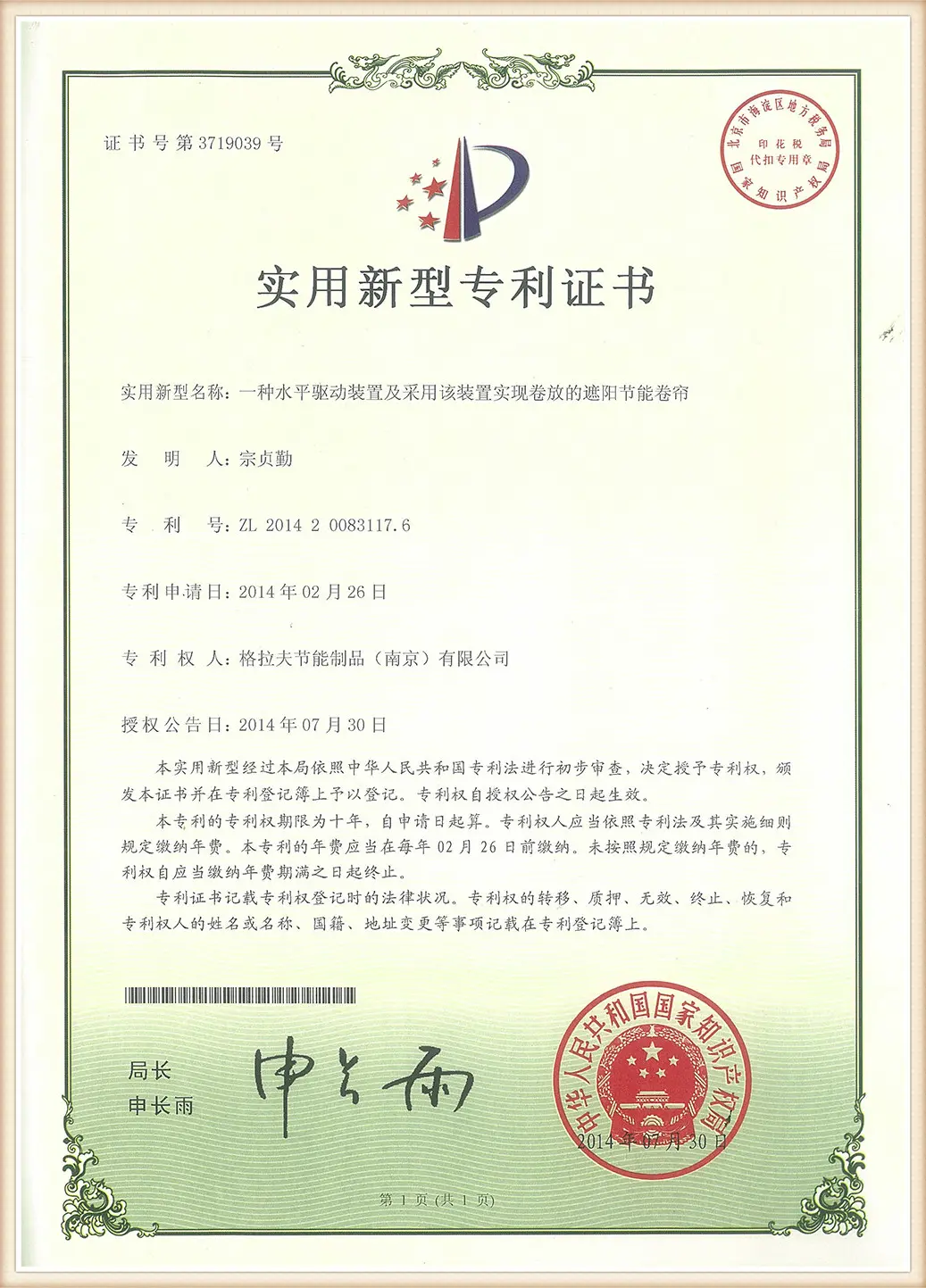
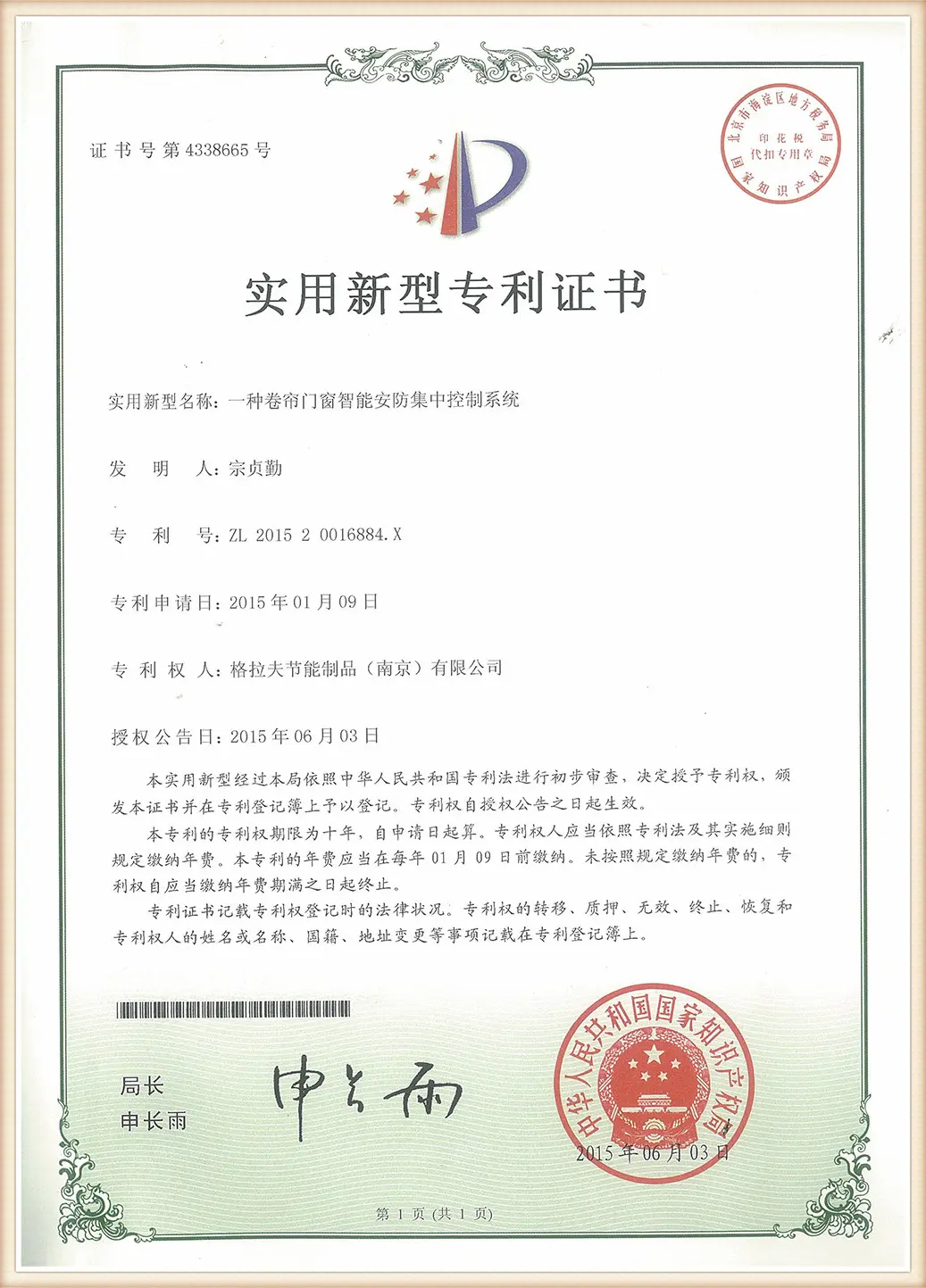
Our manufacturing and engineering practices are backed by global testing authorities, validating structural safety and international performance guidelines.
Keep up with the latest architectural trends, regulatory adjustments, and envelope energy analysis.
Connect with our engineering support team for detailing, structural calculations, and volume pricing adjustments.
 GARRAF