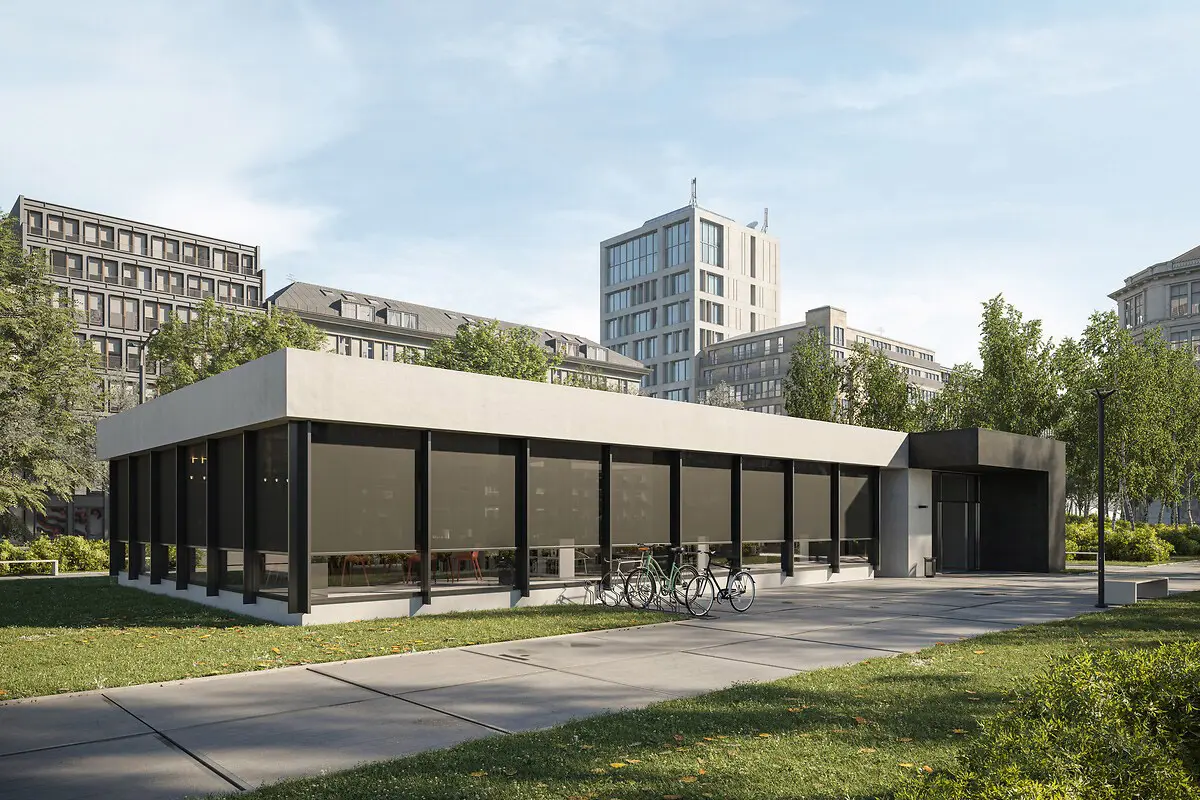
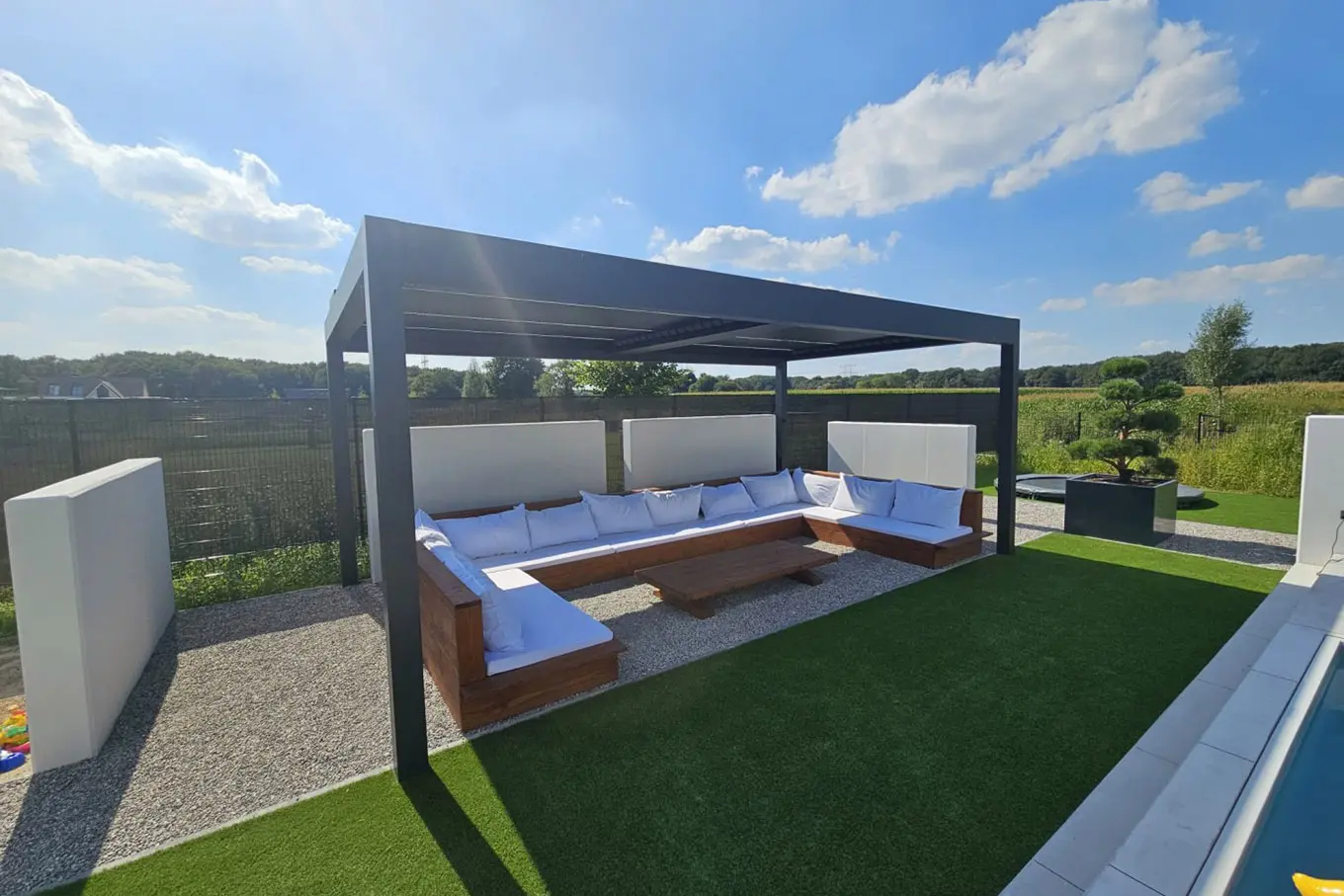
Direct from China's leading certified manufacturing facility. Engineered for structural integrity, energy-efficiency, and modern exterior design.

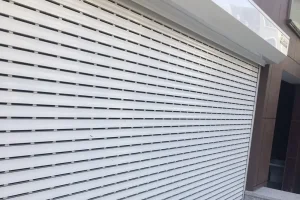
In modern facade engineering, the balance between security, optical transparency, and thermodynamic regulation is a primary objective for commercial developers and structural engineers. Standard solid roller shutters offer excellent physical resistance but block natural light and ventilation, increasing reliance on artificial lighting and mechanical cooling systems. Perforated aluminum roller shutters resolve these challenges by offering engineered physical security alongside active environmental benefits, making them a preferred choice for sustainable building designs.
The architectural facade market has transitioned from heavy, high-maintenance steel assemblies to dynamic, high-strength aluminum systems. This shift is driven by structural lightweighting, corrosion resistance, and precision extrusion technology. Modern perforated profiles feature engineered micro-perforation geometries (varying from 1.5mm to 4.0mm in diameter) designed to achieve specific open area ratios. This geometry permits light transmittance while serving as a resilient barrier against physical impacts and weather events.
Current developments focus on integrating thermal breaks and smart control interfaces. Advanced architectural shutters are no longer passive barriers; they are dynamic components that communicate with Building Management Systems (BMS) to optimize interior climates. By tracking solar angles, these systems adjust shading levels dynamically, contributing to overall building efficiency.
Balances exterior visibility with shading, ensuring retail displays remain visible after hours while maintaining structural protection.
Controls solar heat gain coefficient (SHGC) value. Lowers mechanical cooling loads by reducing solar heat ingress while supporting natural convective air currents.
Equipped with smart tubular motors compatible with RS485, KNX, Zigbee, and automated building management systems.
B2B procurement professionals, real estate developers, and civil contractors require building materials that comply with national safety standards and architectural requirements. Key specifications to consider include:
| Engineering Property | Standard Specification (6063-T5/T6 Grade) | Architectural Benefit / Application |
|---|---|---|
| Alloy Composition | Si: 0.2–0.6%, Mg: 0.45–0.9%, Fe: 0.35% (Max) | Combines high tensile strength with excellent surface finish. |
| Profile Thickness | 0.8 mm – 1.8 mm nominal thickness | Optimized profile weight for smooth operation and durability. |
| Perforation Ratios | 18% – 32% open area options available | Provides visible light transmission while protecting against wind and rain. |
| Wind Resistance | EN 12424 Class 4 (tested up to 120 km/h) | Suitable for installation on high-rise structures and coastal facades. |
| Coating Finish | Qualicoat Class 2 Standard Powder Coating / PVDF Coated | Protects against UV degradation and atmospheric corrosion. |
Perforated aluminum shutters provide functional benefits across multiple building types, addressing specific architectural and operational needs:
Retail Outlets & Shopping Malls: Stores require physical protection after business hours. Perforated shutters allow interior lighting to filter through, displaying merchandise to pedestrians while keeping the premises secure.
Corporate Offices & Public Buildings: Large glazed areas often experience glare and high solar heat gains. Installing external perforated roller shutters reduces solar ingress while allowing occupants to maintain visual connections to the outside and access natural daylight.
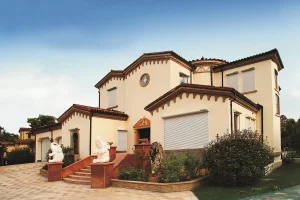
Residential Villa Projects: Homeowners look for solutions that combine privacy, security, and aesthetics. Perforated shutters allow fresh air to flow while keeping insect pests out and providing a modern visual appearance.
Compliance with international manufacturing standards is a key requirement for structural installations. Our manufacturing facility follows strict quality control procedures to ensure compliance with CE Certification (EN 13659), which covers wind resistance, mechanical endurance, and operational safety for external shutters.
Our Quality Assurance process includes:
Contractors, designers, wholesalers, distributors, vendors, agents as well as end users. Our manufacturing line supports customized engineering orders worldwide.
Future facade technologies aim to integrate energy-harvesting and AI-driven control systems into building envelopes. Thin-film photovoltaic materials are being tested for application onto external roller shutter slats, transforming building shading assemblies into functional solar power generators (BIPV - Building Integrated Photovoltaics).
Furthermore, local control systems are evolving. Using environmental APIs, dynamic shading networks adjust shutter angles based on weather forecasts, daylight availability, and occupancy patterns. Incorporating high-recycled-content aluminum alloys also helps developers meet green building requirements like LEED and BREEAM certifications.
High-efficiency production capabilities meeting international standards for commercial and residential projects.
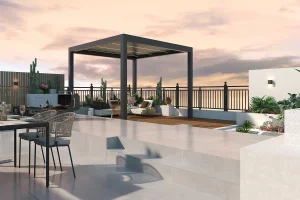
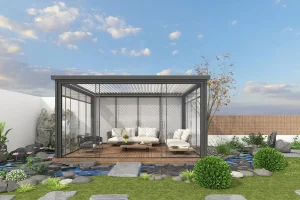
Innovative aluminum structures designed to connect indoor and outdoor spaces while providing high durability and ease of use.

Over the past 20 years, our company has built a global reputation for quality. Our products are exported to over 70 countries, helping our clients successfully deliver key construction projects.
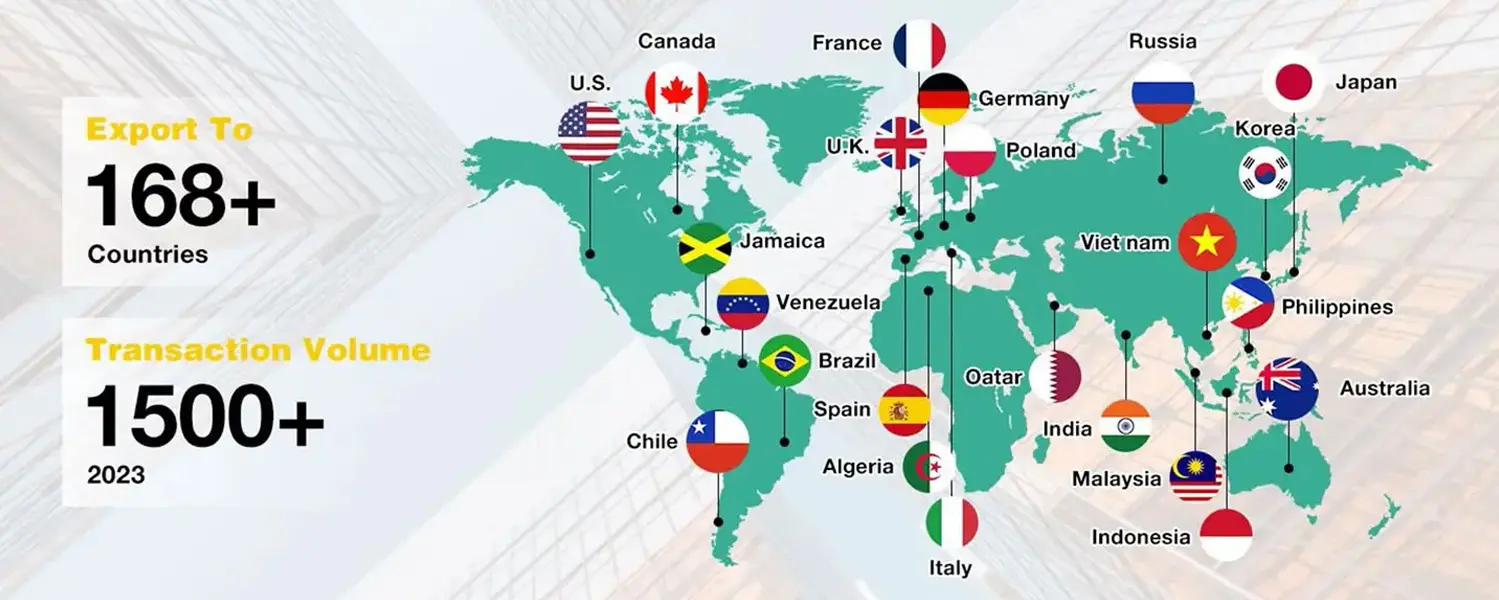
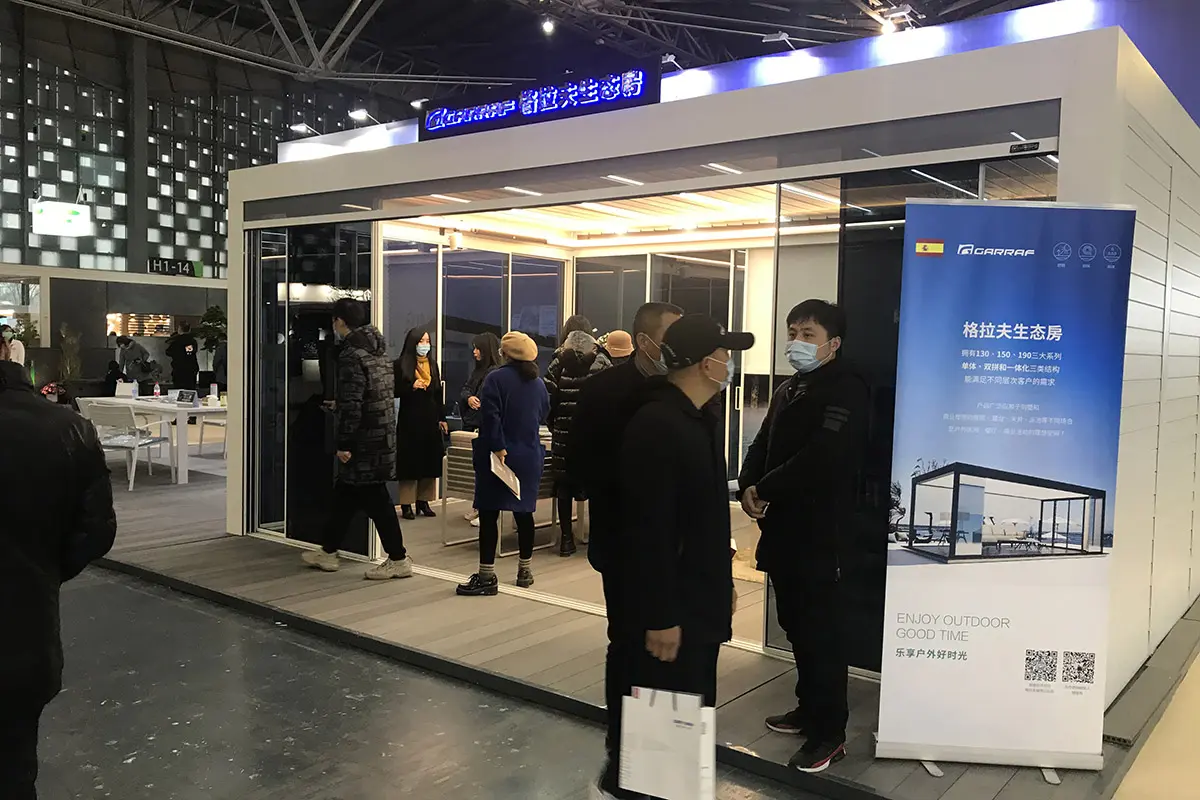
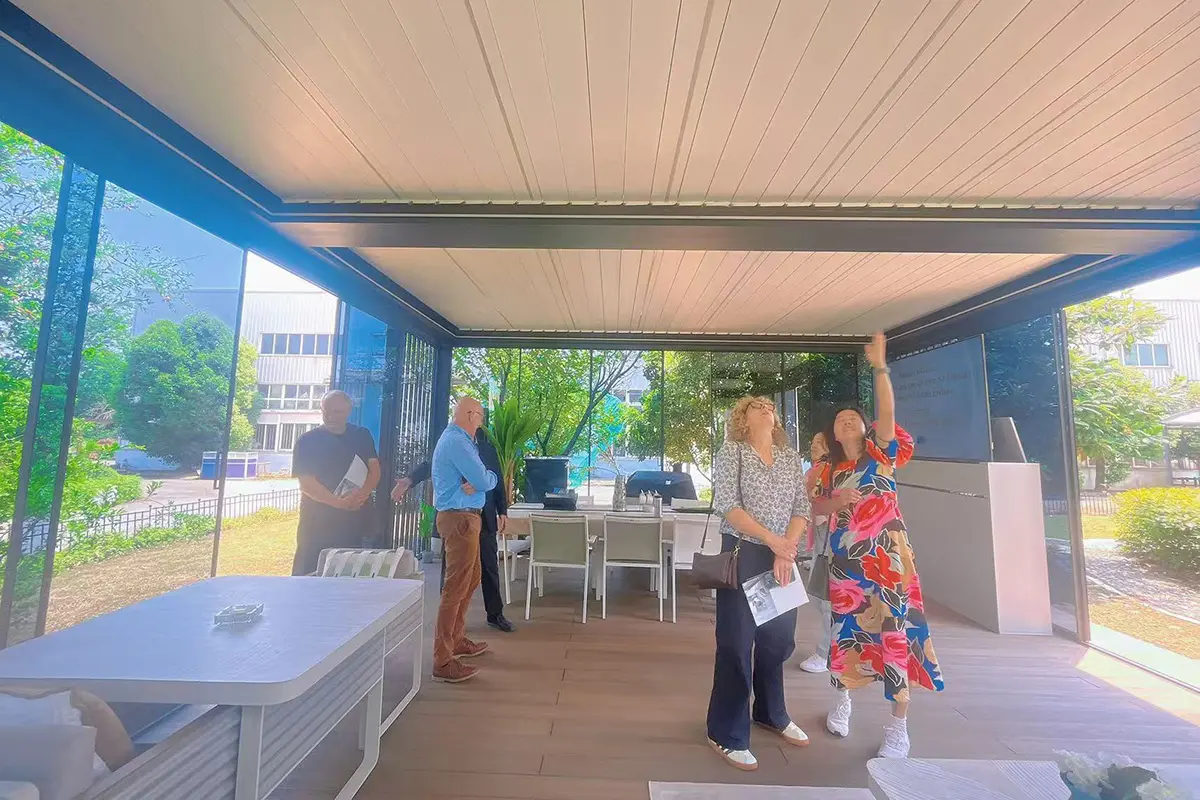
Clients visit our exhibition booths and production facilities to inspect our products, discuss engineering requirements, and verify our quality standards.
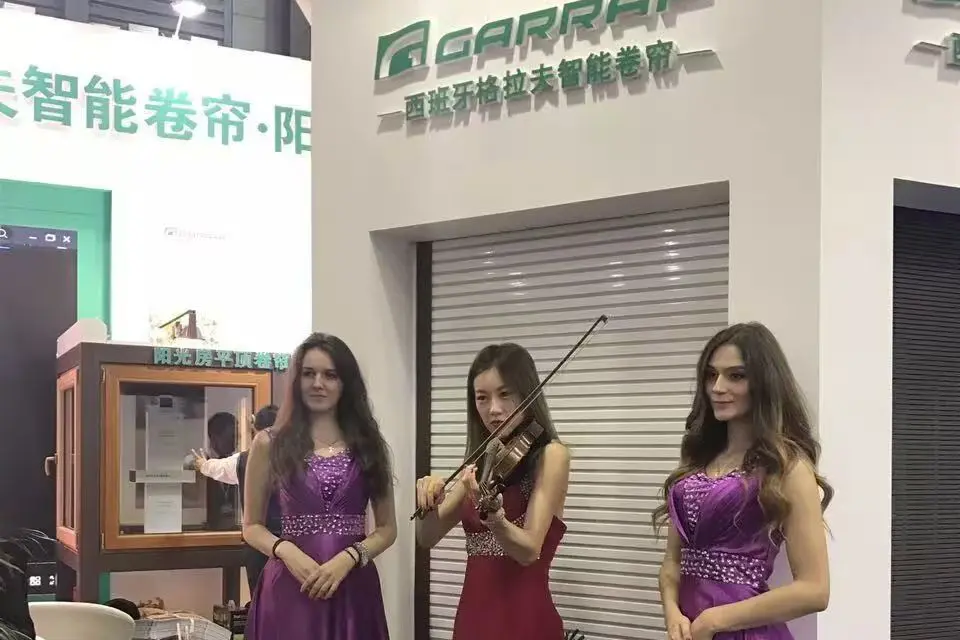
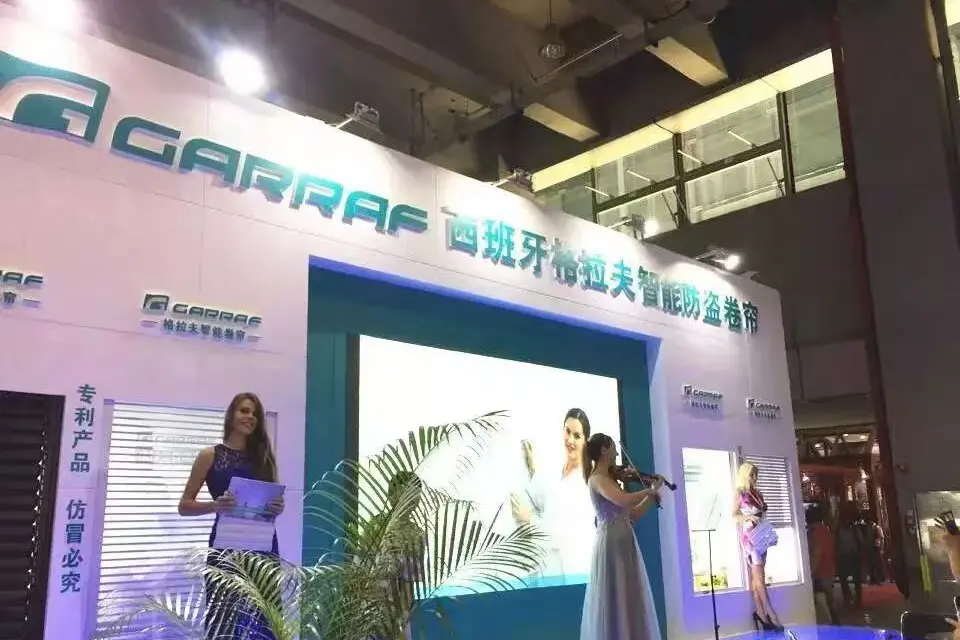
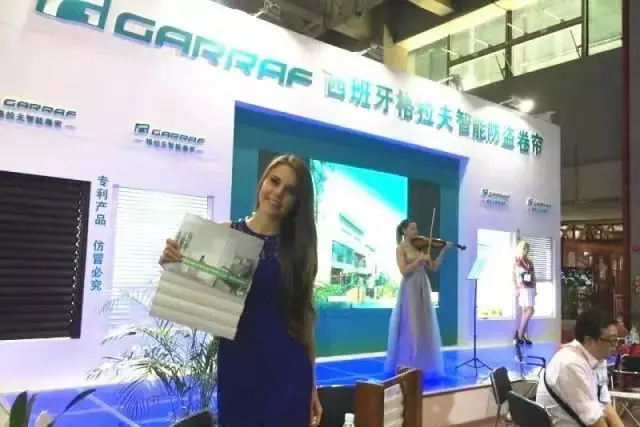
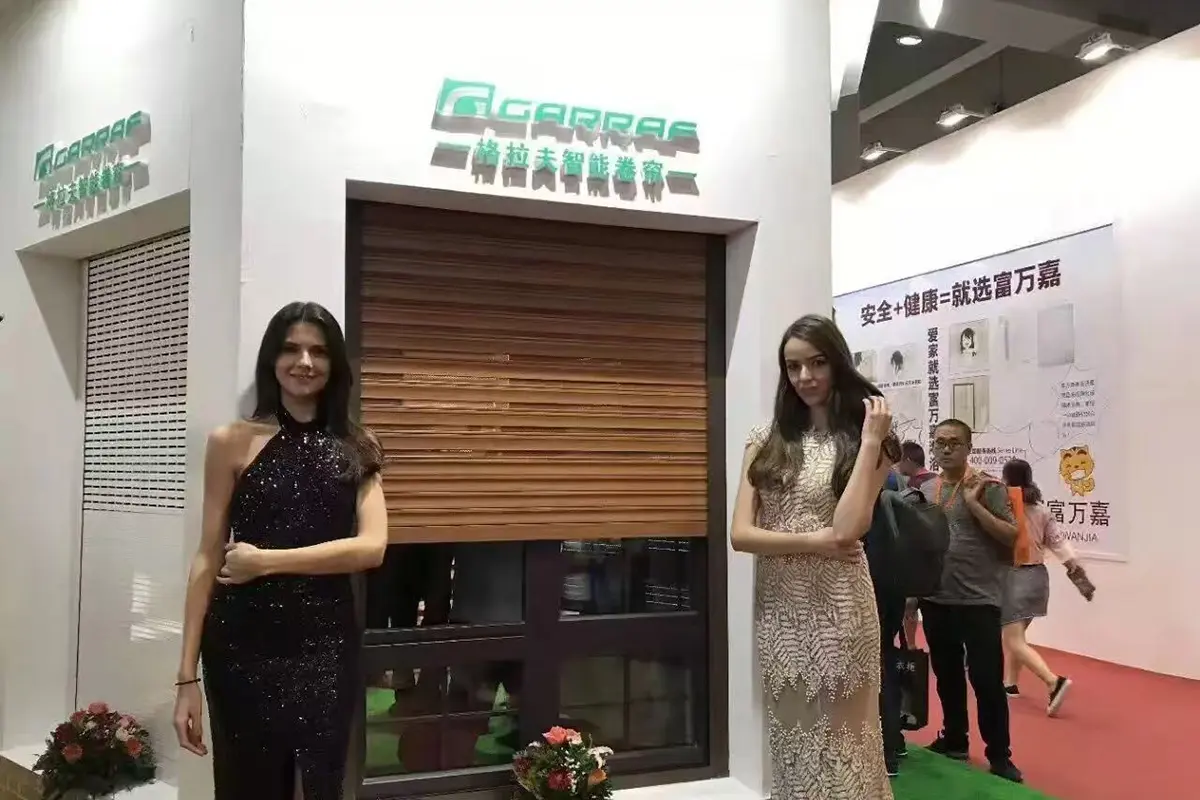
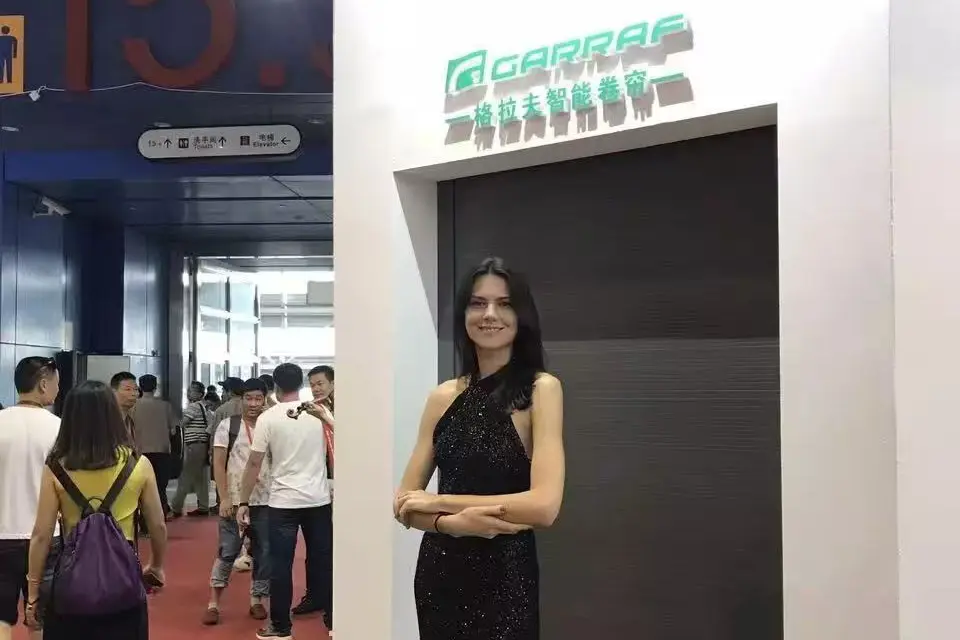

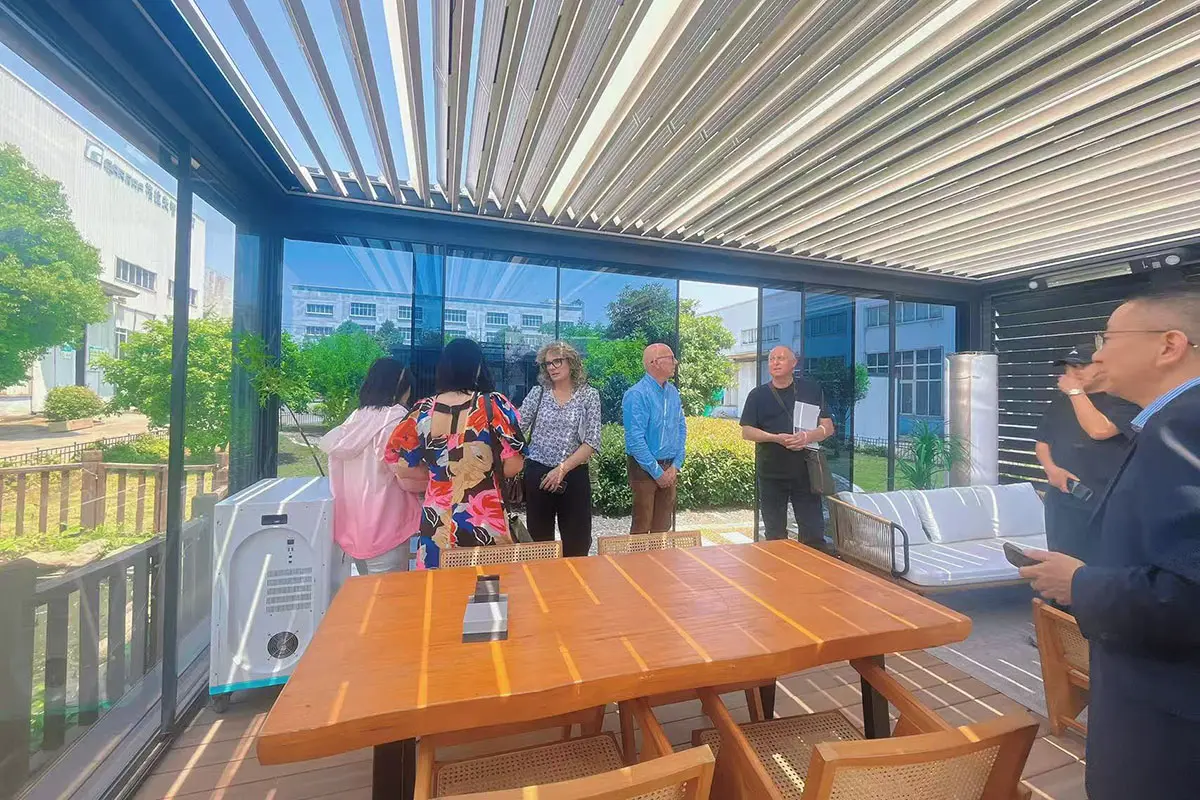
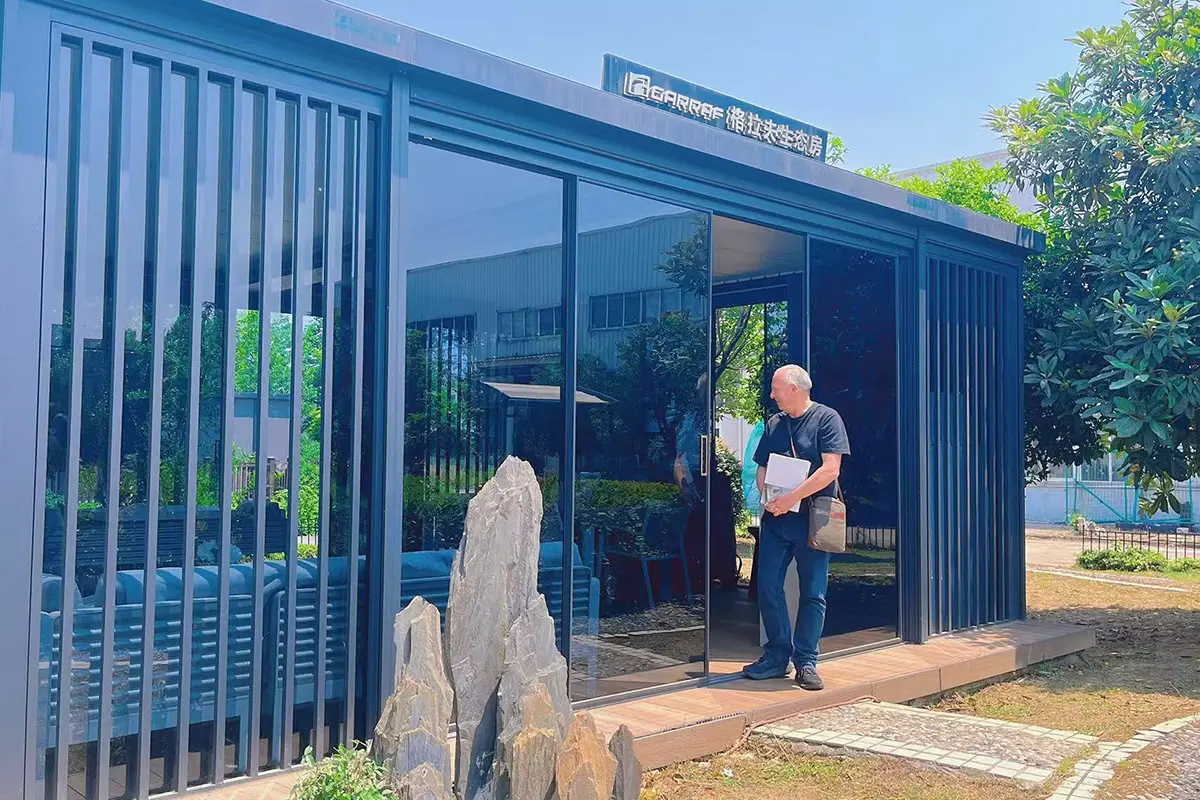
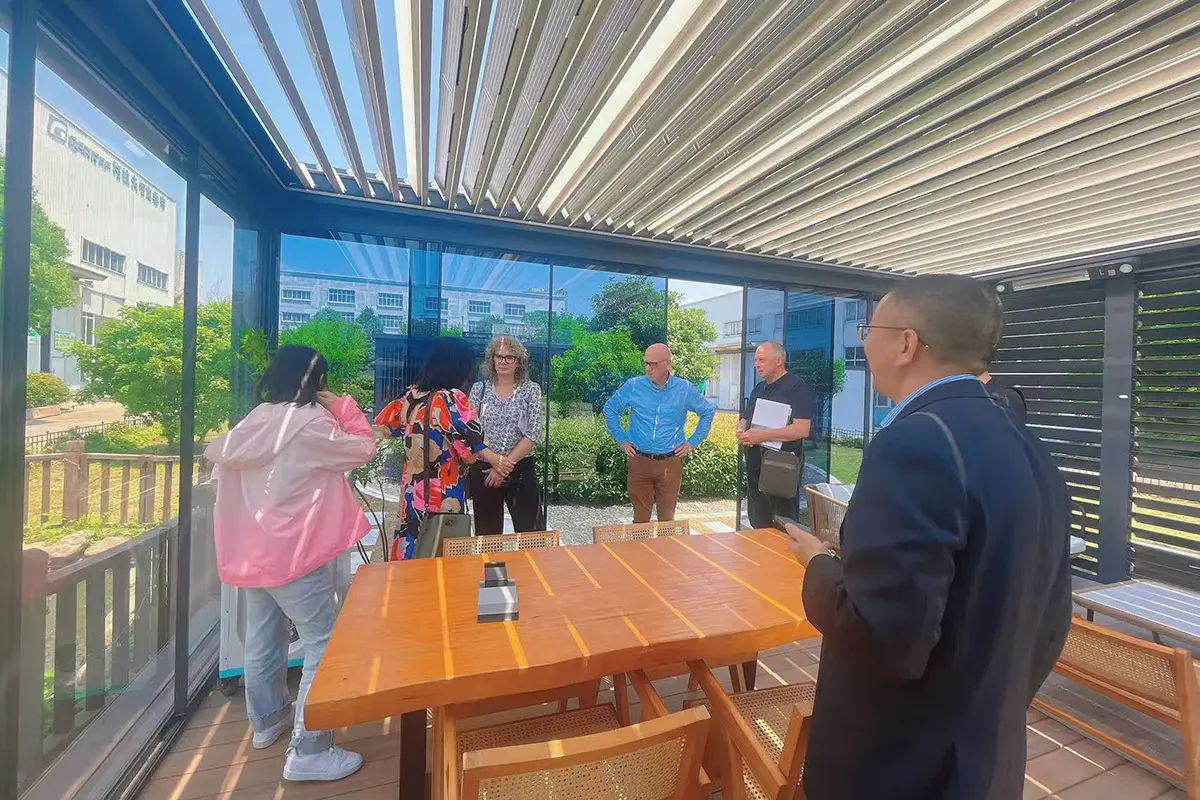
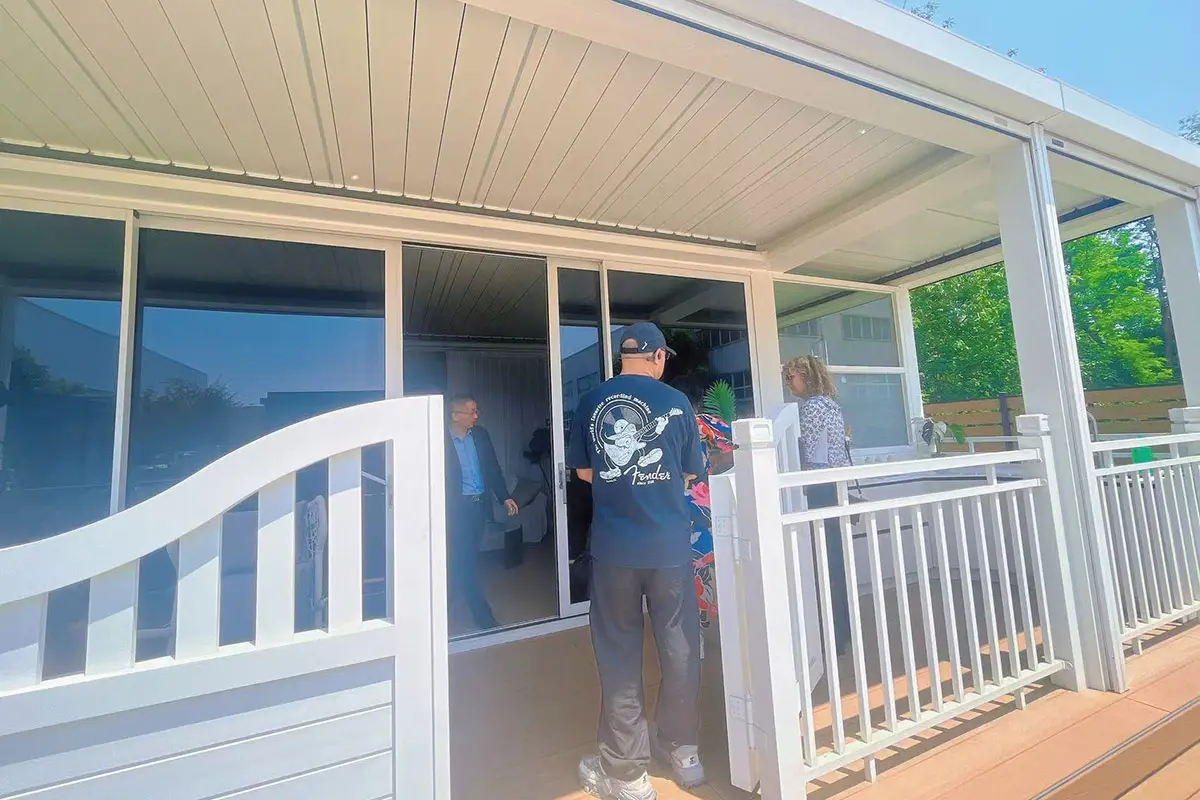
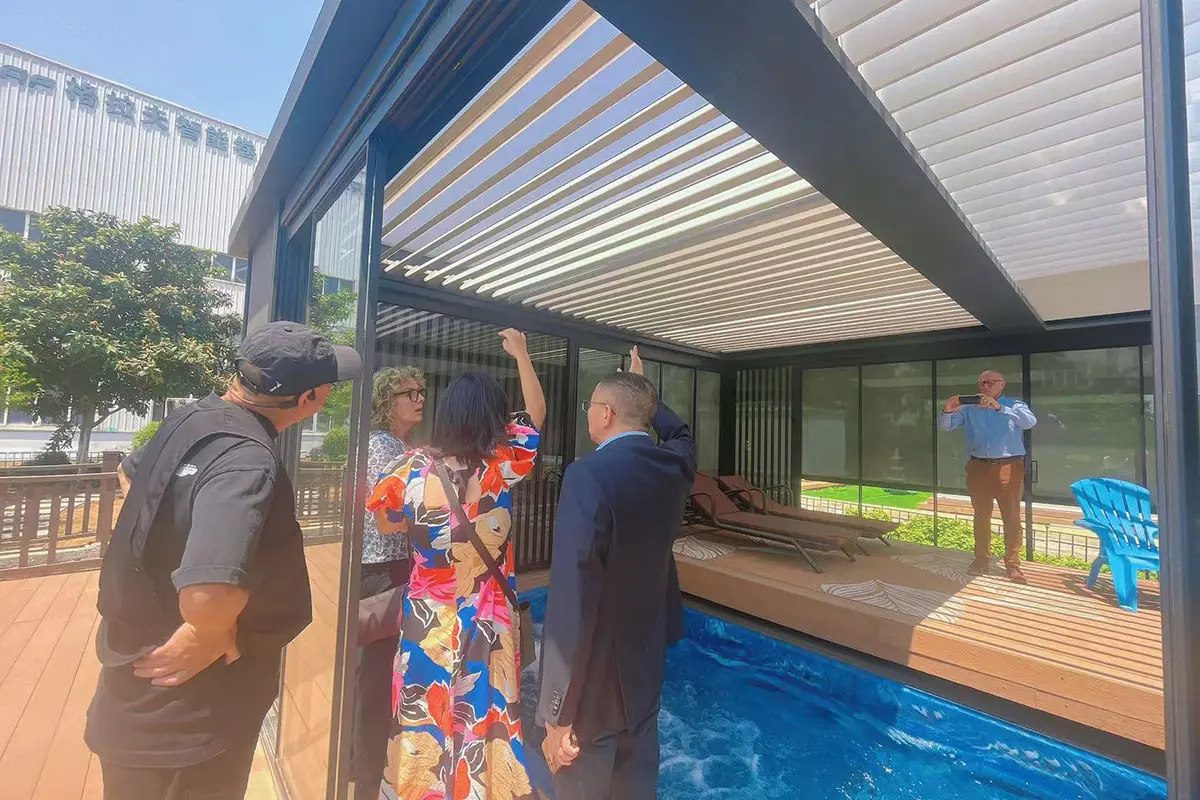
Specializing in the research, development, and production of four major climate-resilient production lines.

OEM & ODM services customized to match your architectural requirements.

20-30 days production lead times support project schedules.

Worldwide shipping options ensure safe and timely delivery.

Dedicated engineering support for installation and system integration.
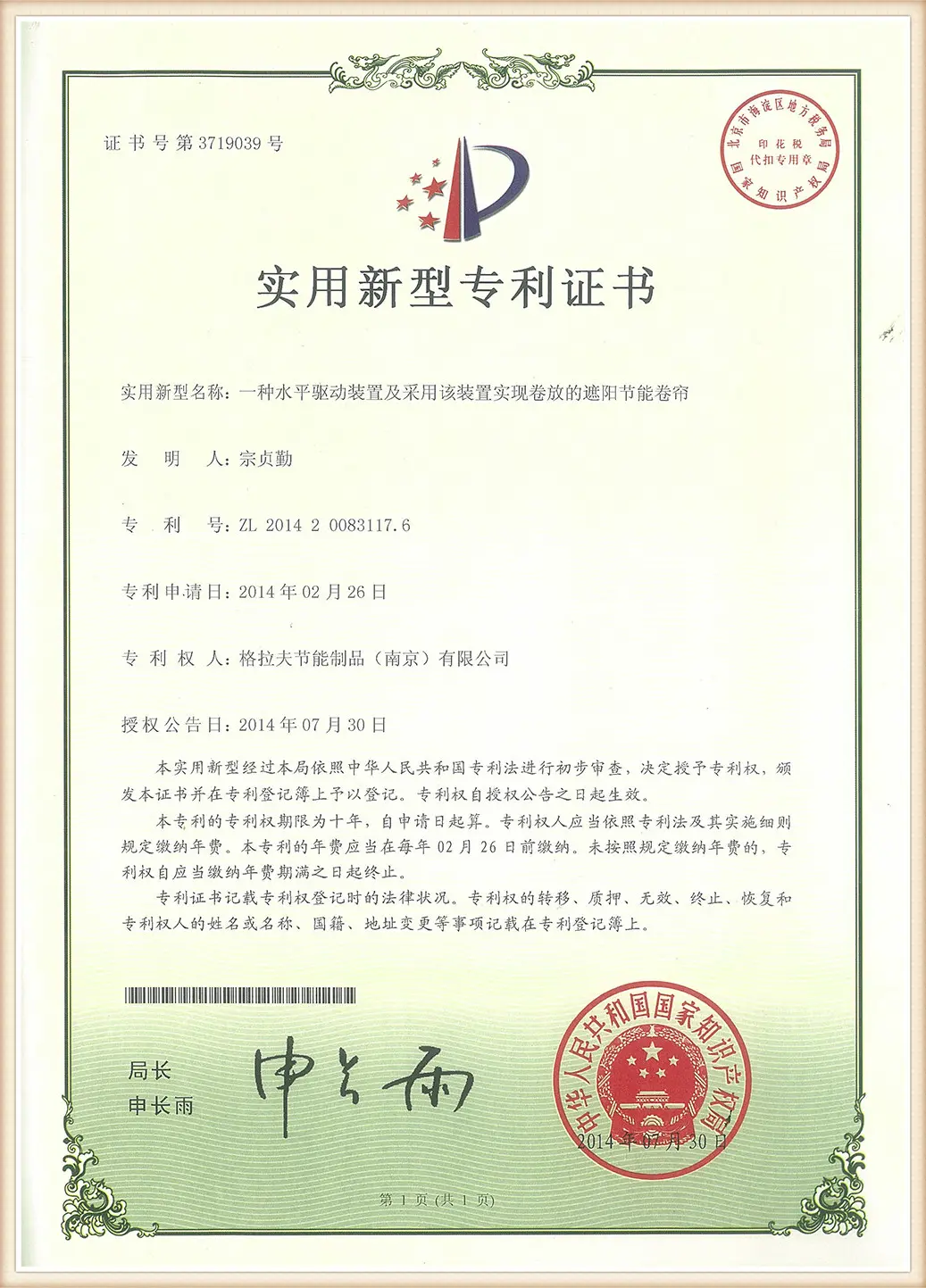
Our manufacturing facility is ISO 9001 and CE certified, holding over 100 patents for design and structural performance.
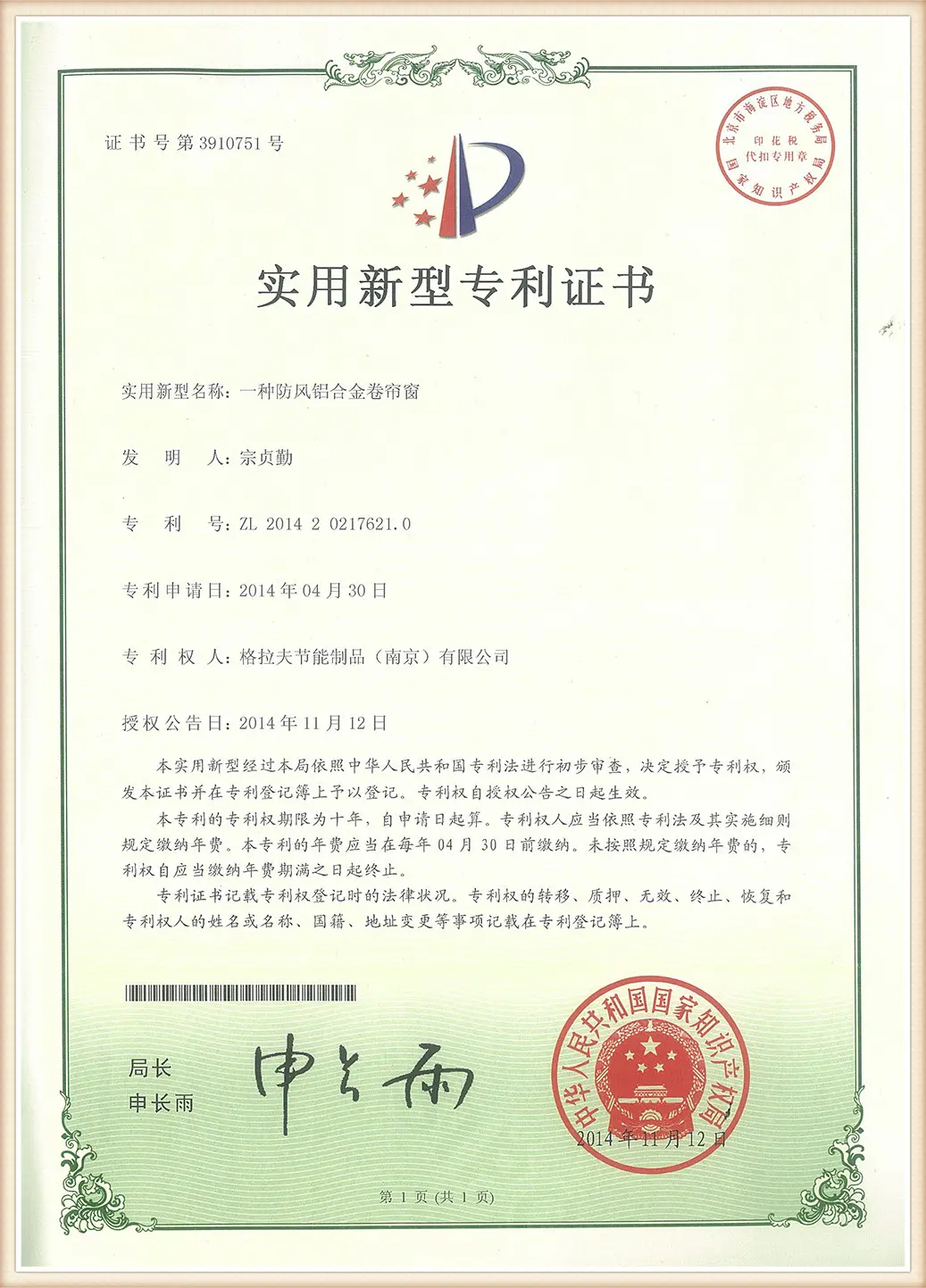
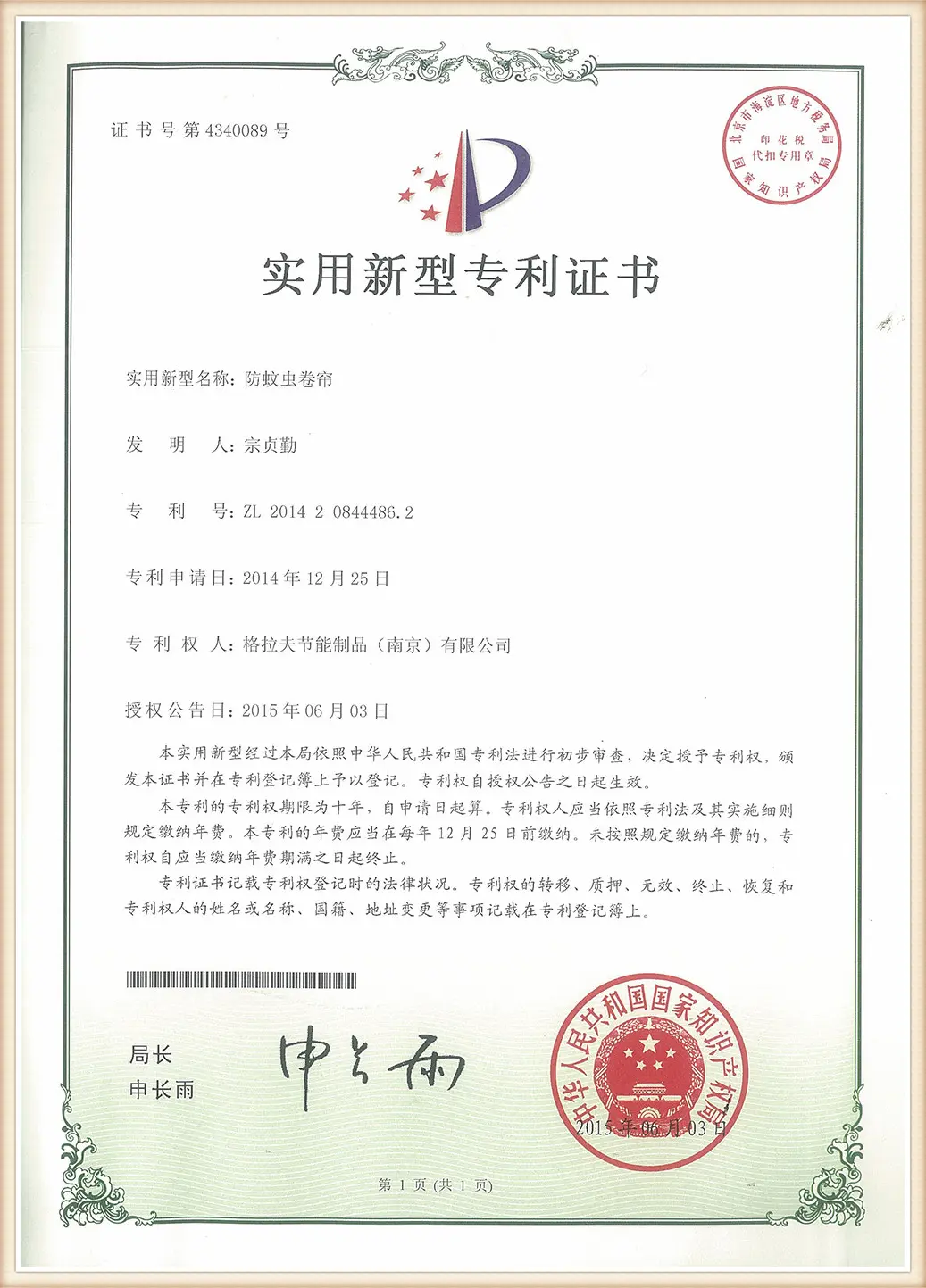
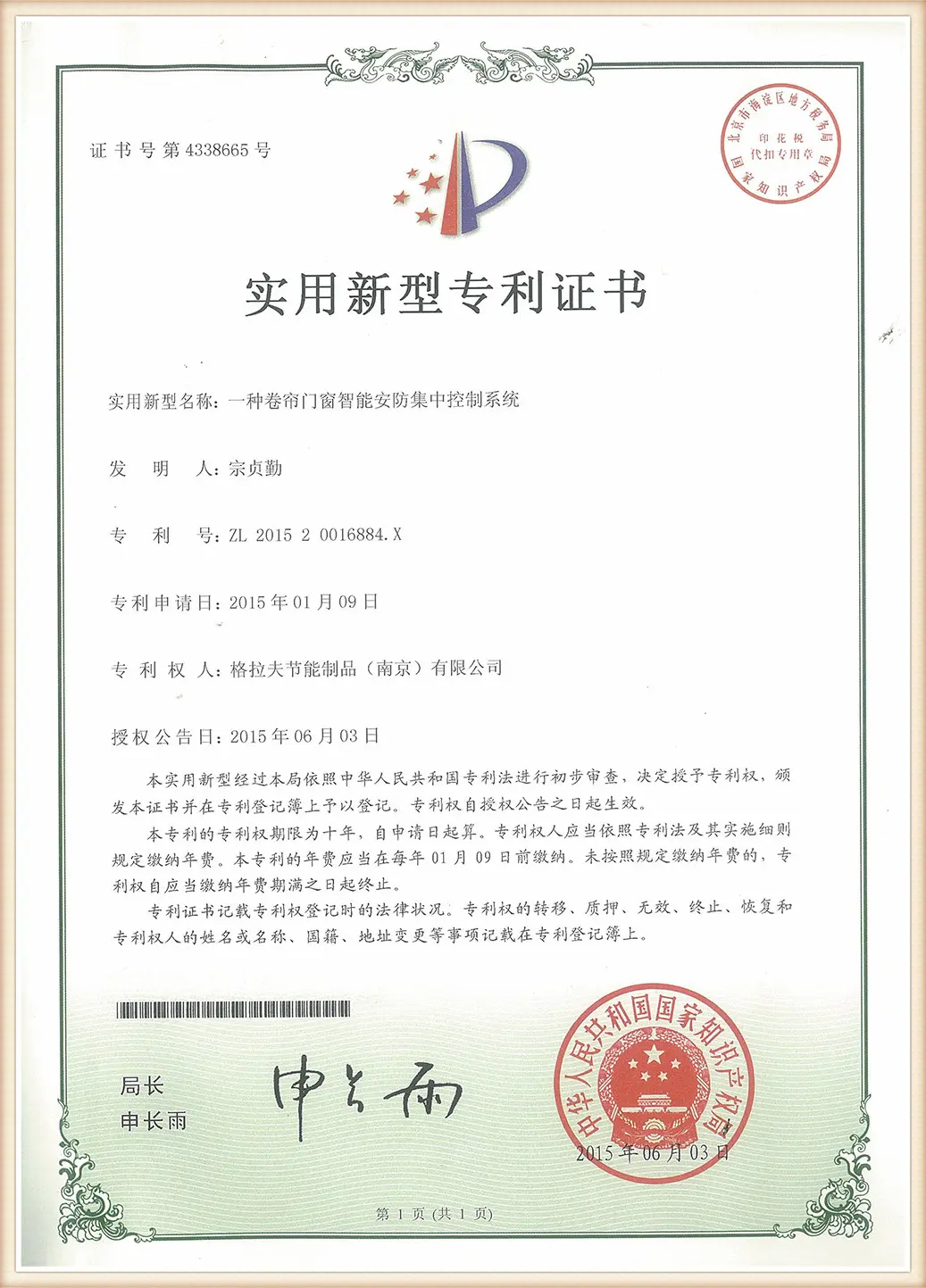
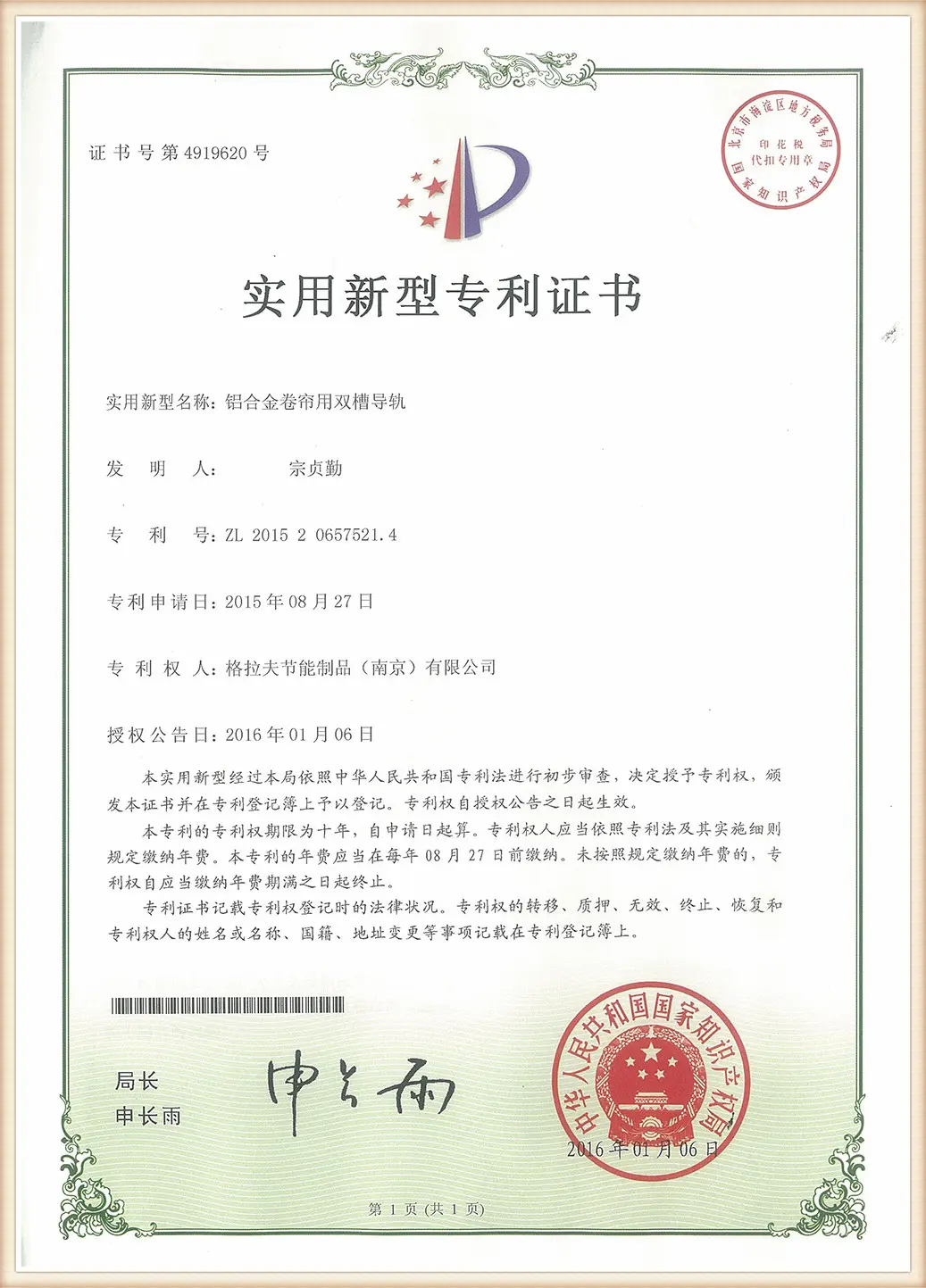
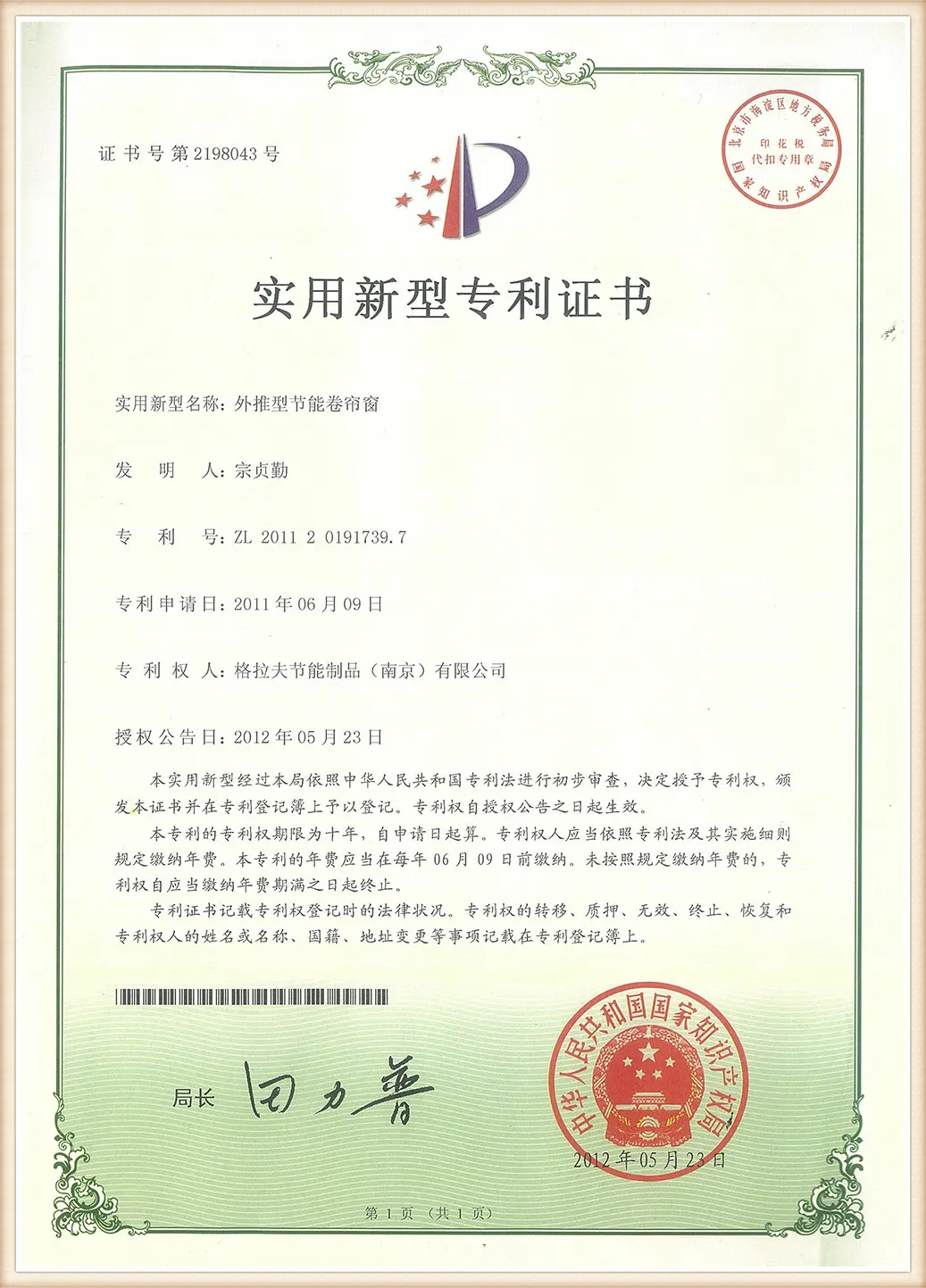
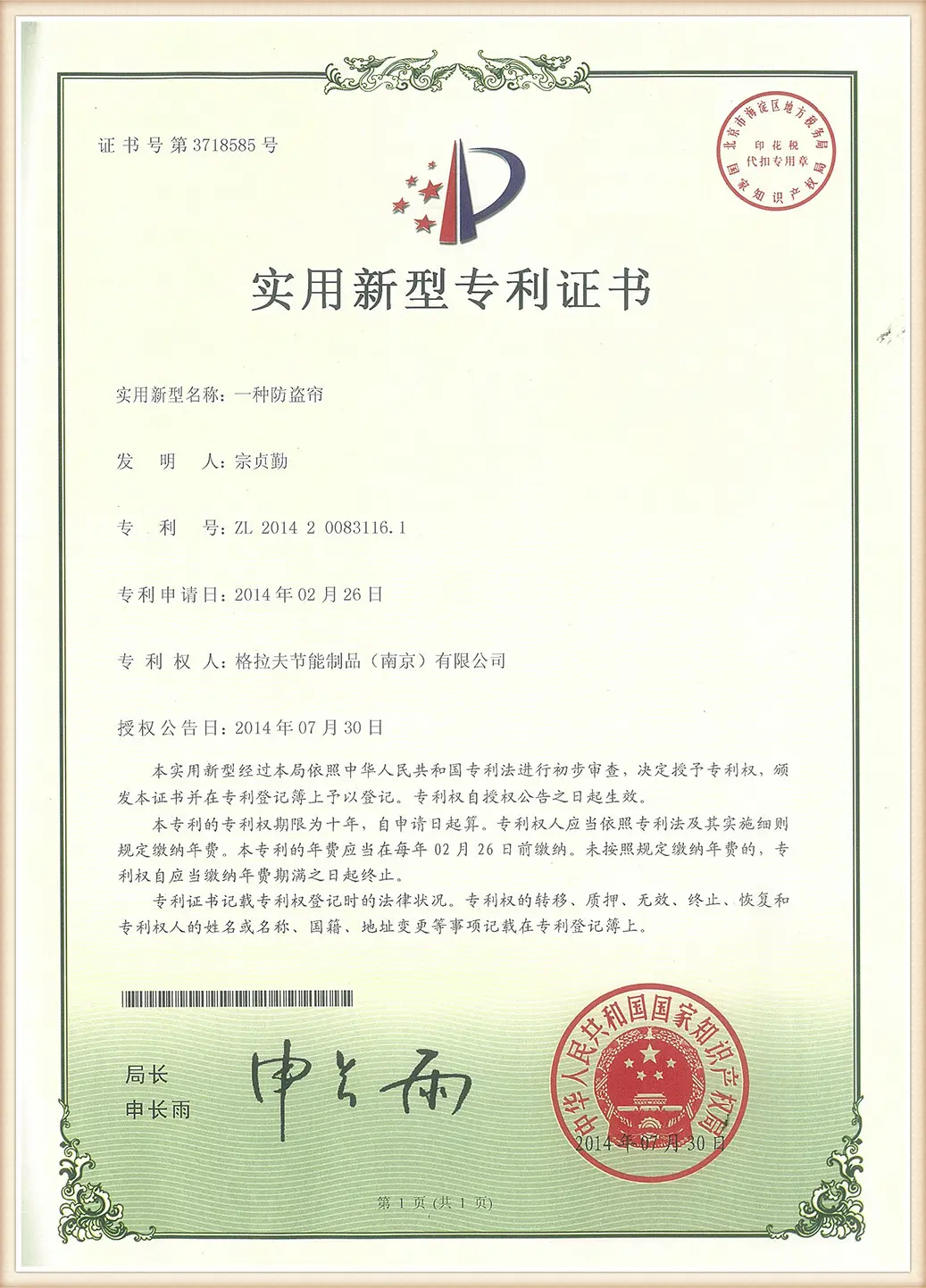
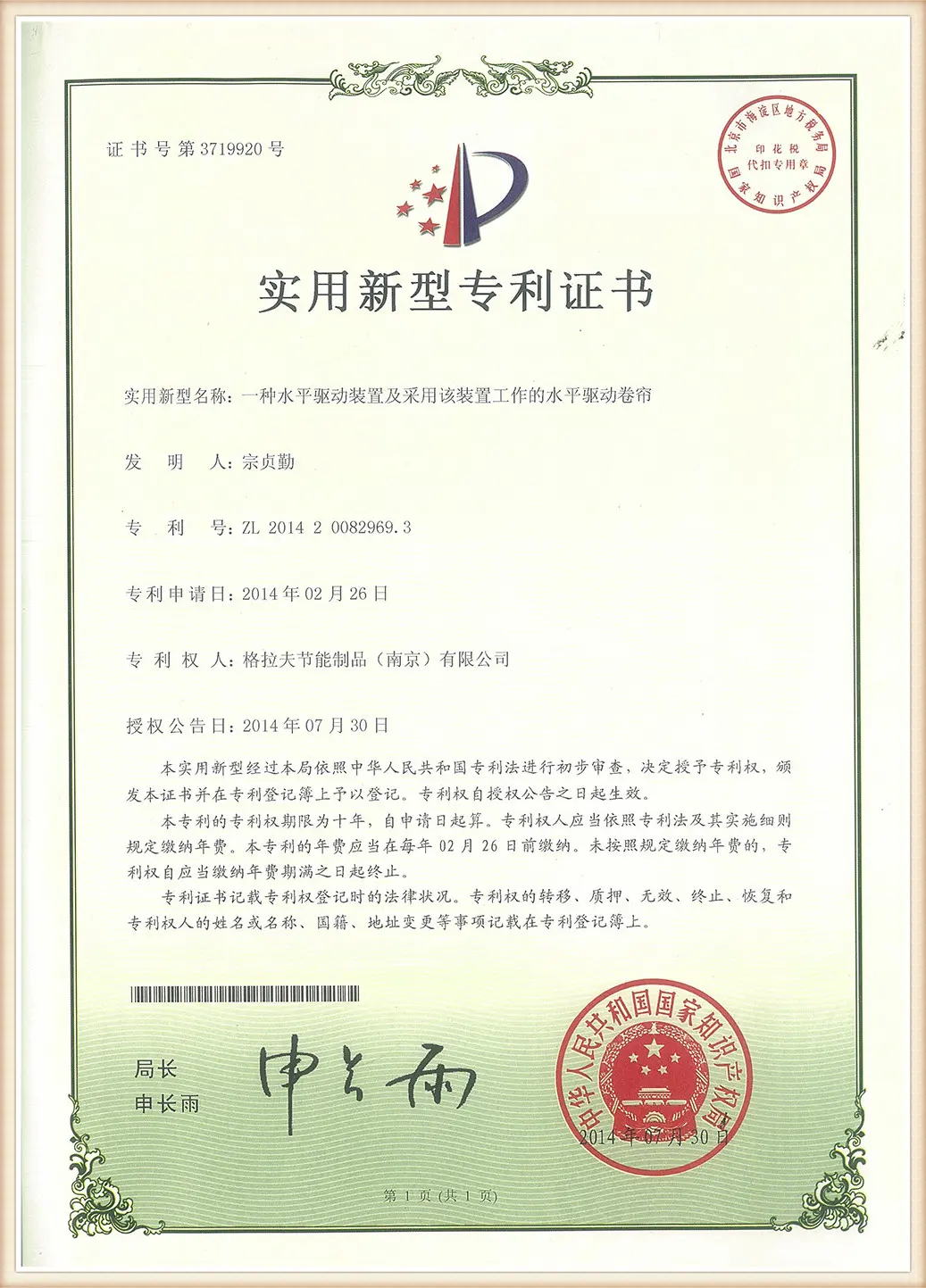
We work with international distributors, construction contractors, and architects to deliver successful projects.

Technical answers to common questions about perforated aluminum roller shutters and architectural specifications.
CE Certification under EN 13659 is mandatory for external shutters sold in the European Economic Area. This standard defines performance requirements, including wind load resistance, mechanical endurance, and operational safety. Working with a CE-certified manufacturer ensures that your installation meets these safety and structural compliance standards.
The open area ratio (typically between 18% and 32%) balances solar heat gain control with natural daylighting. By reducing direct solar radiation (solar heat gain coefficient, or SHGC), these shutters help lower summer mechanical cooling loads while maintaining ventilation and views to the outside.
Yes. Extruded 6063-T5/T6 aluminum profiles provide high structural strength, meeting EN 12424 wind resistance requirements up to Class 4 or 5. For coastal areas, we apply Qualicoat Class 2 standard powder coatings or PVDF finishes to protect the metal from marine salt spray and oxidation.
6063-T5 is a structural alloy featuring magnesium and silicon. It undergoes a thermal precipitation hardening process that increases its yield and tensile strength compared to standard grades. This ensures that the shutter slats resist deflection and mechanical fatigue under wind loads or physical impacts.
Yes. Our motorized shutters use controllers compatible with standard automation protocols, including dry contact, RS485 serial communication, KNX, Zigbee, and Z-Wave. This allows them to integrate into centralized Building Management Systems (BMS) for automated building control.
We offer full OEM and ODM customization services. This includes adjusting slat profile dimensions, custom perforation diameters, specific open-area ratios, RAL color matching, and custom guide-rail systems to meet the engineering requirements of your project.
Insights into building trends, energy efficiency codes, and global structural security developments.
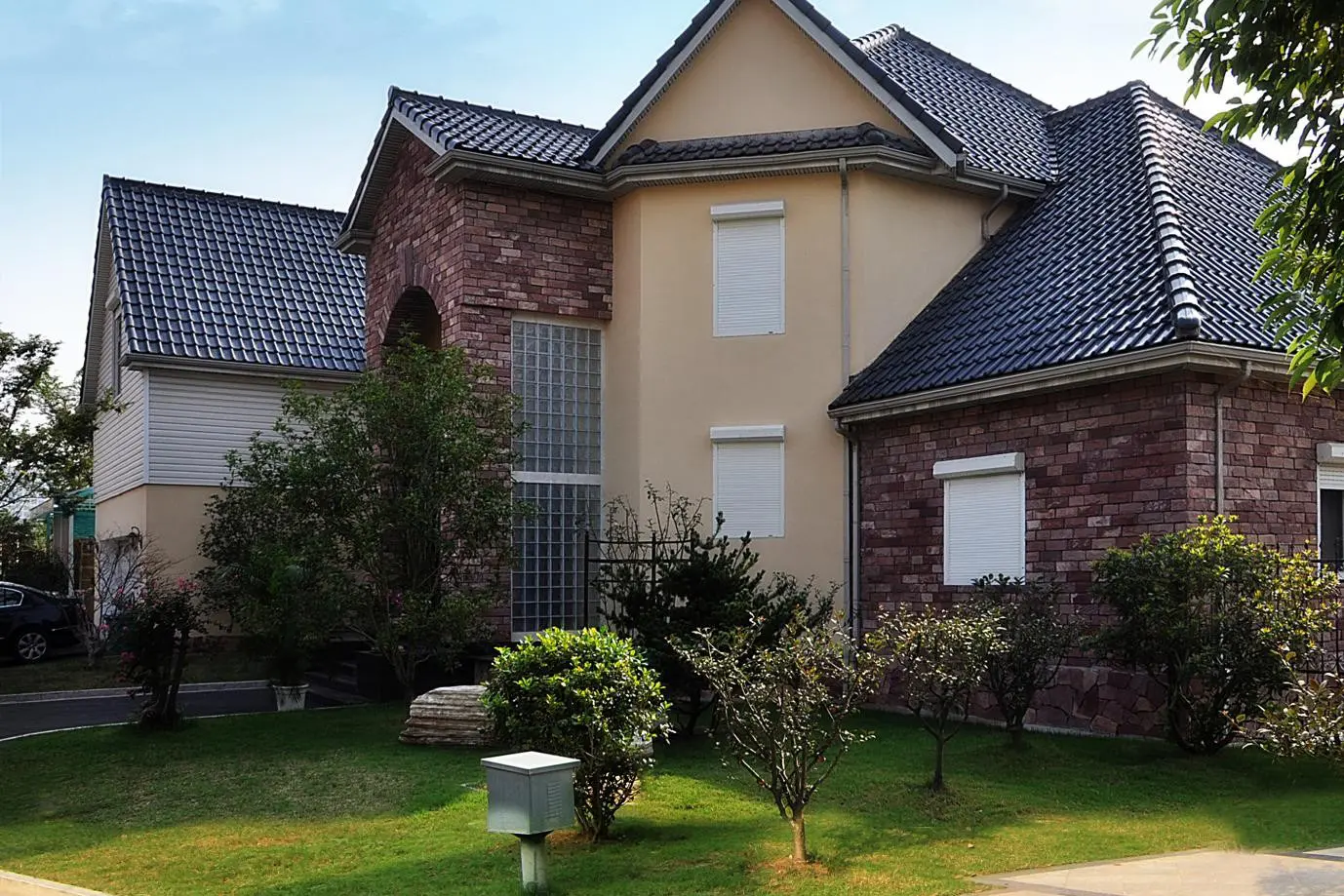
Rising demands for storm protection and building security drive the installation of heavy-duty wind-load rated aluminum shutters across commercial developments.
Submit your project specifications to receive a technical quote within 24 hours.
Explore our full range of manufactured components, from insulated roller shutters to smart outdoor sunshade pergolas.
 GARRAF