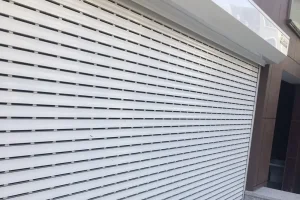
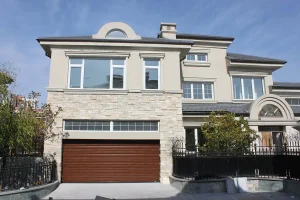
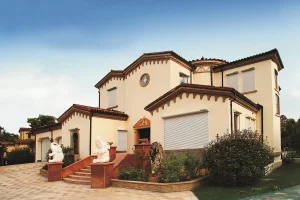
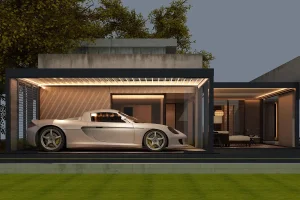
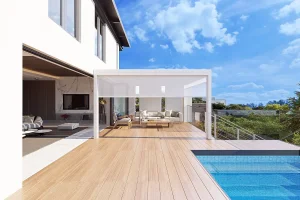
Premium structural engineering designed to withstand violent intrusion attempts, extreme temperatures, and coastal salt loads.
Canada’s diverse geography demands building envelopes that are both extremely secure and thermal-efficient. Across commercial transport hubs in Ontario, logistics centers in British Columbia, and luxury residential areas in Alberta, garage doors must serve as secure protective barriers. As property crime risks increase and severe sub-zero winters persist, traditional wood or standard thin steel garage doors are being replaced by advanced structural aluminum systems.
In municipal centers like Vancouver, Calgary, and Toronto, building inspectors and structural engineers now enforce stricter compliance with the National Building Code of Canada (NBC). This framework demands high wind-load ratings to withstand Atlantic and Pacific winter storms, as well as strict thermal resistance (U-factor limits) to prevent energy loss in commercial and residential facilities.
SEO Information Gain Insight: Unlike standard steel doors that are prone to rust from winter road salt (calcium chloride and sodium chloride) used in Canadian provinces, extruded 6063-T6 aluminum offers naturally superior corrosion resistance. This makes it the ideal material for high-humidity coastal zones and salt-heavy urban roads.
Furthermore, Canada’s architectural trends are prioritizing modern aesthetics with large glazing elements or bold, clean lines. Our premium aluminum garage doors meet this design shift by allowing custom powder-coated finishes, integrated insulated window profiles, and high strength-to-weight ratios that support large architectural openings without overloading motor gearboxes.
The global market for secure aluminum building closures is shifting toward automated, smart-integrated, and climate-resilient designs. As European and North American building codes tighten energy efficiency targets (such as Net-Zero Building initiatives), the manufacturing sector is responding with deep-fill polyurethane cores, thermal break profiles, and automated smart-grid integrations.
From a manufacturing standpoint, China remains the leading producer of high-grade architectural aluminum. By leveraging advanced extrusion technologies, automated powder-coating lines, and strict quality control processes (such as CE and ISO 9001 certifications), Chinese manufacturers provide global markets with high-performance security products at competitive price points.
To understand the high structural value of our anti-theft aluminum garage doors, compare our engineering metrics to conventional materials:
| Performance Metric | Extruded Aluminum (6063-T6) | Standard Galvanized Steel | Premium Hardwood Systems |
|---|---|---|---|
| Tensile Strength | High (Up to 220 MPa) | Medium (150-180 MPa) | Low (Anisotropic / Variable) |
| Corrosion Resistance | Outstanding (Self-passivating oxide) | Low (Subject to red rust when scratched) | Poor (Rot, warp, and mold prone) |
| Thermal Efficiency | Excellent (With polyurethane core & breaks) | Moderate (High thermal bridging) | Moderate (Natural fiber insulation) |
| Anti-Forceful Intrusion | Class RC3 / RC4 certified design | Class RC2 (Prone to crowbar buckling) | Highly vulnerable to tools/saws |
| Weight & Motor Longevity | Lightweight (Reduces motor stress) | Heavy (Increases mechanical wear) | Extremely heavy (High wear on springs) |
Our GRF38 and GRF77 heavy-duty series are designed to provide physical security and thermal protection. Standard residential doors can be compromised in minutes using basic hand tools; our anti-theft systems are engineered to resist sustained forced entry attempts, meeting the European standard EN 1627 Class RC3.
In regions like the Northwest Territories, Alberta, or Quebec, winter temperatures can drop below -40°C. To maintain building envelope performance, our aluminum profiles feature a high-density, CFC-free polyurethane foam core (up to 60 kg/m³ density). This layer reduces heat transfer and provides excellent soundproofing against howling winter winds and street noise.
We incorporate dual-durometer EPDM rubber seals along the bottom, sides, and top lintel of our garage doors. This ensures the door remains flexible in freezing temperatures, preventing ice from sticking to the threshold and maintaining a clean, weather-tight seal.
Get a custom CAD layout and thermal efficiency calculation tailored for Canadian engineering standards.
Consult with our Engineering TeamDifferent Canadian sectors require specialized configurations of our high-strength aluminum garage doors. We tailor our engineering to match the exact needs of local environments:
Modern building project management requires seamless integration between physical security fixtures and automation systems. Our secure garage doors are engineered to connect with modern smart building setups and industrial control systems.
Our heavy-duty garage doors can be integrated with commercial access control platforms, including RFID scanners, license plate recognition (LPR) cameras, and mobile-app controllers. Using standard dry-contact relays or advanced RS485 communication protocols, security teams can monitor door status (open, closed, locked) in real-time from central security desks.
To meet safety standards like UL 325 and Canadian electrical regulations, all our automated systems feature built-in safety controls:
For over 15 years, we have provided high-quality intelligent home and industrial solutions globally.
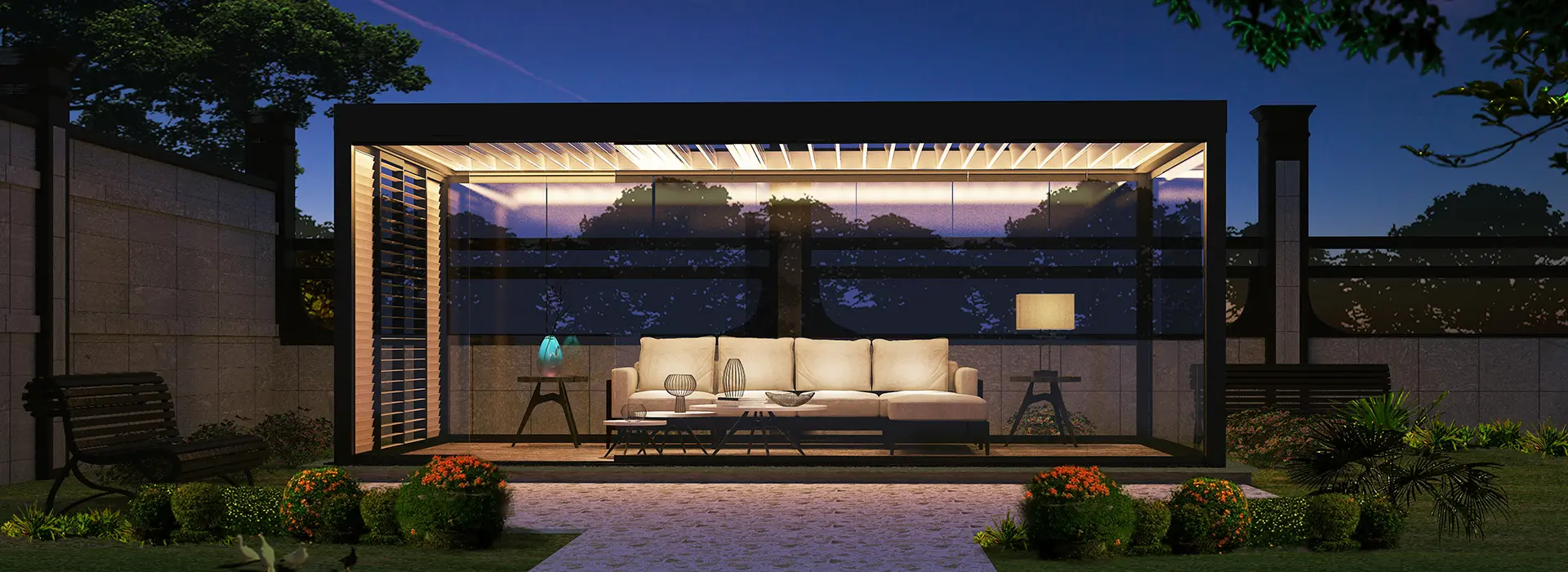
We provide full OEM and ODM customization services for our aluminum garage doors and roller shutters. From architectural plans to prototype testing and packaging, our engineering team helps design solutions tailored to your project requirements.
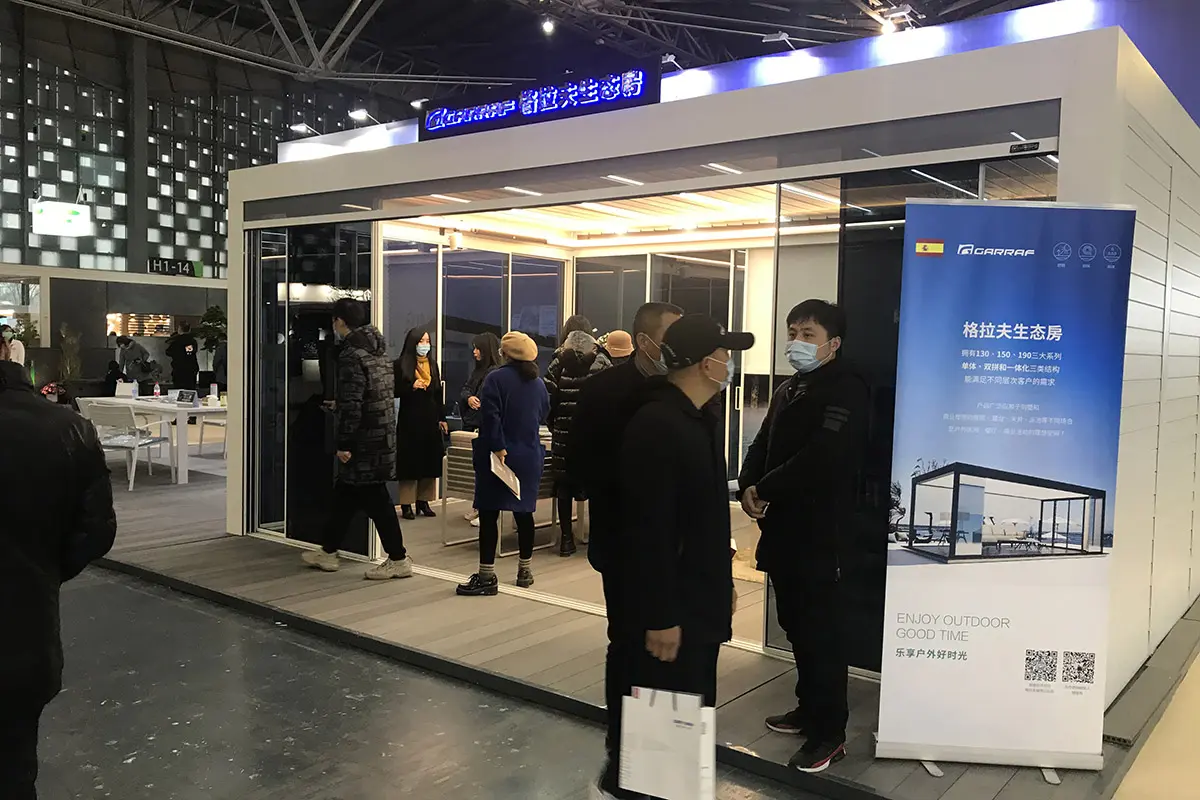
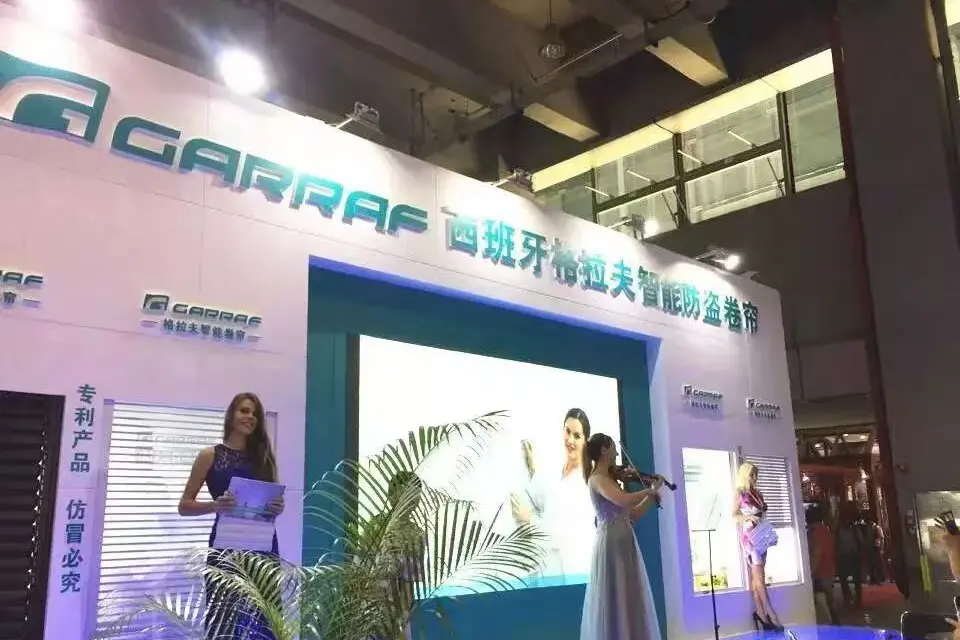
Clients are welcome to tour our factory and testing facilities. From exhibition booth tours to factory visits, we show how we manufacture, test, and package our doors to ensure high quality and build reliable long-term partnerships.

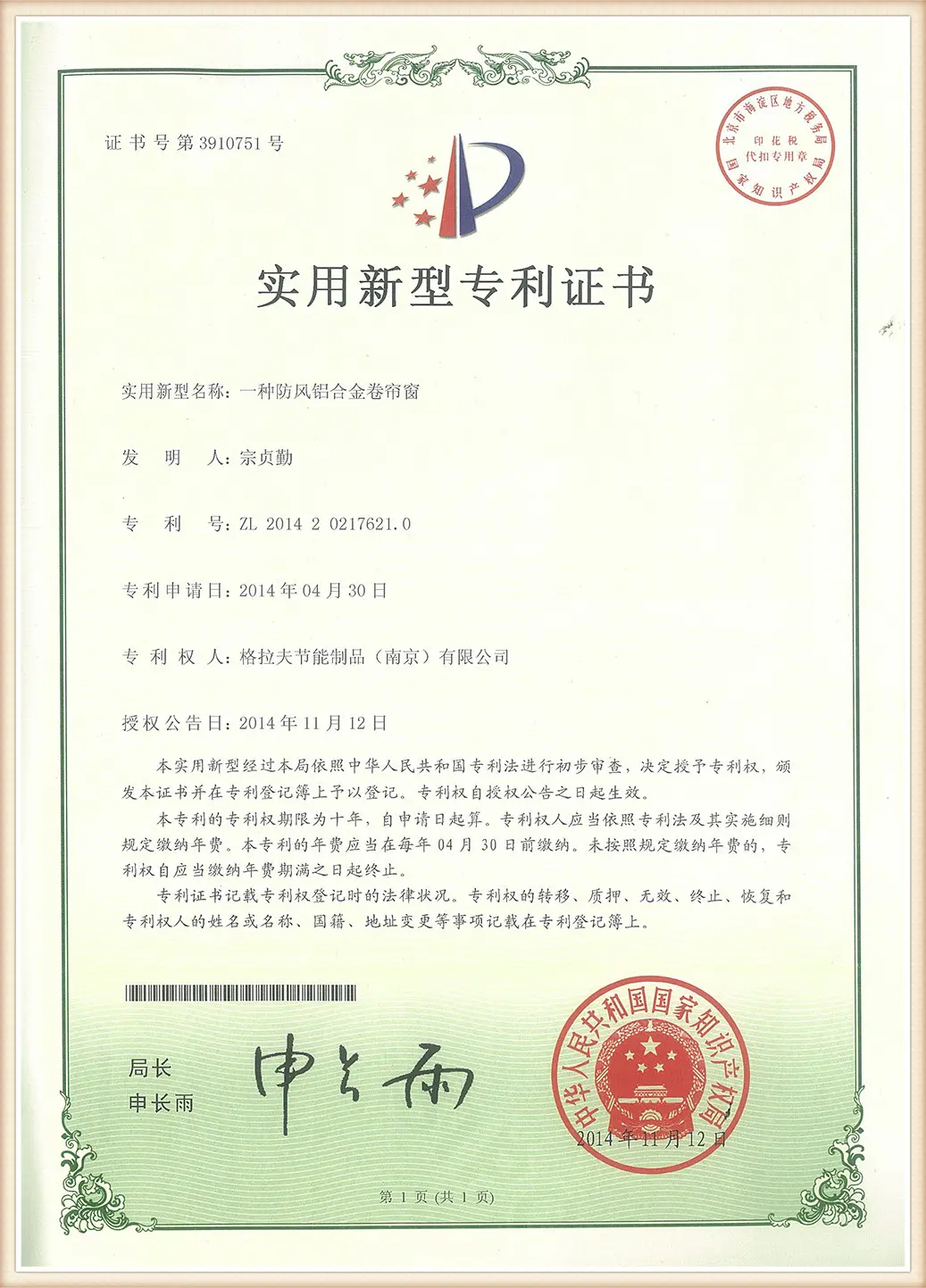
We hold ISO 9001, CE international certifications, and over 100 core patents, ensuring our products meet global standards.
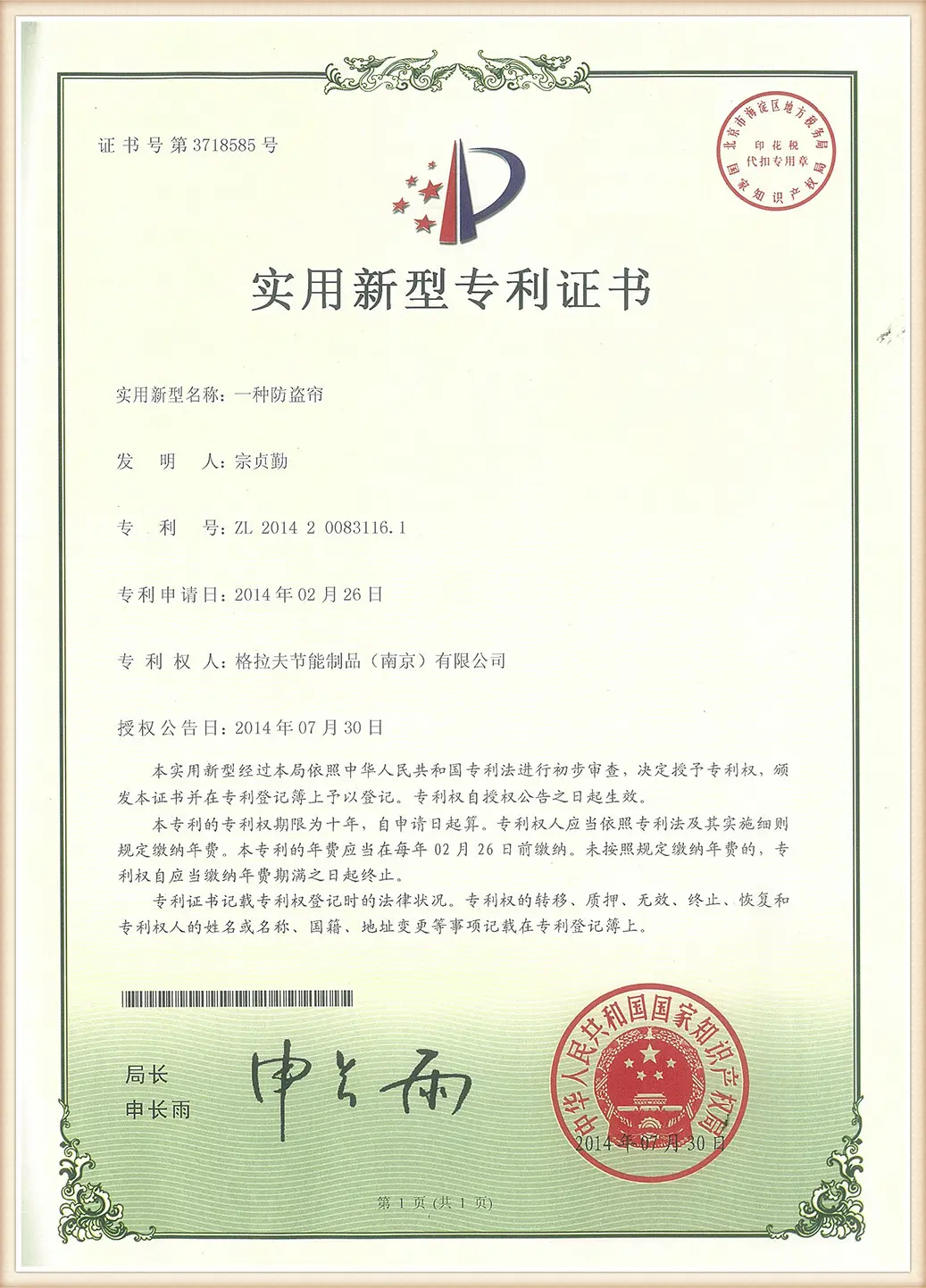
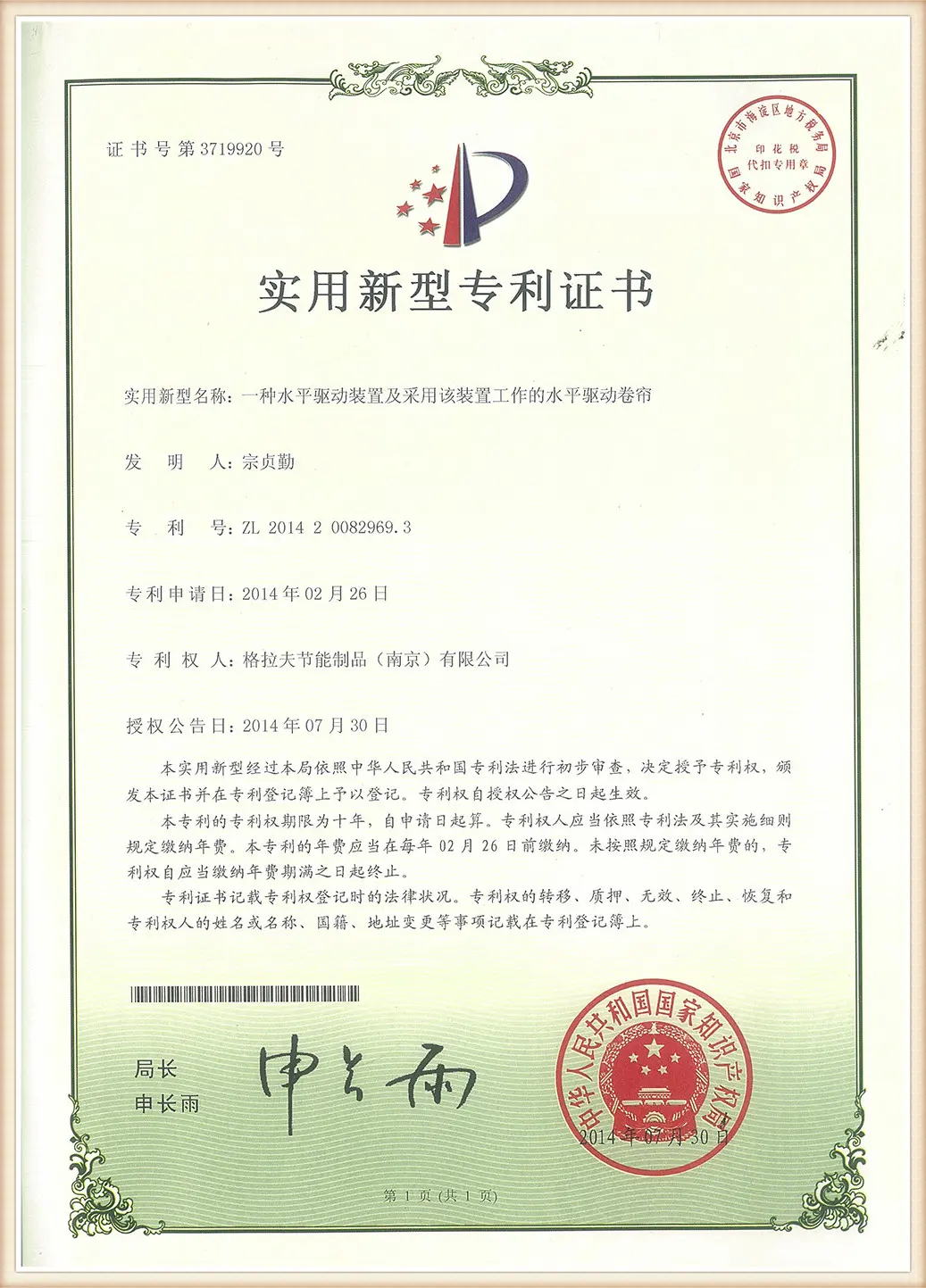
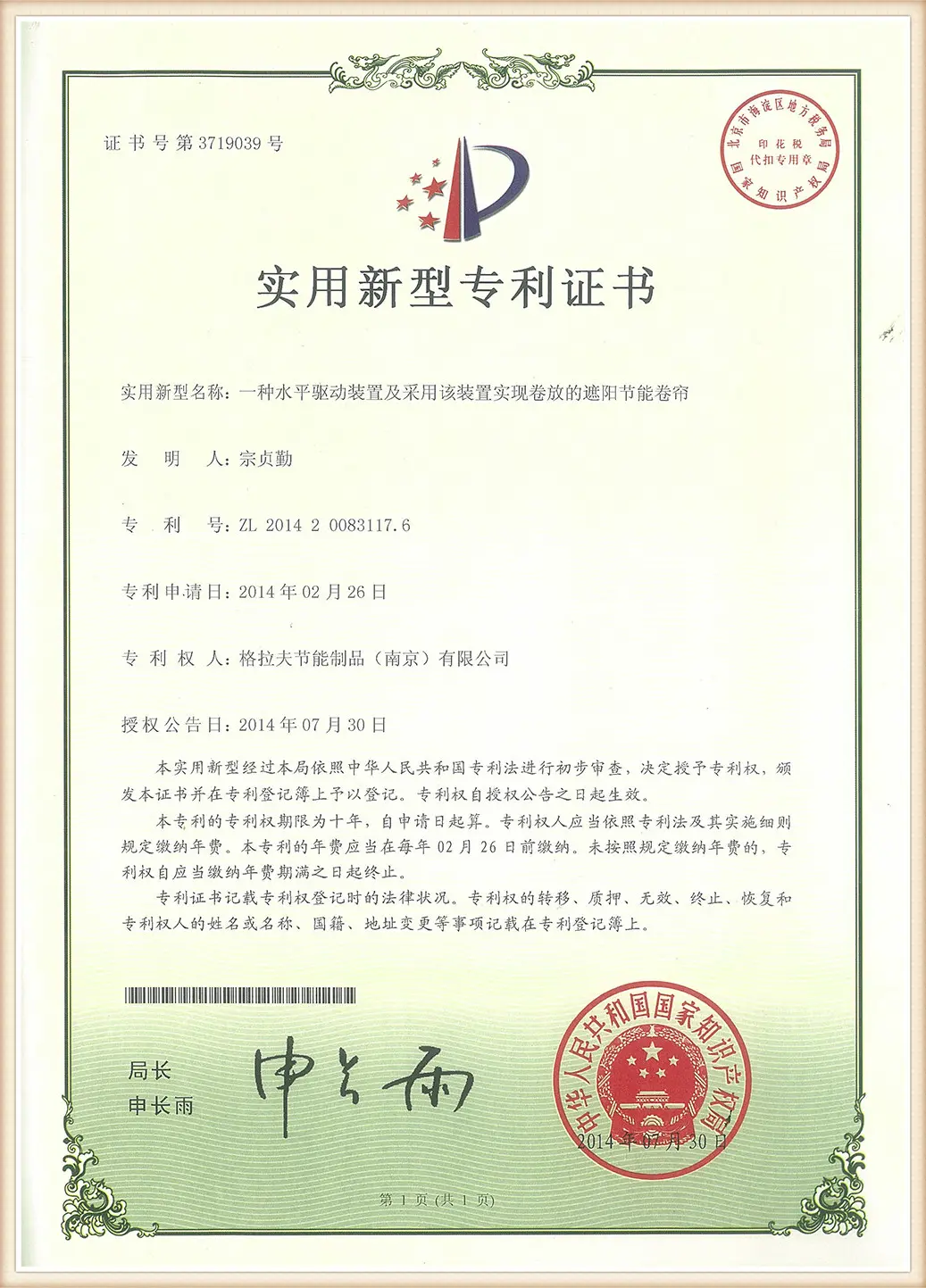
Over the past 20 years, we have built a reputation by exporting our products to more than 70 countries.


Our product development roadmap centers on smart integration, thermal performance, and sustainable materials. The next generation of secure aluminum closures will incorporate features to optimize building security and efficiency:
Answers to common technical, material, and regulatory questions from Canadian project managers and distributors.
Extruded aluminum does not suffer from cold-temperature embrittlement at typical winter levels. While steel can buckle or warp under extreme thermal stress, our aluminum slats remain stable. Combined with internal polyurethane foam cores and thermal break profiles, our doors minimize heat conduction, preventing interior frost buildup and reducing energy costs.
Our heavy-duty security series is engineered and tested to meet European standard EN 1627 Class RC3 (Resistance Class 3). This ensures the door is built to resist forced-entry attempts using hand tools like crowbars, screwdrivers, pliers, and manual drills for at least 5 minutes of direct contact time.
Yes. We use heavy-duty EPDM bottom weather-stripping, which is highly resistant to salt exposure and retains its elasticity down to -50°C. In extremely cold locations, we recommend using a heating cable within the floor channel or applying a silicone lubricant to the seal to prevent it from freezing to the ground.
Our products are manufactured to meet CE standards, and our factories operate under ISO 9001:2015 quality management systems. The electrical operators and control panels we supply are UL/CSA compliant, ensuring they meet the Canadian Electrical Code requirements.
We offer full export handling, providing all necessary customs documentation for ports like Vancouver, Montreal, and Halifax. We work closely with Canadian customs brokers to ensure compliance with CBSA (Canada Border Services Agency) regulations, coordinating delivery to your job site or warehouse.
For custom engineering designs, our standard production turnaround is 20 to 30 days from final shop drawing approval. Shipping via ocean freight to West Coast ports (Vancouver) takes approximately 15-20 days, while East Coast transit ranges from 30-35 days.
Extruded aluminum requires significantly less long-term maintenance. Steel doors are prone to rust when scratched, requiring regular painting and treatment. Aluminum forms a natural protective oxide layer and, when coated with our architectural powder finishes, resists moisture and salt damage, reducing ongoing maintenance costs.
Yes. Every export package includes pre-drilled tracks, mounting brackets, spring assemblies, motor systems, and detailed installation manuals. We also offer remote installation support to guide local general contractors and installers through the setup process.
Stay informed with the latest updates on building codes, physical security, and architectural design trends.
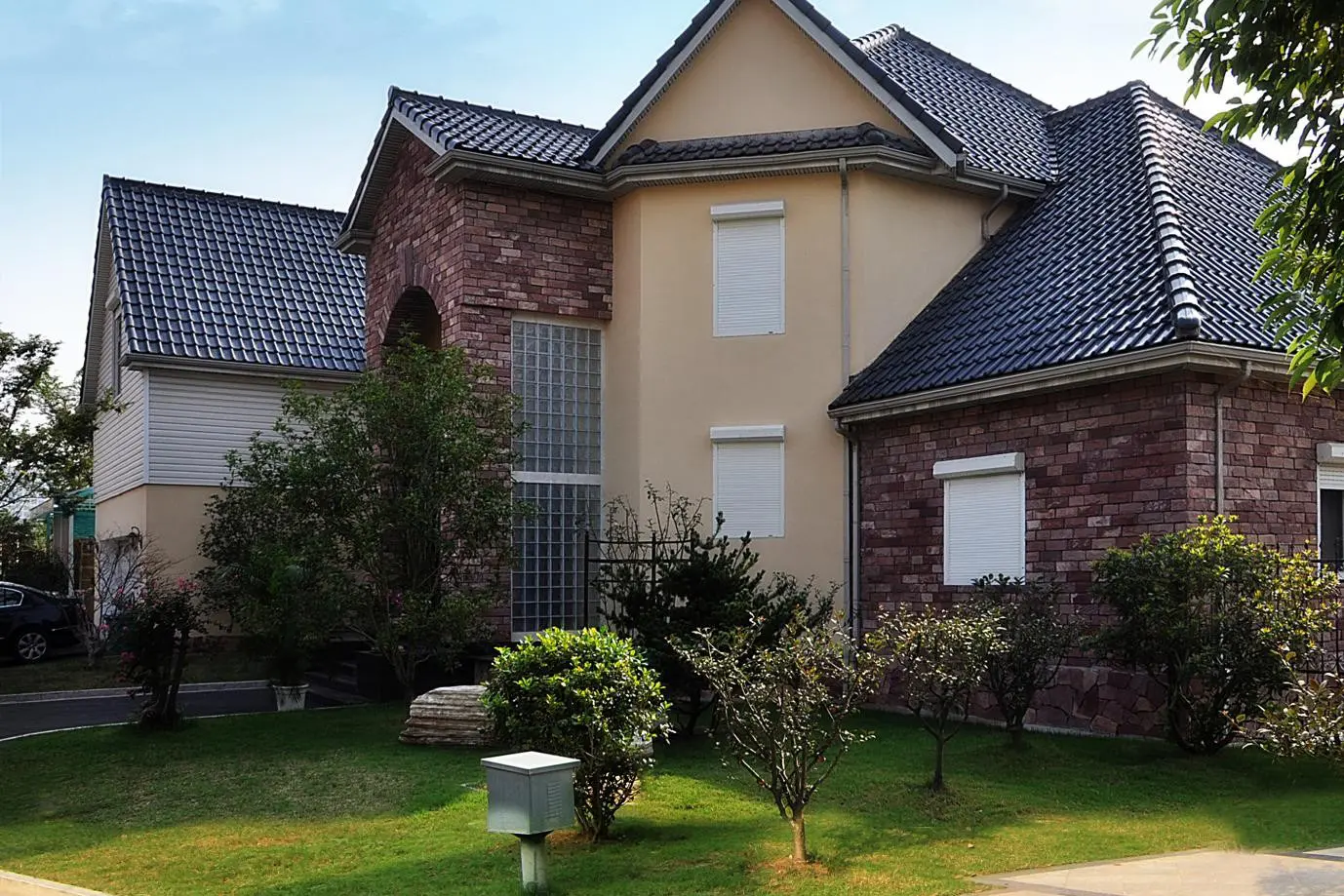
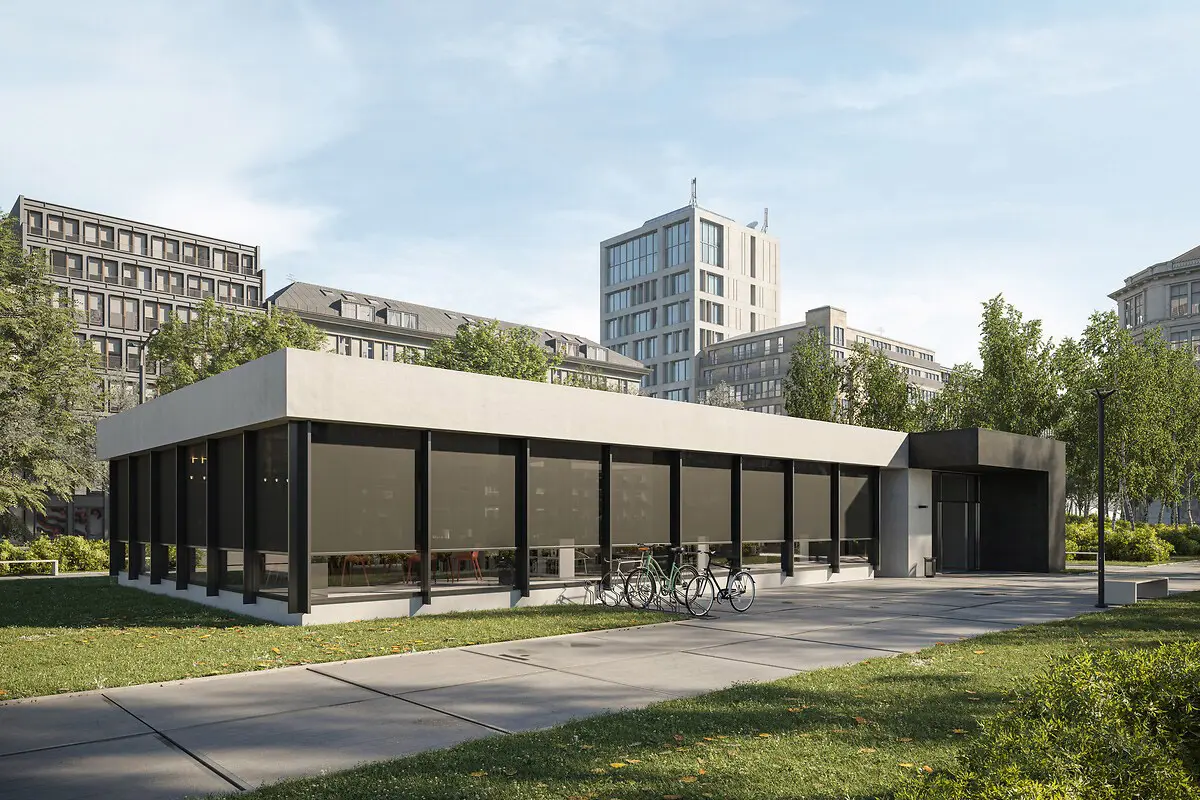
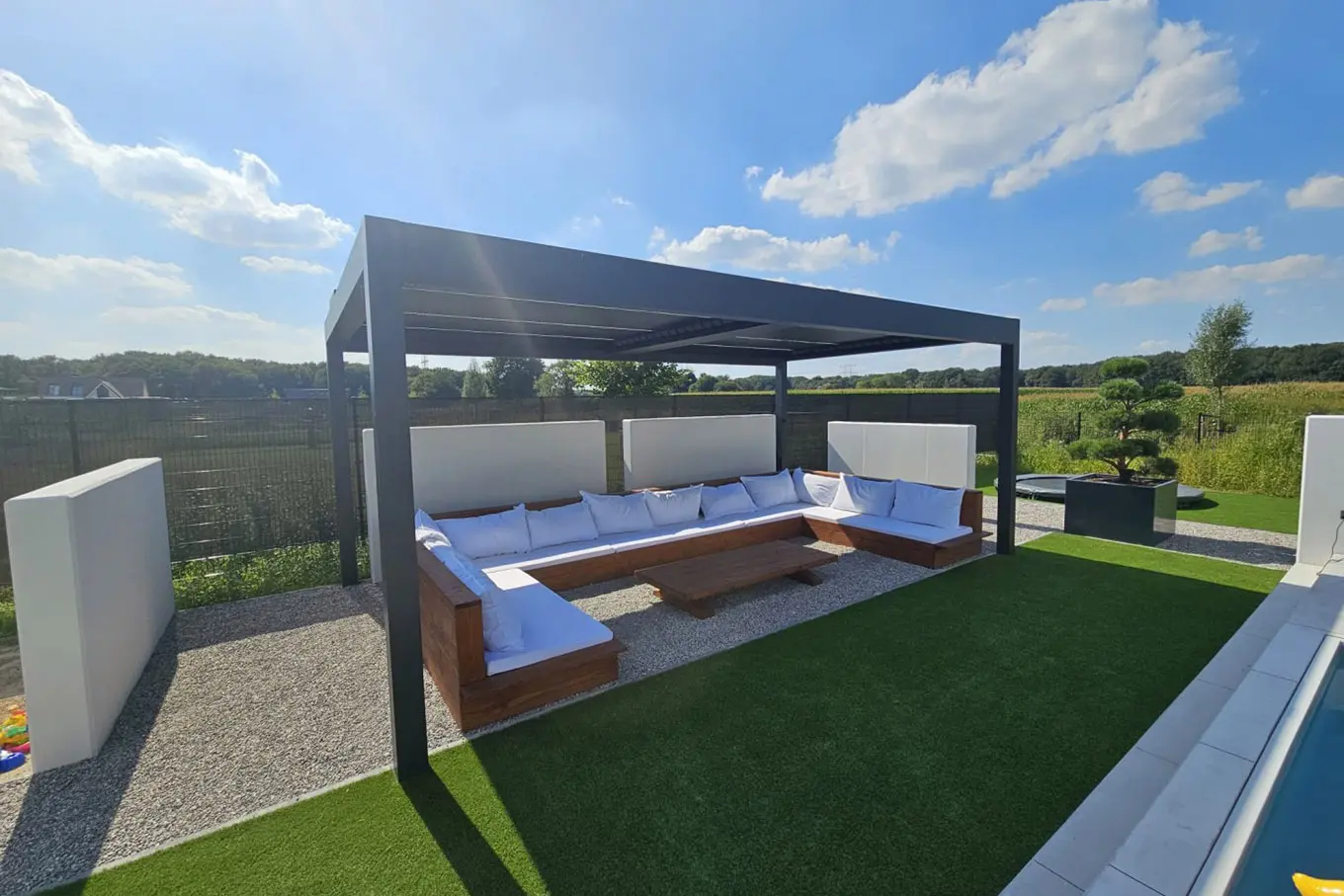
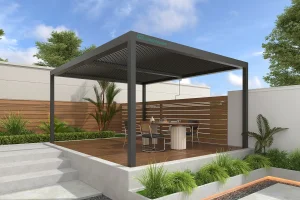
From smart pergolas to weather protection screens, our products are engineered for clean aesthetics and reliable performance.
Contact our sales and engineering team for custom drawings, technical specifications, and bulk pricing for the Canadian market.
Send Inquiry Now GARRAF