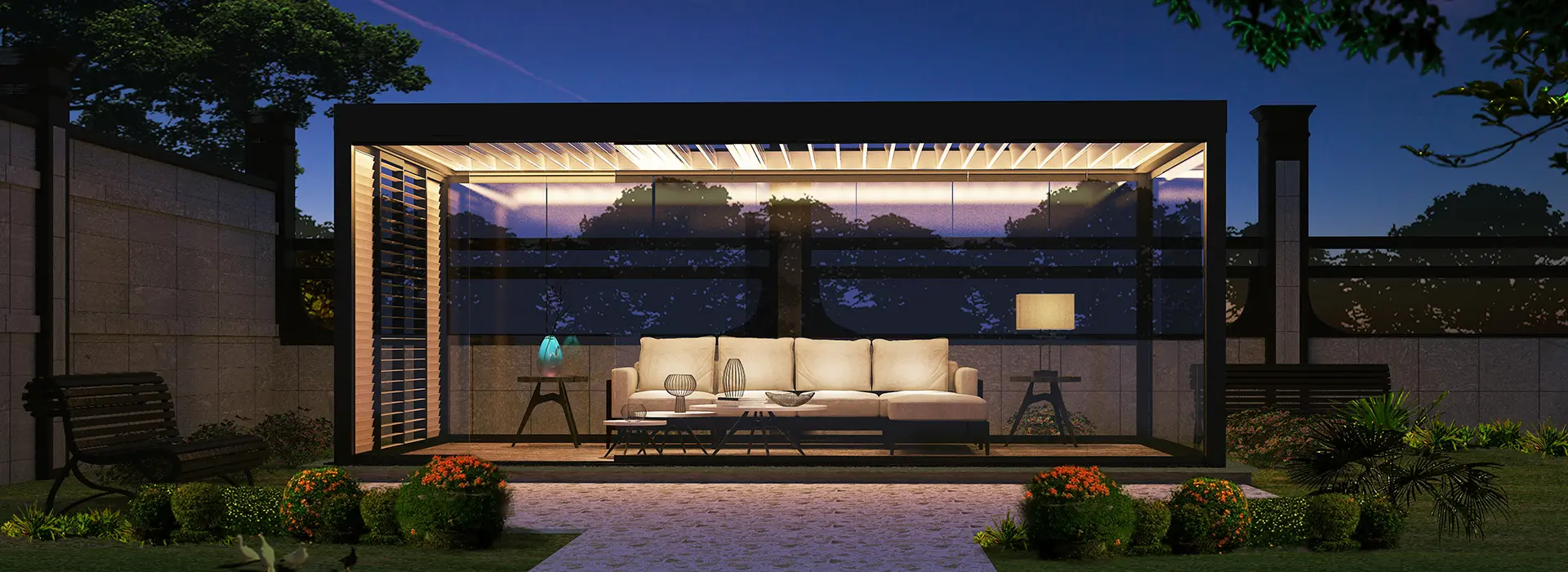
Engineered for structural durability and modern integration. Explore our top 4 recommended solutions optimized for the Japanese architectural landscape.
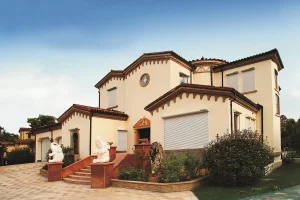
A deep dive into why Aichi Prefecture's unique geography and industry structures demand premium architectural aluminum systems.
As the primary industrial hub of central Japan (the Chubu region), Nagoya is a nexus of engineering innovation, luxury residential estates, and massive logistics infrastructure. High-end districts like Showa-ku and Mizuho-ku boast exquisite residential properties that housing premium collections, demanding superior security solutions. Concurrently, major logistics centers surrounding the Port of Nagoya require fast-access, high-performance security barriers to secure valuable industrial machinery and global automotive parts.
Standard mild-steel rolling shutters are rapidly becoming obsolete in these environments due to their susceptibility to high marine humidity and lack of aesthetic compatibility with modern Japanese minimalist architecture. Aluminum rolling doors have transitioned from a premium alternative to a structural necessity.
Aichi Prefecture is located within Japan's primary typhoon corridors. Wind load engineering is a key metric for any external construction element. Local builders must adhere to strict wind resistance metrics defined under the Japanese Building Standard Law.
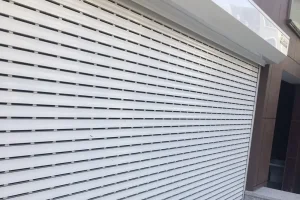
Our heavy-duty aluminum garage doors are specifically developed to counter these challenges. Utilizing structural-grade alloy extrusions, our configurations withstand high wind pressures, ensuring structural integrity during the most intense seasonal storms while keeping the interior envelope protected from rainwater intrusion.
A comprehensive overview of our metallurgical certifications, secure geometry, and smart thermal configurations.
Constructed using high-tensile A6063-T5/T6 structural aluminum. Unlike conventional systems, this grade offers an exceptional strength-to-weight ratio. The slats are engineered with double-wall geometry, reinforced internal ribs, and heavy-duty locking endlocks to prevent forced extraction under mechanical stress or tool attacks.
The internal voids of our GRF77 and GRF38 profiles are pressure-injected with high-density, CFC-free polyurethane foam. This creates a highly effective thermal break, optimizing energy efficiency in conditioned garages during Nagoya’s freezing winters and humid summers. Additionally, it offers soundproofing capabilities, damping external traffic noise by up to 30 decibels.
Equipped with smart electric tubular drives and anti-lift safety brakes, our garage doors interface seamlessly with Japanese home automation networks. Optical safety sensors prevent closing over obstacles, and encrypted rolling-code remote control units prevent wireless interception, providing an ironclad first line of defense.
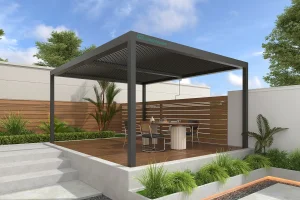
Retaining versatile structural modules designed for complete weatherproofing and multi-functional residential/commercial layouts in Aichi.
Uniting vast manufacturing capabilities with local logistical efficiency to deliver premium custom solutions ahead of schedule.
By managing the supply chain from raw aluminum ingot smelting through precision custom extrusion, surface coating, and mechanical assembly under one industrial canopy, we eliminate third-party markup. For the Nagoya market, this vertical integration translates to a reliable 20-30 days production lead time, with direct shipping schedules into Nagoya Port (Aichi).
Each door package is crated in heavy-duty plywood containers designed for maritime logistics, guaranteeing that the pre-assembled tracks, structural aluminum slats, and pre-wired motorized drives land on-site in perfect condition.
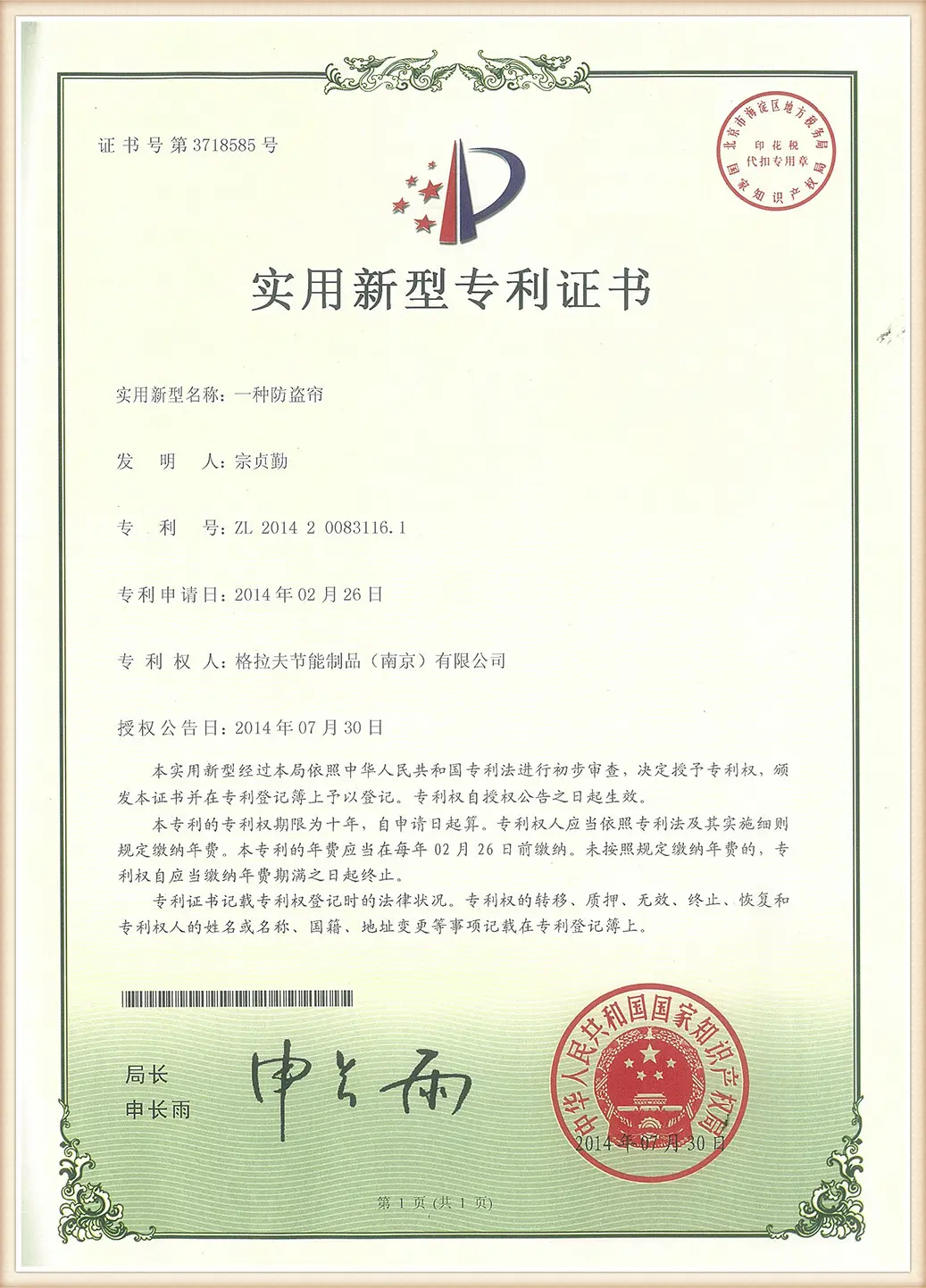
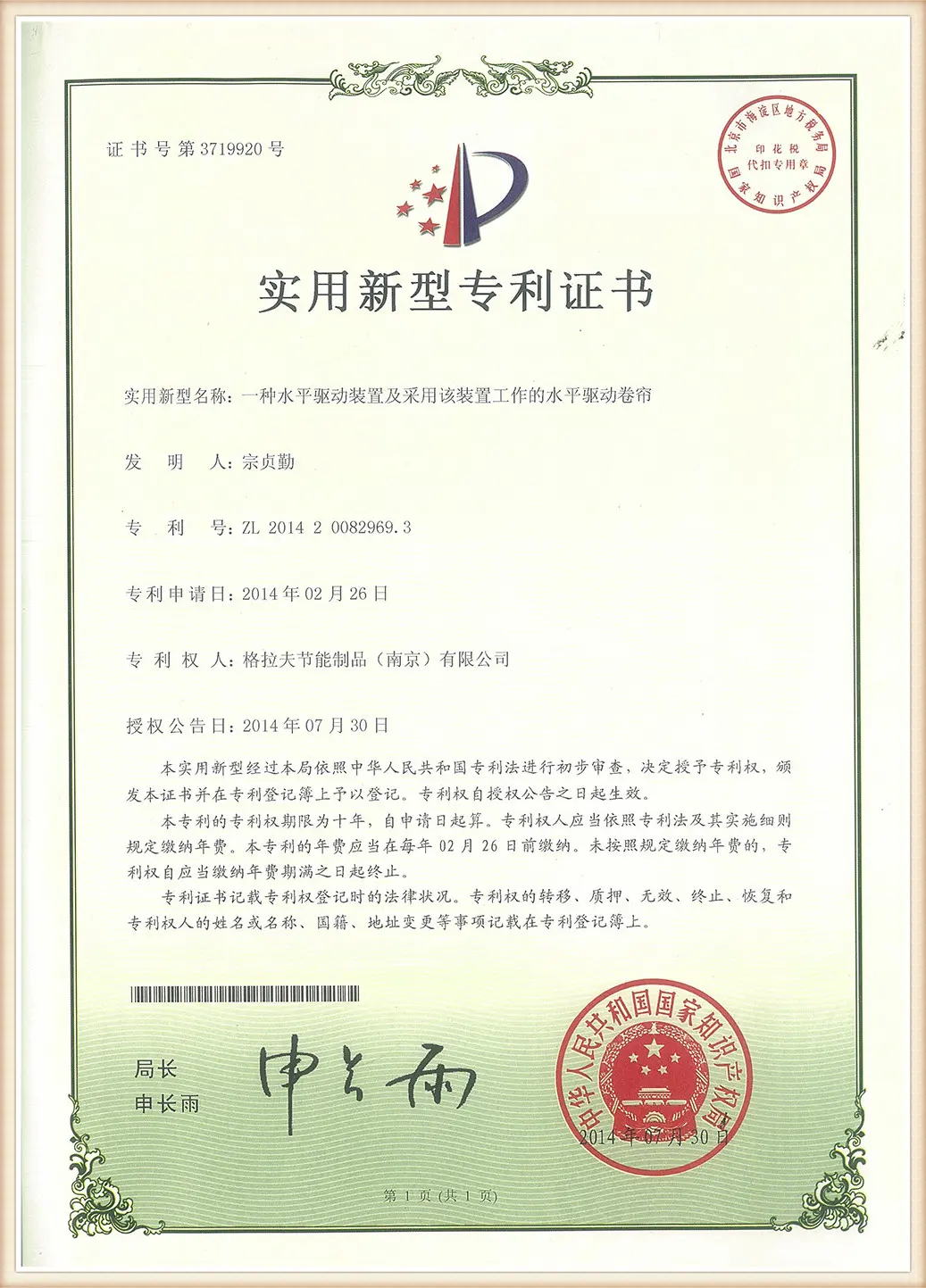
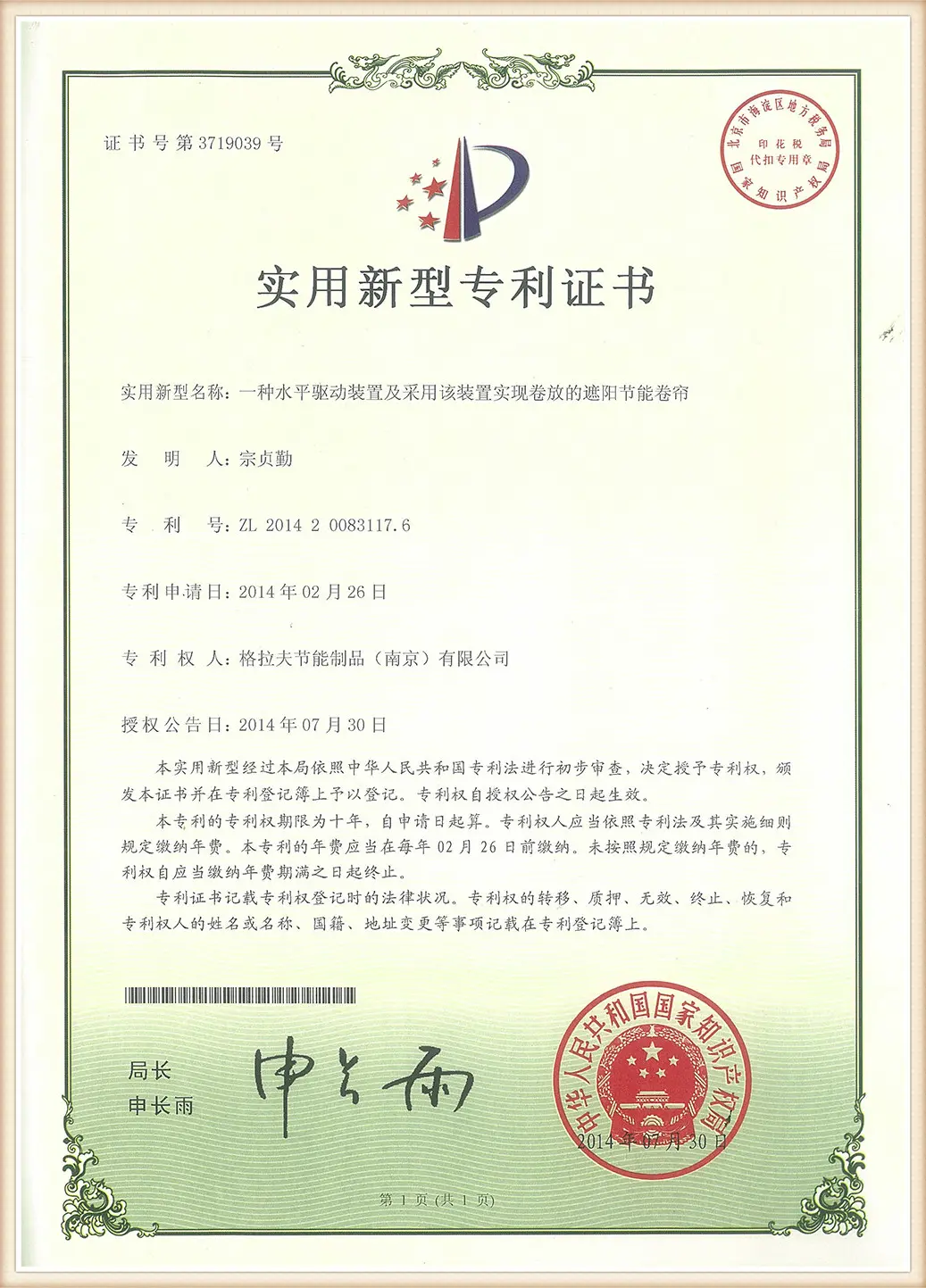
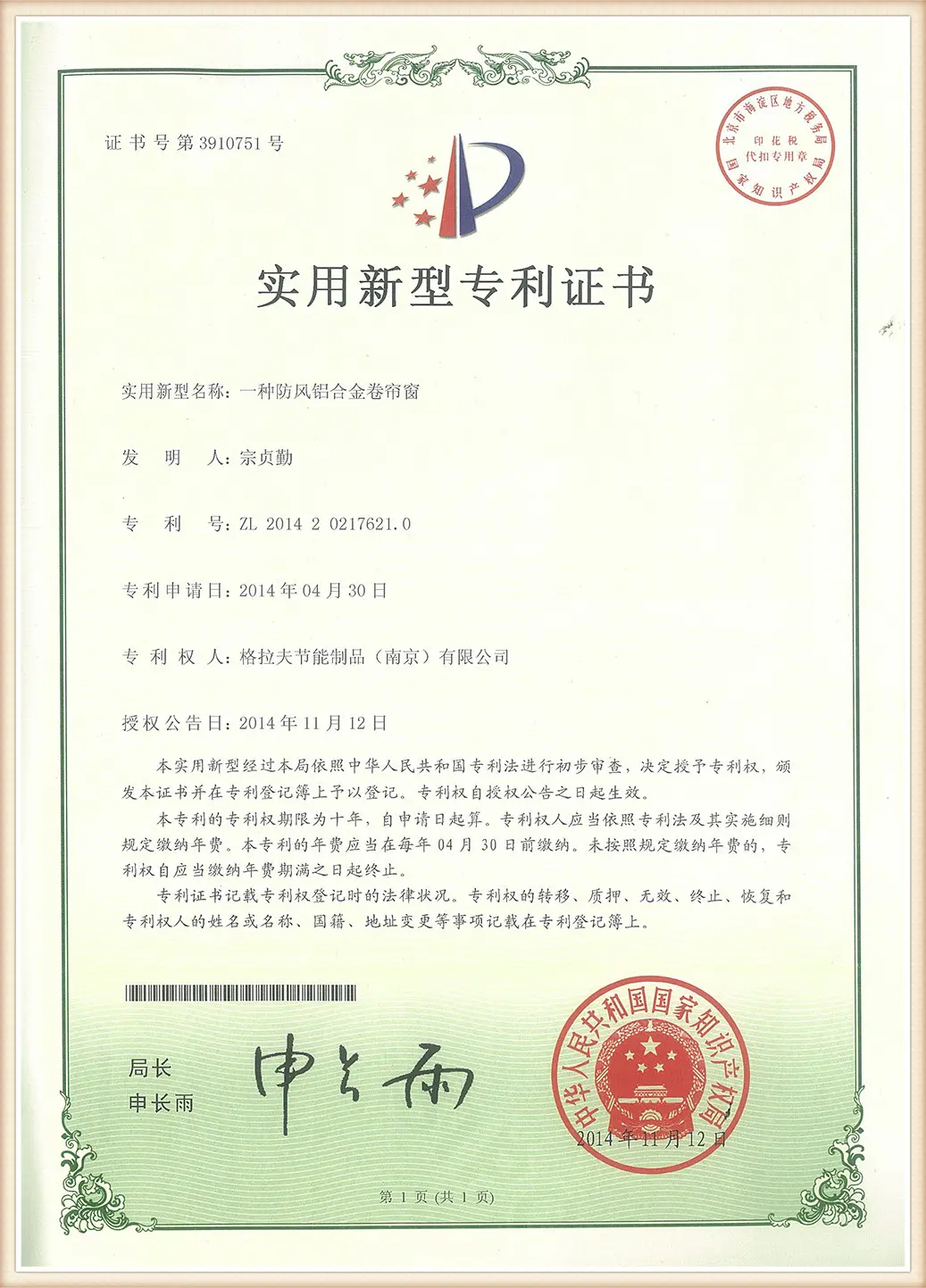
Transparent quality assurance validation. Our production lines undergo continuous optimization verified by ISO 9001 and CE certifications.
All components undergo strict testing parameters. Below are the certified quality control standards validating our structural load capacities, fire prevention limits, and motorized drive insulation integrity.
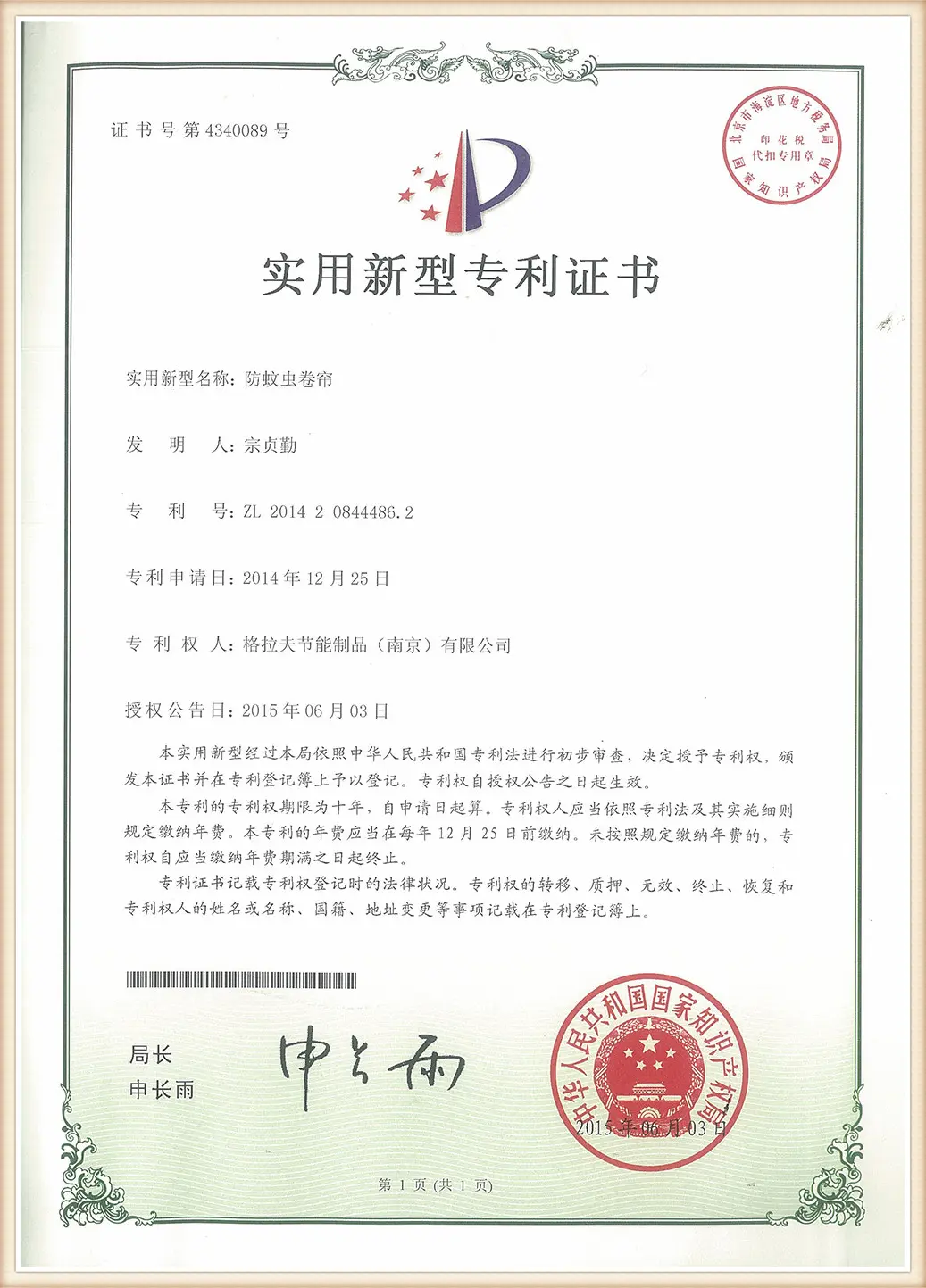
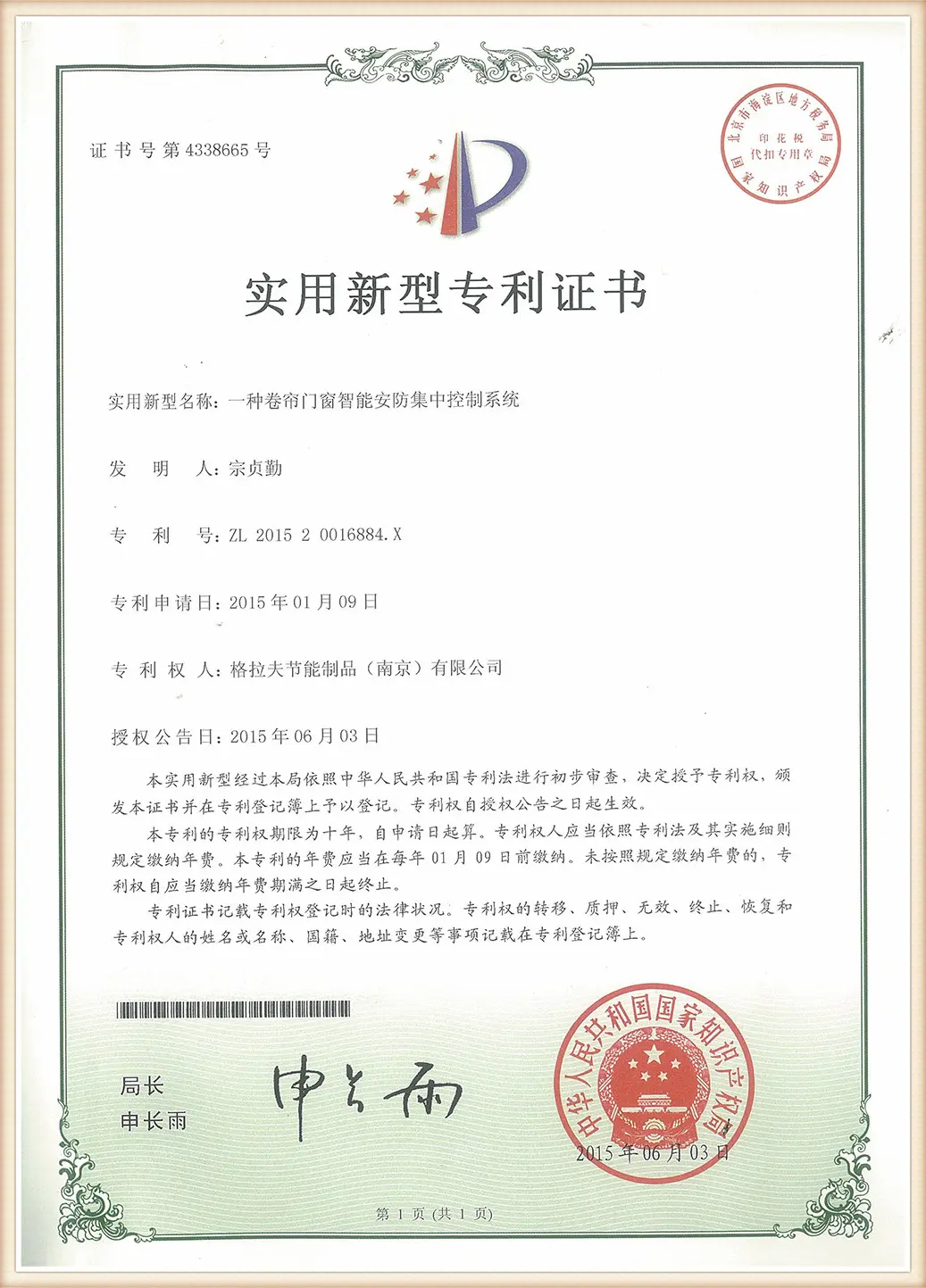
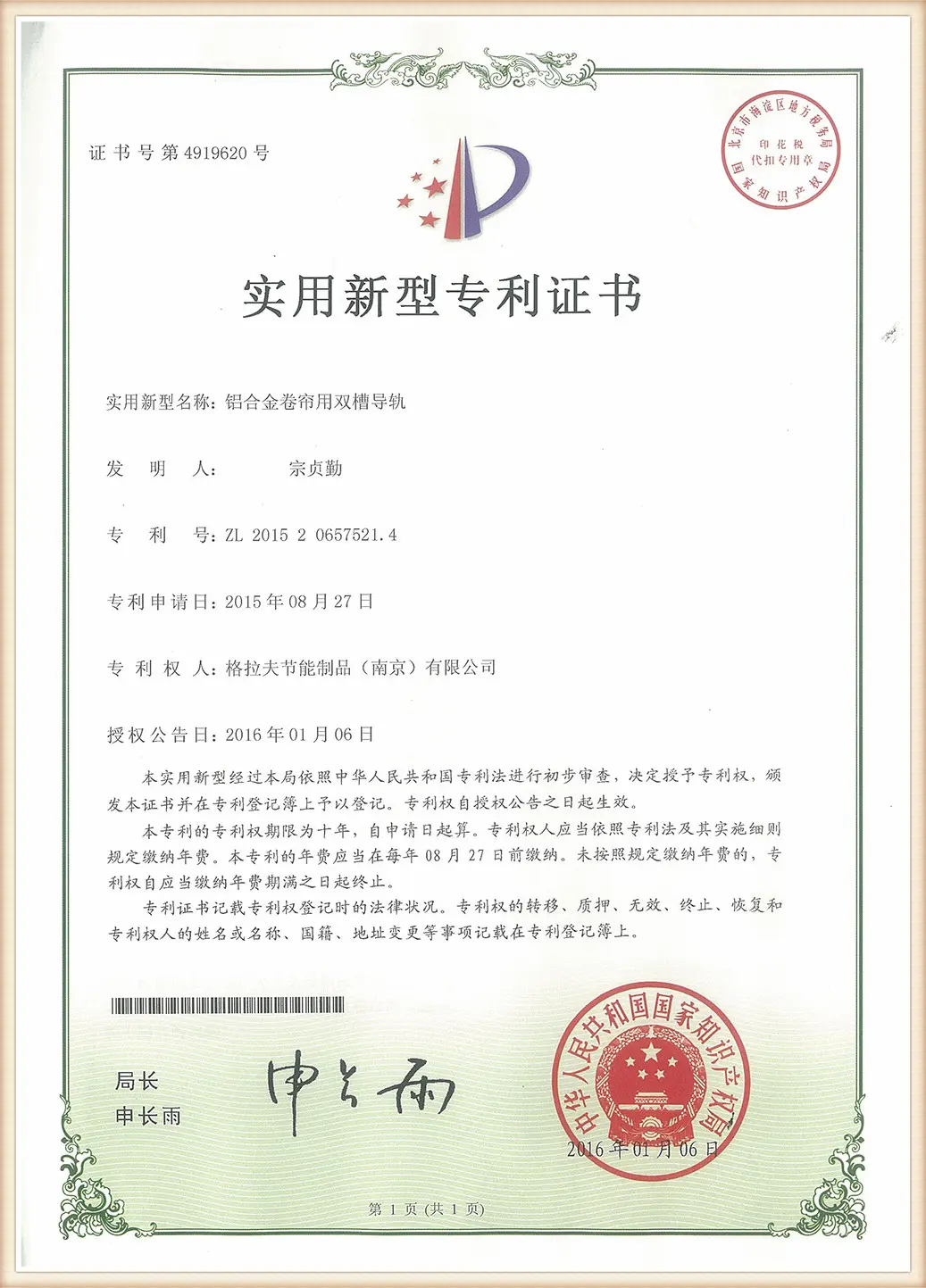
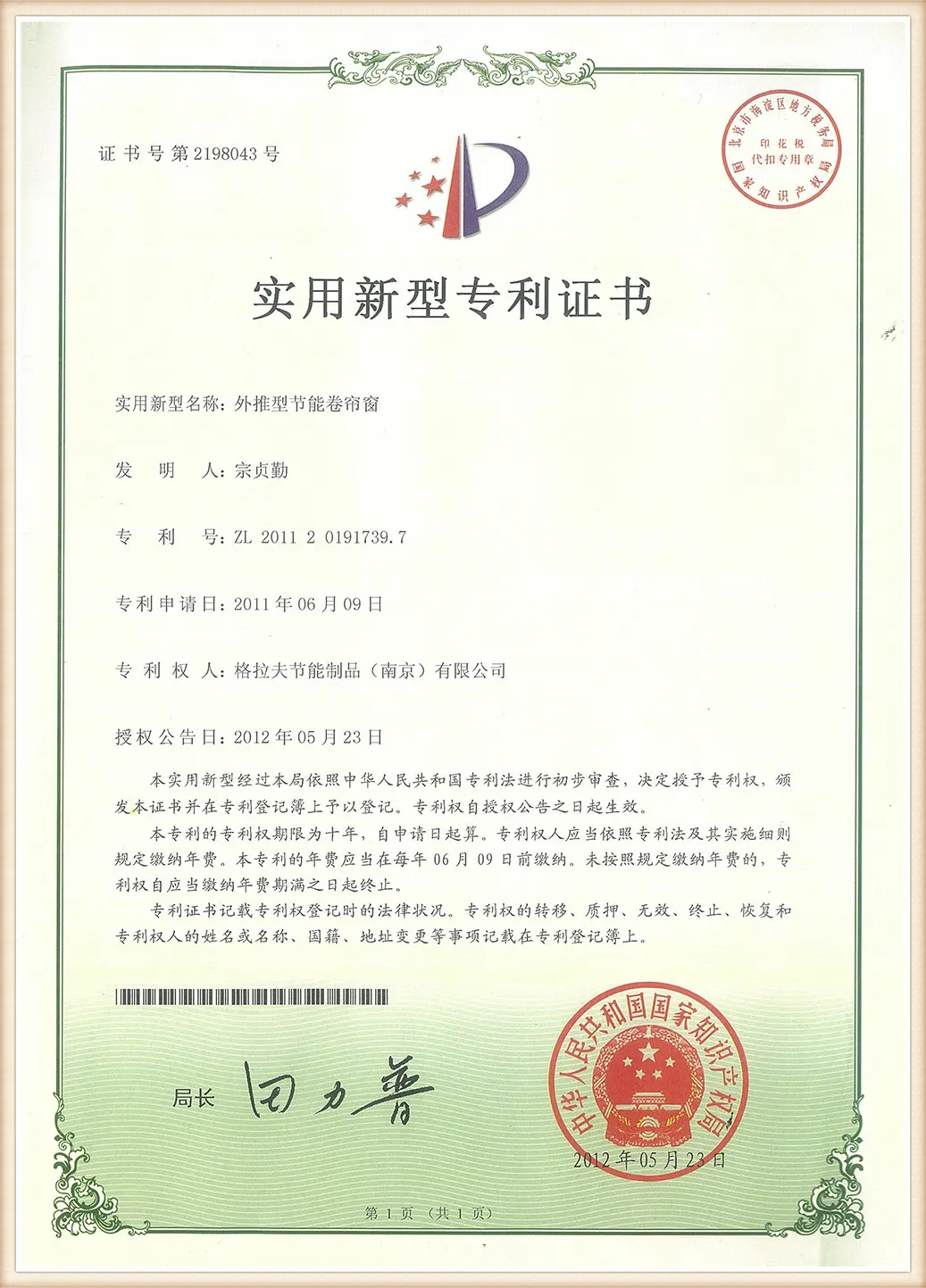
We welcome global clients for production transparency audits. Watch the journey of engineers, distributors, and developers surveying our advanced robotic welding and precision cutting lines.
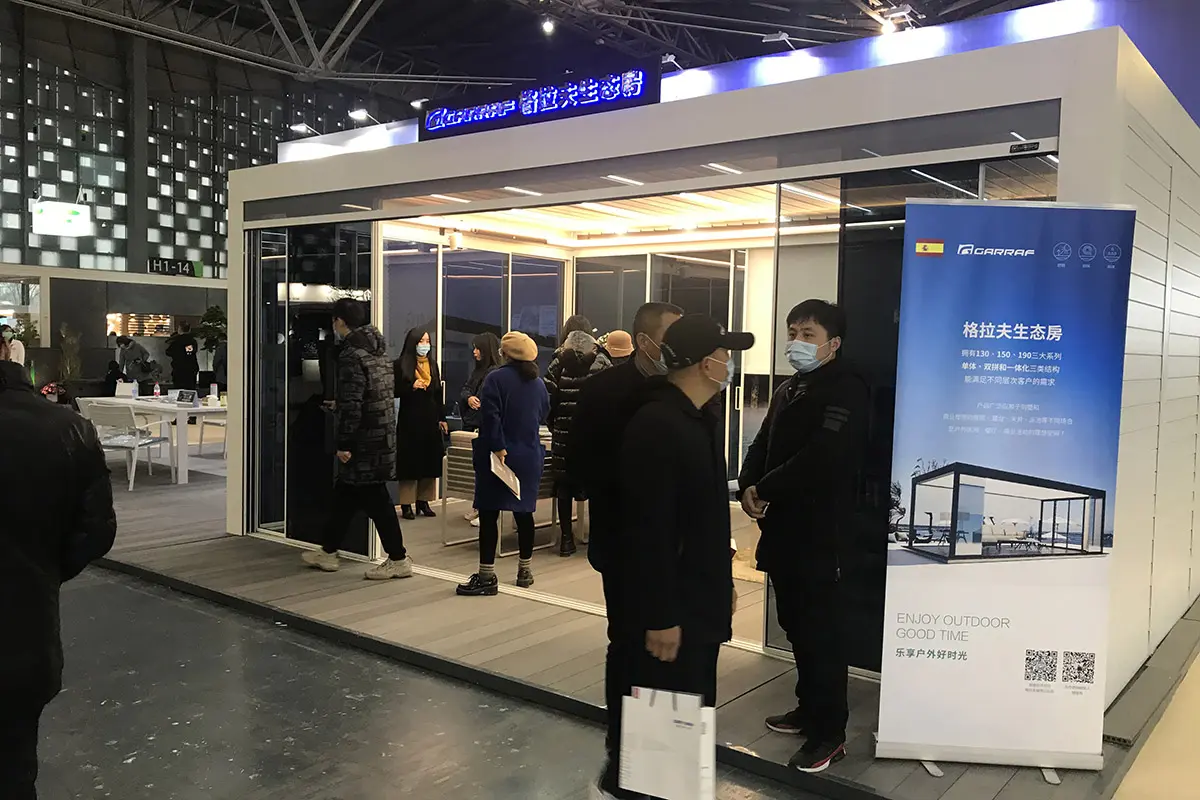

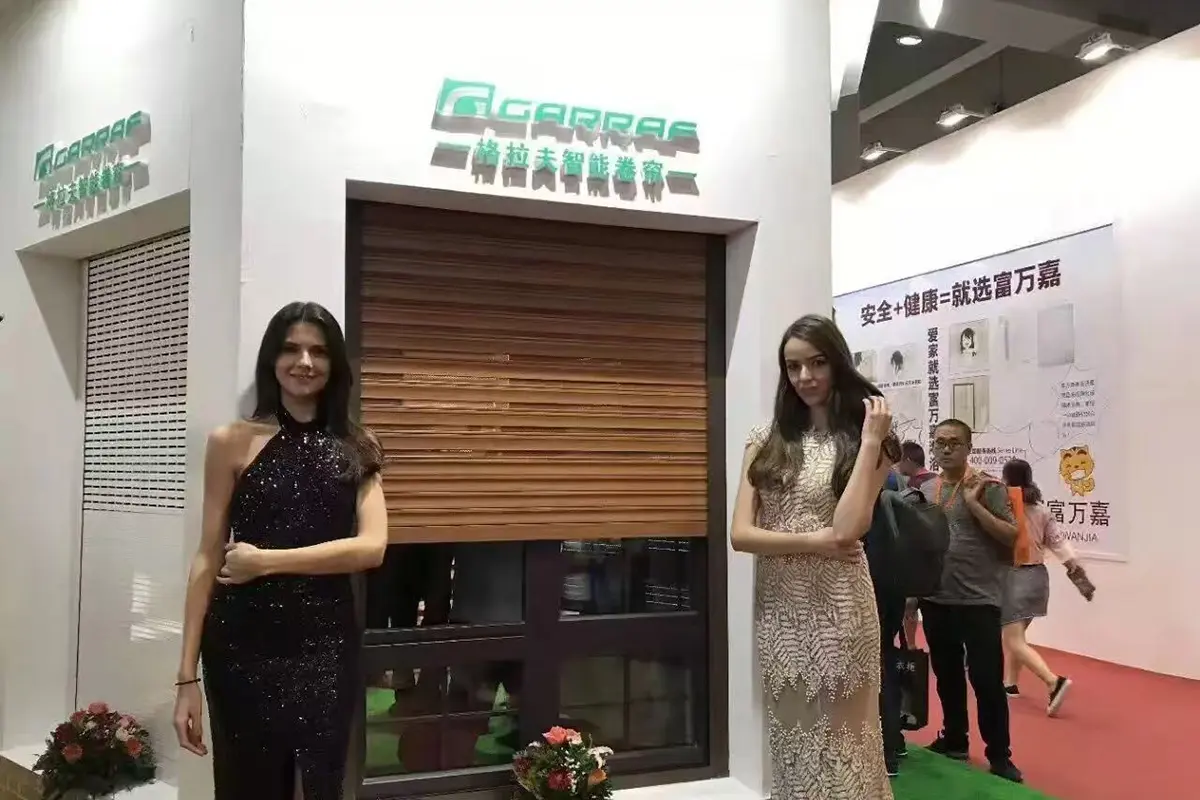


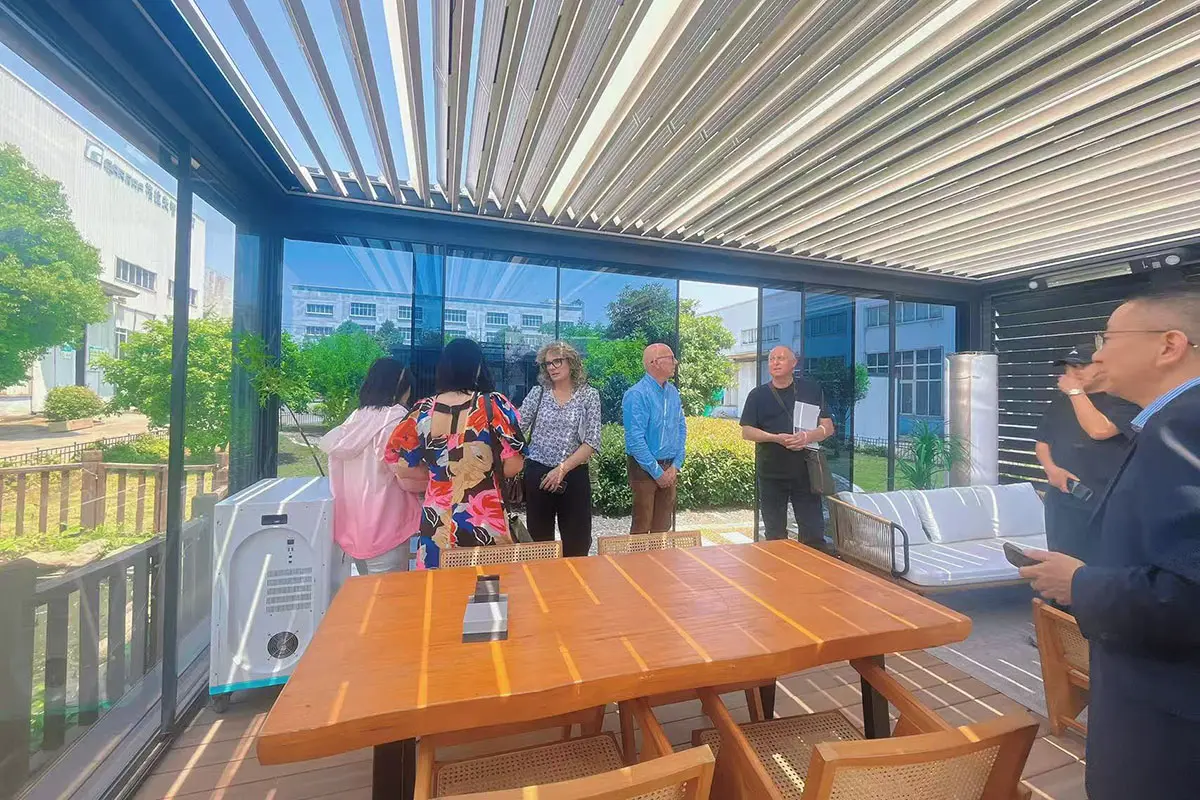
Aichi structural guidelines call for rigorous checks. Our configurations are designed to meet local fire, wind, and seismic regulations.
Under the Japanese Construction Standard Law, exterior openings must pass specific structural load certifications. In coastal areas near Nagoya, structural components must withstand wind pressure ratings up to S-4 or S-5 levels. Our thick-walled A6063 aluminum slats, backed by optimized guide track depths and heavy-duty steel anchors, prevent the door panel from dislodging under cyclic dynamic wind pressures.
Nagoya features dense commercial and residential neighborhoods classified as semi-fire prevention zones. Exterior closures must limit fire propagation. Our raw aluminum builds, integrated with flame-retardant thermal foam inserts and non-combustible weather seals, provide essential physical barrier capabilities that comply with local municipal building regulations.
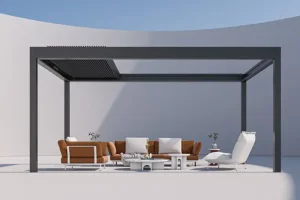
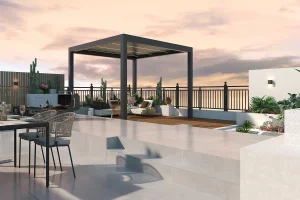
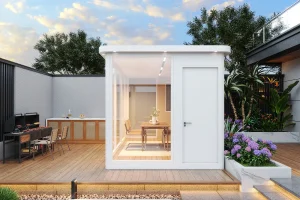
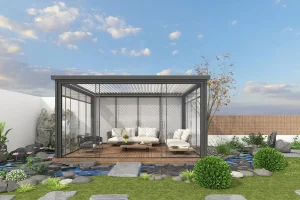
A double-row, structured grid presenting certified thermal doors, motorized screens, and outdoor structural louver arrays.

Serving commercial developers and design institutes in over 70 countries, combining international design criteria with Japanese engineering precision.




Read detailed whitepapers, weatherproofing updates, and building standard analyses from our engineering desk.
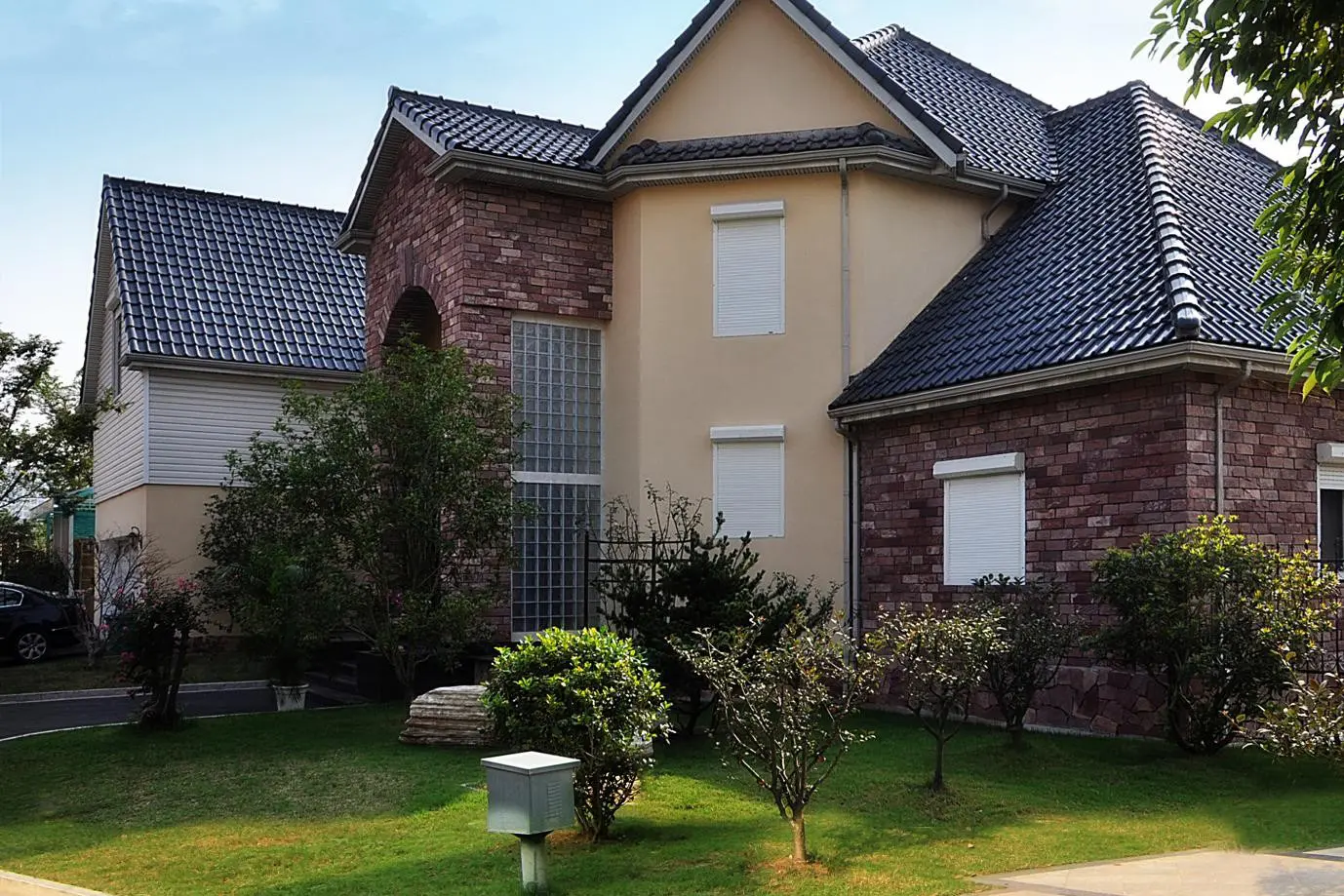
Discover how structural aluminum profiles are replacing steel in high-stress, high-wind corridors internationally.
Read Full Whitepaper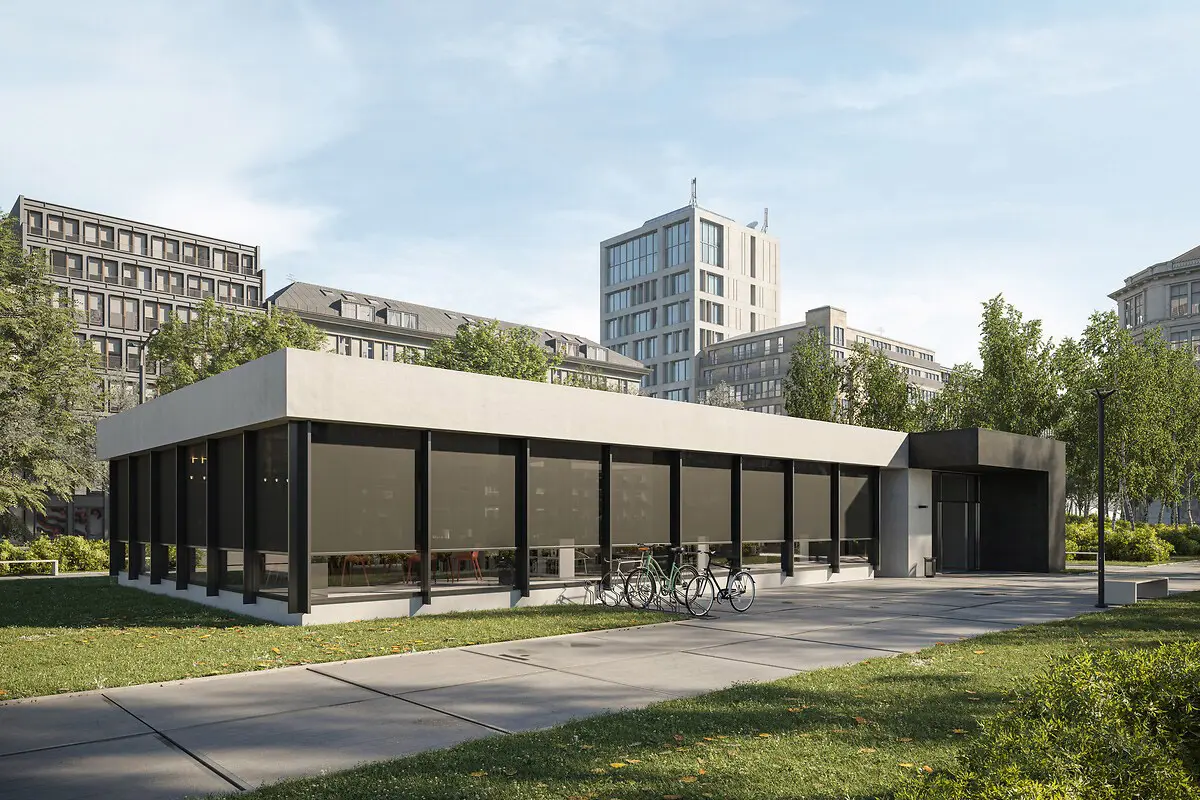
How automated external shading systems play an essential role in LEED-certified modern construction.
Read Full Whitepaper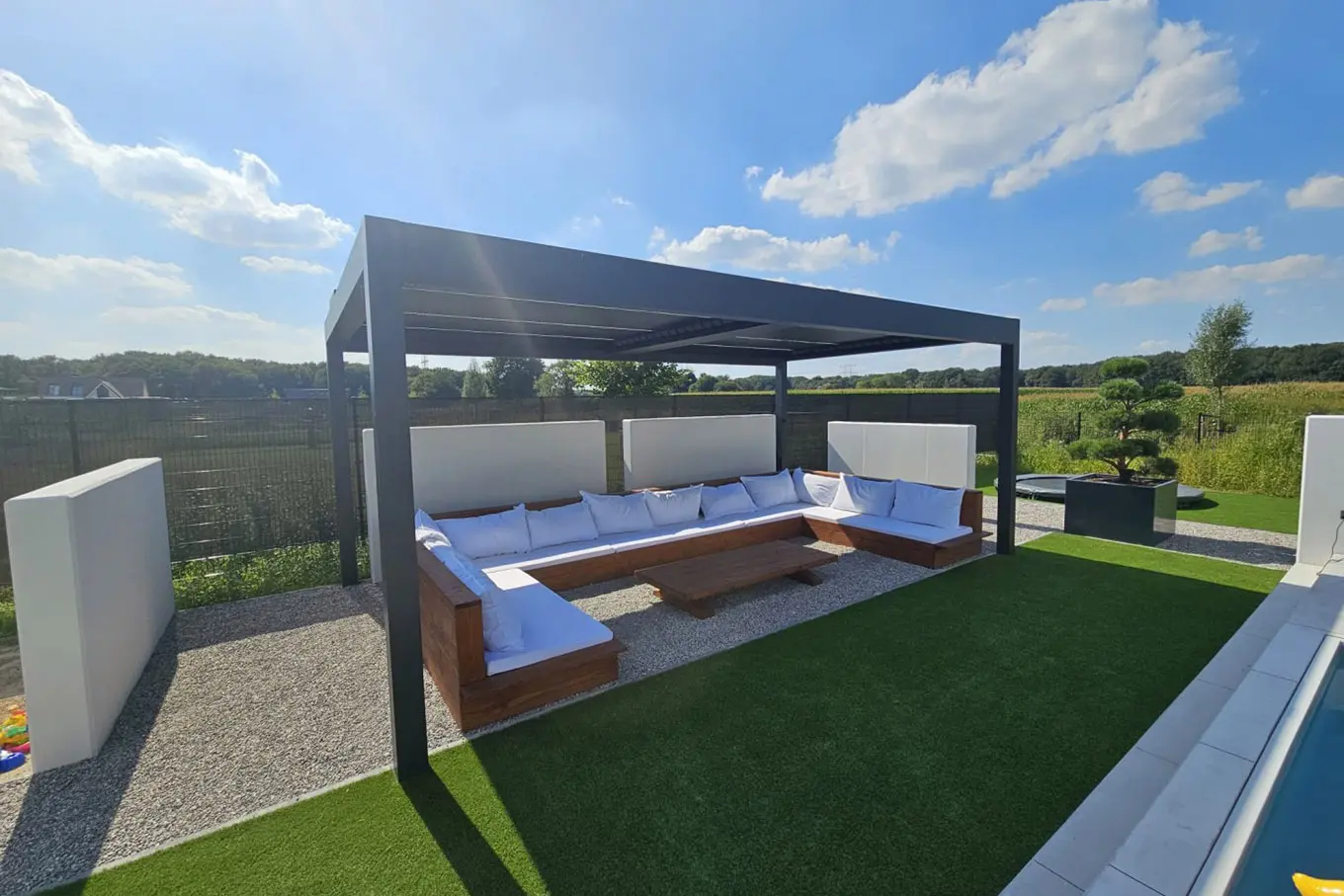
Highlighting the integration of IoT louver control systems and automated drainage networks in modern spaces.
Read Full WhitepaperAddressing core structural, metallurgical, logistical, and installation concerns for builders in Aichi Prefecture.
Our aluminum garage doors are structural-grade profiles built to comply with Japanese wind zone ratings. They withstand continuous pressure calculations corresponding to Aichi's coastal velocity standards (reaching wind velocities of up to 38-42 m/s). Every custom order can be configured with reinforced internal steel bracing and locking profile inserts to secure the door within the tracks during heavy typhoon events.
By working directly with our factory, we bypass brokers and trading entities. A standard custom order takes 15 to 20 days to manufacture. Ocean transit from our port to Nagoya Port takes approximately 5 to 7 days, meaning a complete custom garage system arrives at your warehouse or construction site in roughly 25 to 30 days from layout approval.
Yes. Our motorized systems support standard dry-contact relays, RS485 communication protocols, and wireless Wi-Fi interfaces. This allows seamless integration into Japanese Smart Home hubs, security systems, and mobile control applications.
Aluminum naturally forms a protective oxide layer that prevents deep corrosion, making it far superior to galvanized steel in coastal areas like the Port of Nagoya. Our doors also feature Qualicoat-certified multi-layer coatings, which protect against saltwater degradation and preserve their appearance for decades.
Get tailored structural layouts, precise CAD drawings, and volume pricing estimates for your development projects in Nagoya and Aichi Prefecture.
 GARRAF