Engineered to withstand both extreme sub-zero temperatures and high-security challenges in Russian residential and commercial sectors.
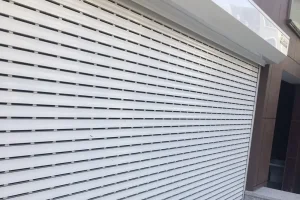

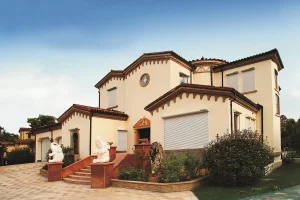

In Russia's extreme climatic zones, infrastructure must endure massive thermal fluctuations ranging from -40°C in winter to +35°C in summer. Standard building components quickly degrade under these conditions, with structural elements contracting and lubricants seizing. When it comes to garage and access doors, the requirements are exceptionally demanding: they must offer absolute protection against mechanical intrusions (burglaries) while functioning as structural thermal barriers. Traditional steel rolling shutter doors fail to meet both criteria simultaneously because steel acts as a thermal conductor, leading to massive heat loss and frost build-up that locks the operational mechanism.
This technical challenge has driven high demand for advanced, insulated aluminum alloy profiles. According to Russian construction and energy efficiency regulations, industrial and high-end residential garage doors must possess specific characteristics: high resistance to wind loads (complying with SNiP 2.01.07-85), superior mechanical security class (minimum RC3/RC4 rating under European standards or GOST equivalents), and an extremely low thermal transmittance coefficient (U-value). The physical resilience of extruded T6-temper aluminum, combined with high-density polyurethane cores, provides the ultimate solution for Russia's growing infrastructure needs.
The security threat landscape has also evolved. Commercial logistics parks, private estates, and industrial facilities in cities like Moscow, Saint Petersburg, Novosibirsk, and Yekaterinburg require automated systems that prevent forced entry and integrate seamlessly with smart perimeter networks. This integration prevents unauthorized bypasses and physical breaches.
Modern aluminum garage door designs utilize multi-layer composite technology. The outer shell is made of high-tensile, corrosion-resistant aluminum alloy (such as AlMgSi0.5 / 6063-T6). To meet high-security demands, the profiles are designed with internal structural cross-bracing and thick walls. In contrast to standard rolling doors, these anti-theft designs incorporate several specialized features:
Double-walled profiles filled with high-density, CFC-free polyurethane foam (up to 48 kg/m³). This creates a structural core that resists denting while delivering exceptional thermal performance, minimizing heat transmission.
Patented mechanical interlocking links connect the top profile of the door curtain to the octagonal shaft. If someone attempts to pry the door open from the bottom, these links lock automatically to prevent upward movement.
Advanced control boards interface with building management systems (BMS) and smart home controllers. Features include real-time status monitoring, optical sensor bars, and safety edge systems.
Future Outlook: The industry is shifting toward smart, thermal-break profile designs. As energy conservation regulations become stricter in regions like the Urals and Siberia, manufacturers are developing thermal break channels inside aluminum profiles. By inserting a low-conductivity polyamide bar between the inner and outer aluminum skins, thermal bridging is eliminated, preventing ice formation on the interior surfaces even in extremely cold conditions.
Heavy-duty aluminum garage doors serve a variety of commercial, industrial, and high-end residential needs. For large-scale projects, selecting the right door involves evaluating wind load, daily cycle count, safety requirements, and thermal targets. Below are the primary configurations used across key sectors:
| Sector | Primary Operational Threat | Recommended Profile Spec | Key Integration Features |
|---|---|---|---|
| Commercial Warehouses | High cycle counts & energy loss during loading | GRF77 Double-walled insulated aluminum | High-speed operator, multi-spectral safety light curtains |
| High-End Residential Estates | Intrusion, noise, and design mismatches | GRF38 High-Security extruded aluminum | Custom color match, silent tubular motor, smart home integration |
| Industrial Facilities | Extreme wind loads and physical impact | Reinforced profiles with structural wind bars | Explosion-proof motors, integrated access control |
| High-Security Logistics Hubs | Forced entry, vehicle ramming, cargo theft | RC4 Rated military-grade solid aluminum profiles | Automatic electromagnetic floor locks, active alarm relays |
Entering the Russian construction market requires strict compliance with local regulatory frameworks. For foreign manufacturers exporting aluminum garage doors and roller shutters to Russia, certification under the **GOST-R** system is a primary requirement. This ensures products comply with standard building codes for structural safety, mechanical security, and thermal insulation.
Beyond documentation, our factories perform specialized testing to ensure the durability of our door profiles in cold climates. Aluminum alloys must be treated to prevent low-temperature embrittlement. Powder coatings must also be tested to ensure they do not crack under severe freeze-thaw cycles, maintaining their finish for years. Additionally, our automated control systems utilize high-grade silicone-insulated wiring and low-temperature grease in gearboxes to guarantee reliable operation at sub-zero temperatures.
As a leading supplier, our modern manufacturing facility leverages Industry 4.0 automation to produce premium aluminum garage doors and outdoor pergolas. By integrating automated production lines, we achieve high precision while keeping costs competitive. For global buyers—particularly those sourcing for the Russian market—this system delivers key benefits:
Through close supply chain integration and direct shipping routes, we ensure reliable delivery to major logistics hubs in Russia and worldwide, minimizing logistics delays and customs bottlenecks.
Explore our full line of insulated roller shutters, anti-theft garage doors, and modular outdoor solutions.
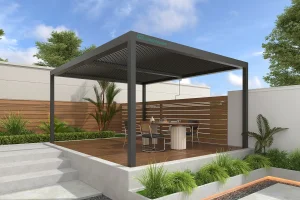
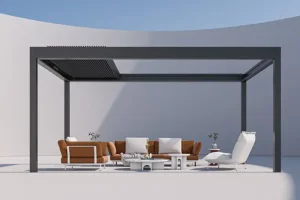


Purchasing industrial-grade building components requires evaluation of both performance specifications and compliance documentation. For large projects, buyers should verify wind resistance ratings, thermal transmittance data, and certification standards (such as EN, GOST, or ISO). Working with a manufacturer that provides comprehensive test reports and customized support helps ensure a smooth, reliable integration process.
 GARRAF