New Zealand's unique architectural landscape is characterized by diverse microclimates, high seismic activity, and highly corrosive coastal environments. From the salt-laden air of Auckland's Waitematā Harbour to the heavy snow loads of Queenstown's alpine regions, selecting structural building envelopes requires deep material expertise. In recent years, security has also become a critical consideration for both residential developments and light commercial installations across the North and South Islands.
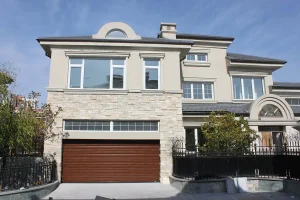
Traditional garage doors, often manufactured from structural steel or timber panels, struggle to perform under these demands. Steel is highly prone to oxidation and red rust in marine-grade zones (classified as C4 and C5 under ISO 9223), requiring frequent painting and maintenance. Timber, though aesthetically pleasing, undergoes dimensional changes due to New Zealand’s high humidity and UV levels, leading to warping and mechanism failure. This is where high-grade, extruded aluminum alloy profiles emerge as the gold standard for high-security roller closures.
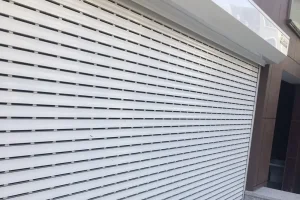
Designed with double-walled extruded profiles and interlocking guide systems to protect properties against forced entry and ram-raid scenarios.
Polyurethane-insulated cores provide thermal breaks, helping architects comply with the updated H1 Energy Efficiency building codes.
Naturally forms an oxide layer that resists saline corrosion. It can also be treated with architectural powder coatings for long-term protection.
In New Zealand, garage doors must be more than just barriers—they are critical elements of the structural building envelope. In Extra High Wind zones (often exceeding wind pressures of 1.5 kPa to 2.5 kPa), garage doors can act as failure points during storm events. If a garage door fails, it can lead to internal pressurization of the building, potentially blowing off the roof structure.
Our heavy-duty aluminum garage doors (including the GRF38 and GRF77 models) are engineered with reinforced end-locks and heavy-gauge guide tracks. This construction provides wind-lock properties that resist blowout forces in accordance with NZS 3604 structural guidelines, ensuring the integrity of the property is maintained during extreme weather events.
Delivering certified protective exterior solutions for residential, commercial, and industrial projects worldwide.
The global garage door industry is transitioning from manual, single-skin barriers to highly automated, smart-integrated architectural facades. Internationally, the demand for sustainable and high-tensile materials has positioned aluminum as the premier choice. Unlike steel, which requires carbon-heavy smelting and is difficult to recycle without degradation, aluminum supports the circular economy with low embodied carbon when sourced from green-smelting plants.
From a security standpoint, structural engineers are responding to an increase in opportunistic burglaries and organized ram-raids by adopting dual-force locking technologies. Modern anti-theft aluminum doors feature internal mechanical locks within the drive shafts, coupled with bottom-rail detection systems. When closed, these doors engage an anti-lift mechanism that prevents the curtain from being pried open with crowbars, offering a strong line of defense for homes and warehouses.
The strength of our security shutter and garage door profiles lies in their internal geometry. Our manufacturing process uses high-pressure extrusion to produce multi-chamber profiles with varying wall thicknesses, ensuring strength in key stress areas:
A standard solution is rarely sufficient for New Zealand's varied geography. Our engineering department designs systems specifically for local conditions:
Designed for high-salinity zones, featuring marine-grade structural coatings and stainless steel components to prevent oxidation and ensure reliable long-term performance.
Engineered for high wind pressures with heavy-duty guide tracks, deep-groove profiles, and reinforced end-locks to prevent blowouts during strong gusts.
Provides thermal insulation for alpine areas like Queenstown, combined with a lightweight profile that reduces structural loads in seismically active regions.
As the construction industry moves toward digital coordination and BIM (Building Information Modelling) frameworks, our production standards are evolving to provide architectural teams with highly precise design data. We focus on continuous research and development, refining extrusion accuracy and coating durability to support long service lives in demanding climates.
Our engineering division focuses on key technological advancements to enhance garage door performance:
To ensure high standards across international markets, our products undergo structured quality testing:
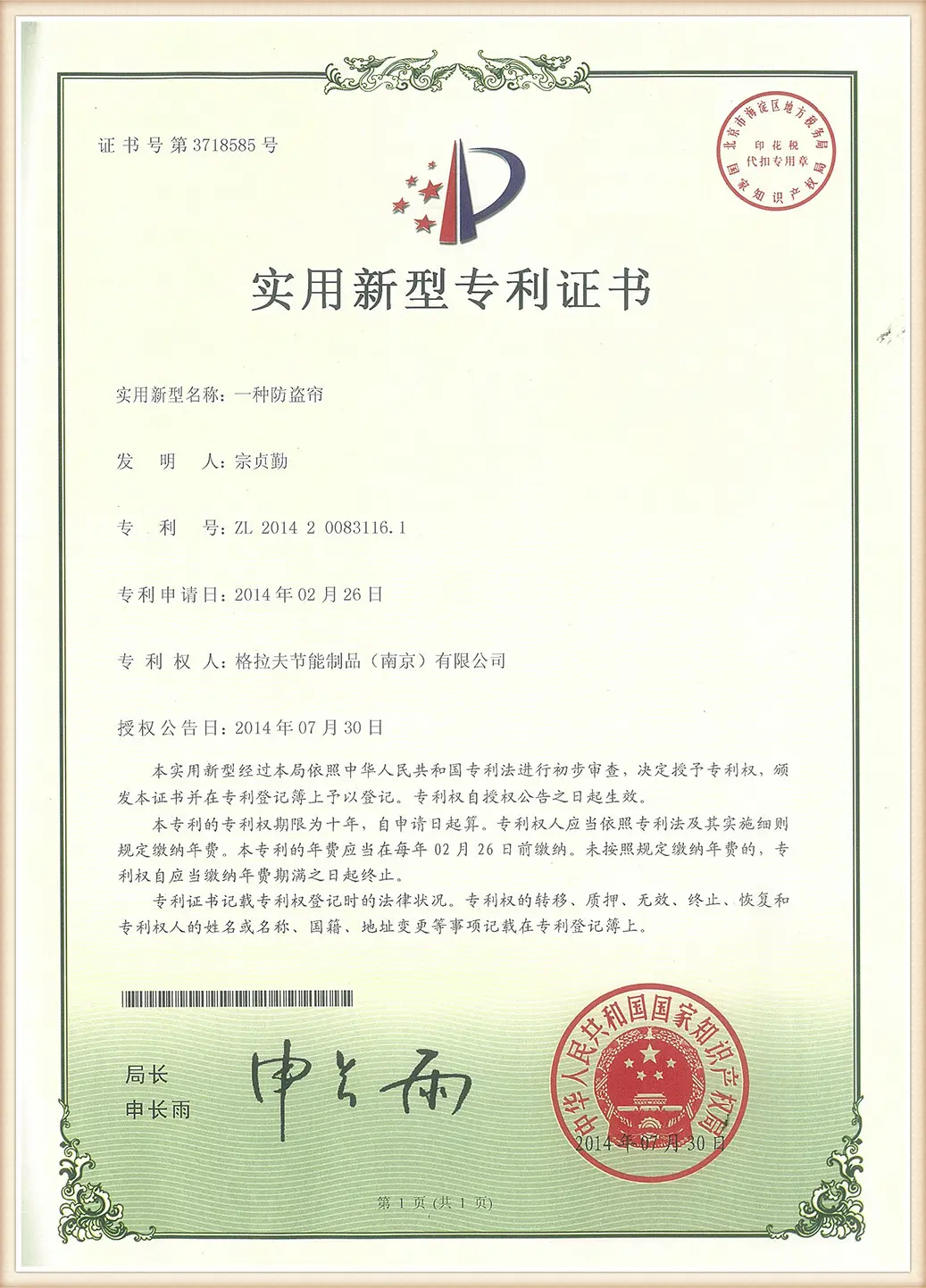
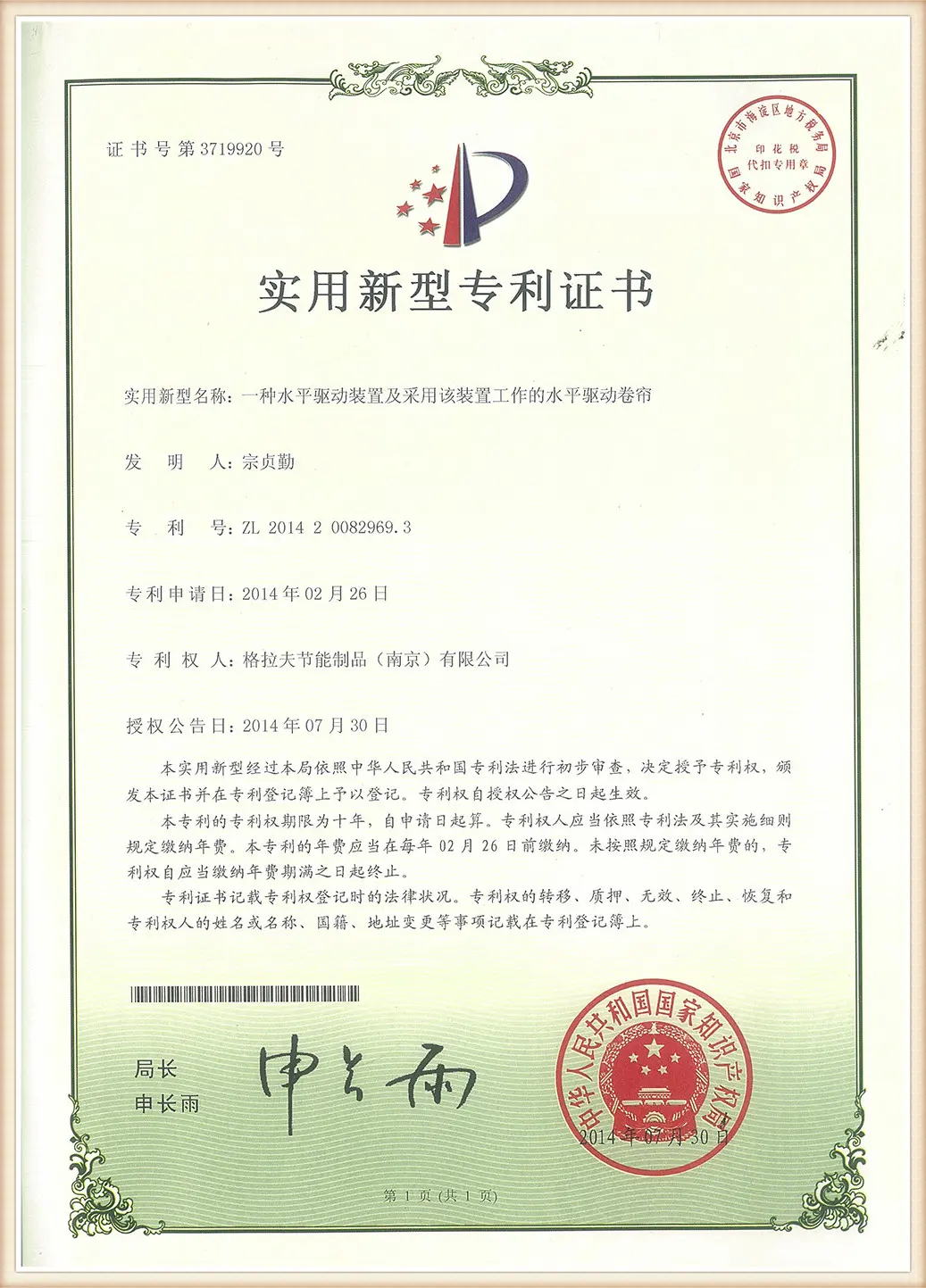
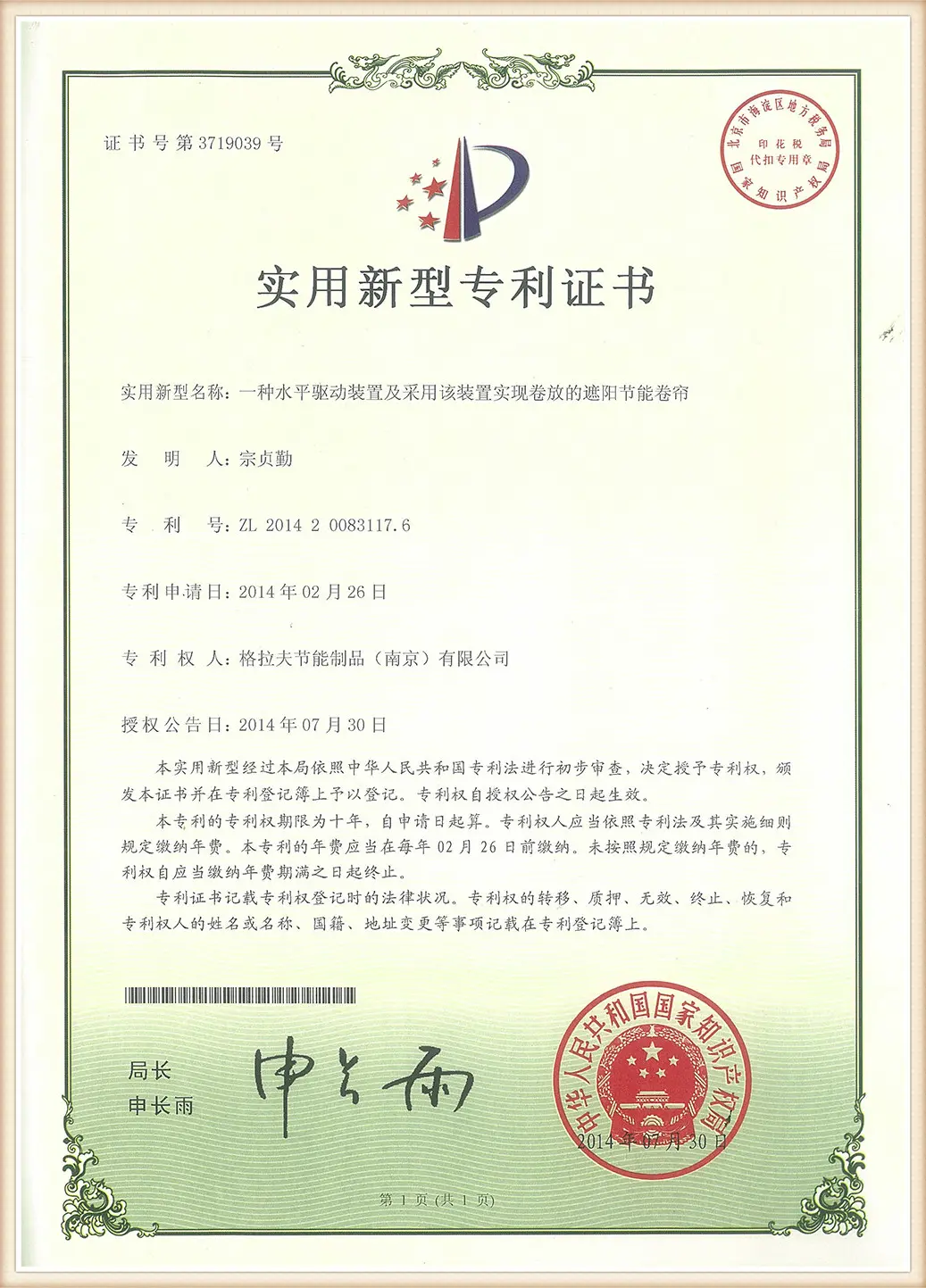
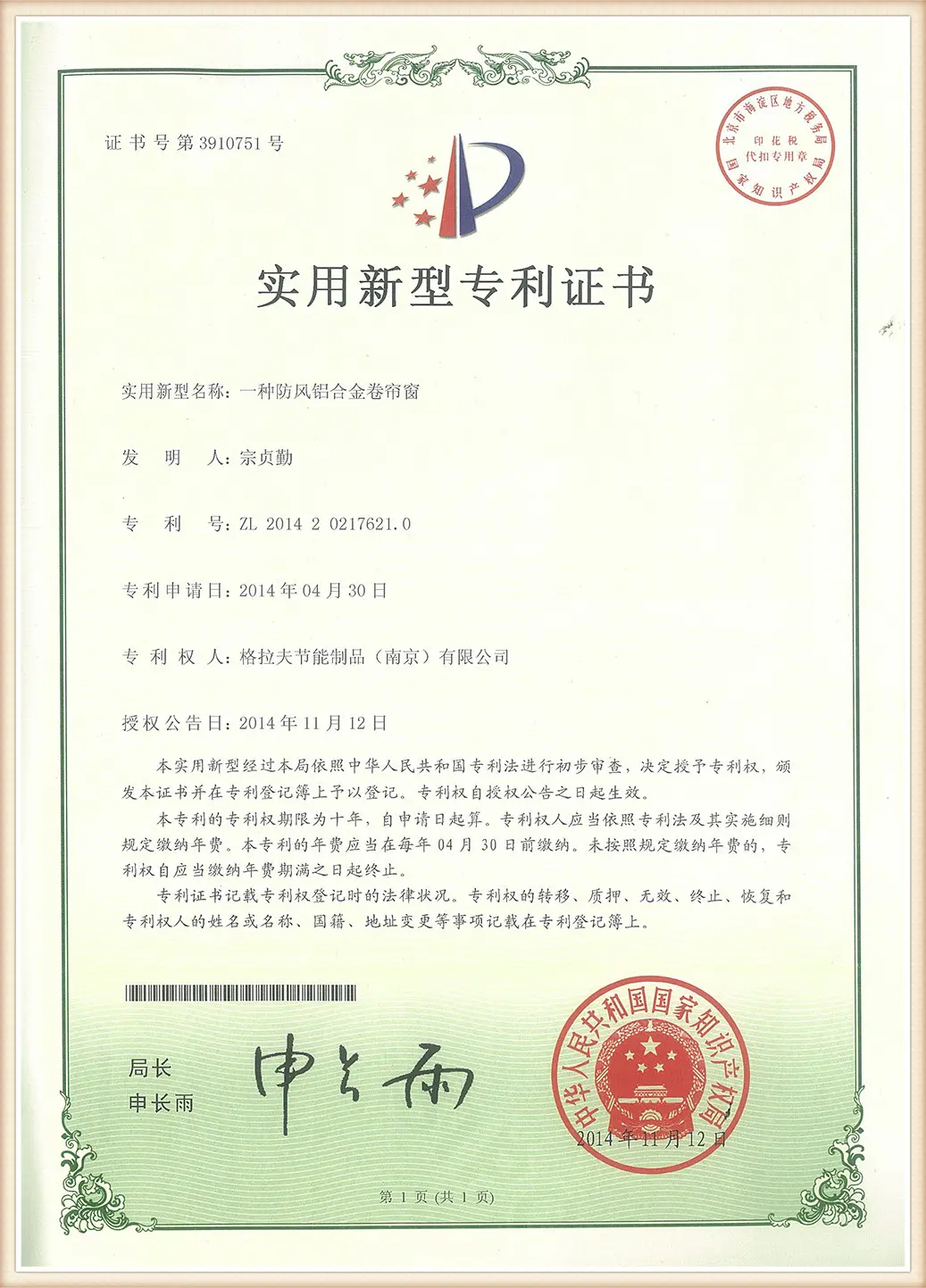
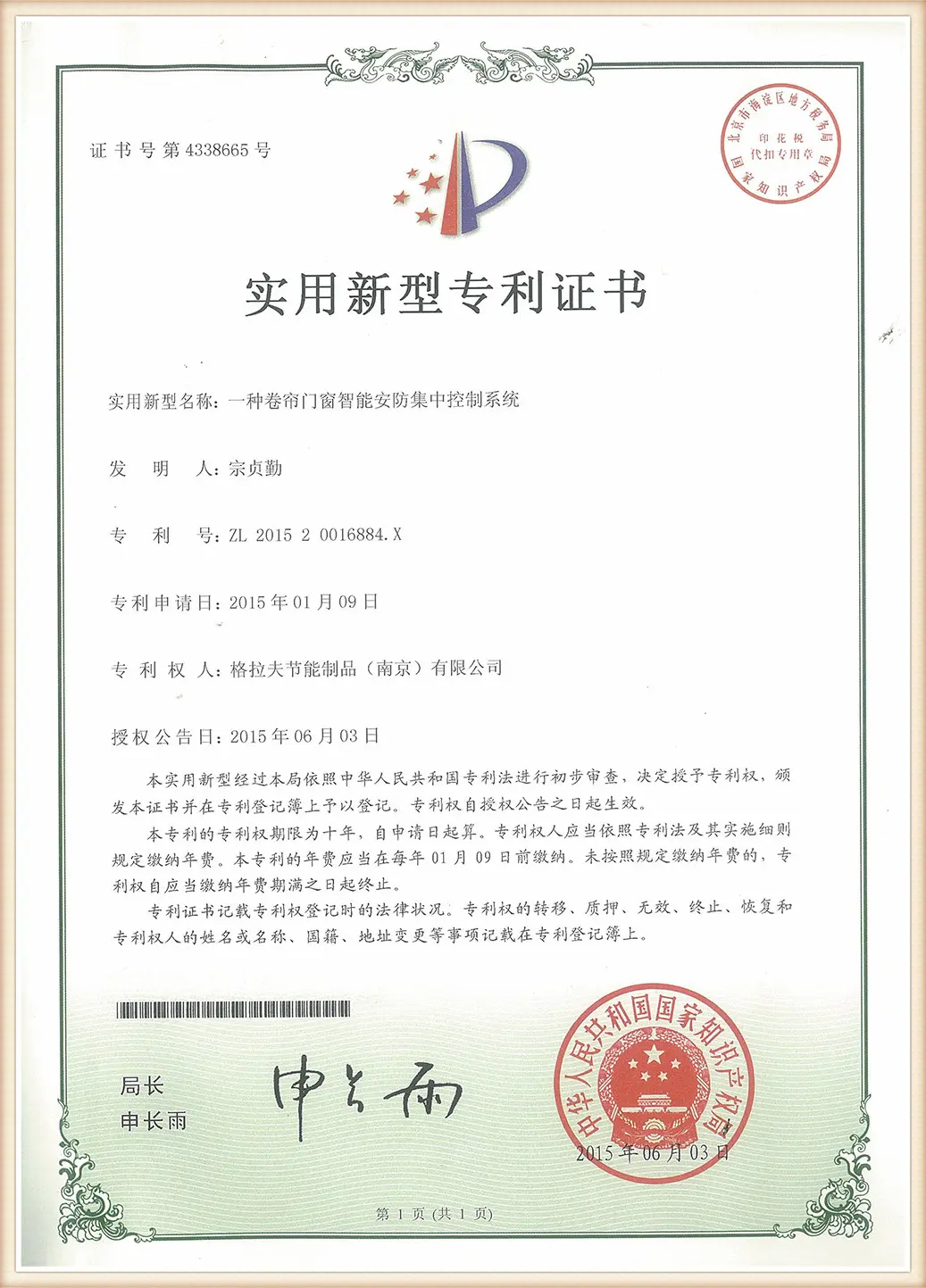
Our manufacturing plant operates under ISO 9001 quality management guidelines. Our protective shutters and doors carry CE certifications and hold numerous core utility patents. Each shipment destined for New Zealand is accompanied by material test certificates to verify alloy grade and coating thickness.

We work closely with builders, developers, and distributors across New Zealand. We welcome virtual and in-person factory tours, allowing clients to inspect our extrusion, powder-coating, and packaging processes first-hand.



Get in touch with our engineering team for technical drawings, BIM models, and custom quotes tailored to New Zealand wind and seismic standards.
 GARRAF