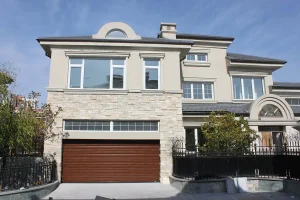
As the construction landscape pivots towards energy efficiency and safety, residential roller shutters are no longer optional—they are essential infrastructure.
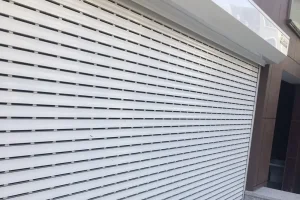
Understanding regional climate requirements is the cornerstone of our engineering. In North American and European markets, our aluminum roller shutters are optimized for thermal bridging mitigation, reducing HVAC load by up to 25% annually. In coastal zones, our shutter profiles undergo rigorous salt-spray testing to meet high-endurance, corrosion-resistant standards required for hurricane-prone areas.
We leverage a vertically integrated supply chain, from billet extrusion to powder coating. This ensures not only cost-competitiveness but, more importantly, supply chain continuity. By maintaining buffer stock of raw materials (high-grade 6063-T5 aluminum), we circumvent global logistical bottlenecks, ensuring our partners maintain their installation schedules.
The next generation of residential shutters is not static—it is interactive. We are currently integrating Matter/Zigbee compatible smart motors, allowing for seamless integration into home automation ecosystems (Apple HomeKit, Google Home, Amazon Alexa). Our research into automated shading algorithms, which trigger closures based on real-time solar intensity and weather forecasts, sets a new standard for sustainable living.
Our commitment to E-E-A-T principles is cemented in our quality assurance. We hold extensive CE, ISO 9001, and UL certifications. Every product batch is documented with a full traceability report, ensuring that local building code compliance—whether for safety, fire resistance, or insulation—is never a barrier to your entry into new markets.
Our standardized production cycle is 20-30 days, thanks to our streamlined factory operations. We prioritize rapid delivery without compromising on quality.
Yes. We have extensive experience in OEM/ODM partnerships, collaborating with developers and distributors to create custom-branded, climate-resilient solutions.
Our shutters utilize thermal insulation technology that creates an air buffer zone, preventing heat transfer and significantly lowering heating and cooling energy consumption.
 GARRAF