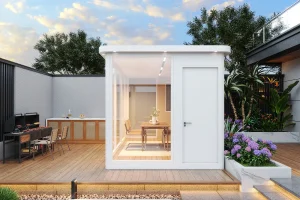
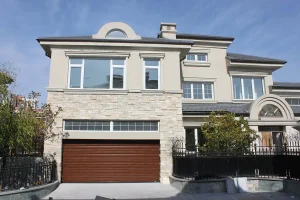
The granny flat industry has undergone a seismic shift. No longer limited to local carpenters, it has evolved into a globalized manufacturing sector. As housing density increases globally—from North America to the MENA region—contractors and developers are turning to reliable, high-quality wholesale factory suppliers to meet the demand for accessory dwelling units (ADUs).
Procuring modular housing components directly from specialized factories offers significant advantages:
The future of modular construction lies in the intersection of smart materials and precision engineering. Our technical roadmap focuses on three pillars:
Moving towards carbon-neutral production, utilizing recyclable aluminum frames, and implementing high-efficiency thermal insulation to meet global energy-efficiency standards. This aligns with modern Green Building certifications (e.g., LEED).
Utilizing BIM (Building Information Modeling) to ensure that modular components integrate perfectly with site-built foundations, reducing construction time by up to 50%.
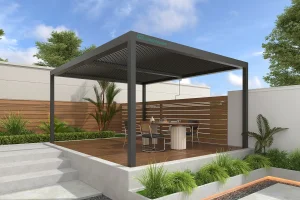
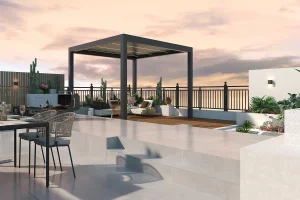
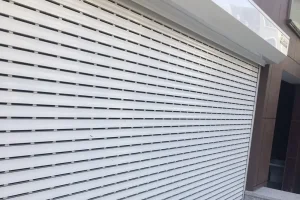
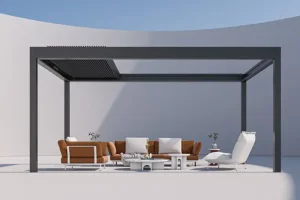
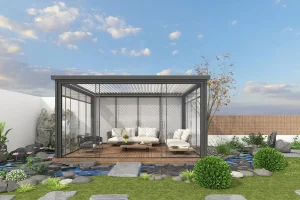
Developing structural integrity designs that withstand regional climate challenges, whether high-wind zones or extreme thermal exposure. Our research into heat-insulating shutter systems and durable louvered structures is part of this forward-looking ecosystem.
Navigating the complex landscape of local building codes is the biggest challenge for international buyers. A true professional supplier does not just sell a unit; they provide compliance support.
From CE certifications to local wind-load testing, we ensure that every product exported meets the rigorous standards of your destination market. We bridge the gap between "factory-direct price" and "local-code compliance," providing engineers' stamps and technical documentation that satisfy local municipal planning departments.
 GARRAF