Explore our leading, certified architectural systems designed for maximum energy efficiency, structural durability, and modern outdoor integration.
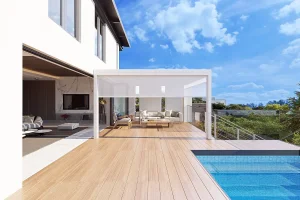
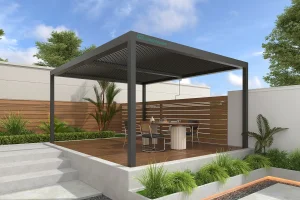
The global construction industry is experiencing a profound paradigm shift. As nations align to meet net-zero carbon targets, building envelopes have emerged as the primary defense against thermal inefficiency. Traditional building practices, characterized by site-assembled components, are rapidly giving way to precision-manufactured, energy-efficient prefabricated building components. This evolution is driven by the urgent need to lower operational carbon footprints, reduce thermal bridging, and maximize structural longevity.
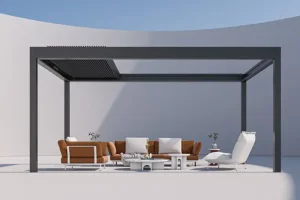
In modern sustainable architecture, energy efficiency is no longer defined simply by insulation layers. It is conceptualized as an integrated, dynamic system comprising passive structural frames, dynamic thermal barriers, solar management apparatus, and airtight perimeter seals. High-grade prefabricated aluminum structures, such as dynamic louvered systems, solar-blocking screens, and high-insulation rolling portals, form a critical part of the modern building envelope. By standardizing these architectural systems under factory conditions, architects and commercial builders achieve unprecedented precision, ensuring structural airtightness, optimized R-values, and significantly reduced thermal gain.
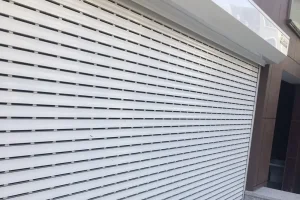
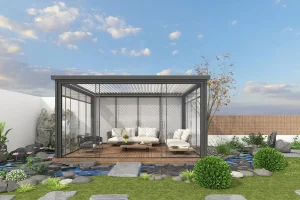
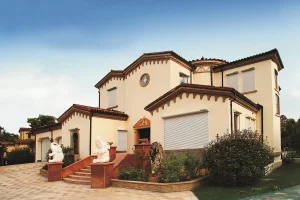
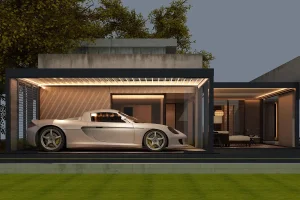
For contractors, developers, and wholesale importers, modular prefab structural components represent the frontier of building optimization. By specifying factory-built aluminum structures, commercial developments can mitigate the traditional risks associated with structural weathering and onsite human error. We offer holistic solutions tailored specifically for residential, light commercial, and institutional projects:
By focusing on thermal breaks, dynamic shading, and durable mechanical seals, our product suites directly contribute to global certification standards, including LEED (Leadership in Energy and Environmental Design), BREEAM, and passive house compliance, ensuring long-term asset value for property owners.
Pioneering precision manufacturing with data-driven output, extensive international reach, and proven structural engineering expertise.
The commercial real estate market is facing stringent regulatory pressure to reduce energy consumption. In Europe, the Energy Performance of Buildings Directive (EPBD) mandates all new structures to be nearly zero-energy buildings (nZEB). In North America, ASHRAE 90.1 sets aggressive thresholds for building envelope efficiency. Consequently, developers are moving away from traditional wood and masonry exterior details in favor of highly engineered, modular aluminum systems.
Aluminum is the material of choice for high-end prefab components. It offers an exceptional strength-to-weight ratio, structural elasticity, and 100% recyclability at the end of the building lifecycle. Our global supply network satisfies this international demand by providing structurally verified components. Through advanced powder-coating techniques (complying with Qualicoat standards) and integrated thermal breaks, our structural components withstand extreme climates—from the humid, salt-heavy atmospheres of coastal APAC regions to the freezing, high-wind zones of Northern Europe and Canada.
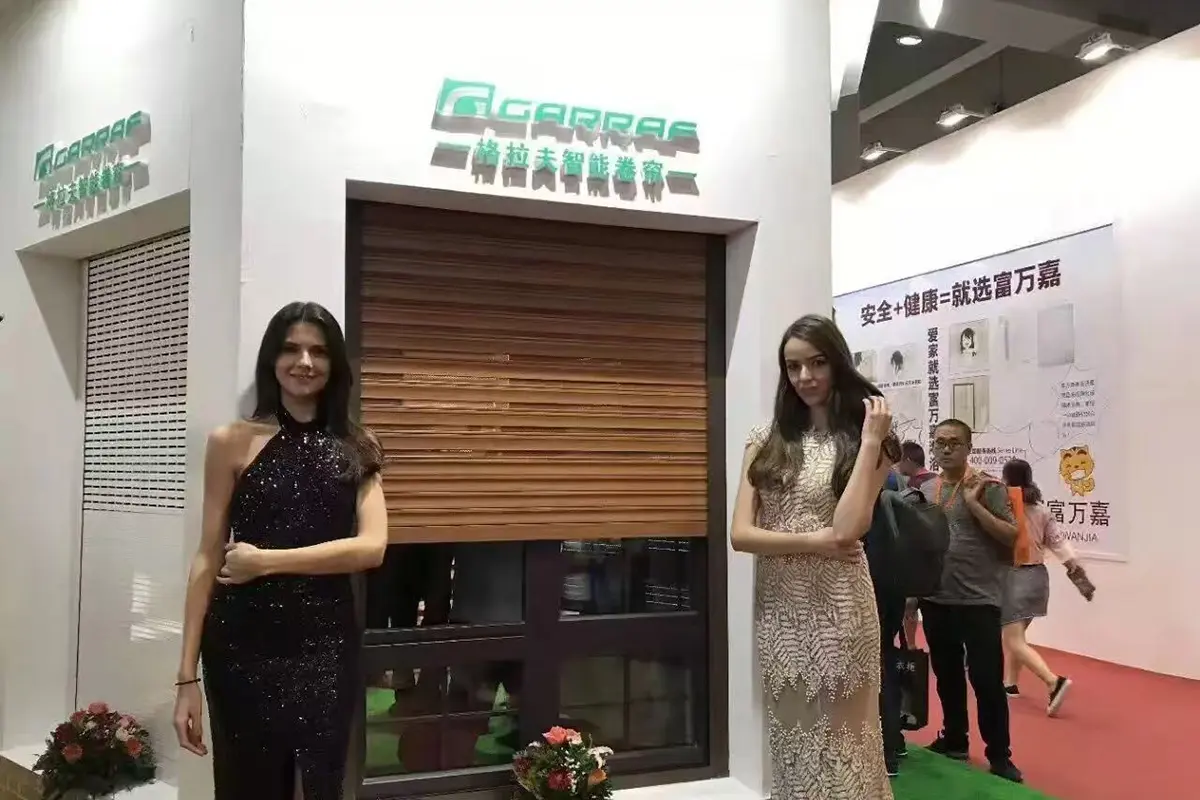
Our architectural components are engineered to fit seamlessly into diverse structural plans, providing immediate aesthetic and thermodynamic benefits. Below are the key pillars of our manufacturing technology:
Utilizing high-density polyurethane injection cores and thermal break barriers to ensure minimal thermal transmission, stabilizing indoor temperatures across changing seasons.
Integrated weather, wind, and solar sensors linked with building management systems (BMS) for automatic adjustment, ensuring optimal energy performance.
Tested for high wind-load tolerances and structural integrity under heavy snow loads, satisfying international structural codes and anti-theft protocols.
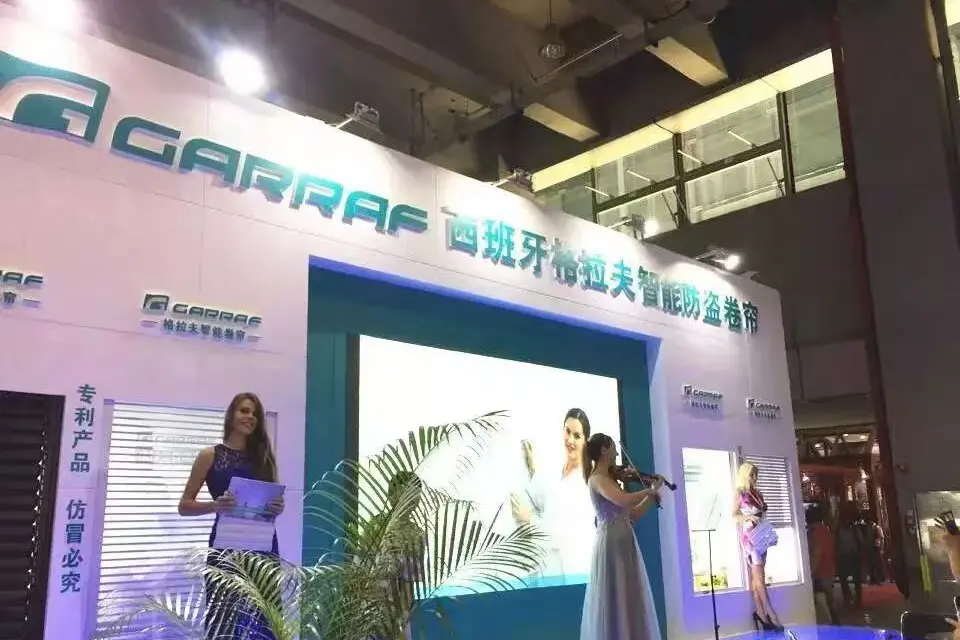
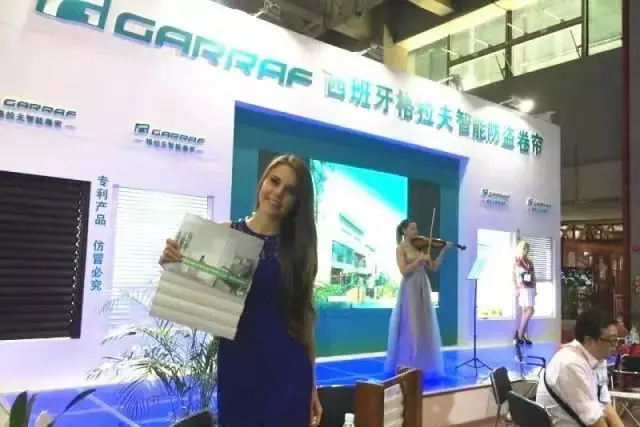
Observe our high-capacity extrusion lines, precision testing protocols, and client inspection tours that reinforce our structural compliance.
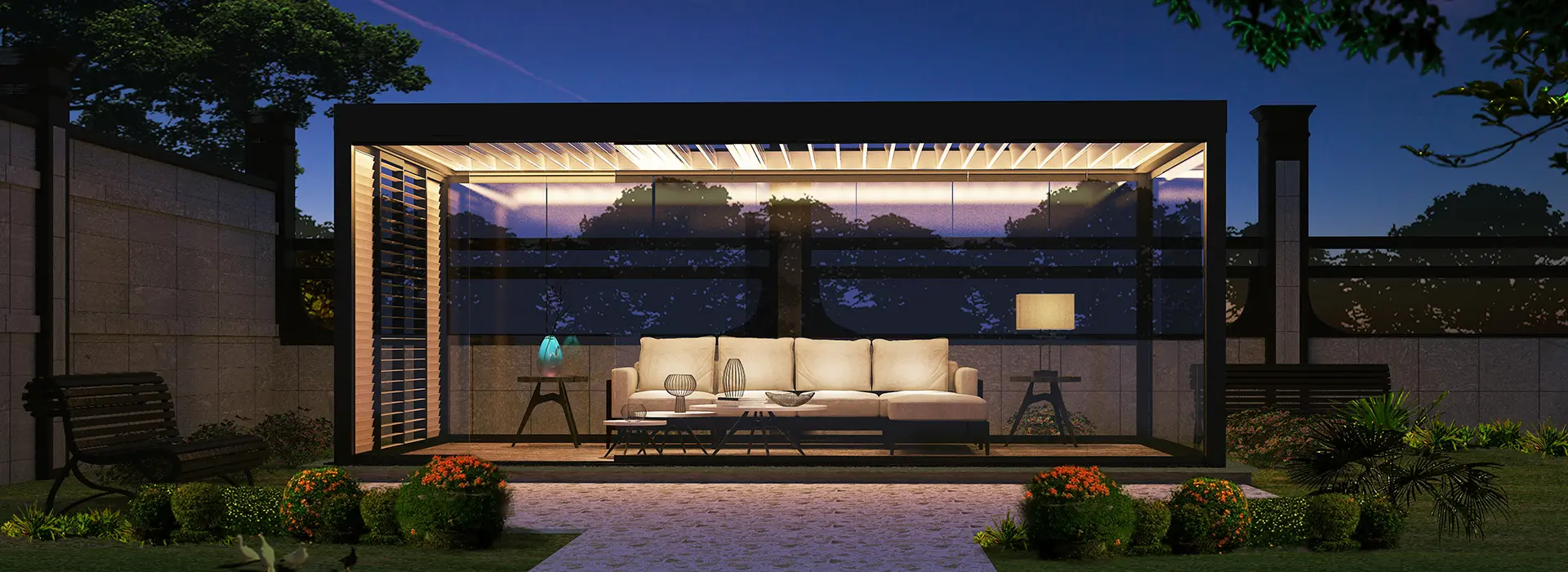

Every region faces unique meteorological challenges. A standard architectural structure designed for a temperate climate will fail in a harsh sub-zero winter or a desert environment. Therefore, we utilize localized climate engineering principles to customize our prefab building components:
Compliance is the foundation of structural trust. We maintain international standard certifications and structural engineering patents.
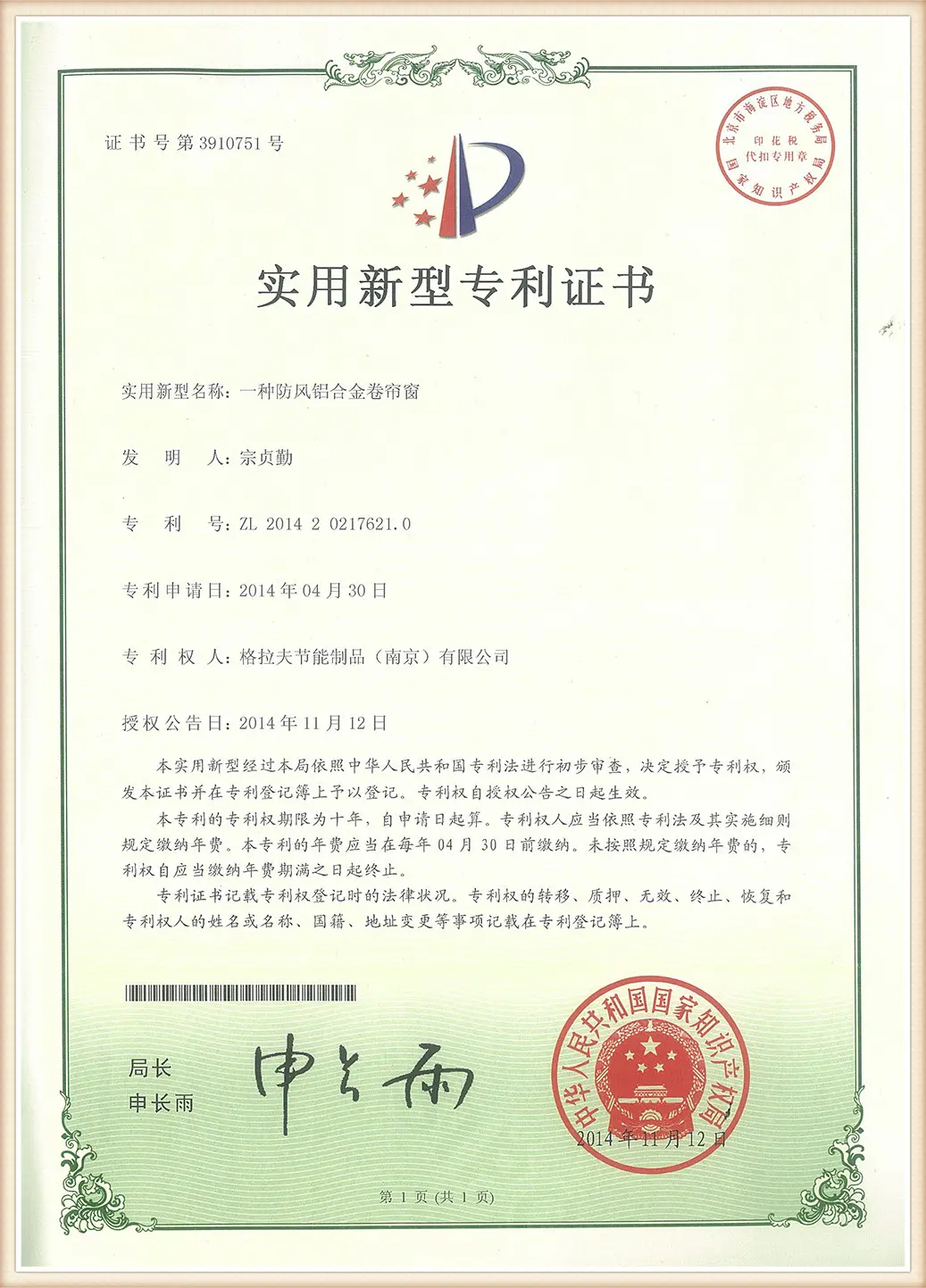
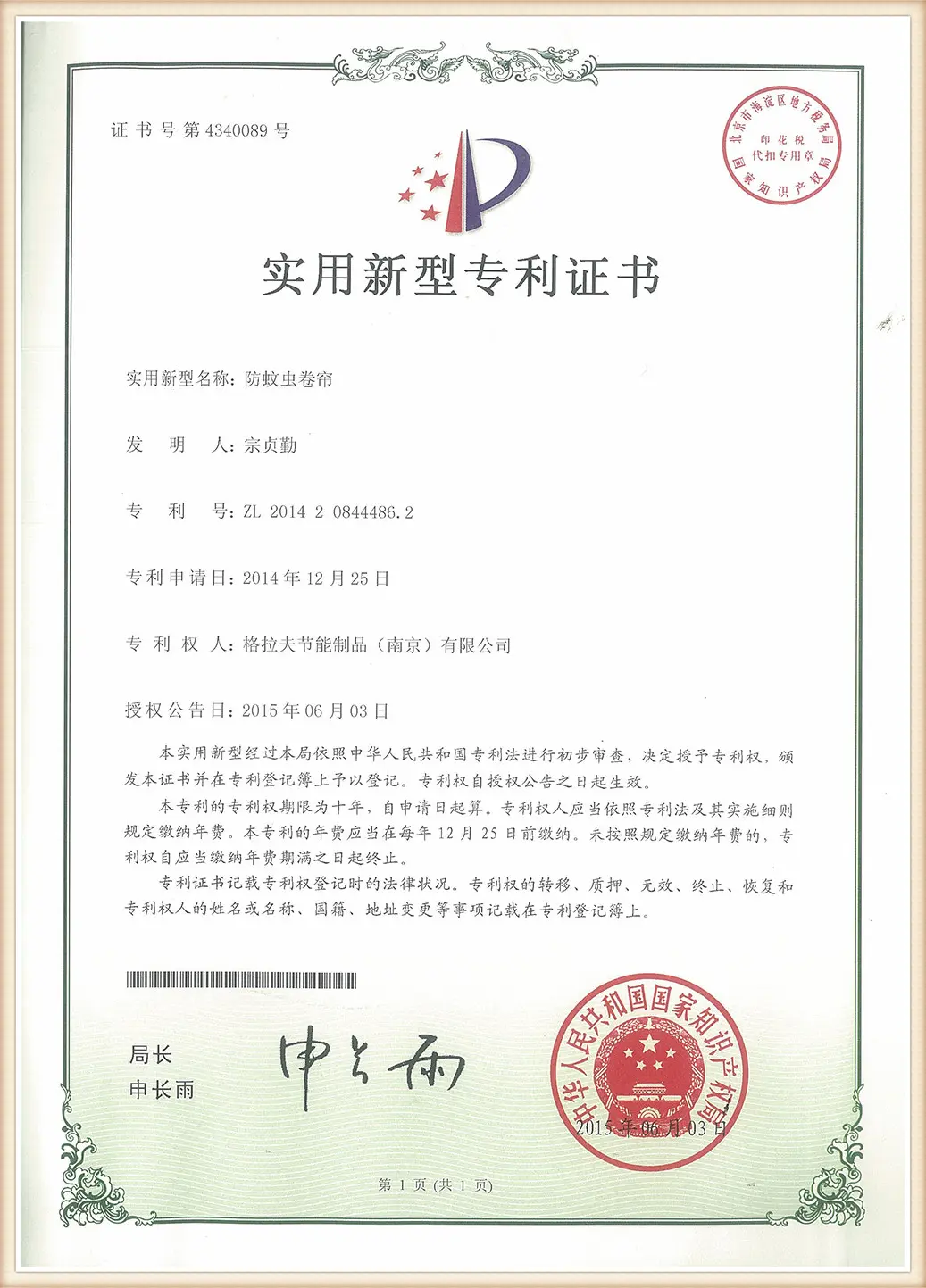
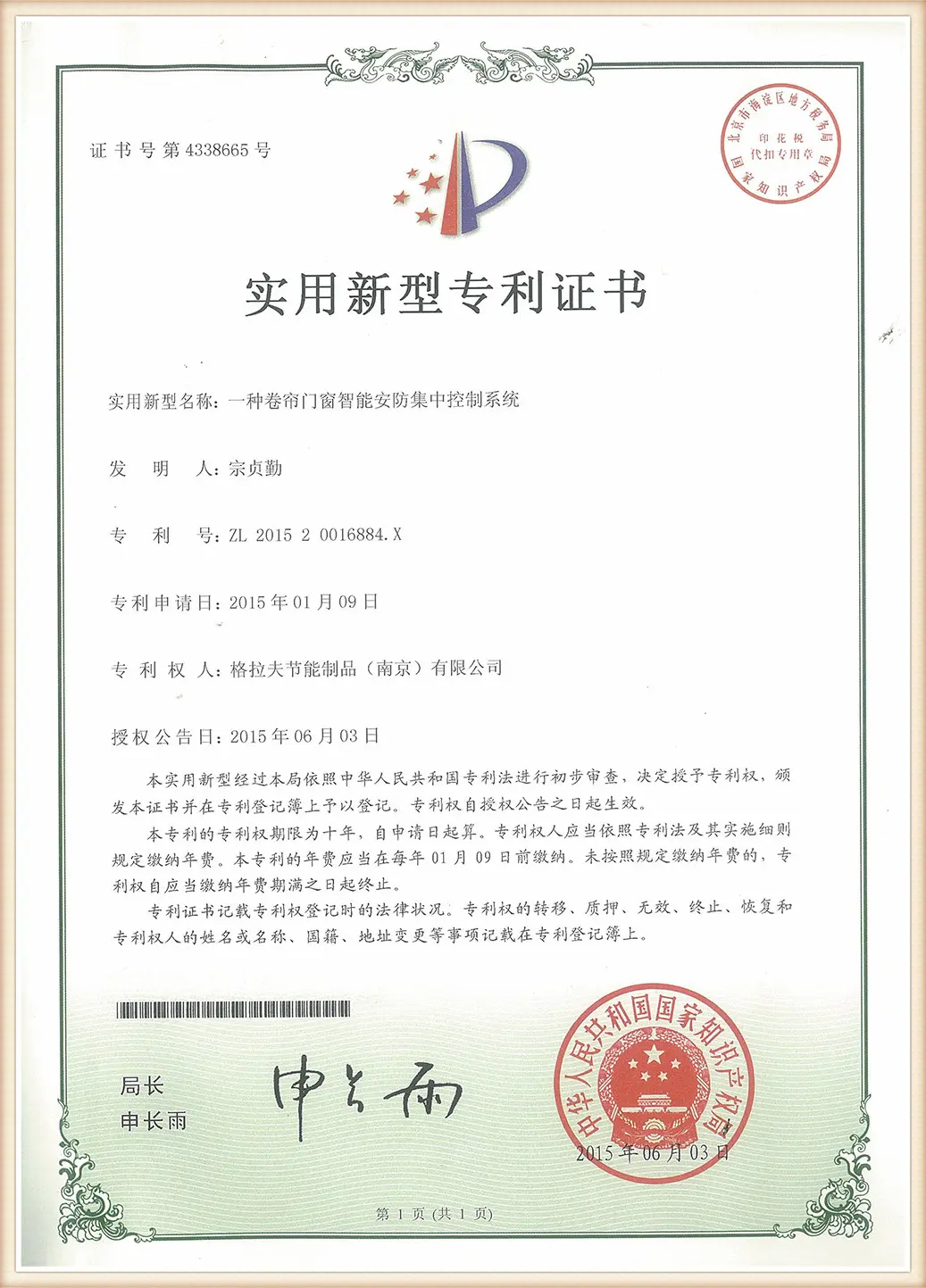
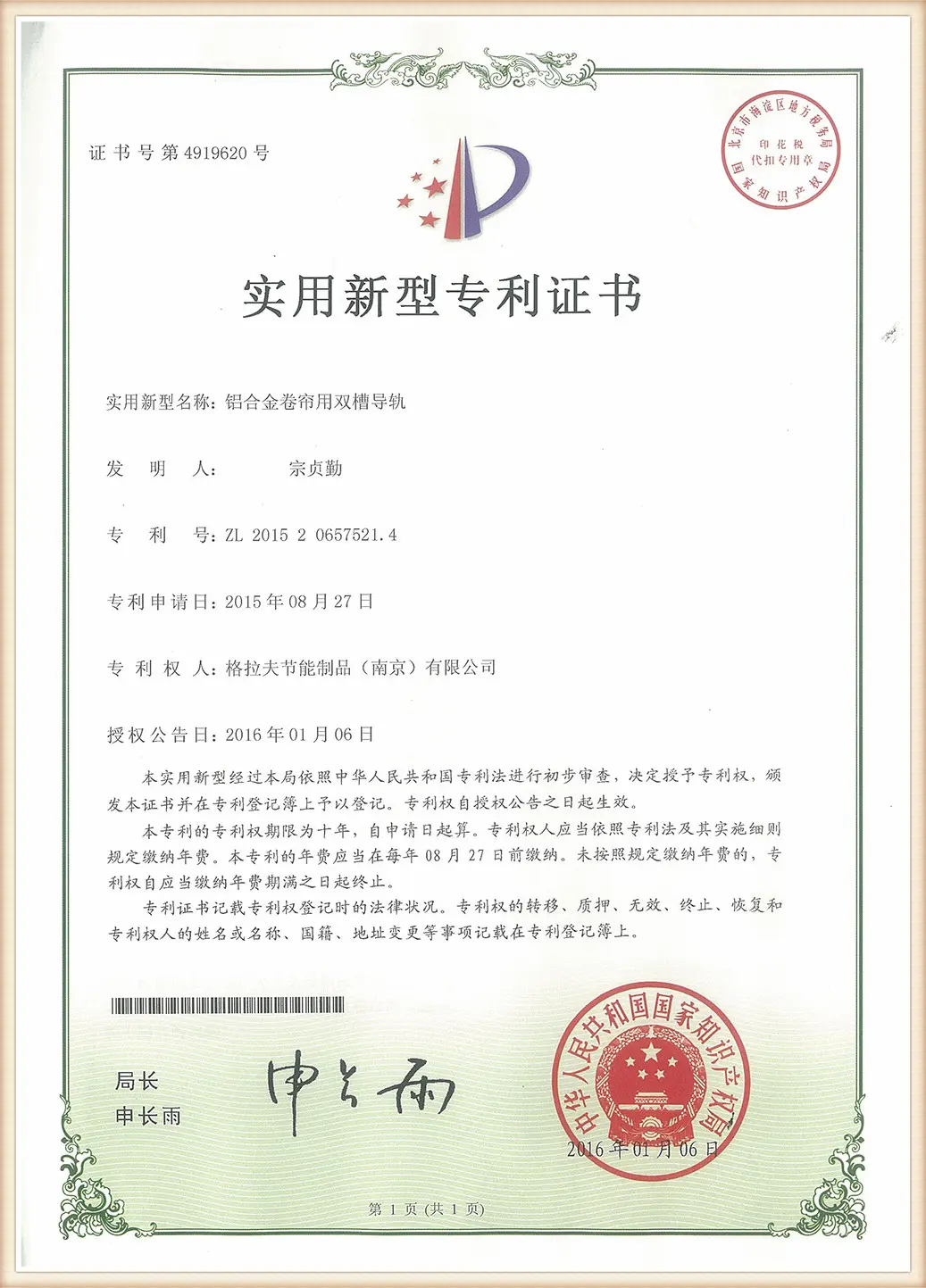
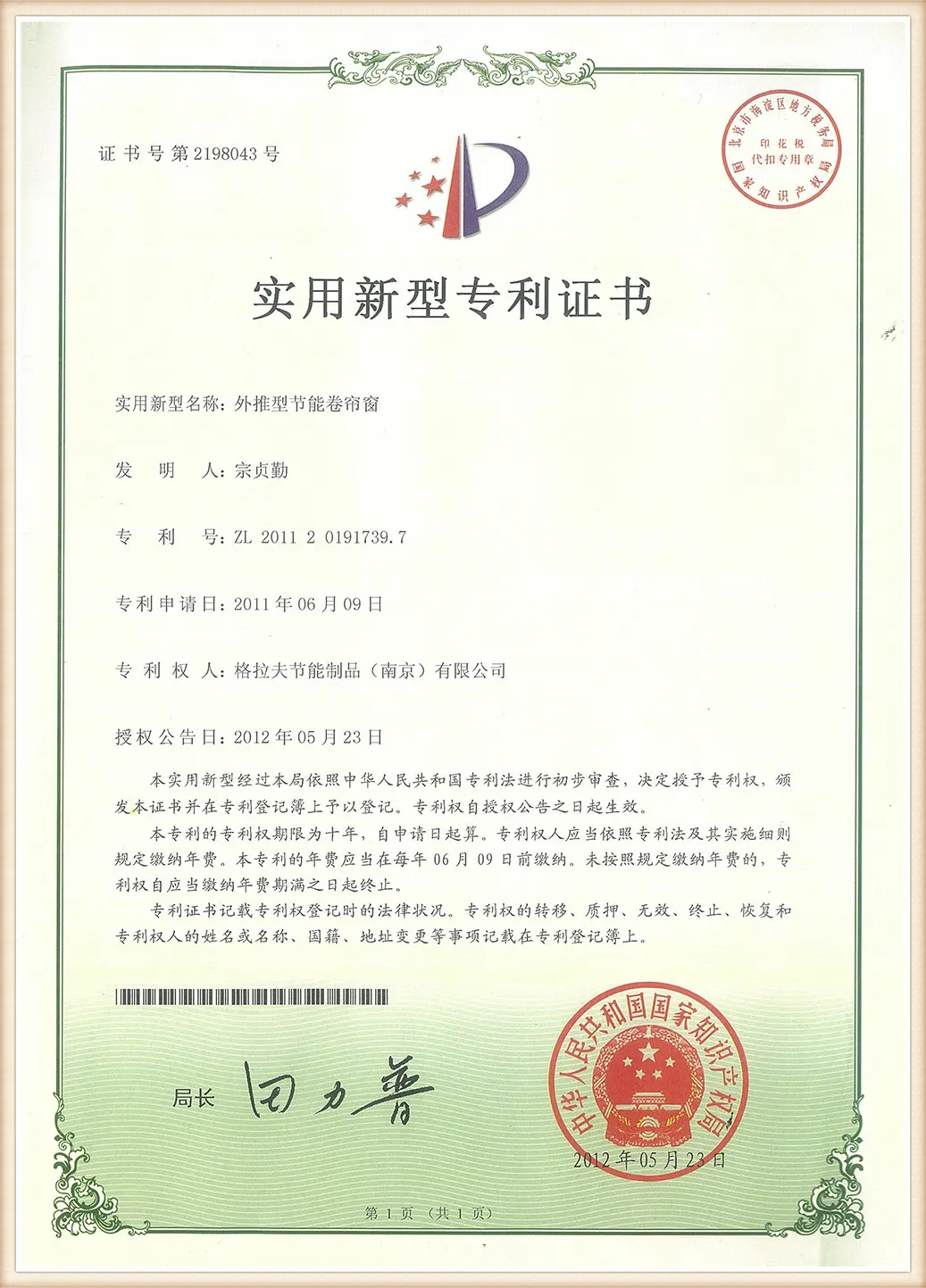
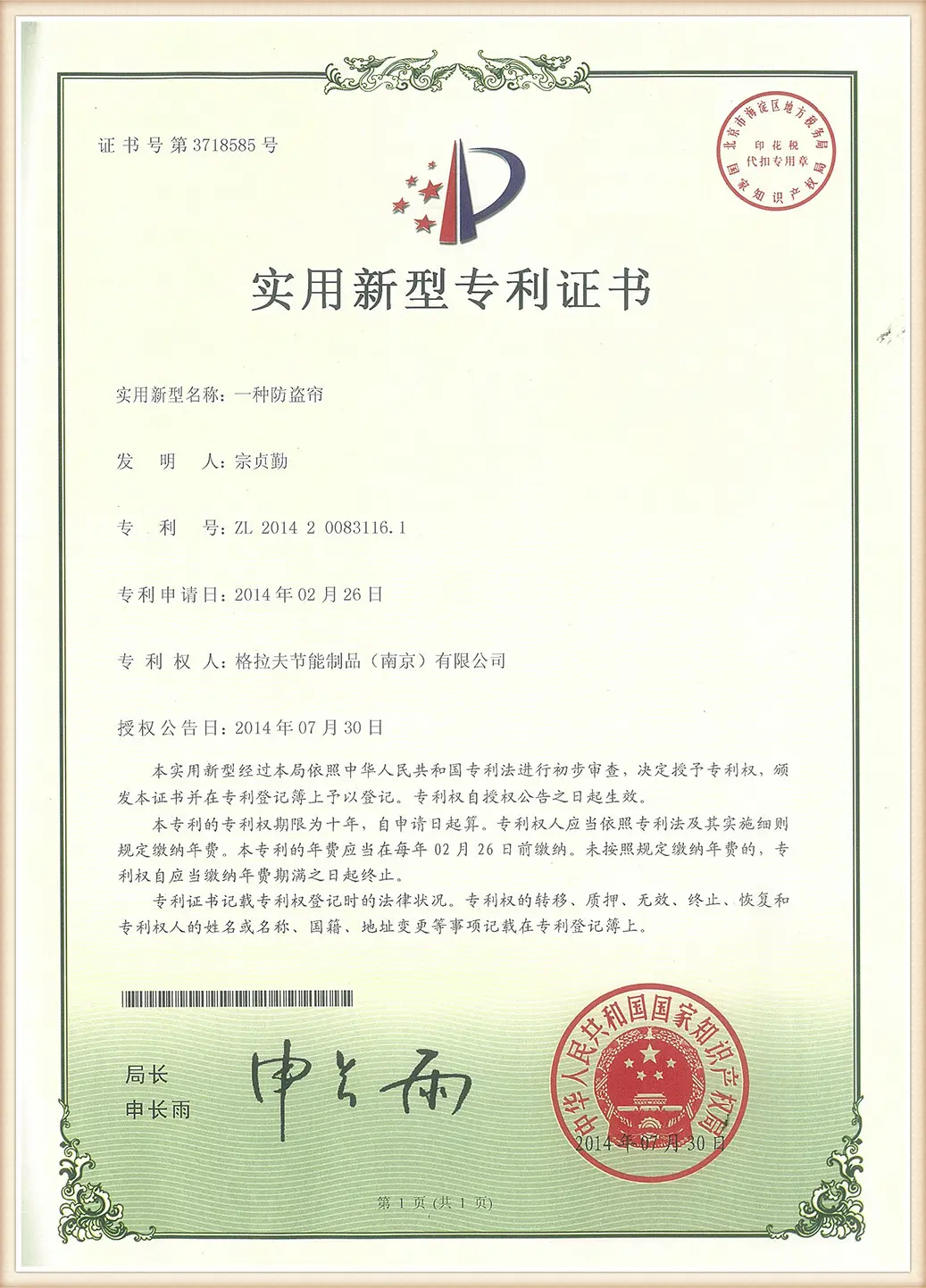
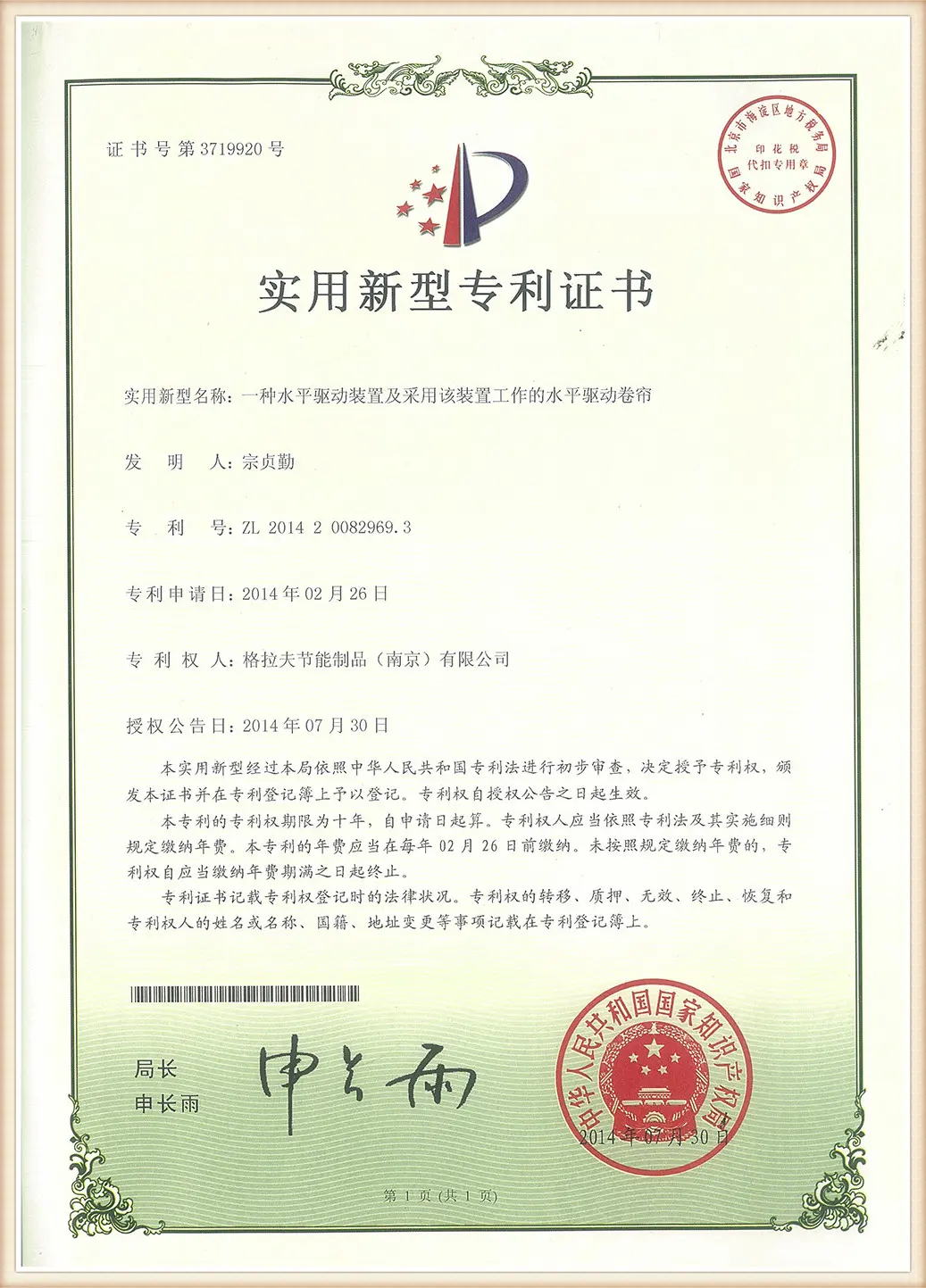
We welcome international engineers, distributors, and developers to audit our raw material processing, robotic assembly lines, and QC laboratories.
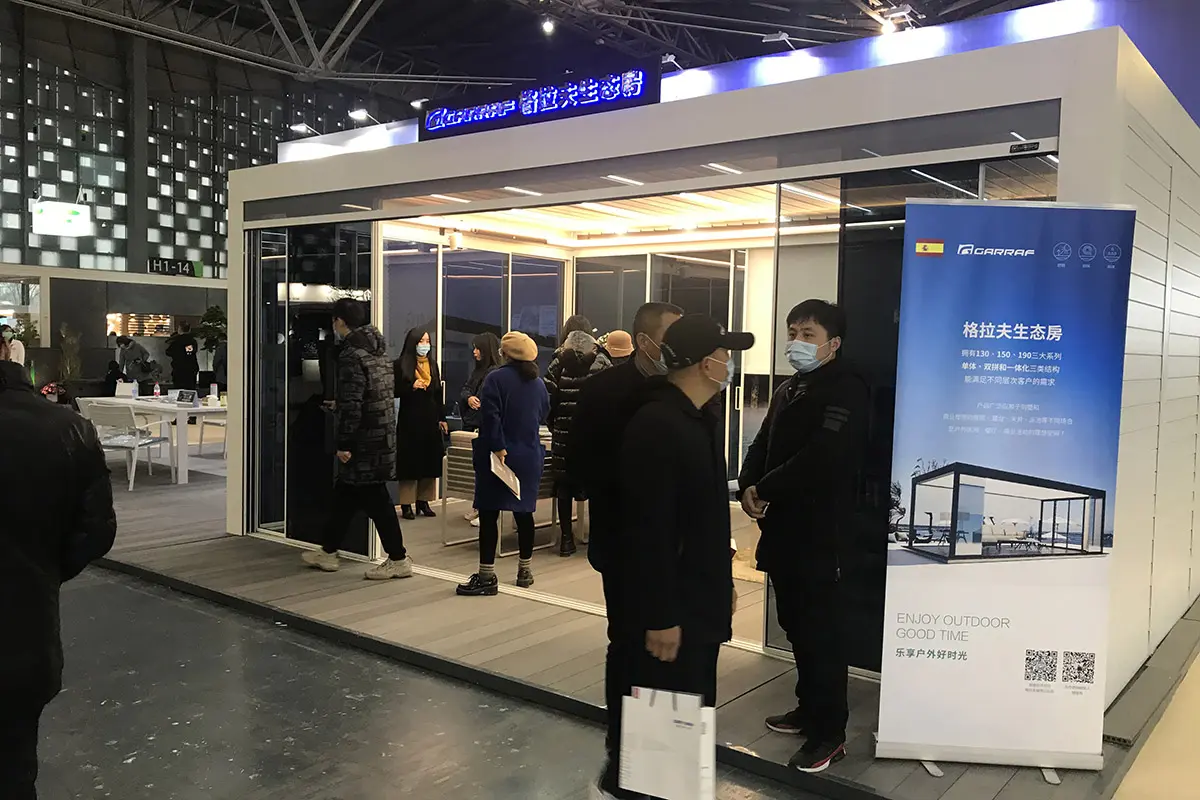

The future of energy-efficient prefabricated components lies in the integration of smart electronics and responsive materials. As high-performance buildings transform into active energy-generating systems, building facades must evolve. Our engineering teams are actively researching and testing technologies that will define the next decade of prefab design:
Get technical answers to common queries regarding energy performance, customization, and wholesale coordination.
The energy efficiency is determined by three main elements: the introduction of thermal breaks within the aluminum frames to prevent conductive energy loss, the R-value of insulation cores (such as polyurethane infills used in our doors), and dynamic solar management (such as automated louver systems) that controls solar heat gain.
All architectural designs undergo FEA (Finite Element Analysis) to simulate localized mechanical stress. Our structural models hold CE certifications and are customized with thicker-walled profiles (6063-T5 aluminum alloy) to meet regional building codes for heavy snow loads and category-level wind speeds.
Yes, we specialize in high-capacity OEM and ODM manufacturing. Architects and project managers can supply CAD or BIM designs. Our design team translates these specifications into structural manufacturing blueprints, handling extrusion, coating, motorized hardware integration, and quality testing within our 20,000 SQM factory.
Standard structural fabrications require 20 to 30 days of production. Bulk custom extrusions and multi-unit projects will depend on customization details. We coordinate with major global freight forwarders to guarantee secure, on-time shipping, packed inside heavy-duty crates to prevent damage during sea transport.
Collaborating with global distributors, developers, and engineering firms to deliver top-tier architectural installations.


Browse our premium range of louvered rooftops, security shutters, and heavy-duty thermal barrier doors.

Connect with our senior technical engineering team to plan, customize, and quote your structural prefab components and high-performance envelopes. We reply within 24 hours.
Request a Quote GARRAF