Explore our flagship catalog featuring highly weather-resistant and custom-designed aluminum exterior fixtures.
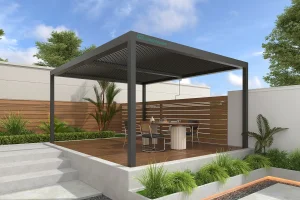
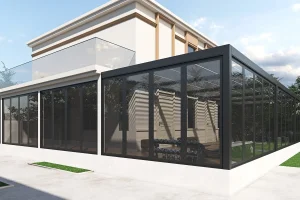
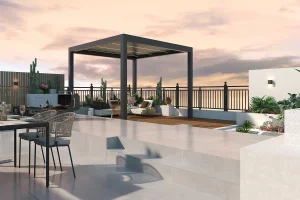
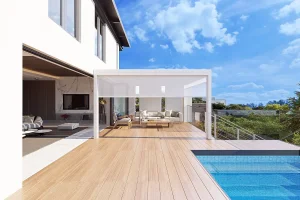
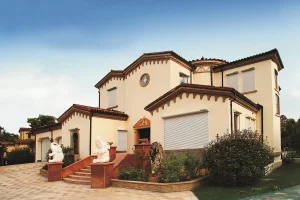
Modern architectural structures operate under intense environmental pressure. Factors such as saline atmospheric concentrations in coastal zones, industrial chemical exposures, severe wind loading, and daily temperature cycles necessitate architectural building products that perform beyond basic structural thresholds. This technical document evaluates the role of corrosion-resistant aluminum roller shutters in mitigating building depreciation, ensuring structural safety, and contributing to overall thermal efficiency.
Aluminum roller shutters have transitioned from basic commercial security grilles to highly engineered dynamic envelopes. Across North America, Europe, the MENA region, and Asia-Pacific, developers face challenges of climate change and extreme weather events. Marine environments, which contain elevated concentrations of aerosolized sodium chloride, accelerate structural oxidation on steel and standard metals. Consequently, structural designs specify marine-grade alloy systems like aluminum alloy 6063-T5 and T6.
In regions such as coastal Europe and the Middle East, the combination of high humidity and heat cycles degrades standard hardware within three years. Advanced corrosion-resistant shutters prevent early system replacement, providing a reliable barrier for warehouses, maritime military bases, chemical processing facilities, and high-wind coastal residential complexes.
The corrosion resistance of modern aluminum roller shutters is not merely a surface property but is integrated throughout the raw materials. High-purity aluminum alloys are extruded under strict thermal conditions to yield uniform microstructures. When exposed to oxygen, aluminum naturally forms a thin microcrystalline passivation layer of aluminum oxide (Al₂O₃), which resists further chemical degradation.
To withstand extreme environments, we apply advanced surface treatment profiles:
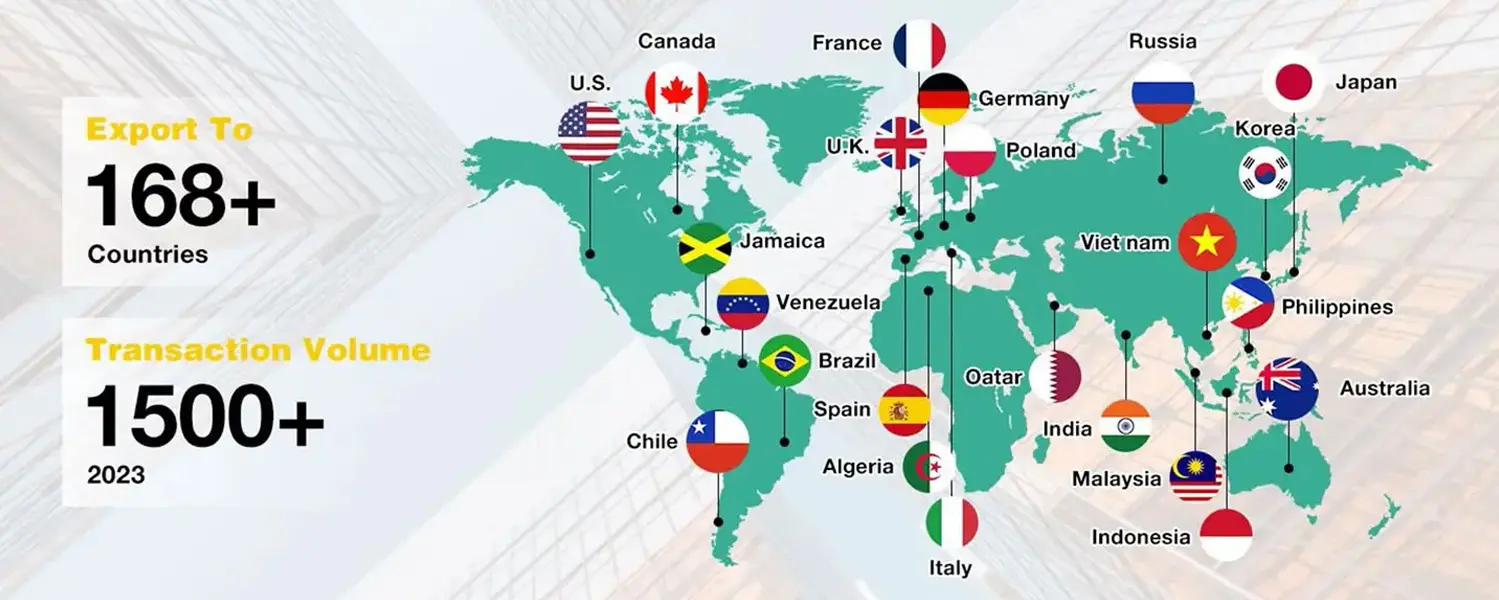
Optimizing production costs while maintaining premium structural standards is a core focus for developers. Chinese manufacturers leverage advanced industrial infrastructure to deliver high-quality, high-precision roller shutter components. Modern extrusion and automation lines minimize dimensional tolerances to +/- 0.5mm, ensuring smooth operation under high wind loads.
Key advantages of our manufacturing processes include:
Roller shutter configurations must match the specific climatic challenges of their location:
Coastal Zones and Ports: These areas experience high wind loads and direct sea spray. Hard-anodized, double-walled shutters with heavy-duty side guides prevent wind displacement and saltwater pitting.
Cold Chain and Temperature-Controlled Logistics: Thermal breaks and poly-foam core insulation prevent thermal bridging, reducing condensation and energy consumption in facilities.
Industrial Refining & Chemistry Labs: Specialized powder coatings resist chemical fumes, preventing degradation from acidic or basic vapors.
Urban Commercial Frontages: Combine soundproofing, automated security control, and aesthetic appeal to match architectural facades while ensuring physical security.
B2B procurement officers and engineering project managers prioritize performance verification over low-cost bids. A typical procurement cycle evaluates several key benchmarks:
1. Material Certification: Suppliers must provide chemical composition mill sheets showing exact trace elements in the aluminum alloys to ensure structural strength.
2. Structural Wind Load Values: Roller shutters must have wind tunnel testing certificates to guarantee they can withstand high-pressure events without failing.
3. Motorization and Smart System Integration: Shutters should integrate with building automation networks (such as KNX or RS485 systems) and include manual override mechanisms for emergency fire exits.
4. Lead Times & Supply Chain Logistics: Reliable production lead times (such as 20 to 30 days) and secure packaging prevent installation delays and transit damage.
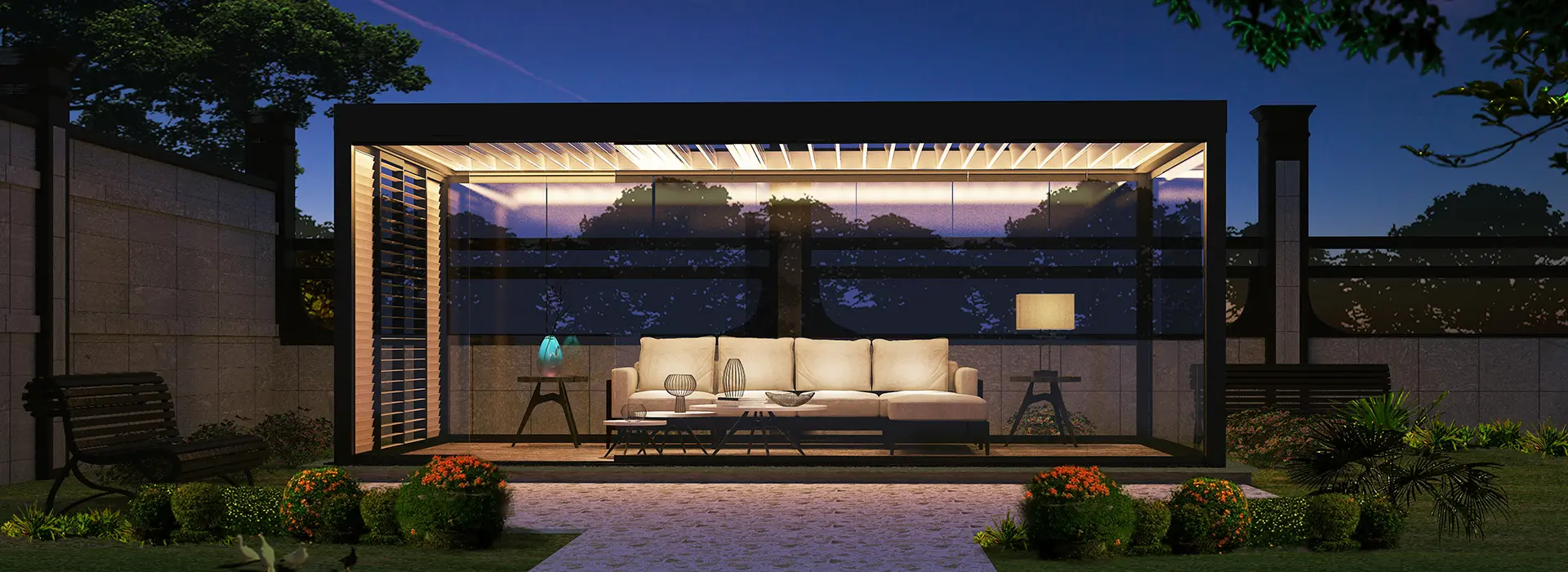
Modern building designs prioritize thermal performance and automation. Roller shutters contribute to energy savings by reducing cooling and heating loads. Additionally, automated, solar-powered drive systems run independently of the grid during power outages. Smart sensors can automatically deploy shutters in response to wind speeds, rainfall, or high solar intensity, optimizing energy consumption and building safety.
We provide tailored architectural and structural solutions to meet demanding building specifications.

OEM & ODM capabilities, tailoring dimensions, profiles, and finishes to your project's architectural requirements.

Streamlined logistics and automated extrusion lines ensure reliable delivery timelines within 20 to 30 days.

Secure packing and logistics networks guarantee safe delivery to ports and projects worldwide.

Comprehensive engineering support, from design reviews to post-installation technical guidance.
Premium outdoor architectural structures and weather protection systems direct from our factories.
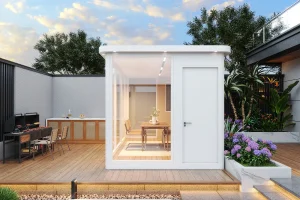
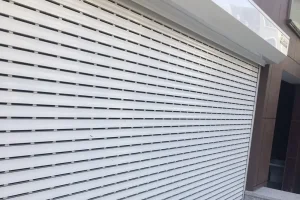
Our manufacturing and processing units operate under ISO 9001 and CE requirements, carrying over 100 technology patents.
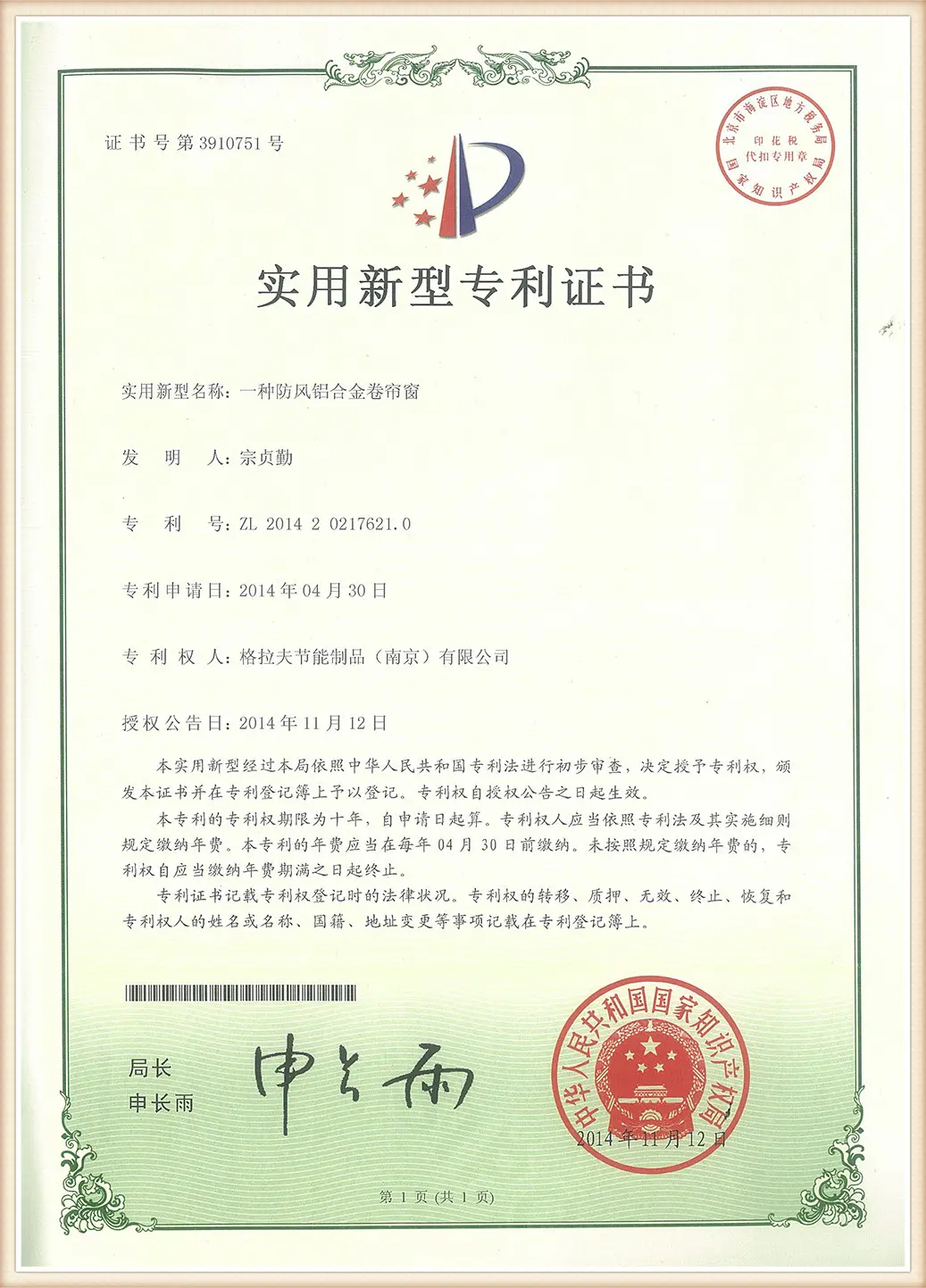
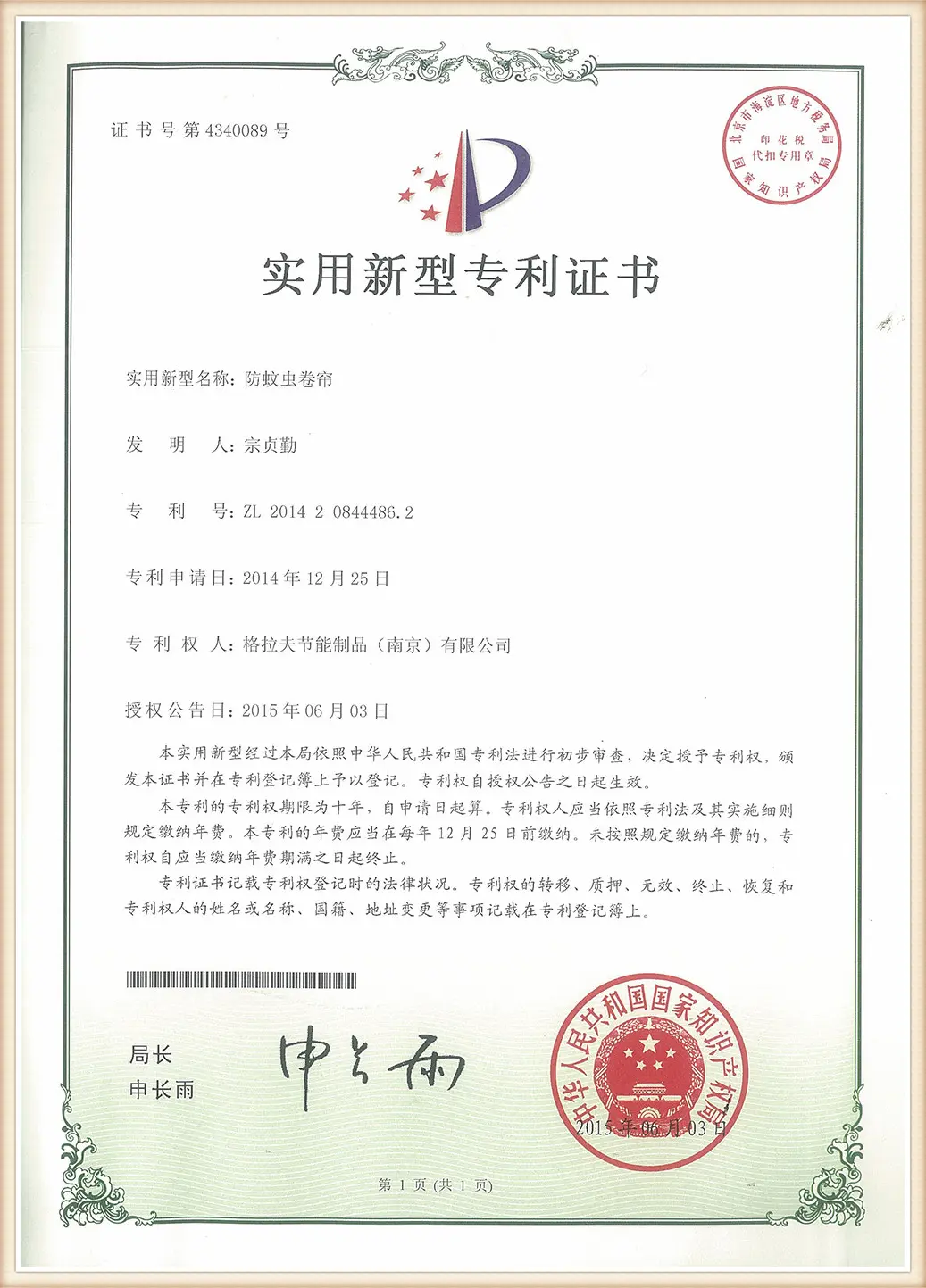
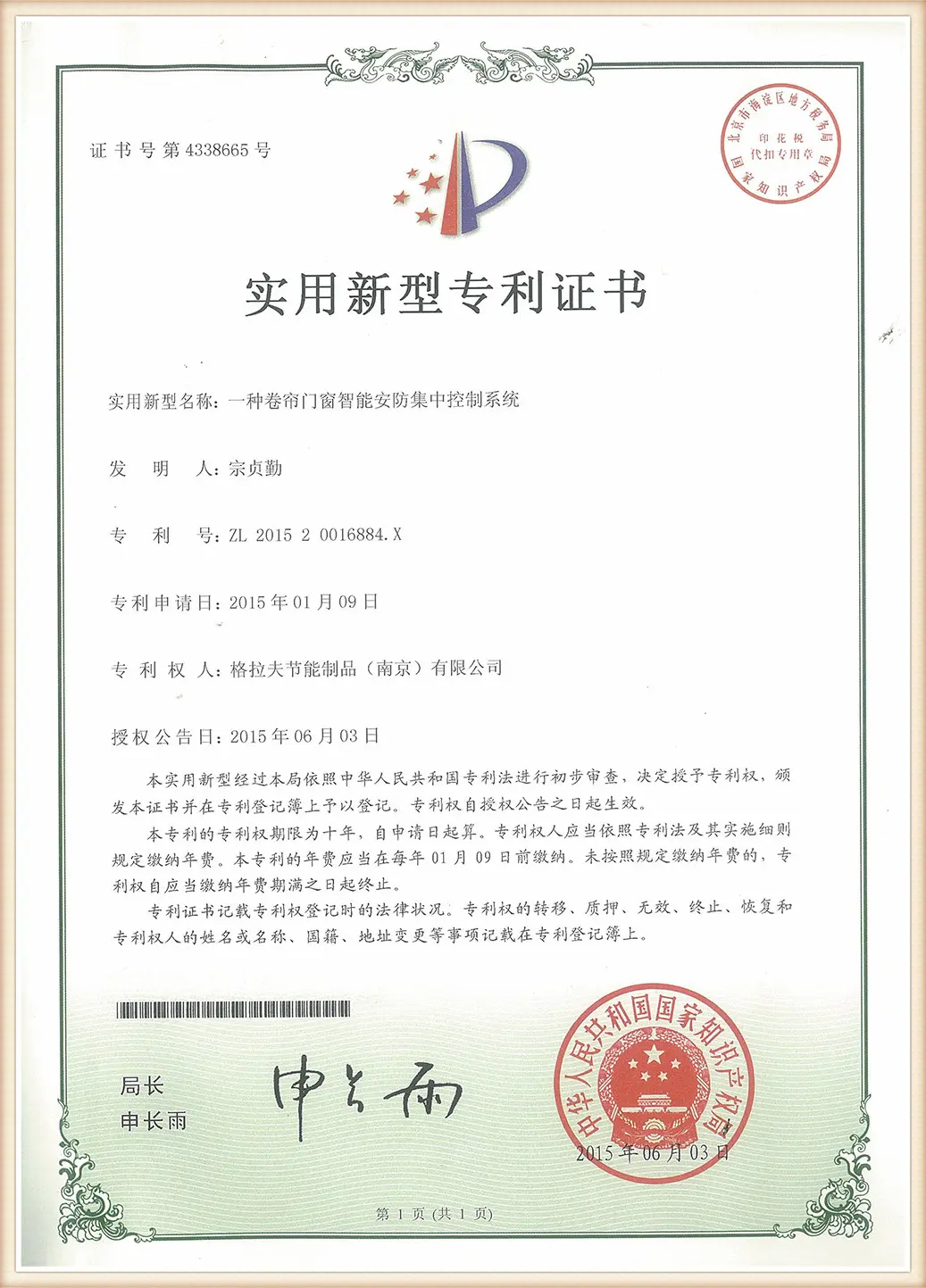
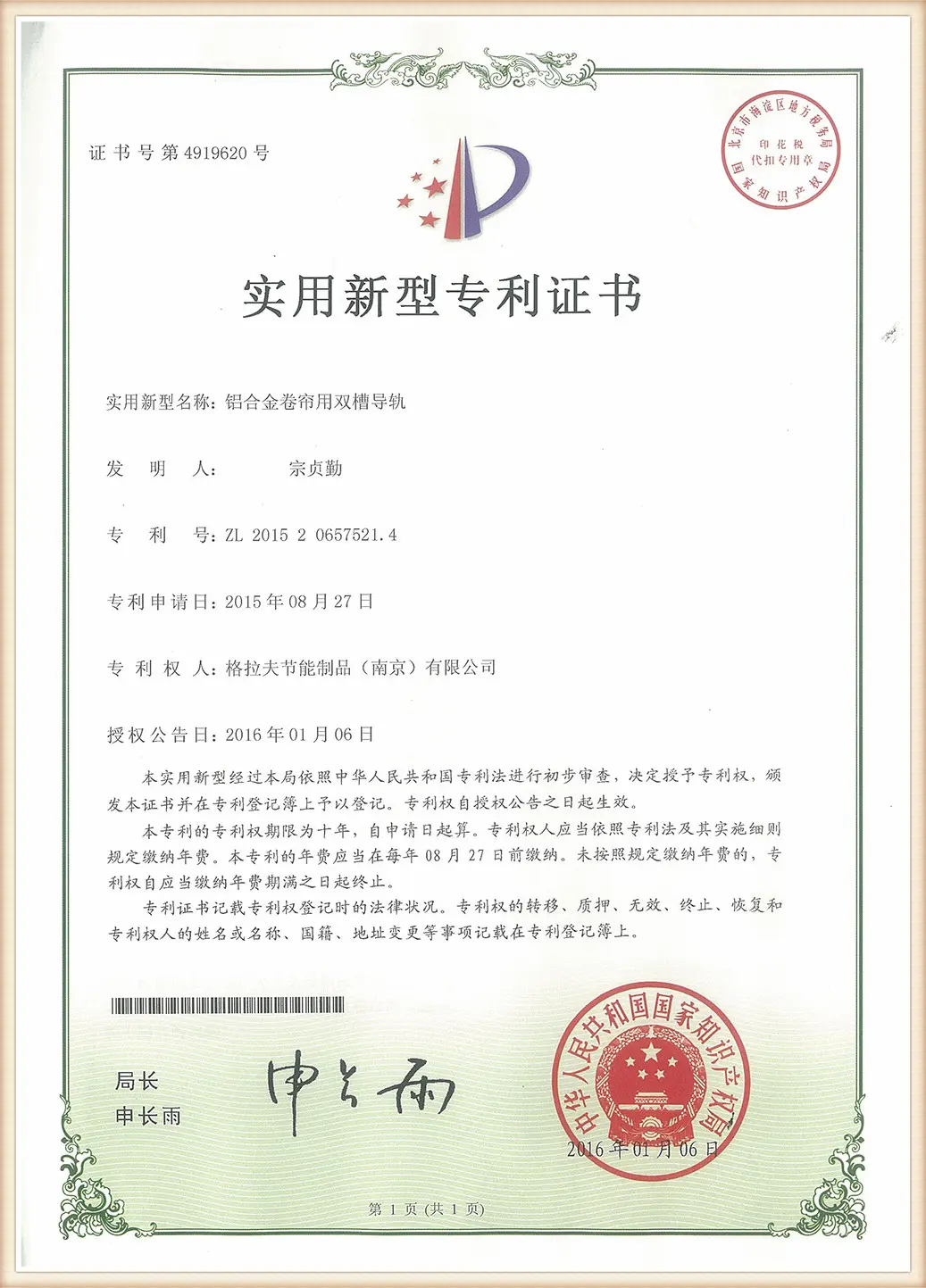
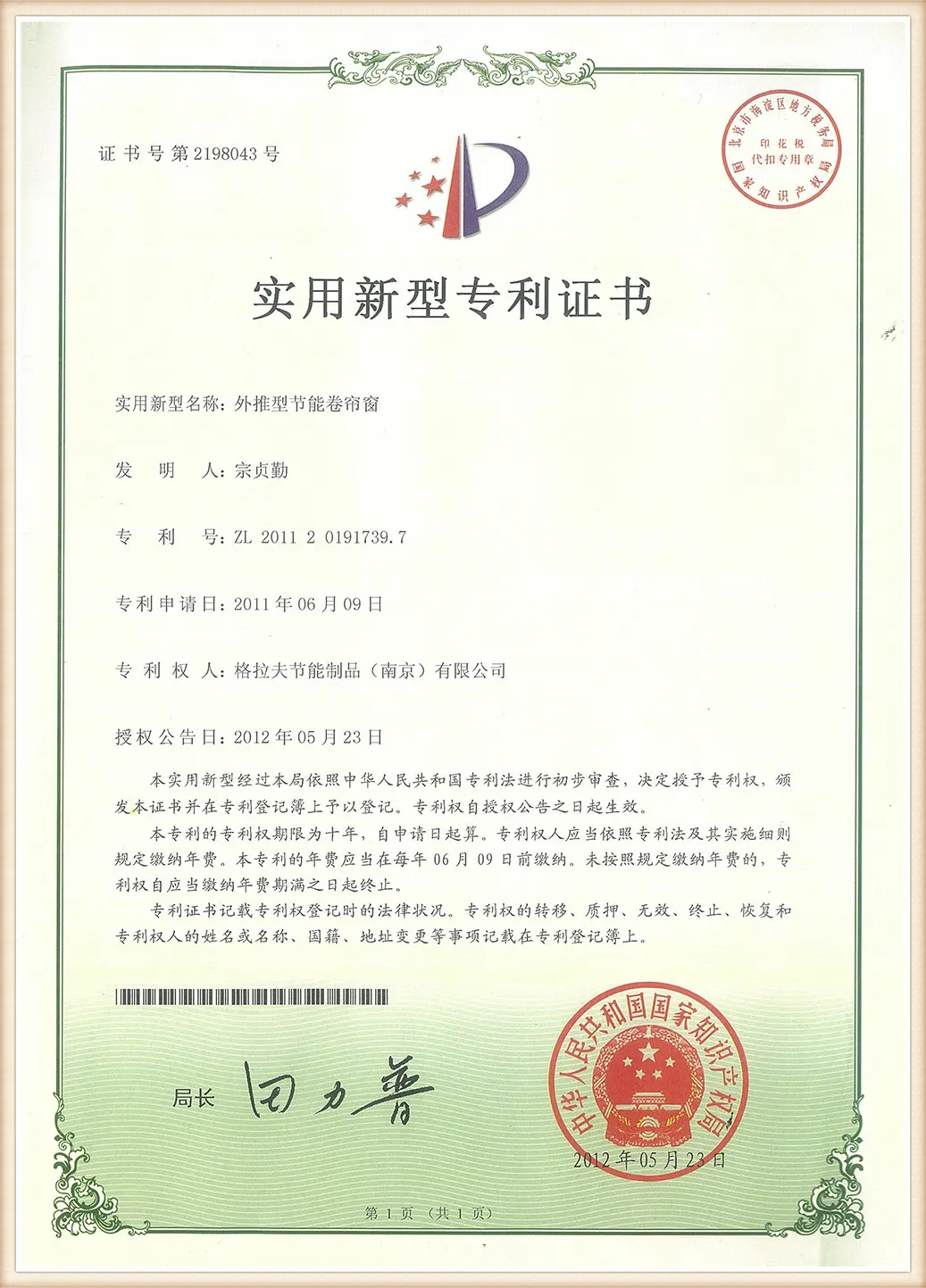
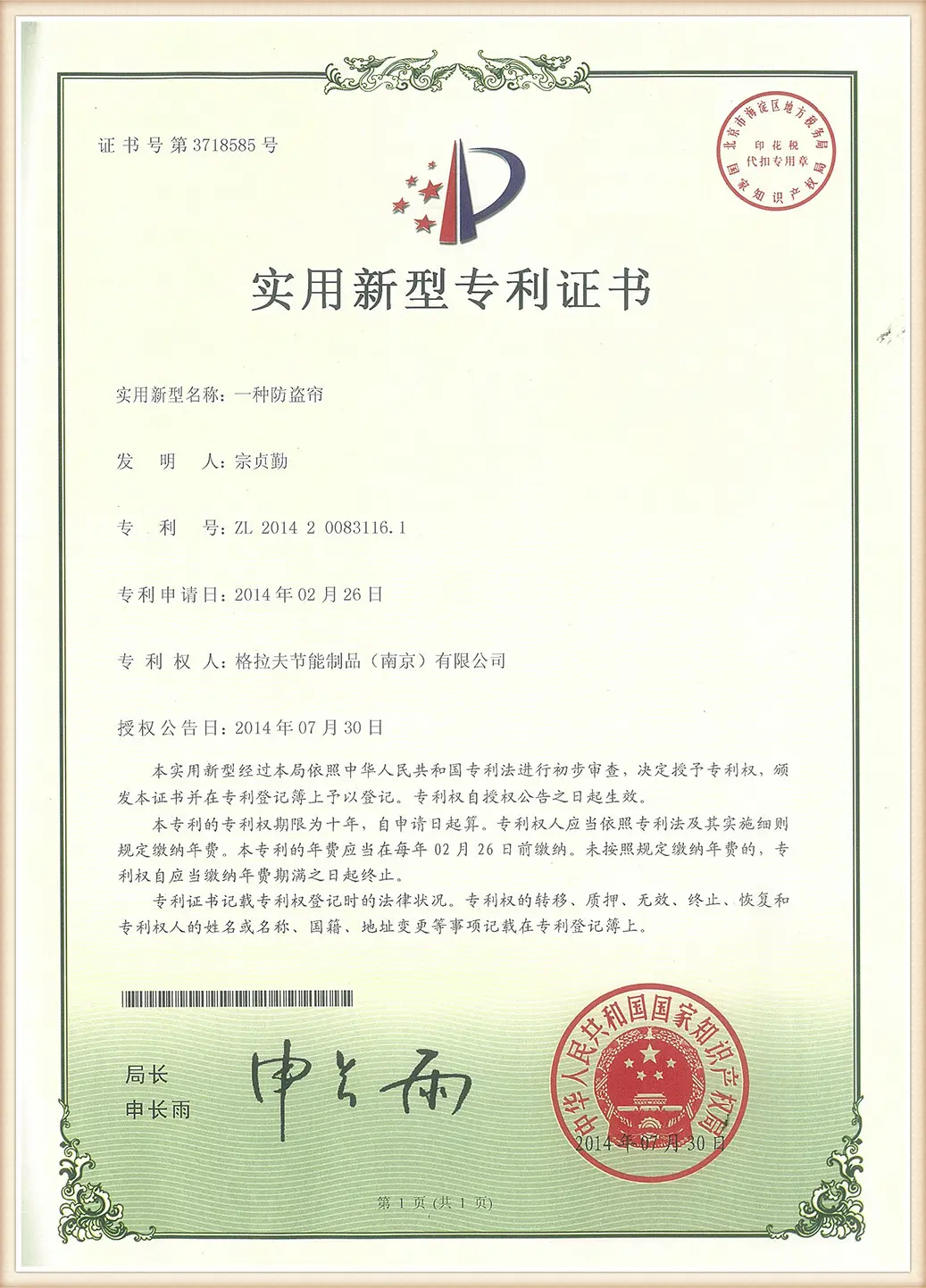
Global architectural engineers, procurement specialists, and distributors visit our production facilities and inspect our shutter profiles.
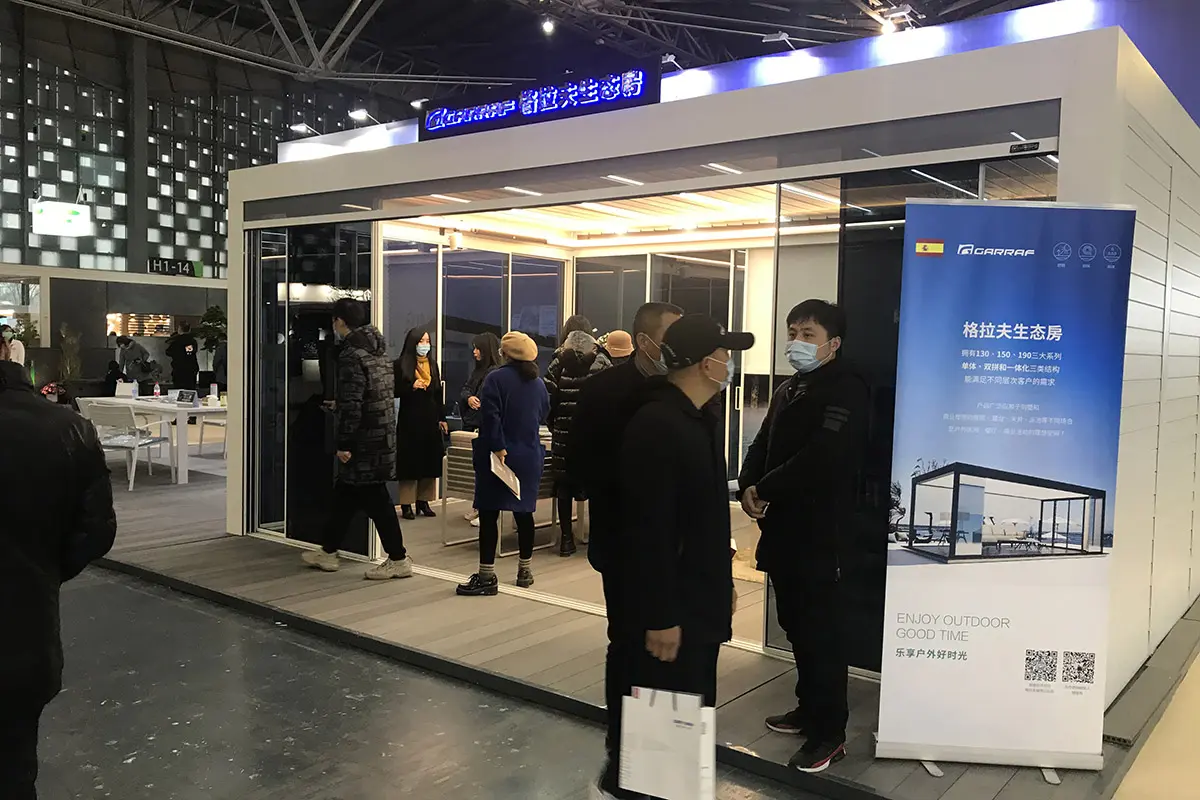

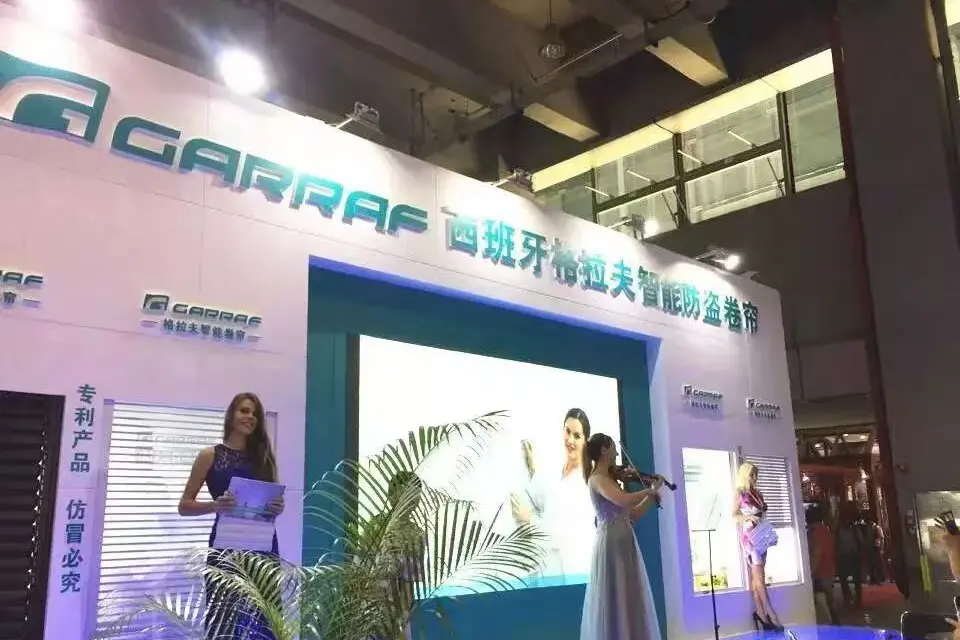
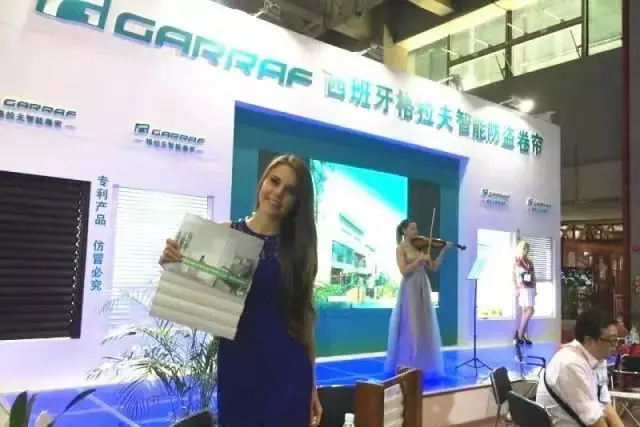
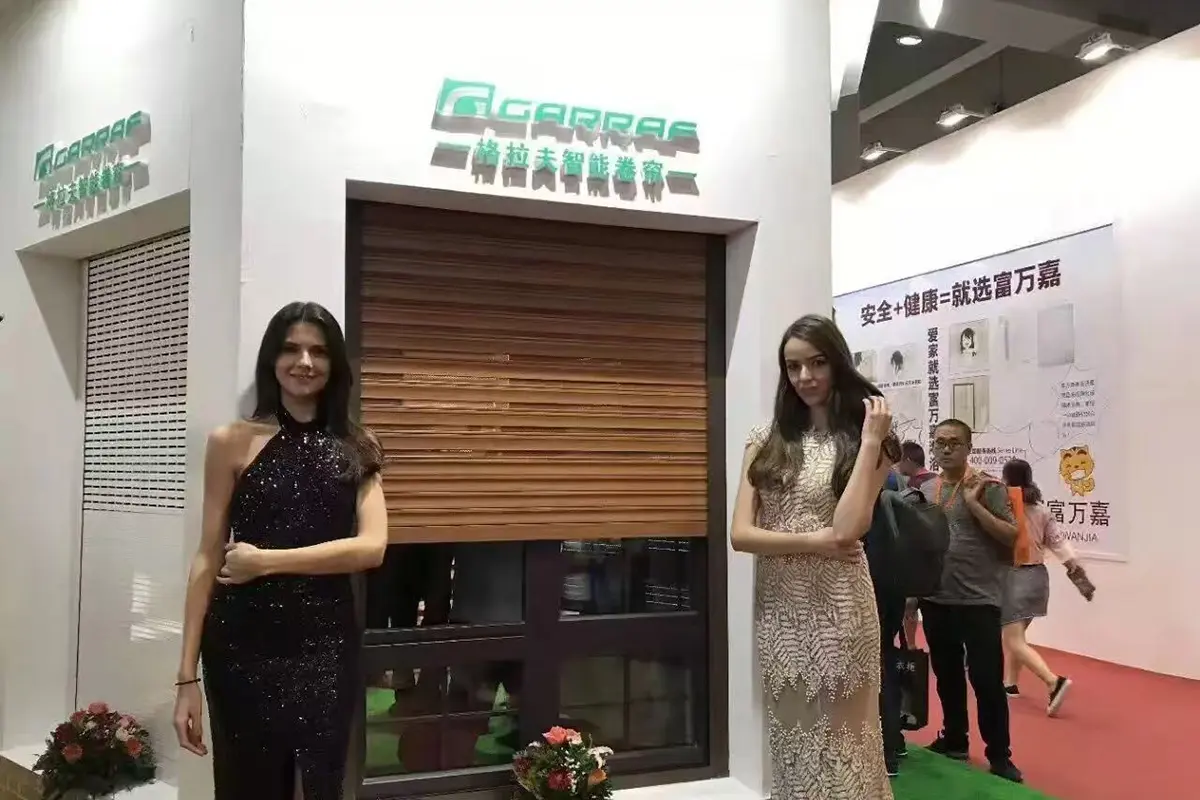
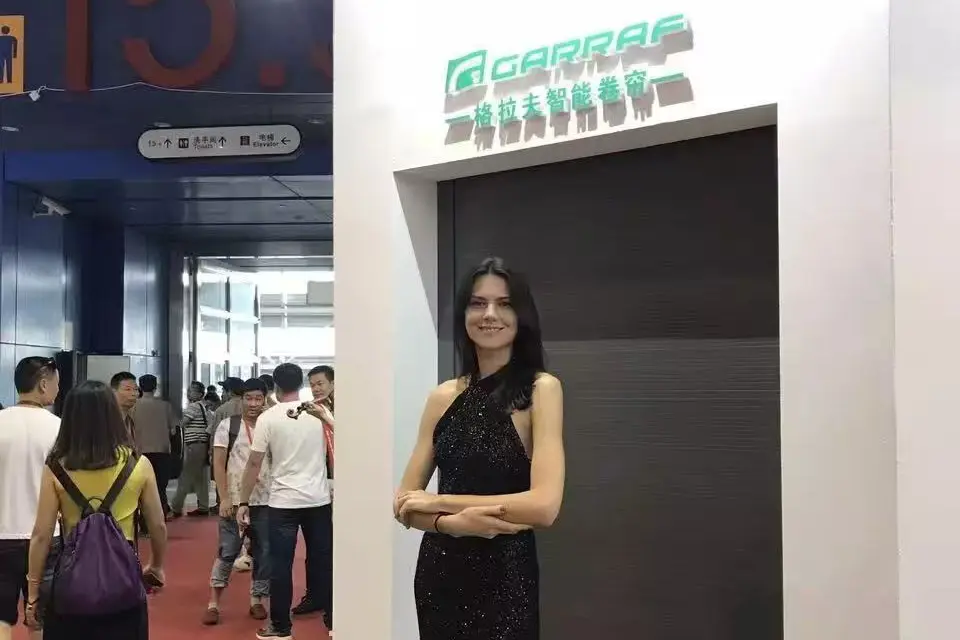

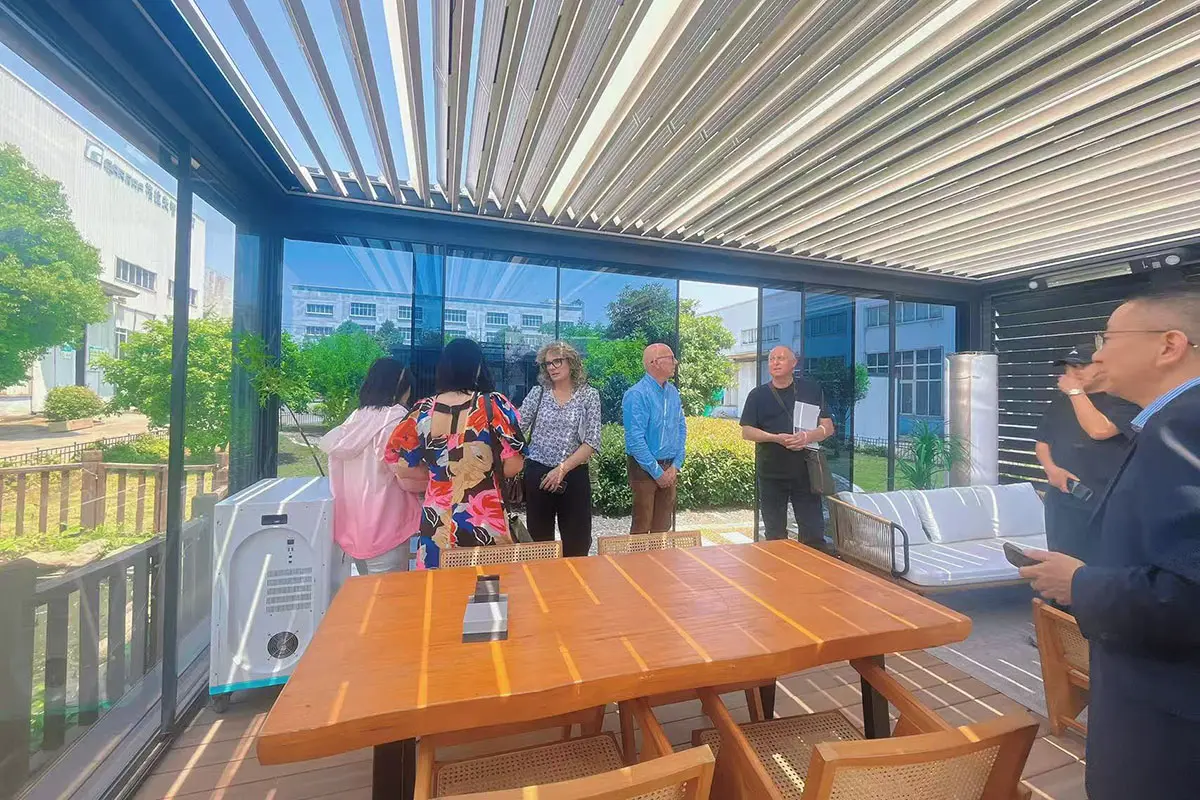
Working closely with architectural firms, distributors, and logistics partners to deliver reliable exterior building envelopes.


Get answers to key technical questions about alloy performance, installation, and procurement.
Read about current industry insights, market trends, and architectural regulations around the world.
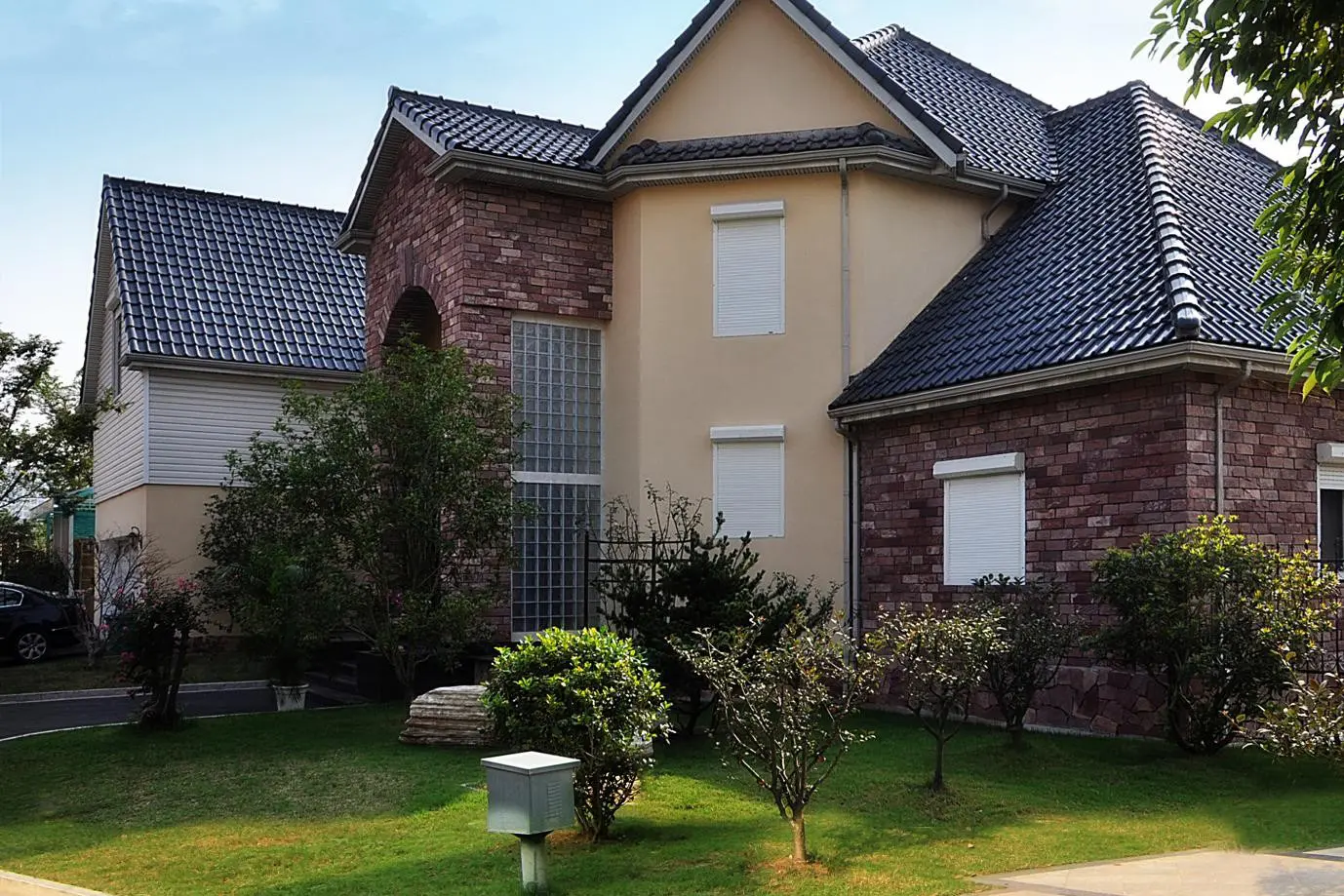
Contact our technical design team for design specifications, structural calculations, and quotation packages for your construction projects.
Request a Quote GARRAF