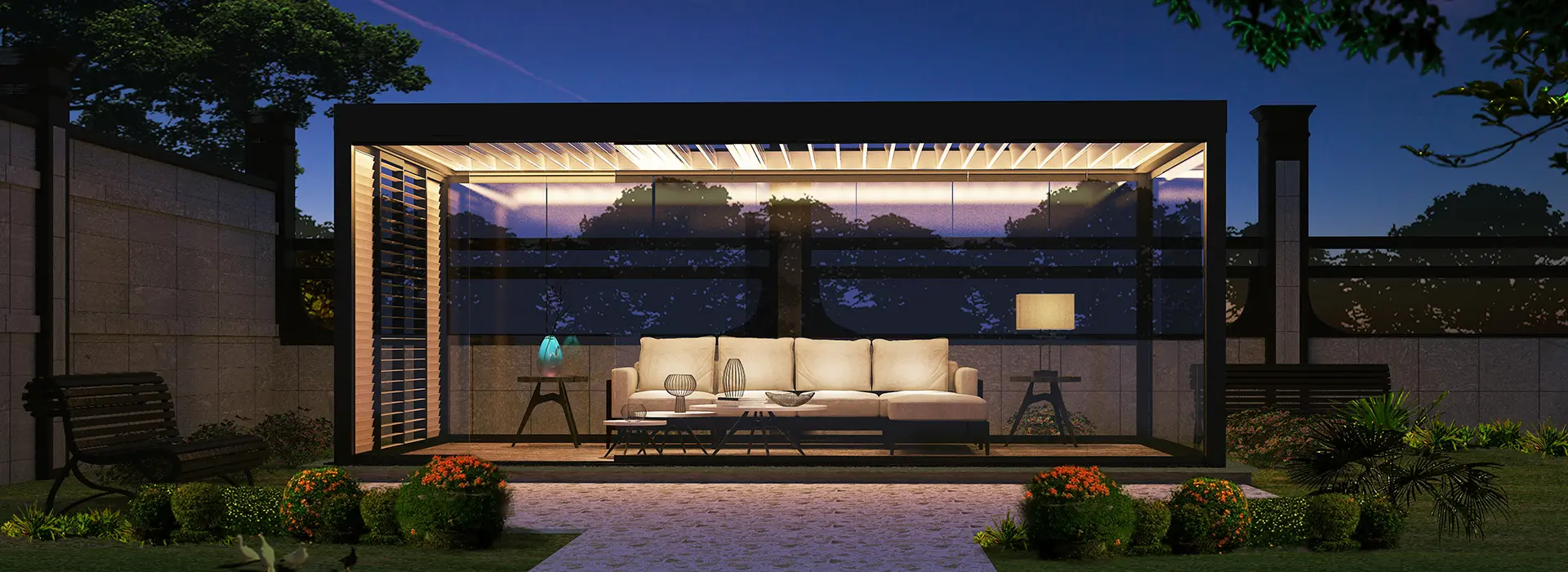
Explore our engineering lines designed to provide intelligent, ecological, and resilient home expansions, heavy-duty garage entries, and privacy systems.
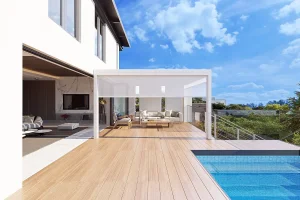
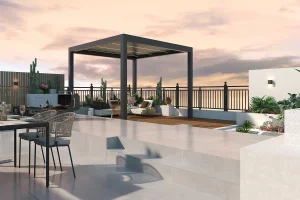
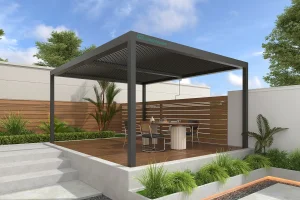
How Modern Aluminium Security Shutters Are Transforming Commercial, Residential, and High-Exposure Developments Worldwide.
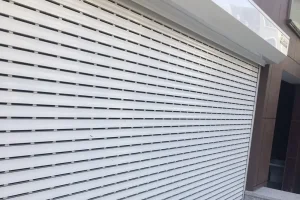
In the contemporary landscape of civil engineering and architectural design, the demand for integrated physical security barriers has reached an unprecedented scale. Global urban growth, combined with erratic climatic events and fluctuating security risks, has forced developers to move past conventional structural protections. Traditional iron grilles and heavy steel grates, once the default choice for storefronts and industrial openings, are rapidly being replaced by high-performance Aluminium Security Shutters. These systems serve a dual function: providing robust physical defense against intrusions while delivering thermal control, architectural aesthetics, and acoustic isolation.
Aluminium security shutters rely heavily on advanced material science. Modern designs use high-strength, marine-grade 6063-T5 or 6063-T6 extruded aluminium profiles. The extrusion process forces the raw alloy through custom-engineered steel dies, creating complex interior chamber webs within the slats. These webs increase rigidity and load-bearing capacity without adding excessive weight. This is critical for large industrial installations, such as automated warehouse loading bays, high-end retail shopfronts, and storm-prone coastal villas, where large spans must remain structurally sound under strong wind pressures.
Furthermore, energy conservation regulations—such as the European Union’s Energy Performance of Buildings Directive (EPBD) and ASHRAE standards in North America—have turned security shutters into active components of building envelopes. When double-walled slats are filled with high-density polyurethane (PUR) foam or structural mineral wool, they achieve highly favorable thermal performance values (U-values). This creates a thermal barrier that reduces heat loss in cold winters and mitigates solar gain in hot summers, lowering overall HVAC energy consumption.
Double-walled profiles with reinforced guide rails prevent levering and forced entry, complying with European RC2/RC3 security classifications.
Engineered to withstand class-5 storm conditions. Ideal for coastal hurricane zones and high-altitude architectural envelopes.
Polyurethane core insulation dampens external sound by up to 15 decibels and reduces thermal bridge transfer significantly.
Supplying High-End Climate-Adapted Protection Systems to Global Partners for Over Two Decades.
Leveraging Integrated Ecosystems, Advanced Powder Coating, and Rigorous QA for High-Volume Global Deliveries.
The manufacturing efficiency of Chinese factories specializing in architectural aluminium structures is grounded in localized industrial ecosystems. Concentrated in production hubs like Foshan and Guangdong, these facilities sit at the center of an integrated supply chain that spans raw bauxite processing, die design, high-tonnage precision extrusion presses, computerized anodizing lines, and logistics networks. This proximity reduces transit times for intermediate materials, allowing for swift prototyping and high production capacities.
A major competitive advantage of Chinese factories is the use of automated vertical powder coating lines. Certified under Qualicoat standards, these systems apply polyester resin pigments using electrostatic charges, followed by high-temperature curing oven treatment. The resulting finish provides outstanding protection against UV degradation, acid rain, and saline corrosion, which is vital for waterfront installations. The integration of high-speed mechanical roll-forming machines and automated polyurethane injection systems also guarantees consistent dimensional stability, so every shutter slat fits precisely into its guide tracks.
To ensure consistency across high-volume production, modern factories implement comprehensive testing procedures. Every production batch of extruded profiles is subjected to tensile testing, Rockwell hardness evaluation, and microscopic examination of the oxide layer or powder-coat thickness. The fully integrated manufacturing environment ensures that OEM/ODM projects can progress from detailed CAD files to finished, sea-freight-ready packaging in 20 to 30 days, providing global developers with a reliable source for large-scale construction schedules.
Our engineering division supports custom profile modifications, custom RAL color configurations, integrated motor boxes, and custom lock mechanisms. This enables architects and builders to specify window openings and access points according to local structural codes and architectural themes.
Certified under ISO 9001 and CE standards, our manufacturing lines carry out wind load simulation testing, salt spray chamber testing (for corrosion evaluation), and cyclic life-span tests (simulating up to 10,000 up-and-down cycles) to confirm operational durability.
A visual insight into our state-of-the-art facility, automated machinery, and quality control departments.
How Engineered Shutters Meet the Demands of Varied Architectural Projects and Global Climatic Zones.
The application of high-performance aluminium security shutters extends across various sectors, each requiring unique specifications and engineering considerations. Understanding these localized demands is essential for selecting the correct profile, motor type, and installation configuration.
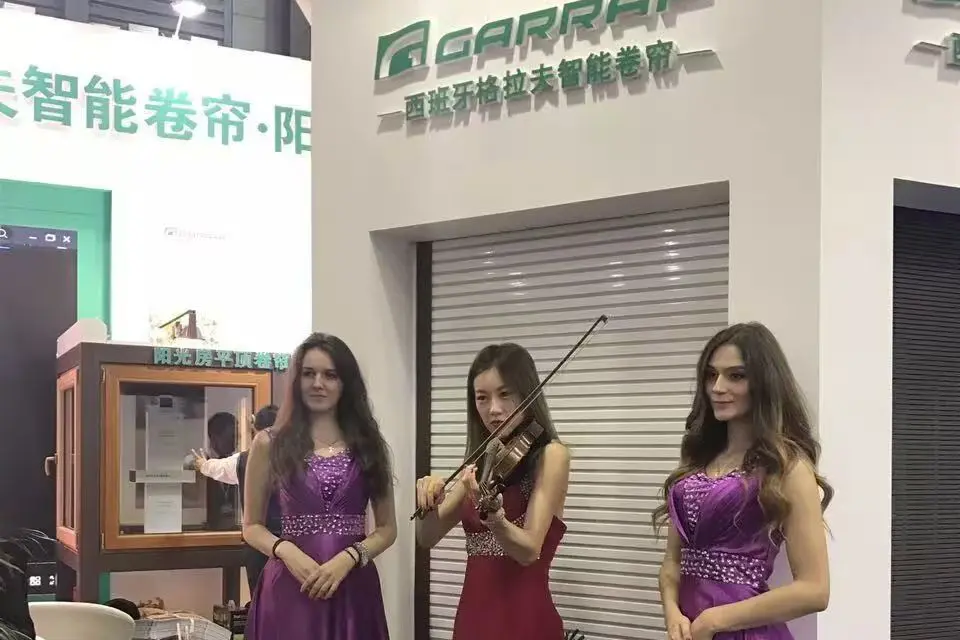
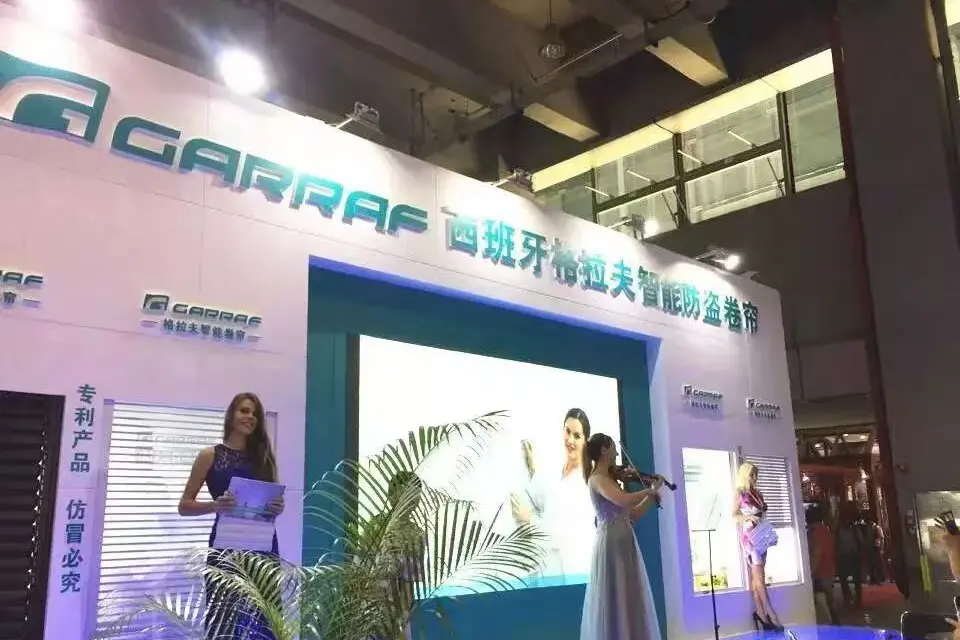
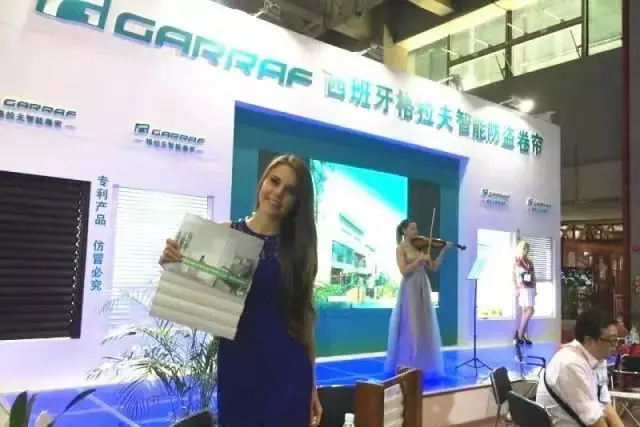
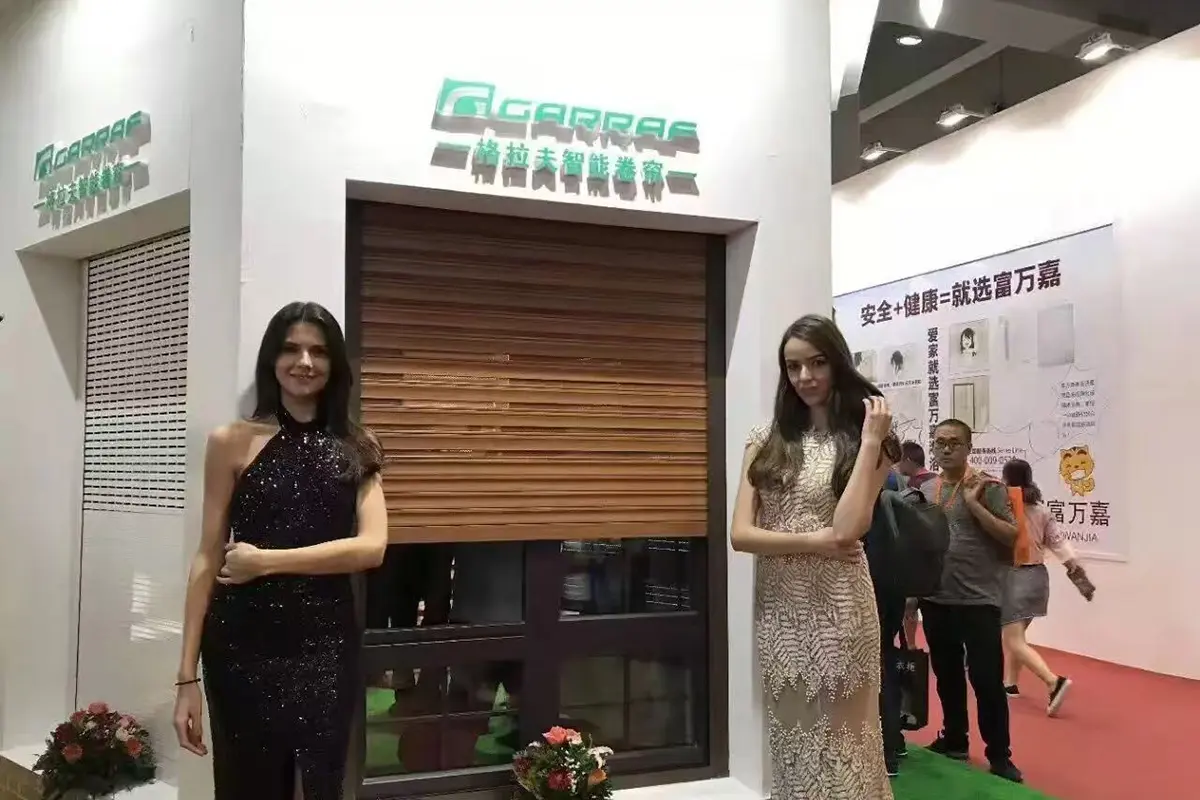
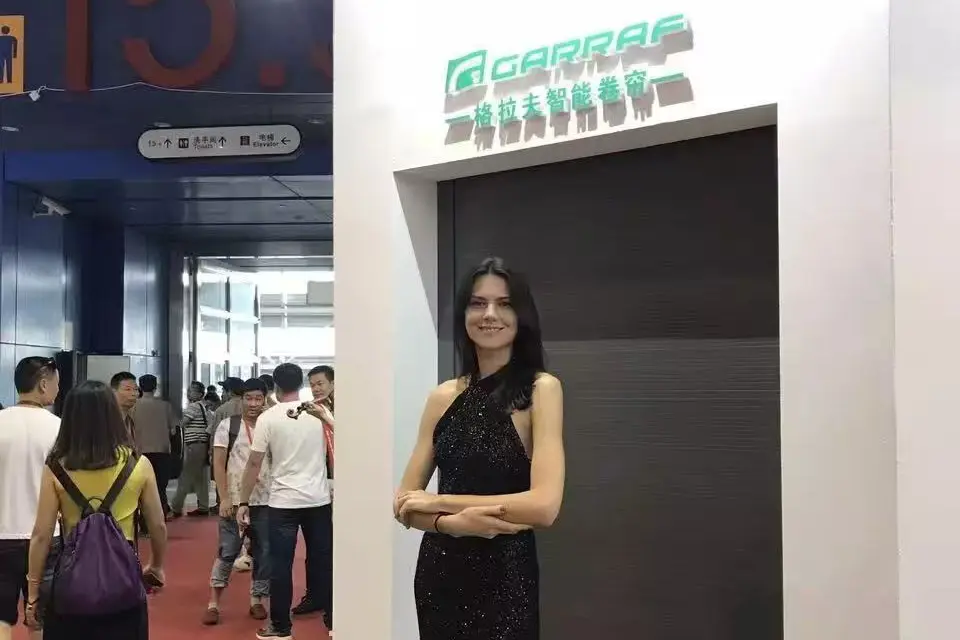
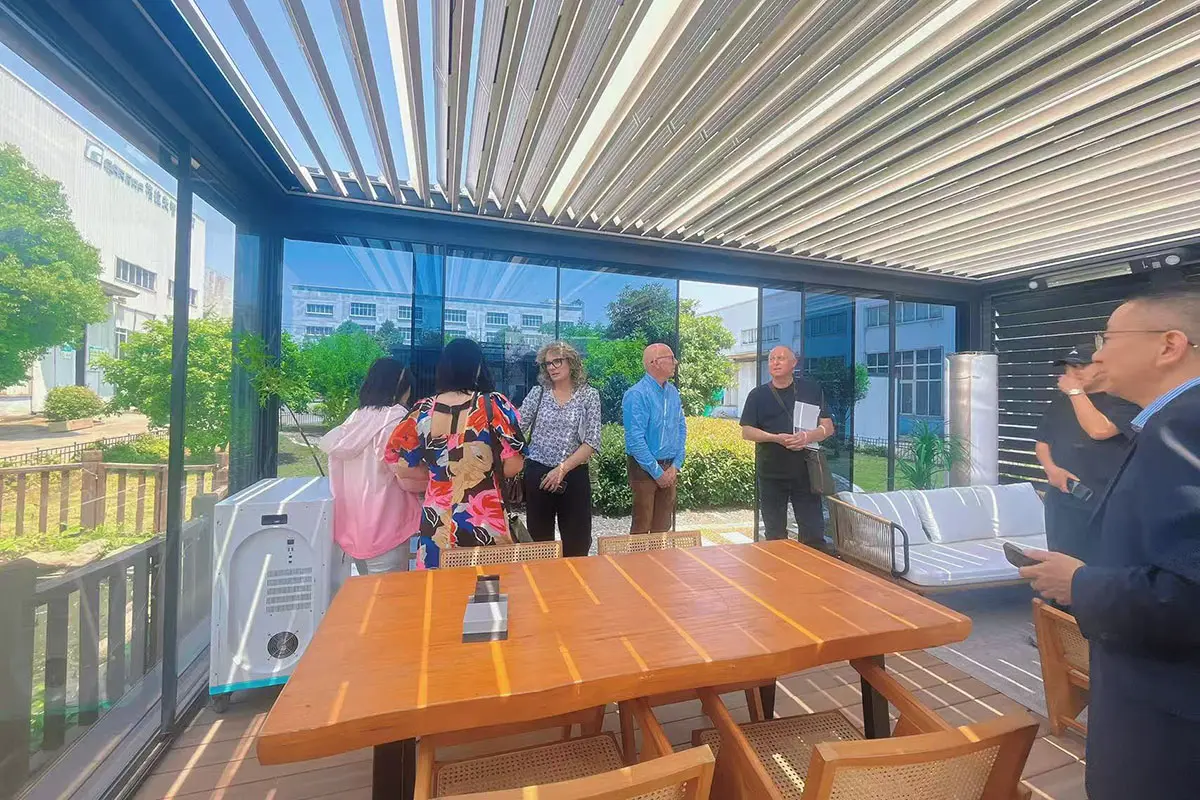
From international trade show consultations to extensive factory audits, clients inspect our processes, confirm material certifications, and establish long-term partnerships.
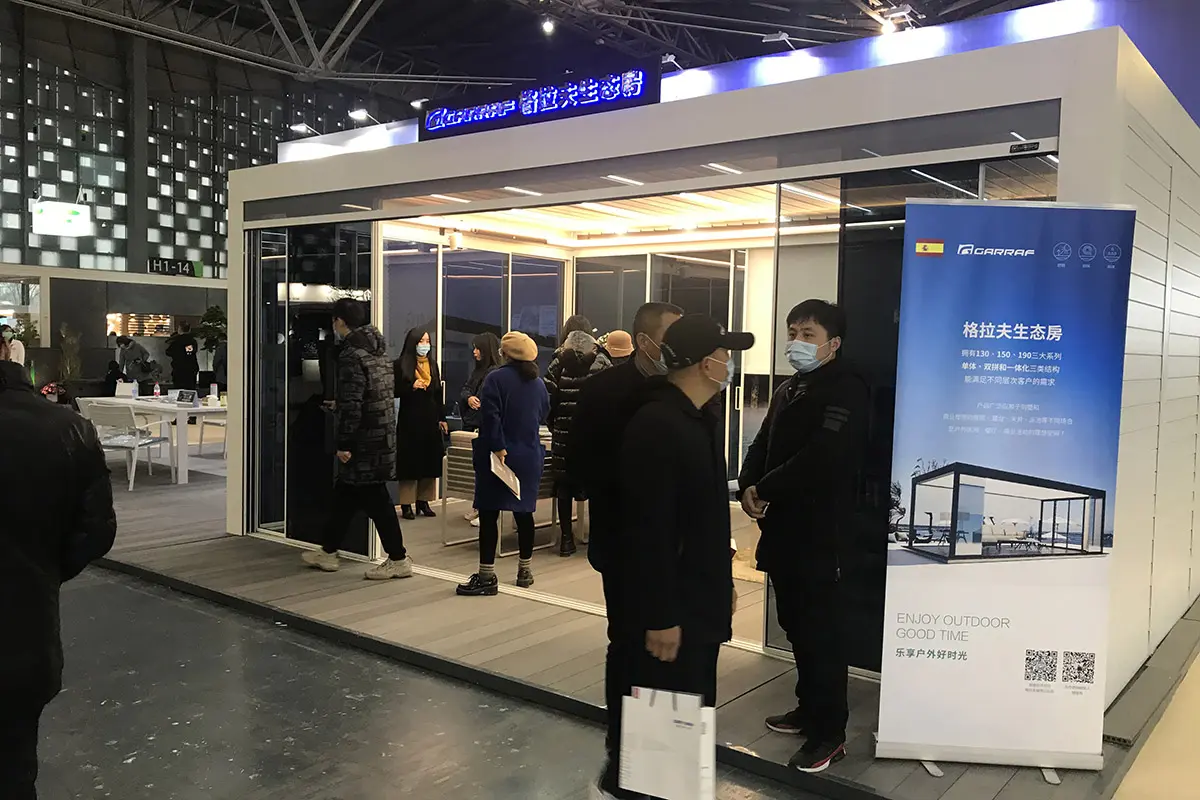

Four major manufacturing pillars built to support design practices, architectural specifications, and global supply lines.
OEM & ODM solutions, custom CAD drawings, and profile configuration to match project requirements.
Highly automated assembly lines ensure a 20-30 day turnaround for high-volume orders.
Reliable packaging and partnerships with major container carriers guarantee safe, on-time deliveries.

24/7 technical support, detailed installation guides, and complete spare parts supply.
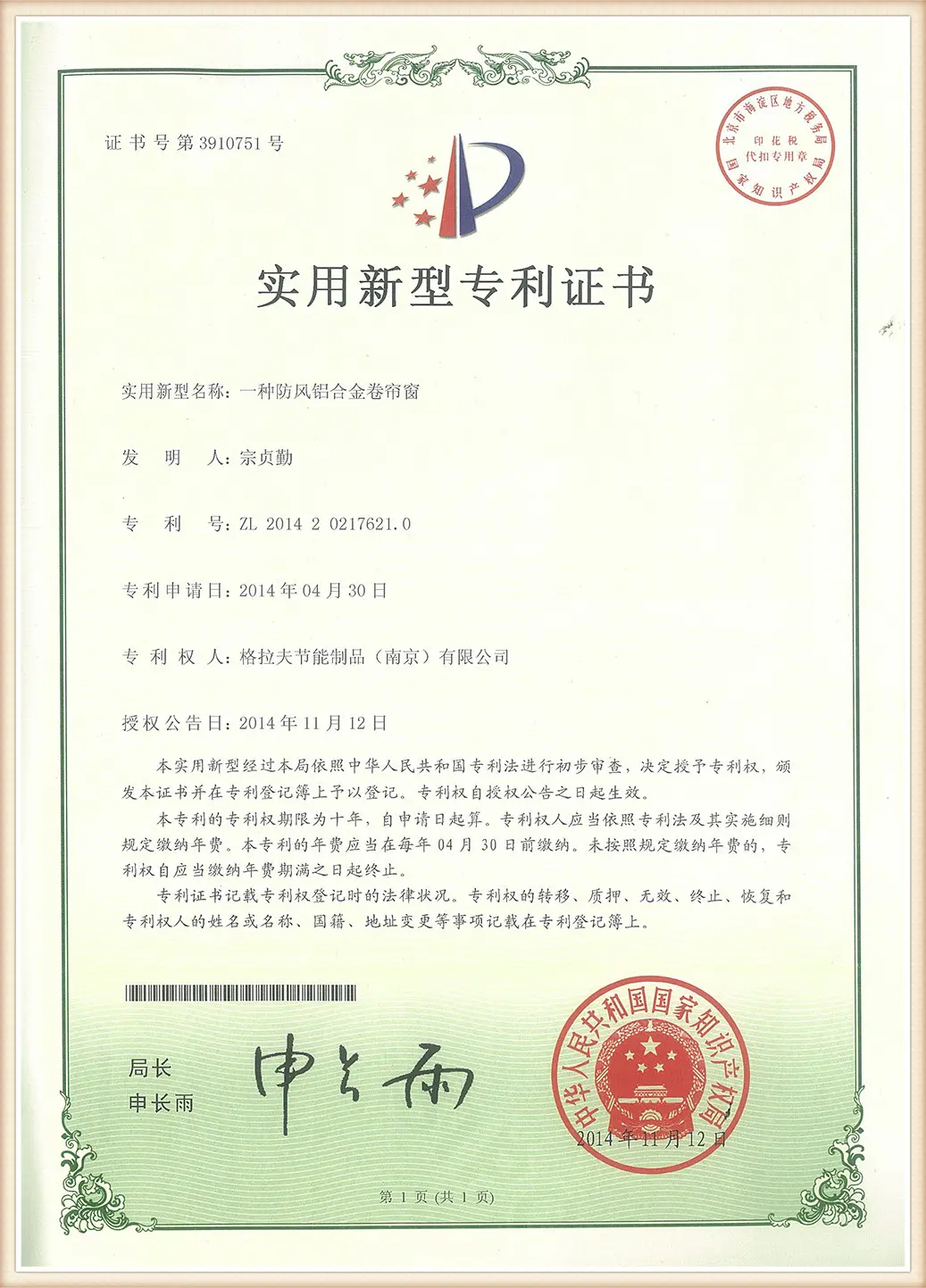
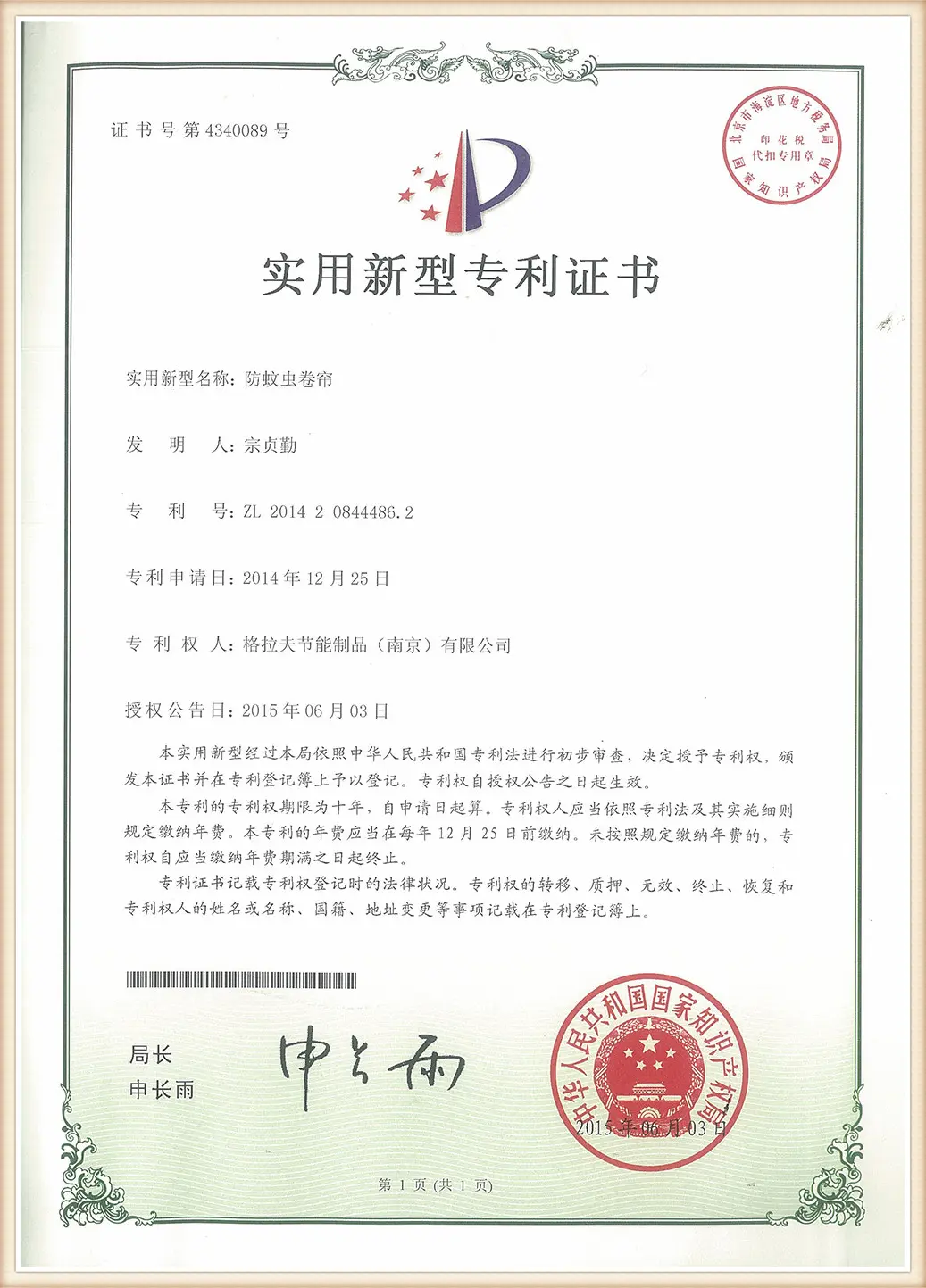
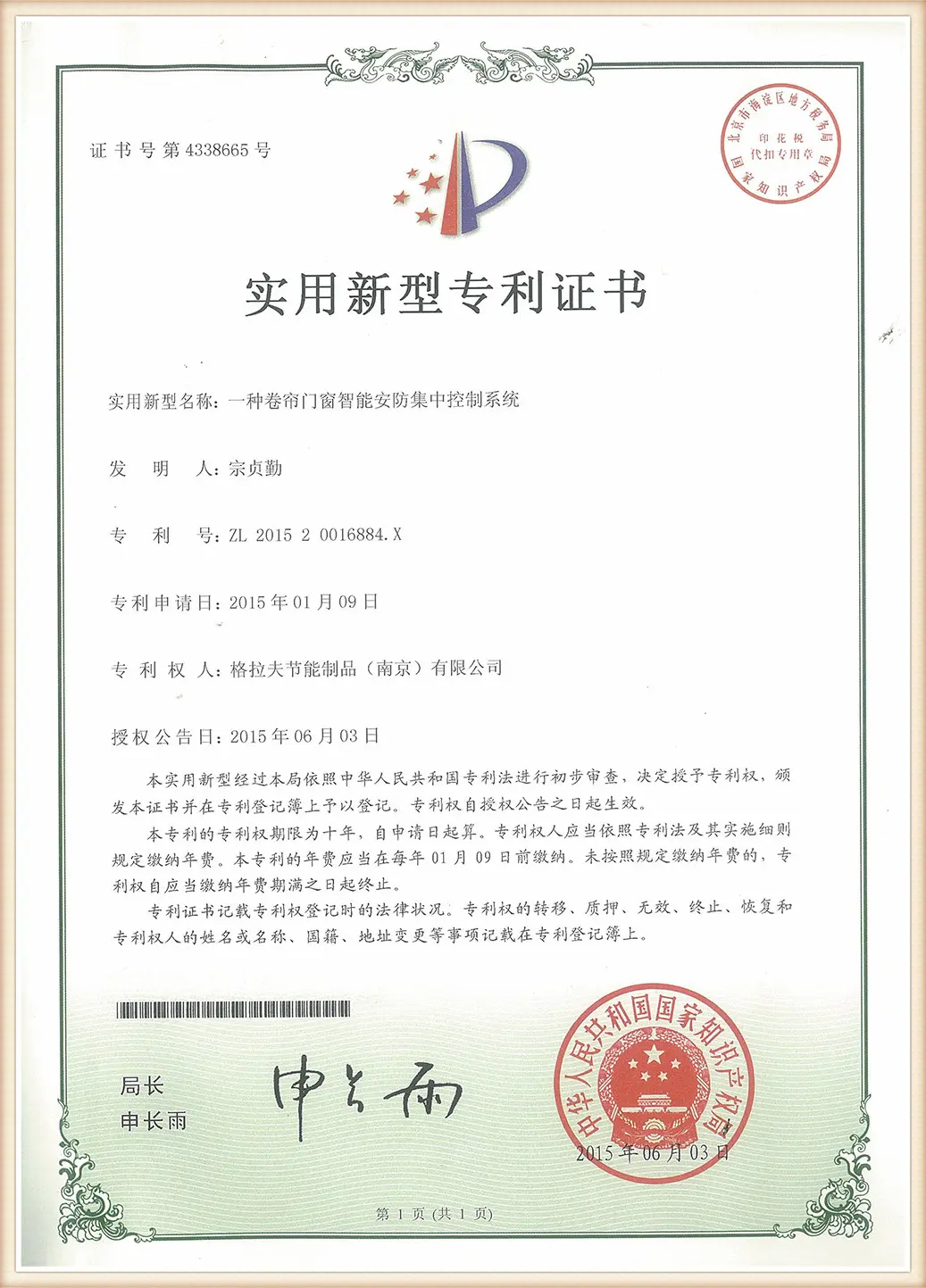
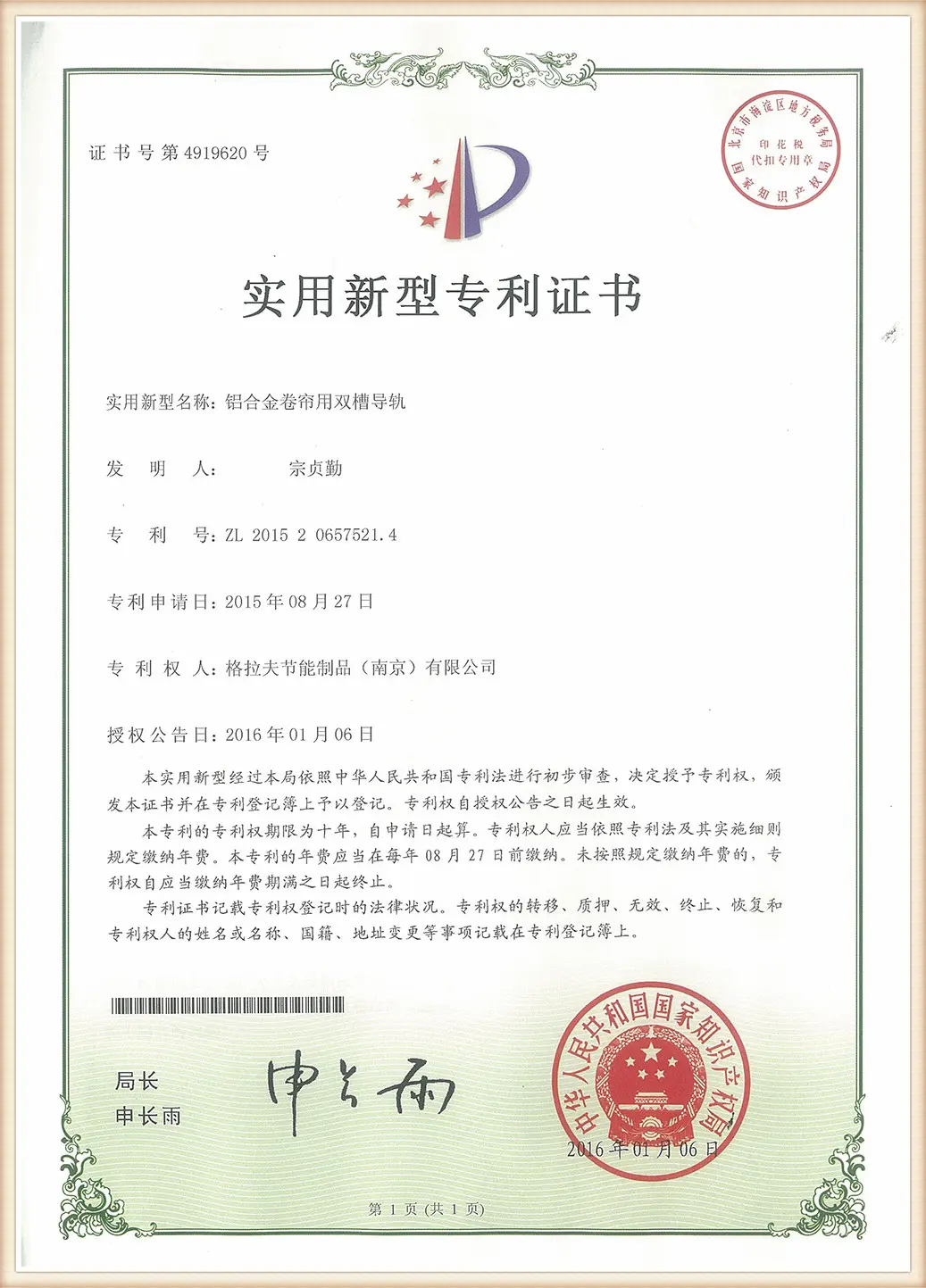
Our company maintains ISO 9001 and CE certifications, validating that our products conform to stringent building codes.
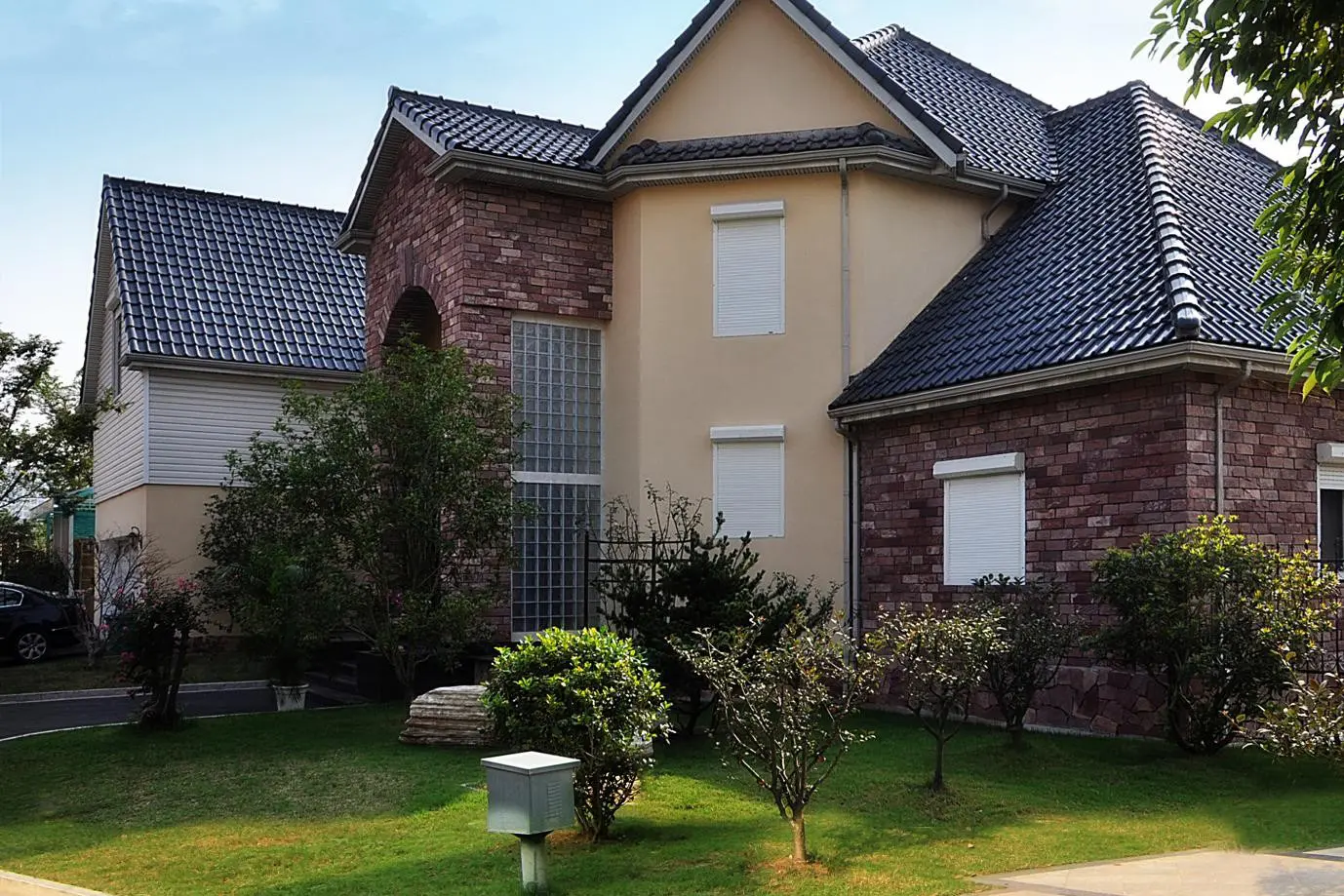
The transformation of traditional roller shutters into intelligent, interconnected energy conservation devices.
As the construction industry moves toward automated and high-efficiency buildings, the security shutter market is undergoing a significant transformation. Traditional, manually operated pull-strap shutters are now limited to basic retrofits. In new builds, architectural specifications increasingly require automated systems driven by tubeless, smart motors (such as Somfy or Dooya systems). These motors interface with smart home gateways using wireless protocols like Zigbee, Z-Wave, or Wi-Fi, allowing integration with commercial building management systems (BMS).
Another area of active development is the design of micro-perforated shutters. These slats feature small laser-cut openings that allow fresh air and diffuse natural light to filter in while remaining closed and locked. This design permits natural room ventilation and glare reduction without compromising safety. Additionally, the development of solar-powered roller shutters—featuring narrow photovoltaic strips mounted directly on the header box—makes them fully self-sufficient. This eliminates the need for internal wiring, simplifying retrofits in existing homes and offices.
Technical answers to common queries regarding material selection, configuration options, wind resistance, and shipping timelines.
Extruded aluminum slats are formed from solid alloy through high-pressure extrusion dies, resulting in thick walls that offer exceptional mechanical resistance against intrusion. They are ideal for high-security applications like bank branches, jewelry storefronts, and lower levels. Foam-filled slats, on the other hand, are roll-formed from thinner aluminum sheets wrapped around a core of polyurethane foam. While they offer lower mechanical resistance, they provide excellent thermal insulation and acoustic dampening, making them perfect for residential windows and garage doors.
Our engineering department calculates wind resistance based on European standard EN 13659. The wind load rating depends on the profile width, wall thickness, and the depth of the guide rails. For wide openings, such as 5-meter garage bays, we utilize 77mm double-walled profiles reinforced with structural guide channels and wind-retention end-locks. These end-locks physically hook inside the vertical track, preventing the curtain from blowing out under high wind loads.
Yes. By using smart tubular motors, our shutter units can integrate with home automation hubs and building management systems (BMS). This allows users to control the system via mobile apps, set automated schedules, or link them to climate and weather sensors. For example, screens and louvers can automatically deploy when solar radiation exceeds set limits.
We offer electrostatic powder coating in standard RAL colors, as well as custom anodized finishes. For installations within 5 kilometers of coastal areas, we recommend a Qualicoat Class 2 marine-grade powder finish. This treatment protects the aluminum against salt-spray corrosion and peeling, keeping the system fully operational and visually clean over time.
Standard lead times range from 20 to 30 days once shop drawings are approved and the deposit is received. This window covers profile extrusion, surface treatment, precision cut-to-length assembly, motor integration, testing, and export-ready wooden crate packaging.
We work closely with global industry leaders to supply certified, climate-adapted solutions across Europe, North America, and APAC.

Stay updated on the latest shifts in safety regulations, architectural standards, and building materials.
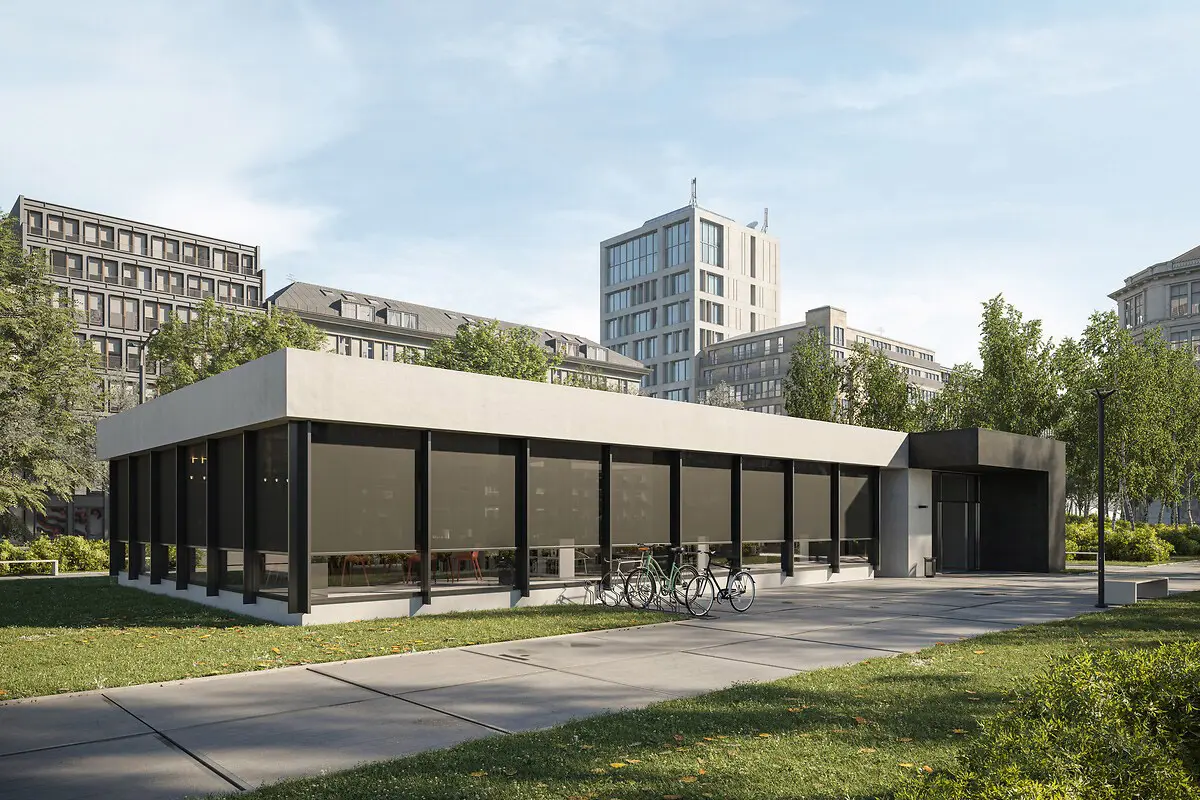
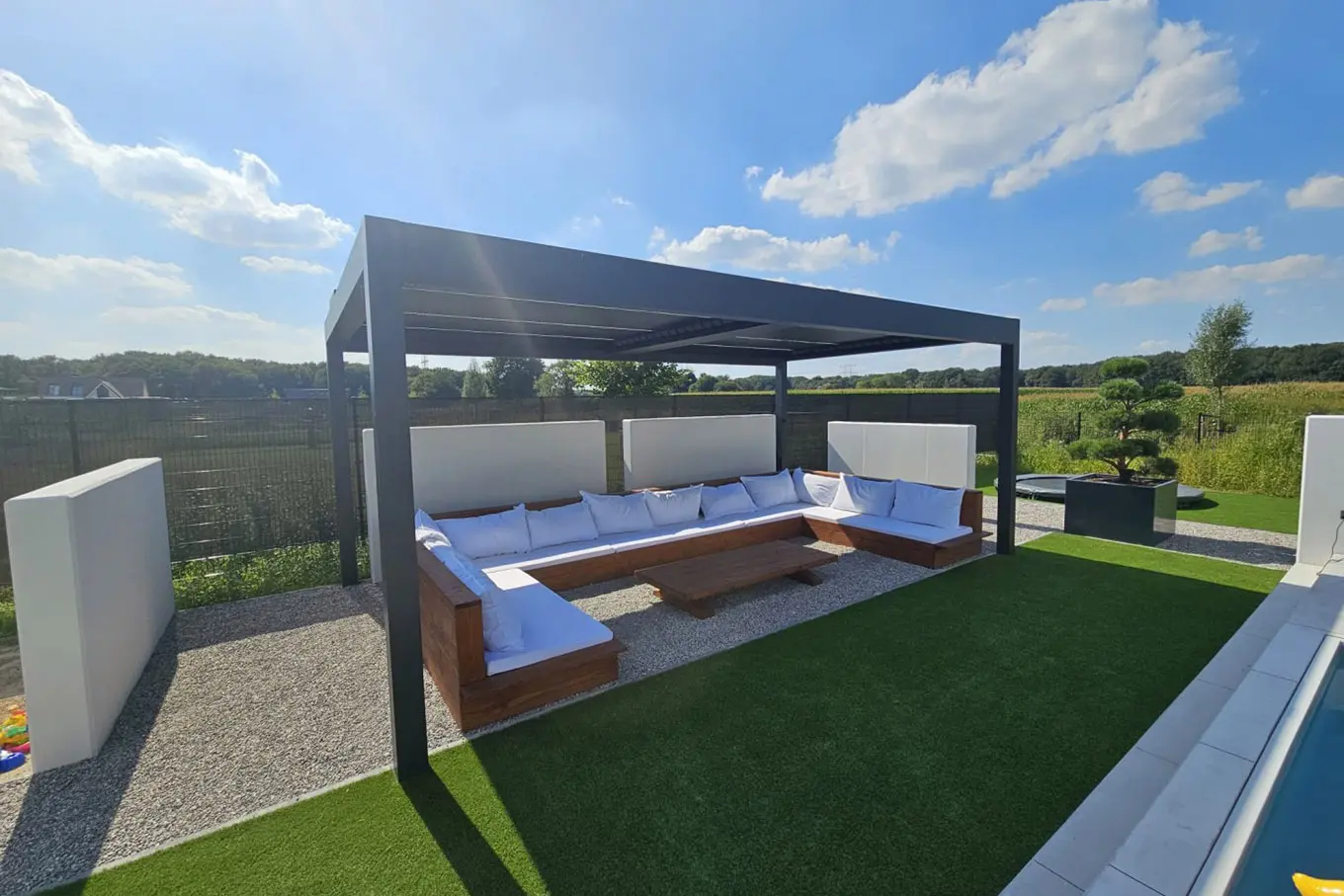
Integrate our certified product range into your designs, from louvered roofs and motorized shades to security shutters.
 GARRAF