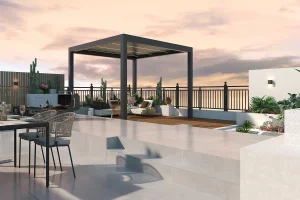
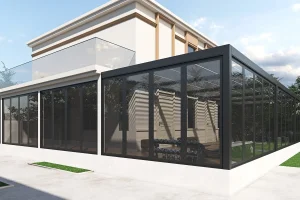
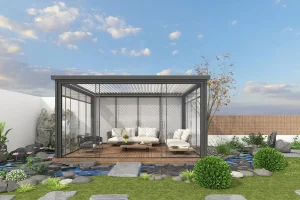
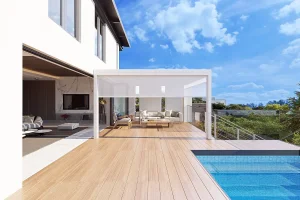
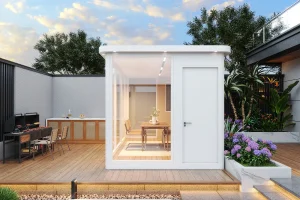
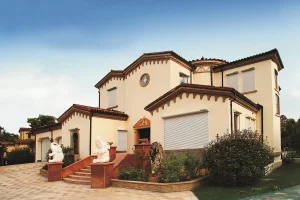
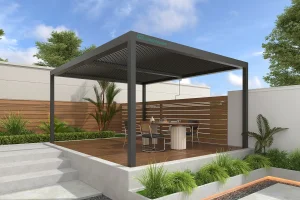
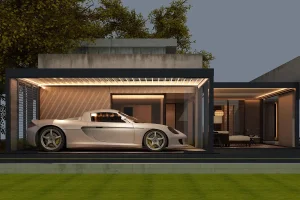
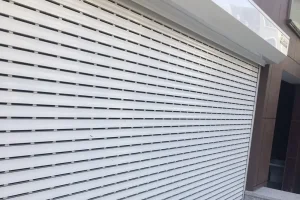
Explore our foundational range of certified weatherproof structures, custom aluminum louvers, and smart automated zip screens engineered for structural resilience.
An in-depth whitepaper on the structural engineering, thermal performance, and global compliance of high-grade external aluminium shutters.
In modern architecture, the envelope of a building is no longer viewed as static. It is a dynamic interface controlling energy flow, light ingress, and environmental protection. For B2B procurement managers, real estate developers, and facade engineers, specifying Aluminium External Shutters represents a multi-variable decision matrix focusing on durability, lifecycle cost, thermal performance, and local building code compliance. The selection of structural alloy grade, typically 6063-T5 or 6063-T6, forms the baseline of quality. 6063-T5 exhibits excellent surface finishing characteristics and structural strength, essential for long-span horizontal louvers, whereas T6 temper processes provide the extra tensile yield strength required for areas subjected to regular high-pressure load events.
From a commercial procurement standpoint, sourcing direct from manufacturers offers crucial customization vectors. Custom extrusion dies, specific mounting brackets tailored to curtain wall systems, and integrated control telemetry must all be coordinated at the pre-fabrication phase. Quality control processes must cover raw alloy verification, dimensional tolerances under ISO 2768-m, and precise powder coating thickness tests (ISO 2360) to ensure protection against marine corrosion, industrial pollutants, and intensive UV degradation. Specifying these metrics directly at the factory level eliminates field adjustment costs and guarantees structural integration with the primary structural frame of the building.
External shutters are directly subjected to localized wind shear pressures, particularly in high-rise applications or coastal typhoon zones. Our technical design maps shutter resistance to localized wind pressures up to 3.0 kPa (equivalent to Hurricane Category 5 wind speeds) by adjusting louver wall thickness, blade geometry, and internal reinforcements. The mechanical profile of our blades utilizes a hollow multi-chamber aerodynamic shape. This structure significantly increases the section modulus of the extrusion, minimizing deflection under positive and negative pressures (windward and leeward zones).
To comply with global regulatory frameworks such as Europe’s EN 13659 (performance requirements including safety for shutters) or the AS1170 structural design actions of Australia, every shutter configuration undergoes finite element analysis (FEA). This process validates anchor pull-out limits, hinge shear capacity, and deflection spans. For expansive spans exceeding 3 meters, internal stainless steel reinforcing bars are inserted into the hollow chamber of the central louver. By integrating these structural steps into the design phase, our engineering department ensures that products installed on buildings maintain structural integrity throughout their entire design lifecycle.
Integrating aluminium external shutters significantly improves a building's overall thermal envelope efficiency. By intercepting solar radiation before it strikes the glazing layer, external shutters reduce the Solar Heat Gain Coefficient (SHGC) of window assemblies by up to 85%. This prevents the greenhouse effect inside offices and residences, substantially lowering HVAC load demands in cooling-dominated climates. When louvers are closed, an insulating air pocket is created between the shutter and the window pane, improving the thermal resistance (U-value) of the opening during cold seasons.
Acoustic attenuation is another major benefit. Our double-walled insulated shutters feature high-density polyurethane foam injected directly into the aluminum profile. This core dampens acoustic energy, reducing exterior ambient noise by up to 25 dB. This is essential for mixed-use developments, hotel facilities, and residential complexes situated near busy transit corridors or dense urban environments. This acoustic engineering helps developers achieve high-grade indoor environment quality (IEQ) credits under LEED and WELL building standards.
Architects require solar control systems to match the visual character of modern facades. Our shutters offer three main configurations: sliding track systems, bi-fold folding tracks, and classic fixed or swing panels. Finishes are available in standard RAL powder coating schemes, utilizing Qualicoat Class 1, 2, and 3 polyester powders, as well as marine-grade anodized options for high-salinity zones. Our smart automation systems integrate low-voltage 24V DC tubular motors directly into the main headrail structure. These motors support wireless communication via ZigBee, Z-Wave, or Modbus, allowing connection to building automation systems (BAS) and smart home control panels.
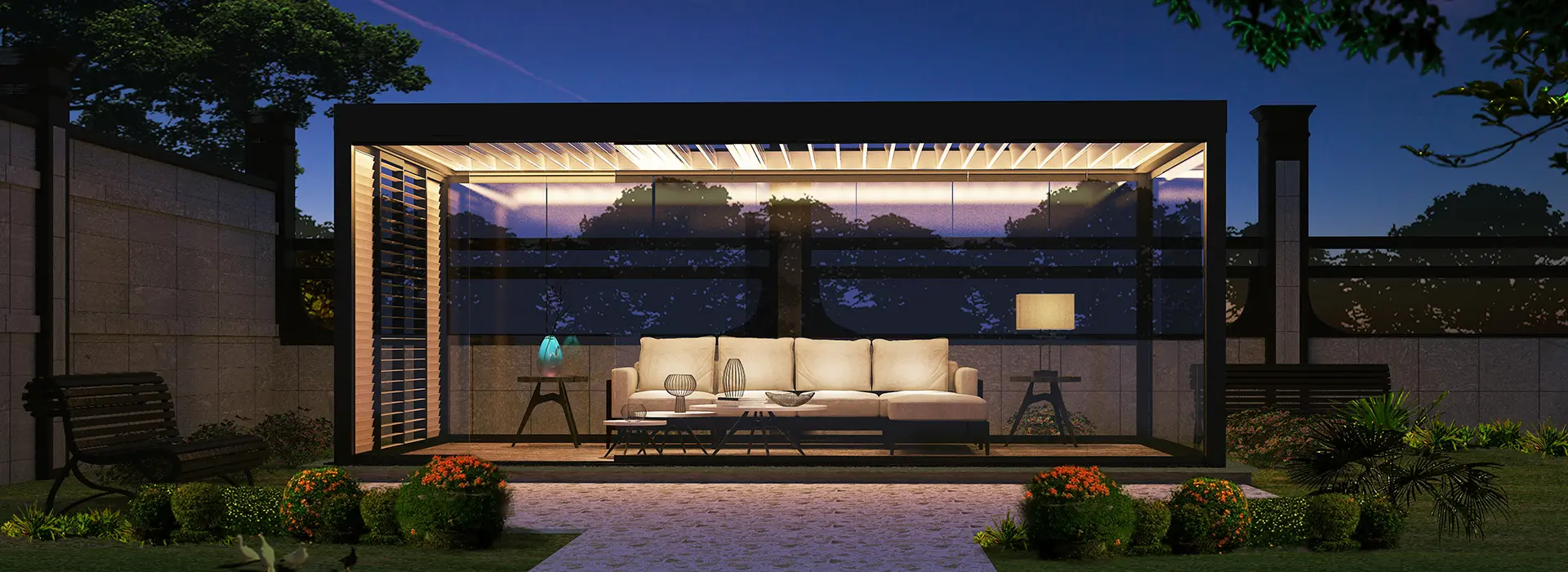

Comprehensive engineering details for direct procurement and project scheduling.
| Specification Parameter | Standard Specification | Heavy-Duty / High-Wind Specification | Compliance Reference |
|---|---|---|---|
| Alloy Grade & Temper | Aluminum 6063-T5 | Aluminum 6063-T6 (Internal Steel Reinforcement) | ASTM B221, EN 573-3 |
| Profile Wall Thickness | 1.5mm - 2.0mm | 2.5mm - 4.0mm | ISO 2768-m Dimensional Standard |
| Finish Performance | Qualicoat Class 1 Powder Coat (60-80 microns) | Qualicoat Class 2/3 or Anodized (20-25 microns) | AAMA 2604 / AAMA 2605 |
| Wind Load Resistance | Class 4 (up to 1.5 kPa) | Class 6 / Custom Structural Design (up to 3.0 kPa) | EN 13659, AS/NZS 1170.2 |
| Acoustic Dampening | N/A (Hollow Profile) | Rw = 25 dB (Polyurethane Infill Core) | ISO 10140-2 Laboratory Acoustics |
| Integration Telemetry | Dry Contact, RS485 Serial Protocol | KNX, ZigBee 3.0, Somfy RTS Interface | CE, FCC Part 15 Class B |
Over the past 20 years, our manufacturing facility has maintained a strong global footprint. Our systems are built to withstand diverse climatic regions—from the intense sun and coastal environments of Australia and the Middle East, to the harsh winter storms and snow loads of Northern Europe and North America.
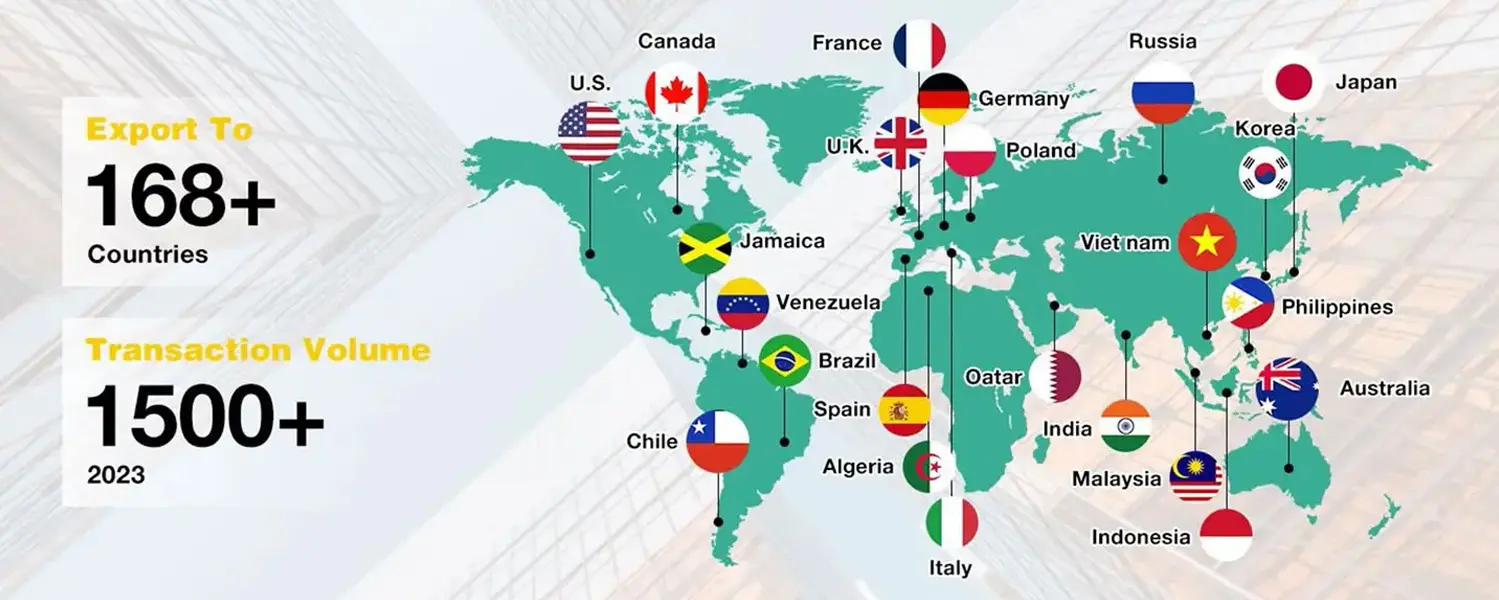
Our operation is designed to meet the rigorous demands of developers, general contractors, and global distributors.
Full OEM & ODM capability. Custom structural profile extrusion, customized bracket engineering, and tailored automation system development.

Efficient manufacturing cycles delivering custom container orders in 20-30 days, supported by raw material stocking programs.

Comprehensive shipping solutions with real-time tracking, customs clearance, and DDP shipping options for major regions.

Dedicated technical support, long-term warranties, installation guidance, and replacement parts readily available.
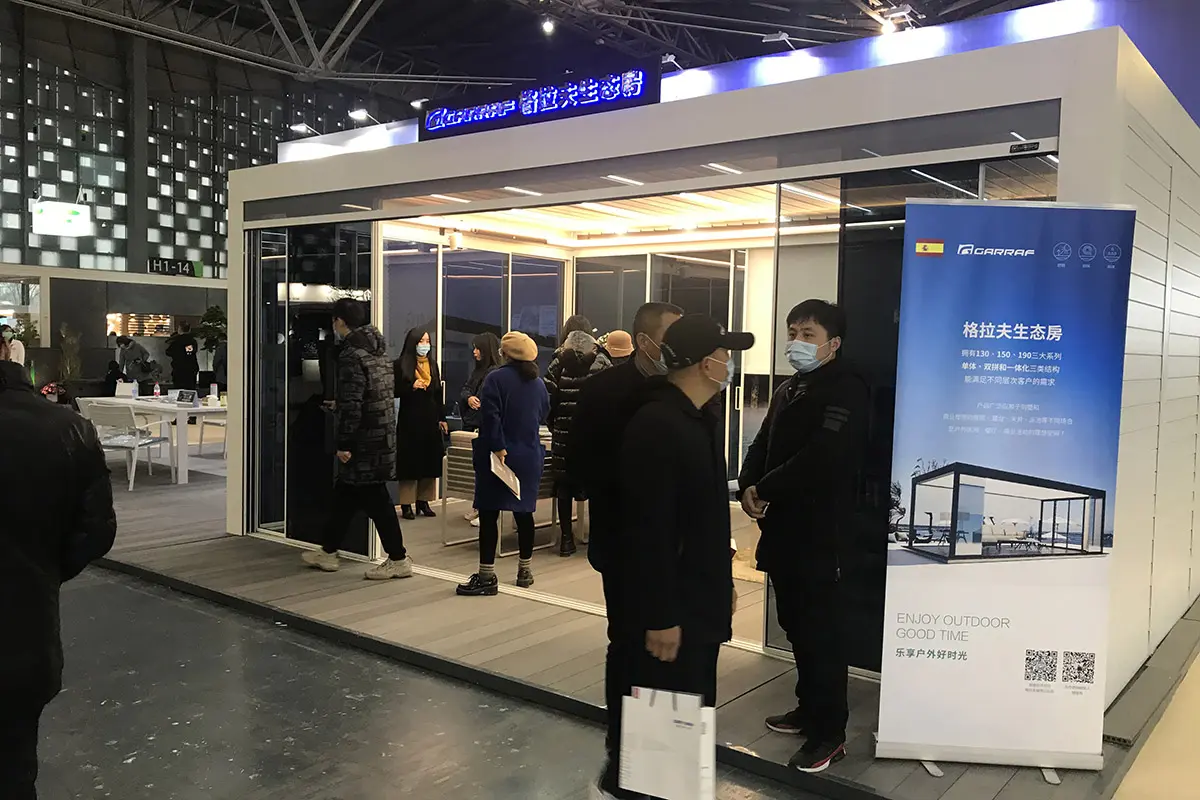
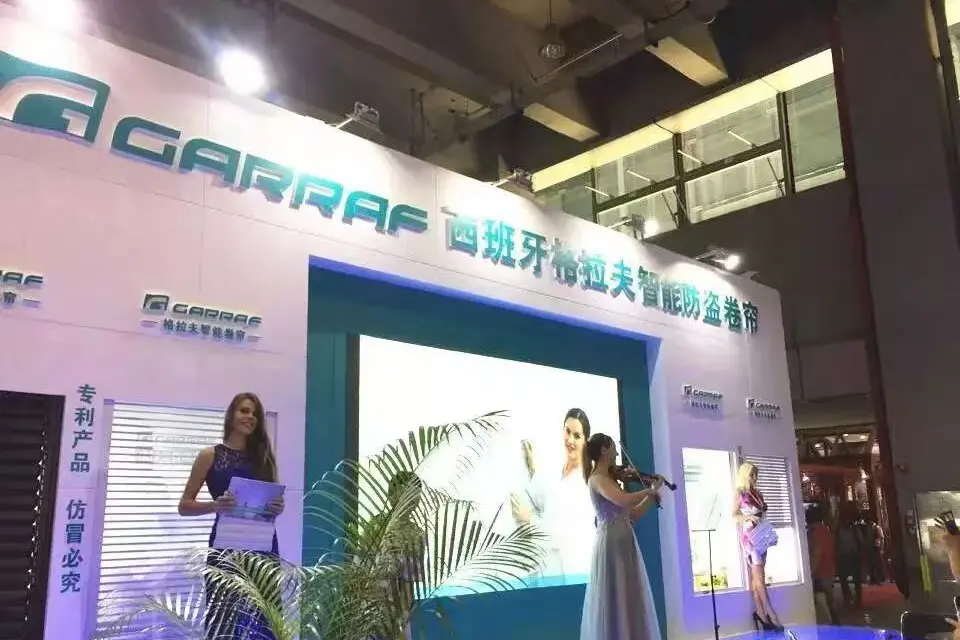
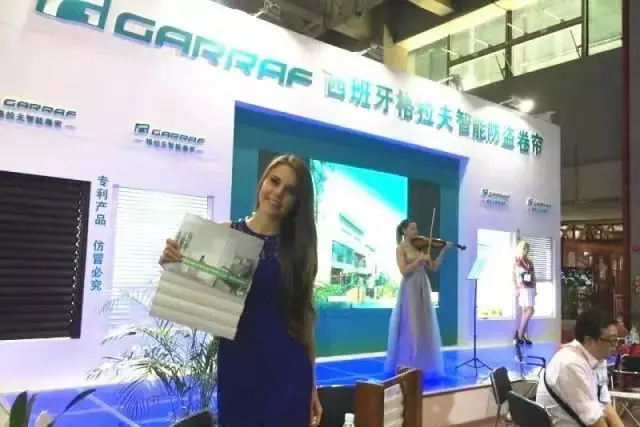
From initial design discussions at international trade booths to detailed factory quality audits, we offer transparency at every step.

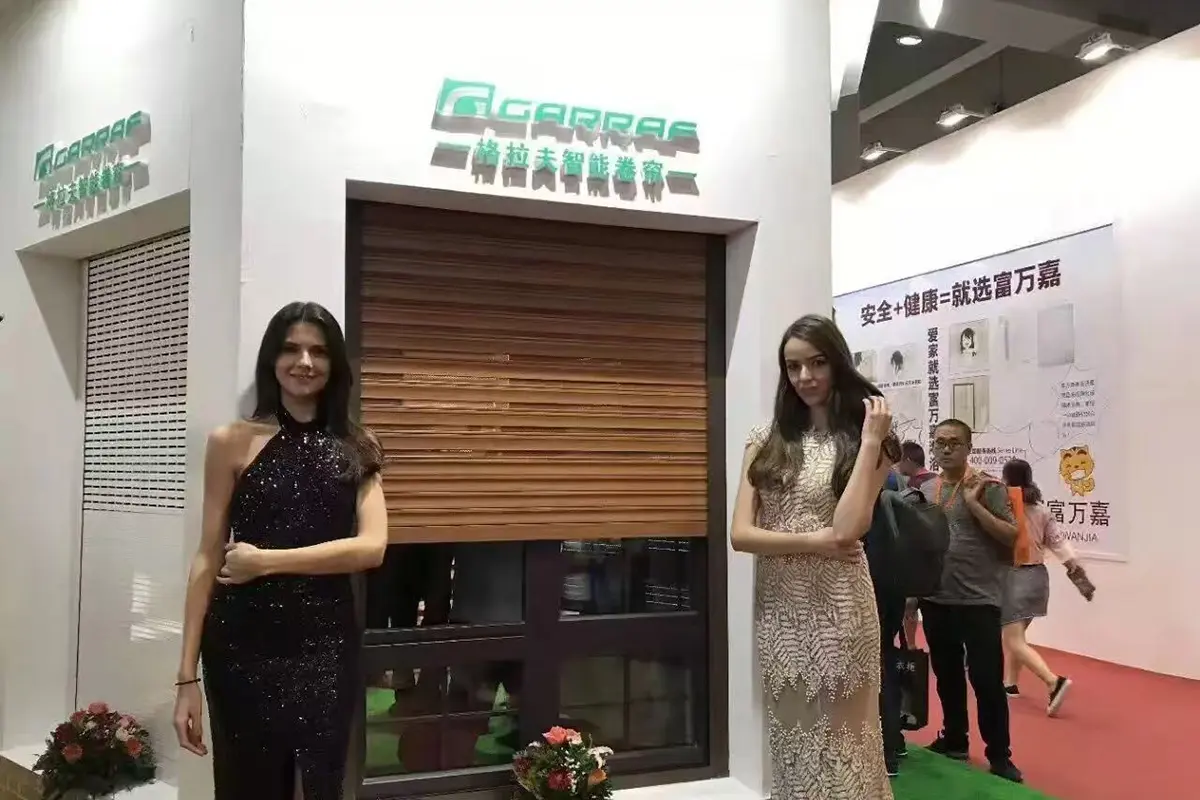
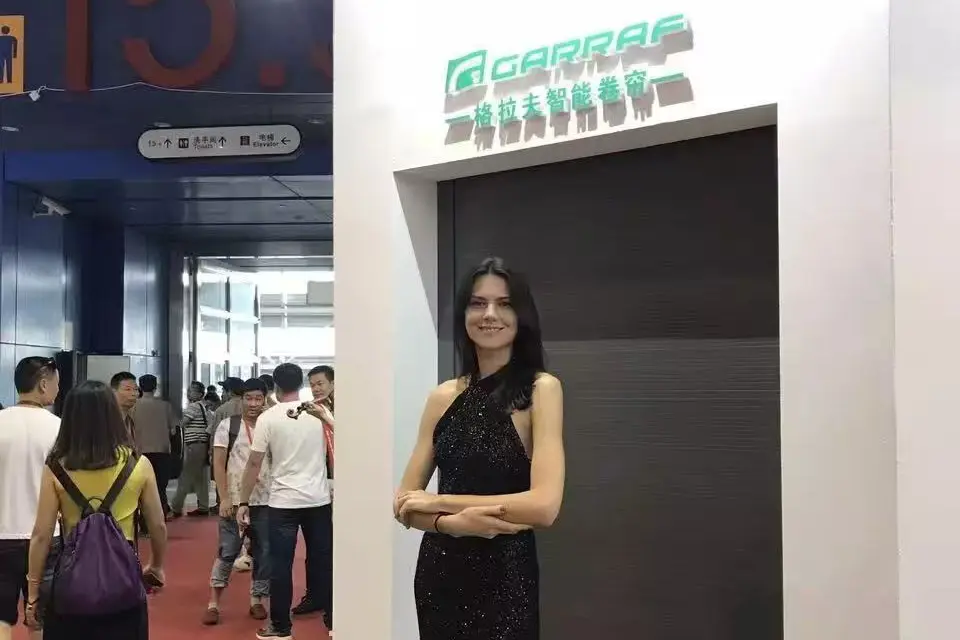

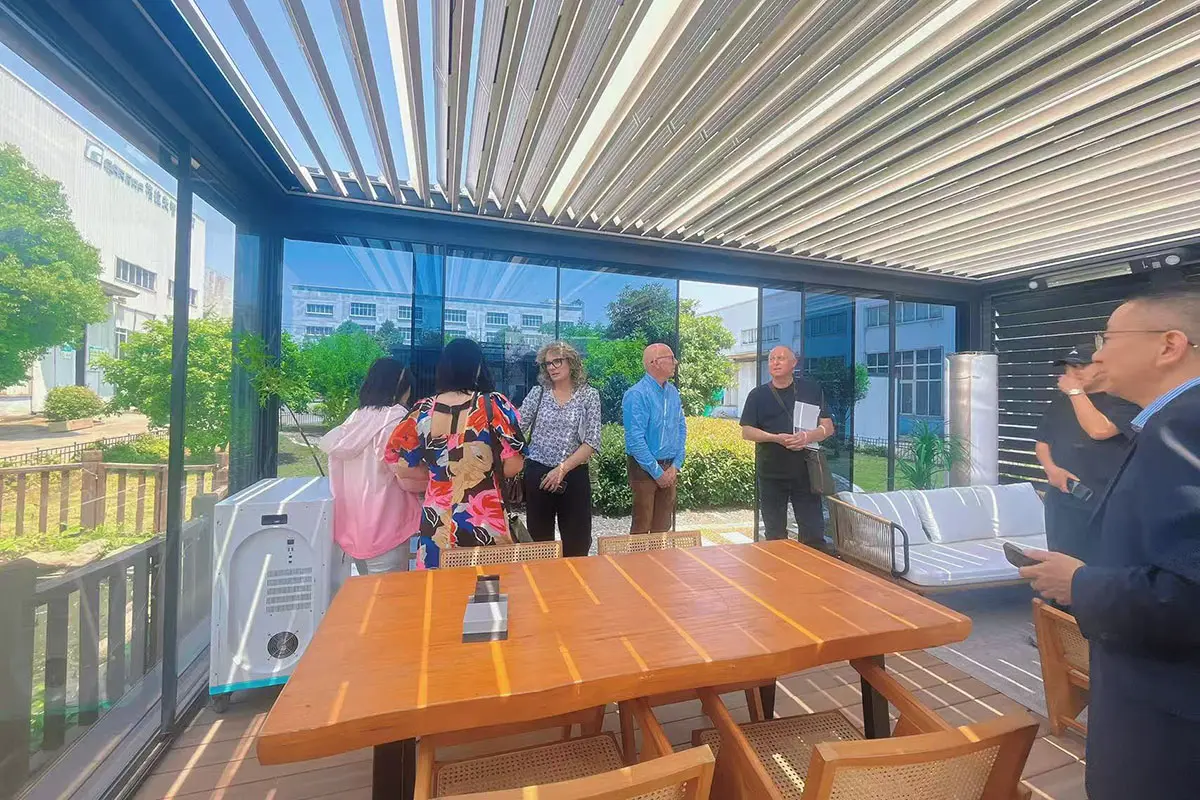
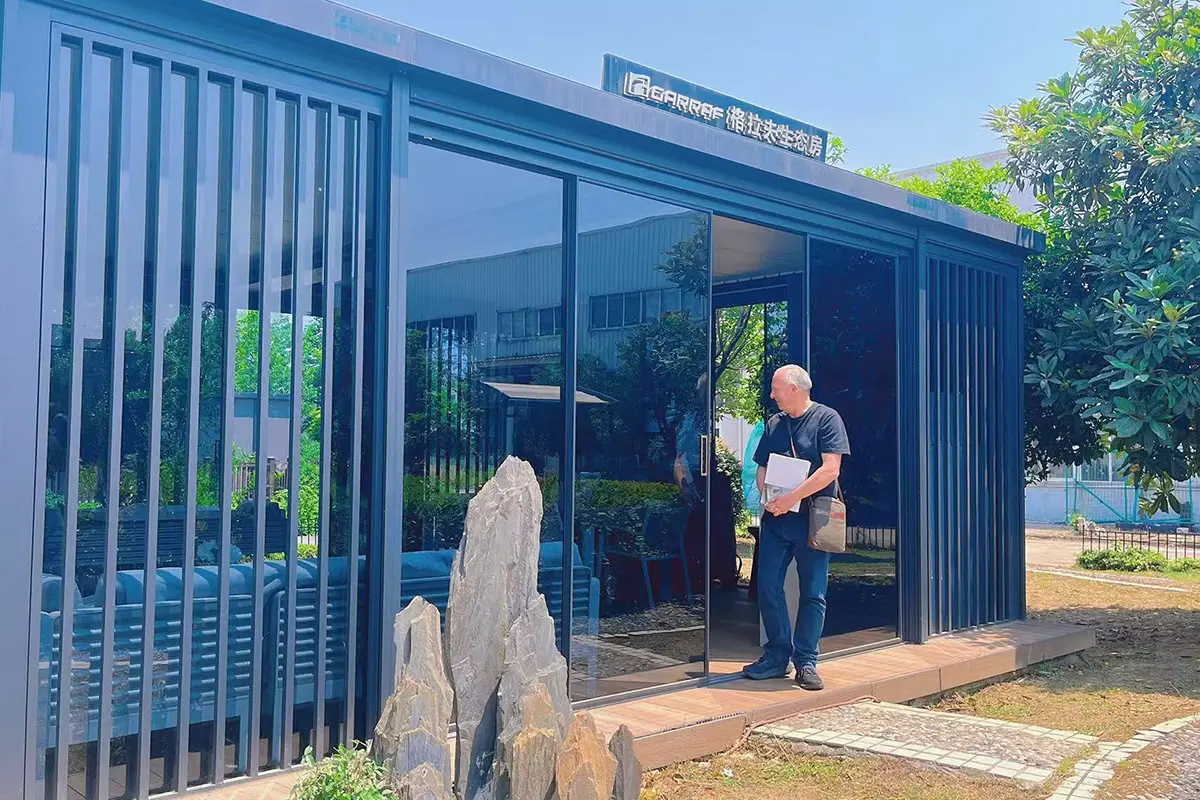
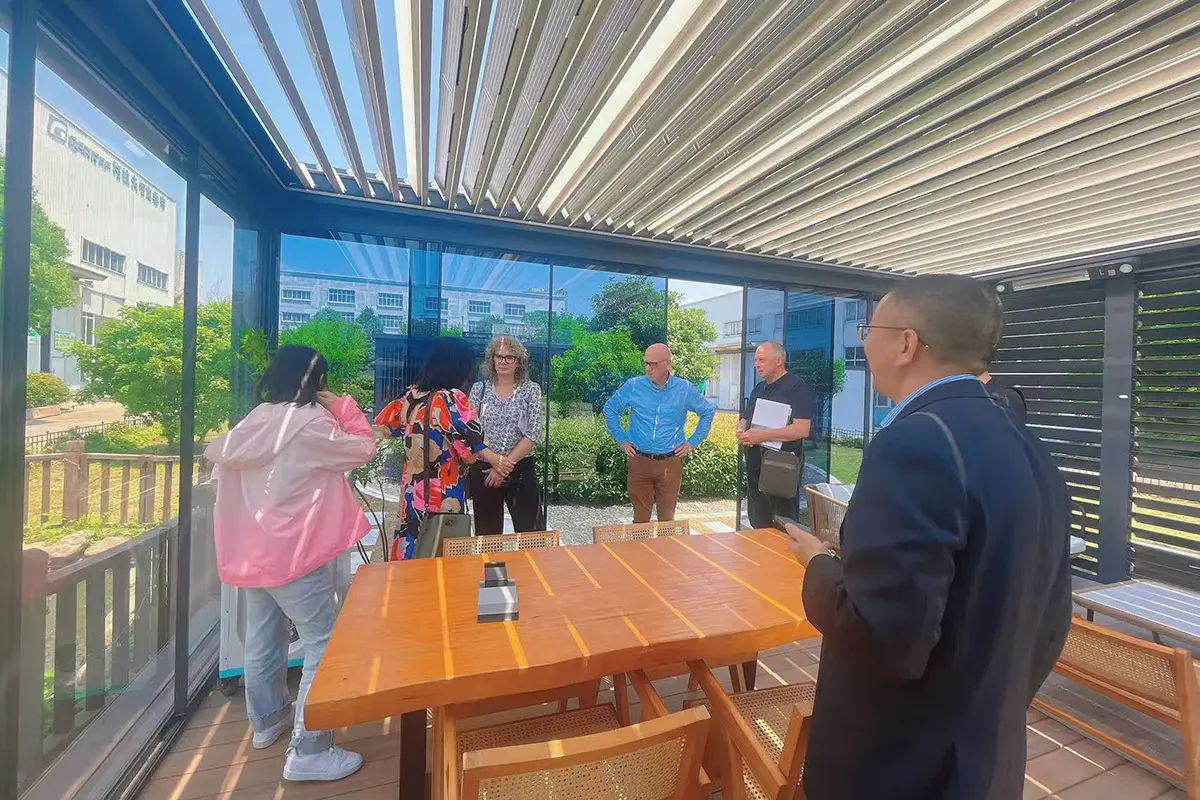
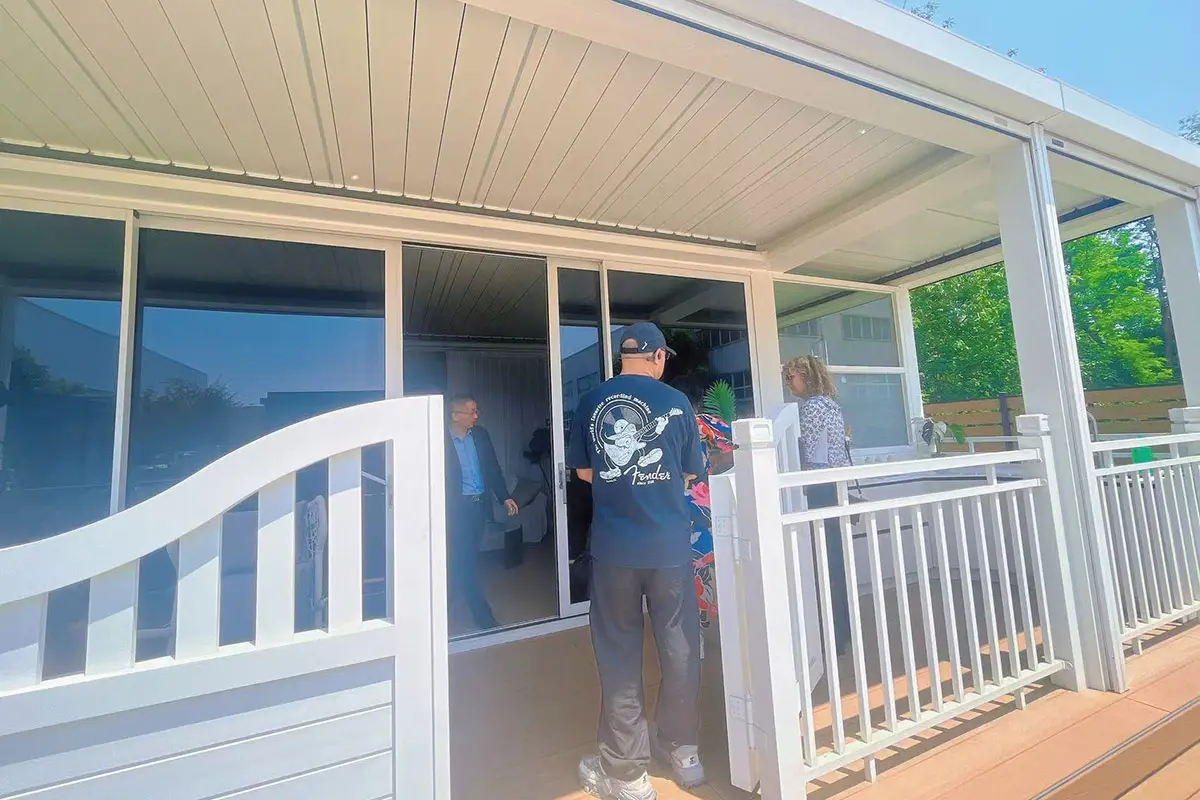
In today's construction environment, global compliance is a prerequisite for project approval. In the European Union, external shutters must carry the CE marking under EN 13659, confirming wind resistance, operating safety, and mechanical endurance. In North America, structural calculations must meet the building load requirements of ASCE 7, specifying structural design loads for buildings and other structures. Environmental compliance is equally important; specifying green building materials is key to securing LEED and BREEAM certifications. Our manufacturing plant operates under ISO 14001, verifying that environmental impact is managed during every phase of production.
Furthermore, the aluminum alloy used is up to 95% recyclable, allowing the shutters to be processed into new high-grade profiles at the end of their service life. Our finishes use eco-friendly VOC-free powder coatings, eliminating chemical outgassing. Thermal performance calculations show that our shutters reduce cooling energy demands by up to 35% in tropical climates, directly reducing operational carbon emissions and aligning with global decarbonization goals.
Our research and development program focuses on incorporating advanced technology into our exterior shading solutions. Key initiatives include development of integrated thin-film photovoltaic (BIPV) louvers, allowing external shutters to generate solar power while shading the building envelope. We are also optimizing automated sensor integration, using self-learning algorithm modules to dynamically adjust blade angles based on real-time solar path and wind speed data, maximizing daylight utilization while preventing wind damage.
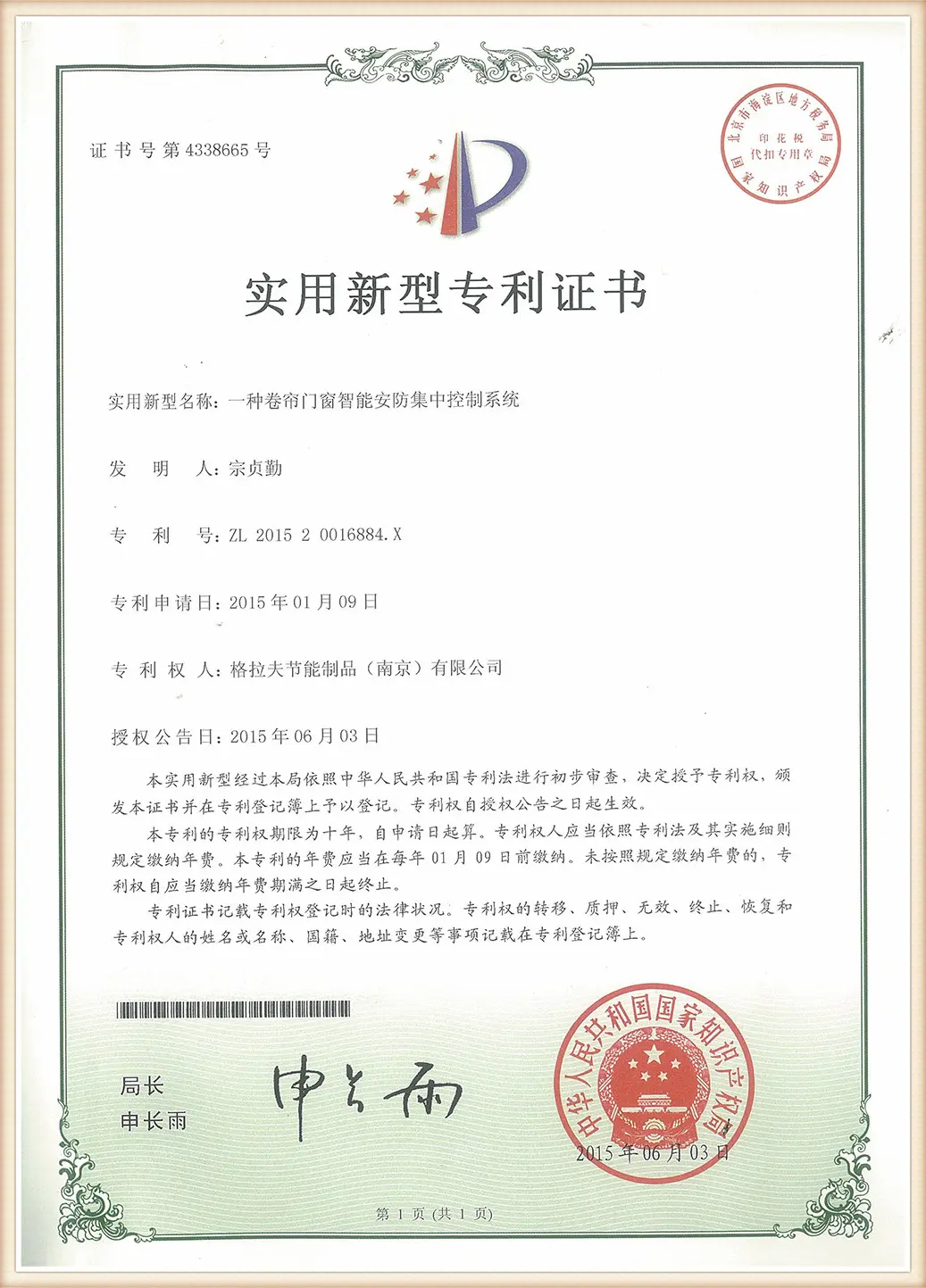
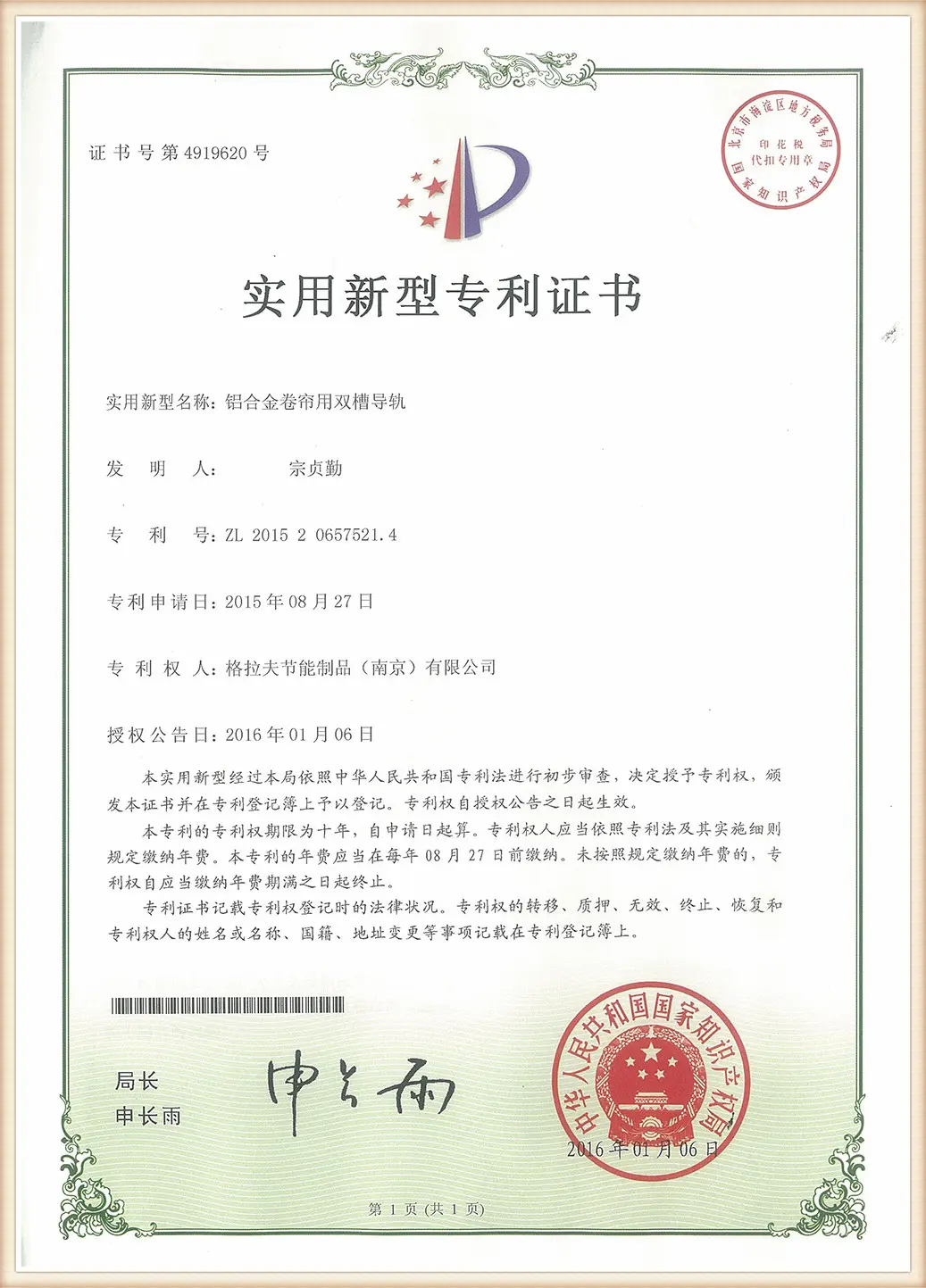
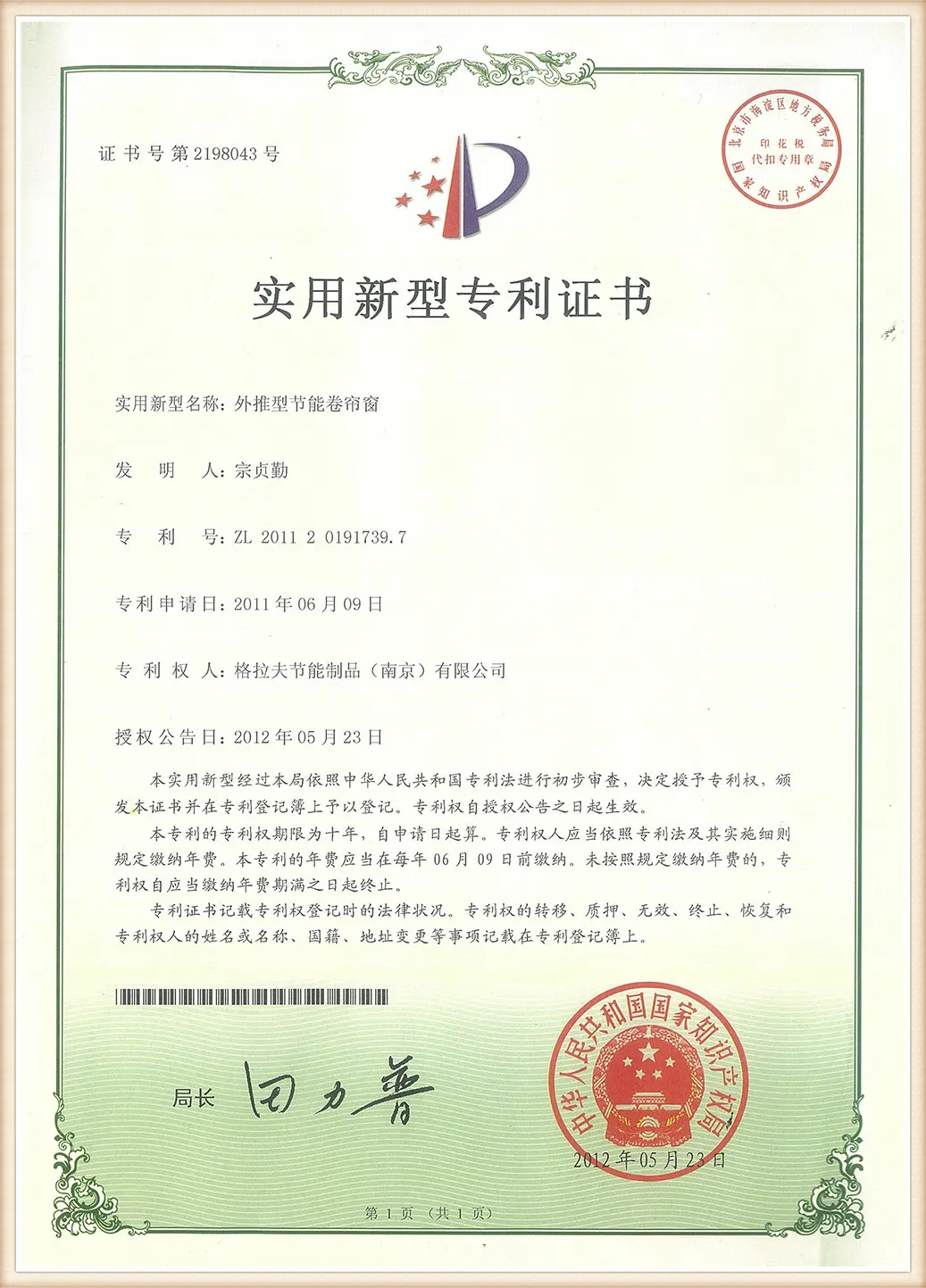
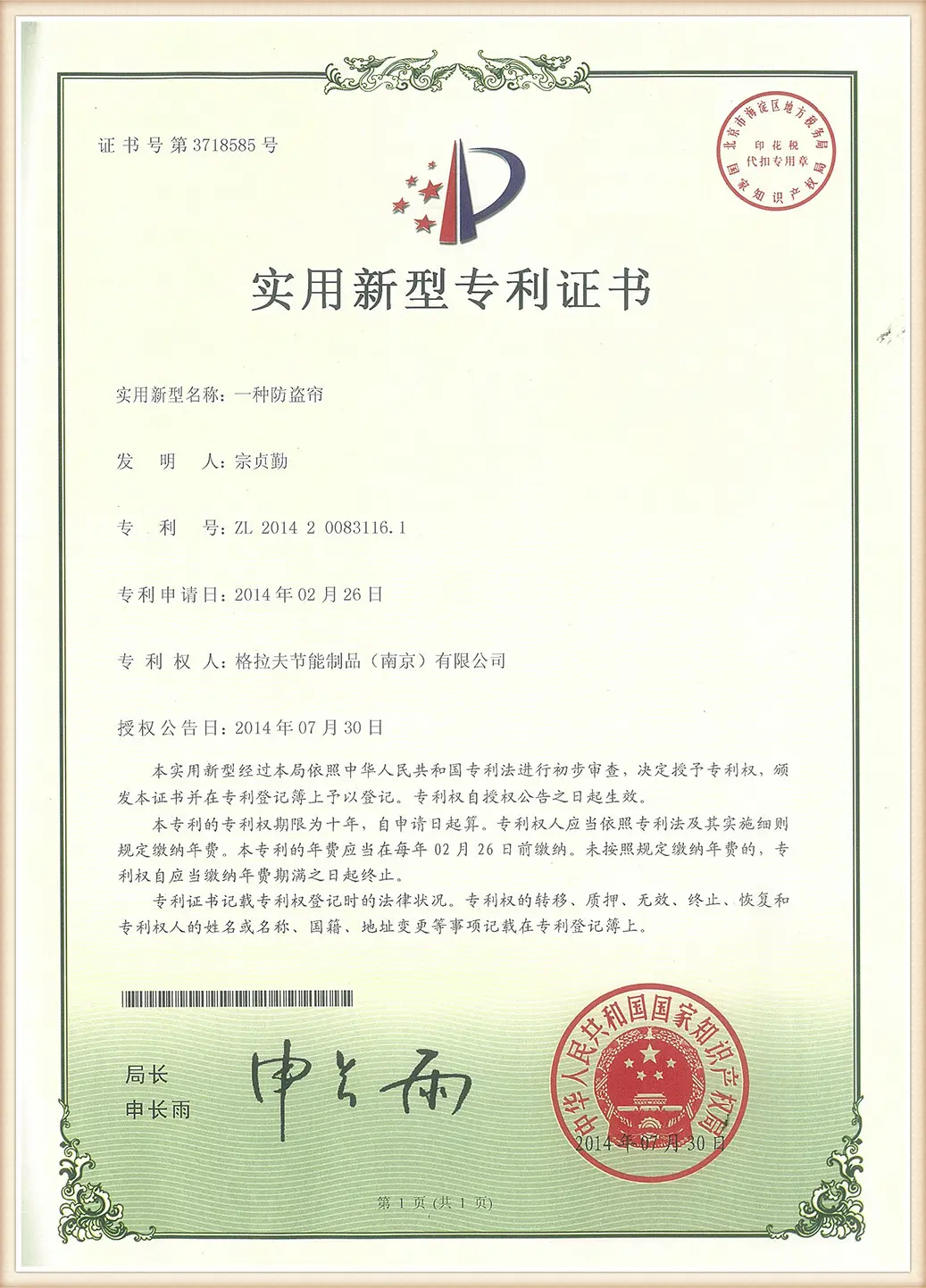
ISO 9001 and CE certifications back our quality standards, supported by over 100 patents in architectural louvers.
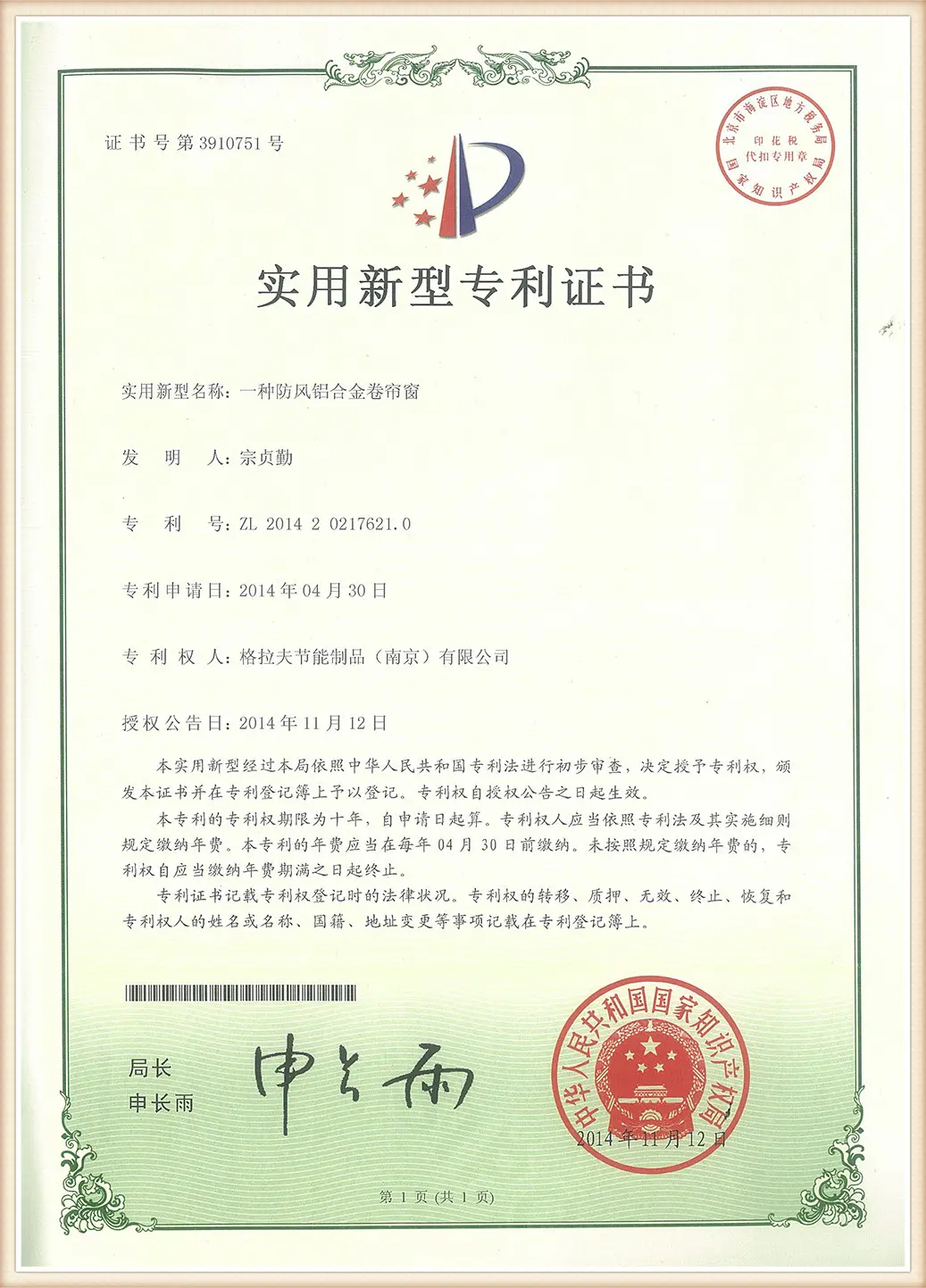
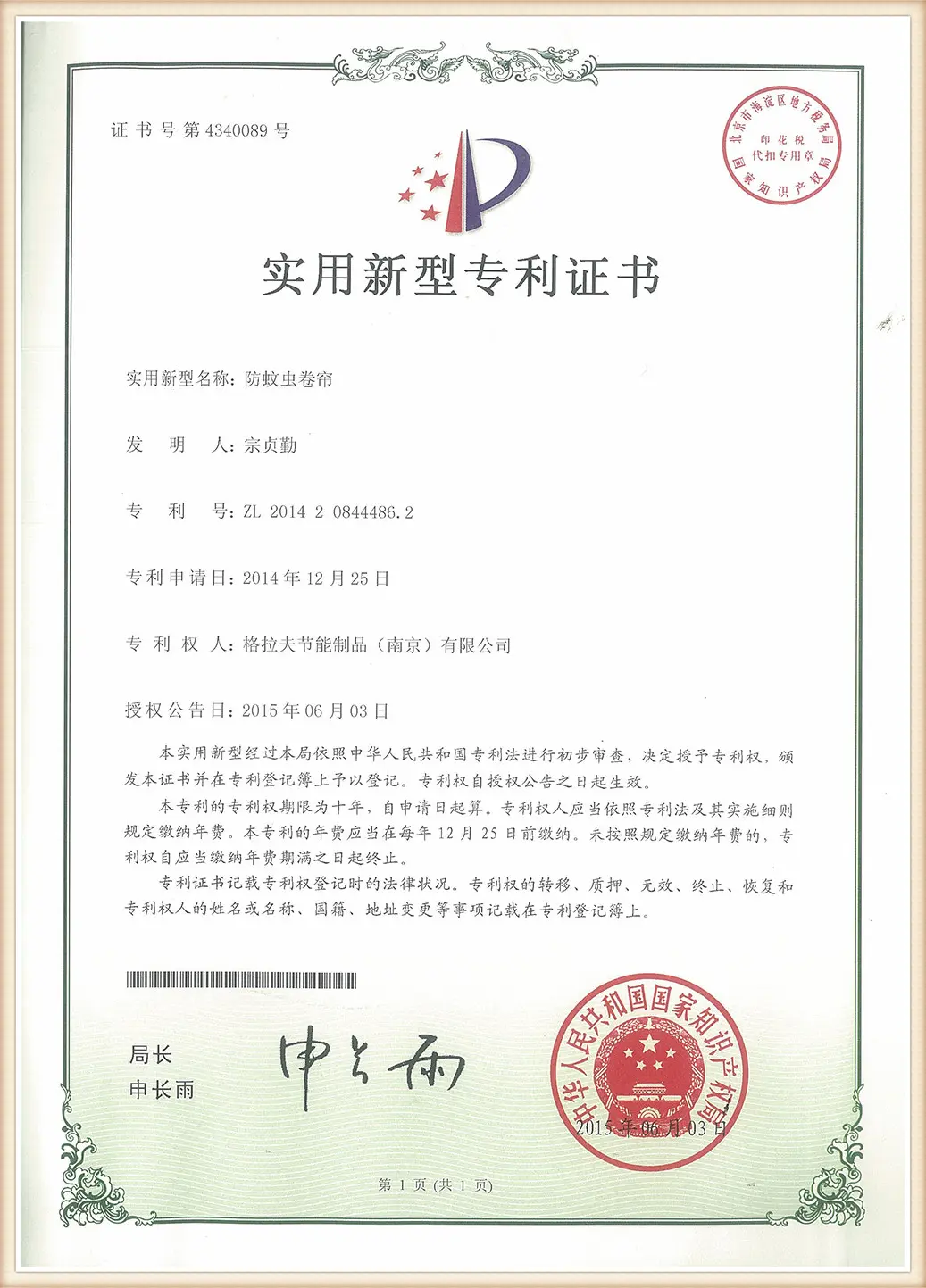
Contact our project engineering team today. Send us your specifications or CAD drawings, and we will prepare a complete estimate, shop drawings, and pricing options within 24 hours.
Expert answers to common architectural, structural, and procurement questions.
Stay up to date with the latest technological developments in the external shutter and shading systems industry.
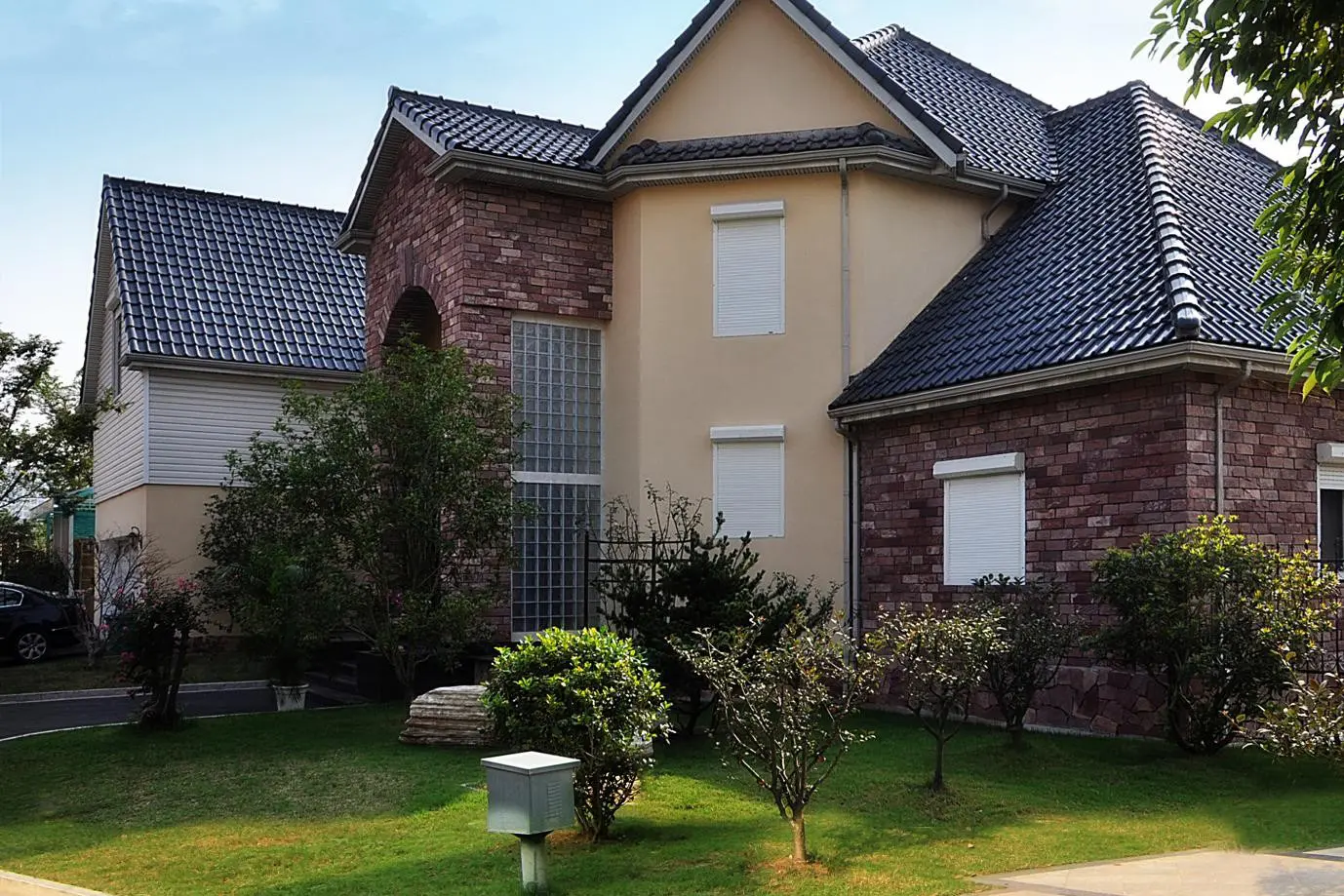
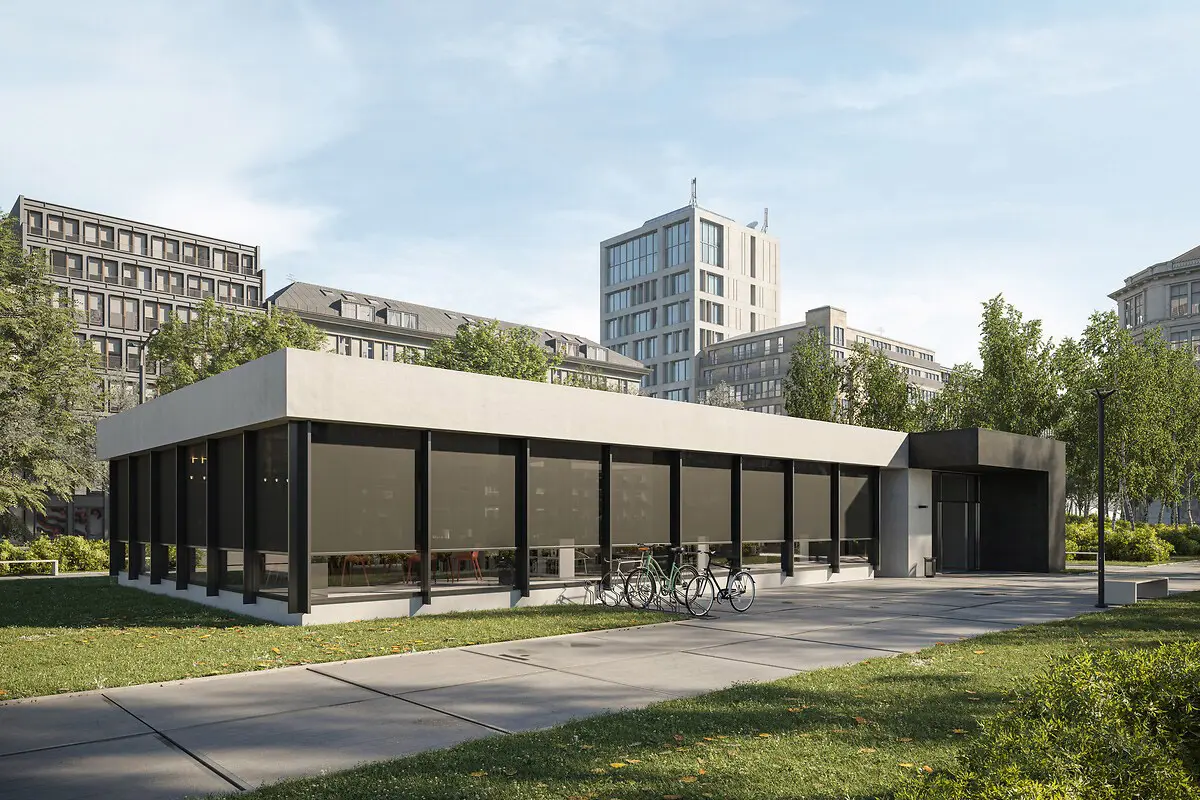
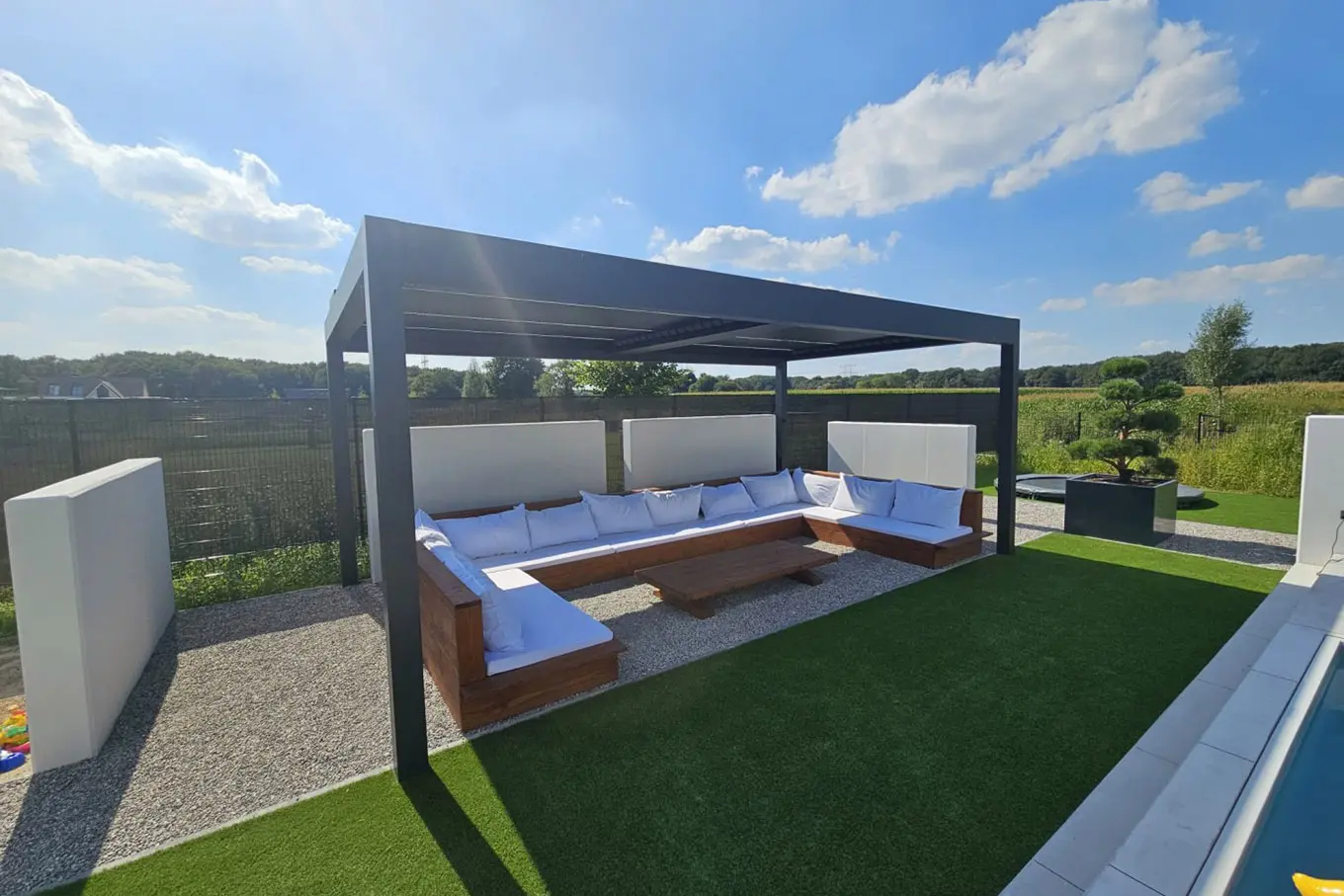
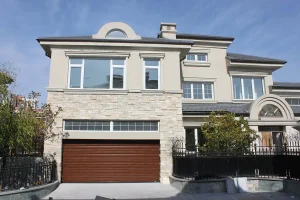
Select from our range of structural louvered systems, modular spaces, and architectural garage doors.
We work closely with global industry leaders to supply top-tier projects worldwide.

 GARRAF