Explore our premium range of CE-certified structural enclosures, automated sunshades, and climate-resilient building components designed for modern off-site construction.
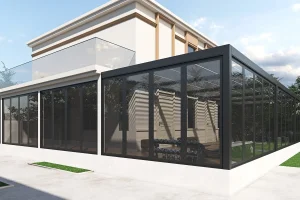
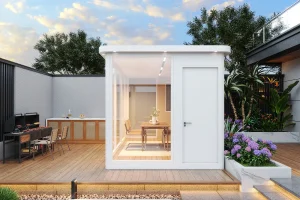
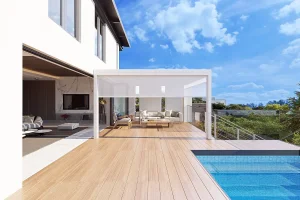
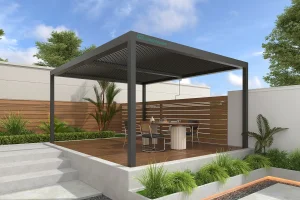
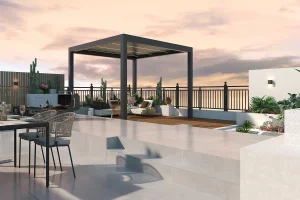
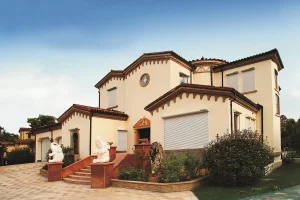
The global construction industry is undergoing a paradigm shift, transitioning from traditional stick-built methodologies to advanced off-site manufacturing (OSM). At the forefront of this revolution are panelized house systems. Unlike volumetric modular construction, which transports fully assembled three-dimensional units, panelized construction involves the fabrication of structural wall, floor, and roof panels in a controlled factory environment. These panels are then flat-packed, shipped, and rapidly assembled on-site.
This structural approach solves several critical challenges currently facing the global real estate and construction sectors. According to recent industry analyses, the panelized building market is projected to expand at a compound annual growth rate (CAGR) of over 6.5% through 2030. Key drivers include acute skilled labor shortages in developed economies, escalating material costs, and stringent municipal regulations targeting construction waste and carbon emissions. By shifting up to 80% of the structural fabrication process to a factory floor, developers can mitigate weather-related delays, ensure millimeter-level dimensional accuracy, and significantly compress project timelines.
"Panelized construction represents the optimal balance between design flexibility and manufacturing efficiency. By utilizing advanced CAD/BIM integration, manufacturers can produce customized building envelopes that meet diverse architectural visions while maintaining the cost advantages of mass production."
Furthermore, the integration of high-performance materials—such as Structural Insulated Panels (SIPs), light-gauge steel framing, and advanced thermal break profiles—has elevated the energy efficiency of panelized homes. Today's custom panelized houses are engineered to meet Net-Zero Energy (NZE) and Passive House standards, offering superior thermal envelope performance, minimized thermal bridging, and exceptional airtightness. This makes them highly attractive to institutional investors and developers focused on ESG (Environmental, Social, and Governance) compliance.
For international developers, general contractors, and commercial builders, the procurement of panelized components is a strategic decision that extends far beyond unit cost. Modern B2B buyers require manufacturers who can act as integrated engineering partners. The procurement process demands rigorous compliance with regional building codes, structural load-bearing certifications, and logistical feasibility.
Engineering verification for regional codes including IBC (International Building Code), Eurocodes, and AS/NZS 1170. Panels must withstand localized wind loads, seismic activity, and snow accumulation.
Seamless translation of architectural drawings into manufacturing-ready files. Direct integration with Revit, AutoCAD, and MiTek software ensures zero-tolerance alignment during assembly.
Flat-pack packaging designed to maximize shipping container volume. Sequential loading protocols ensure that panels are unloaded in the exact order required for immediate crane erection.
Additionally, supply chain transparency and reliability are critical. Developers cannot afford project delays due to manufacturing bottlenecks or customs clearance issues. Consequently, leading manufacturers must provide comprehensive documentation, including material mill test reports, fire-resistance ratings (ASTM, EN standards), and acoustic performance data. Establishing a clear chain of custody and quality control checkpoints from raw material sourcing to final container loading is essential for building trust with global B2B buyers.
China's manufacturing sector has evolved from a low-cost production hub to a pioneer in industrial automation and smart manufacturing—often referred to as Factory 4.0. For panelized house manufacturing, this technological leap translates into unprecedented precision, speed, and cost-efficiency. By utilizing automated roll-forming machines, robotic welding systems, and computerized CNC cutting tables, Chinese factories can produce structural panels with tolerances of less than 1 millimeter.
This level of precision is virtually impossible to replicate with traditional on-site carpentry. It ensures that when the panels arrive at the job site in Europe, North America, or Australia, they fit together seamlessly, eliminating the need for field modifications and reducing structural assembly times by up to 70%. Furthermore, China's deeply integrated industrial supply chain provides a significant competitive advantage. Within a single manufacturing cluster, factories have direct access to high-grade steel, premium aluminum extrusions, advanced insulation materials, and state-of-the-art architectural hardware.
"The resilience of our supply chain guarantees a rapid production cycle of 20 to 30 days, even for highly customized, large-scale commercial orders. This speed, combined with our proximity to major deep-water ports, ensures reliable, on-time delivery to construction sites worldwide."
This localized ecosystem minimizes material transport costs, insulates production schedules from global supply shocks, and allows for rapid prototyping and customization. B2B buyers benefit from a streamlined procurement process where structural panels, exterior cladding, window systems, and thermal barriers are engineered, tested, and shipped as a single, cohesive building envelope solution.
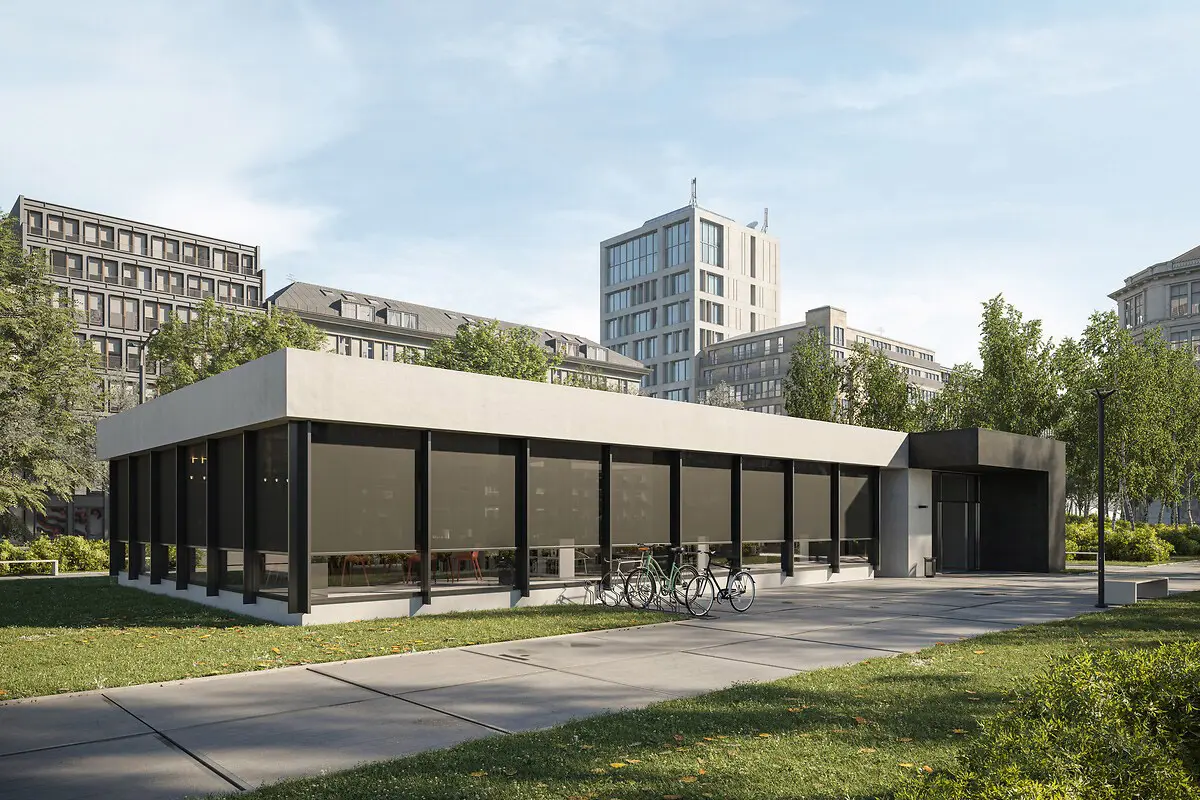
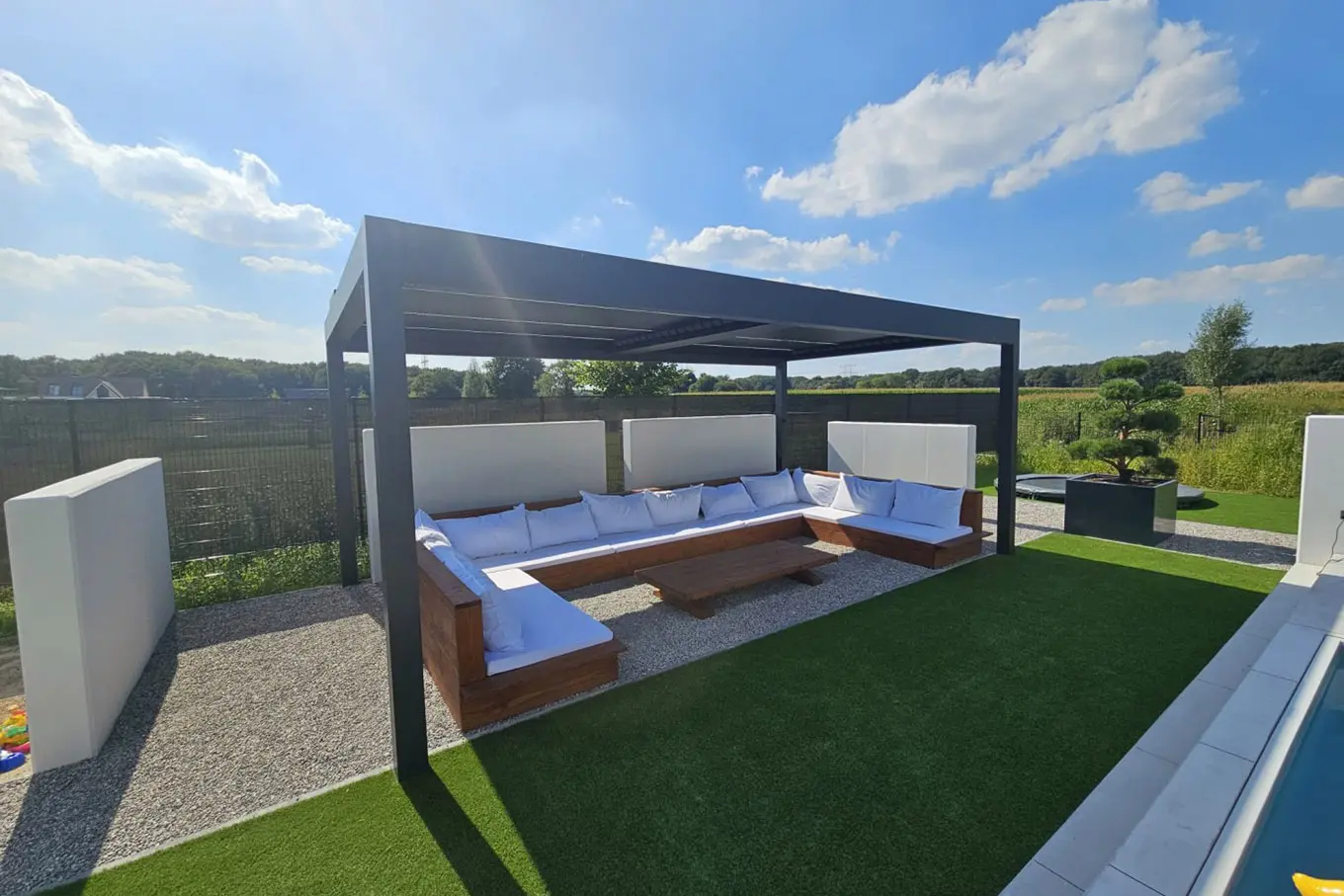
Innovative aluminum outdoor structures and panelized building systems seamlessly blur the line between indoor and outdoor living. Our engineering philosophy focuses on creating cohesive, energy-efficient building envelopes that enhance both aesthetic appeal and structural performance.
Whether elevating residential developments with custom modular pods or enhancing commercial venues with heavy-duty louvered pergolas and automated zip screens, our solutions are designed to infuse every space with ease, style, and long-term durability.
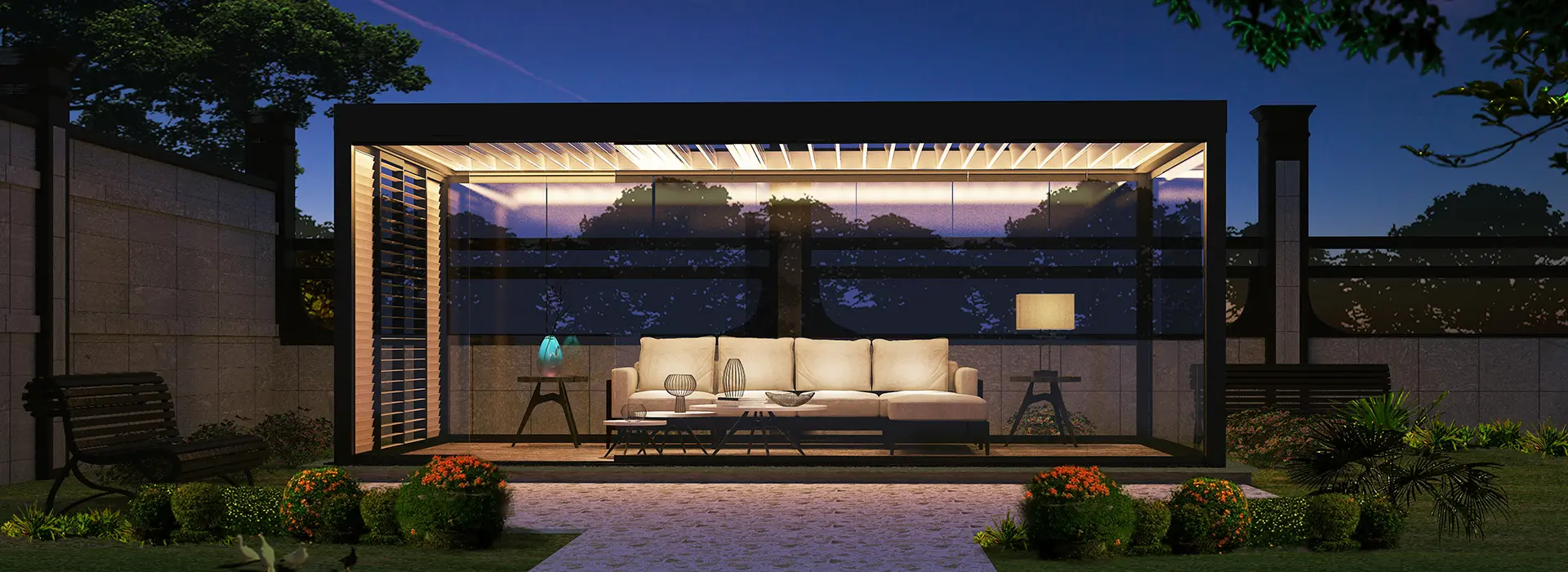

One of the primary advantages of custom panelized construction is its adaptability to diverse geographical and climatic conditions. Rather than utilizing a one-size-fits-all approach, panels can be engineered with specific material compositions, insulation thicknesses, and structural reinforcements to optimize performance in any environment.
1. High-Wind and Coastal Regions: In areas prone to hurricanes, typhoons, or high coastal winds (such as the Caribbean, Florida, and parts of Australia), panelized structures are engineered with reinforced light-gauge steel frames and heavy-duty connection brackets. These systems are designed to transfer lateral wind loads directly to the foundation, preventing structural deformation. Additionally, exterior finishes are treated with marine-grade, anti-corrosive coatings to resist salt spray and humidity.
2. Sub-Zero and Alpine Climates: For projects in Northern Europe, Canada, and alpine regions, the focus shifts to thermal performance. Panels are fabricated with thick polyurethane or mineral wool cores, achieving exceptionally low U-values (high R-values). Special attention is paid to thermal bridge mitigation, ensuring that structural steel or timber members do not act as conduits for heat loss. Integrated triple-glazed window systems and insulated roller shutters further enhance the thermal envelope, reducing heating costs by up to 50%.
3. High-Density Urban Infill: In urban centers where space is limited and construction noise must be minimized, panelized construction offers a low-impact solution. Because the panels are pre-fabricated, on-site assembly requires minimal staging area and generates virtually no dust or noise. Crane-in-place installation allows developers to erect multi-story structures in a fraction of the time required for traditional concrete pours, minimizing disruption to surrounding neighborhoods.
Over the past 20 years, our company has maintained an outstanding reputation worldwide. Our valued clients span across the globe, and our products are currently exported to more than 70 countries.
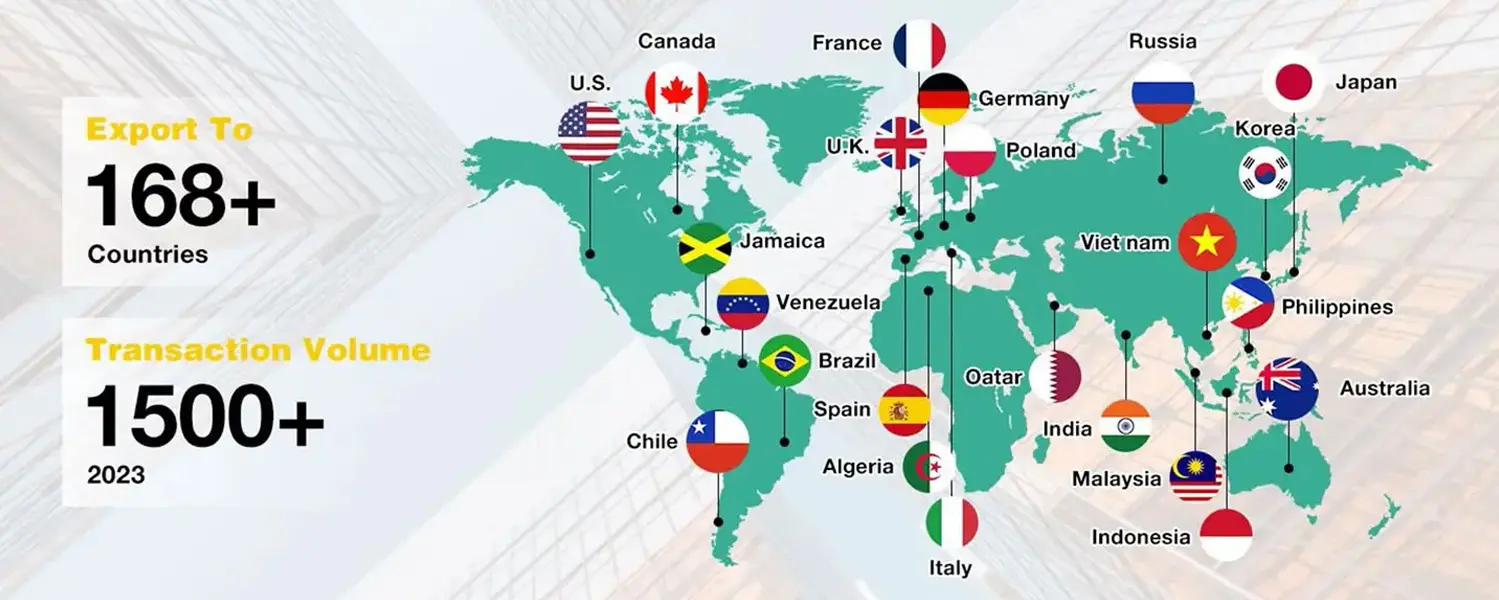
From international exhibition booth introductions to comprehensive factory tours, clients inspect our production lines, verify quality control protocols, and build long-term trust.
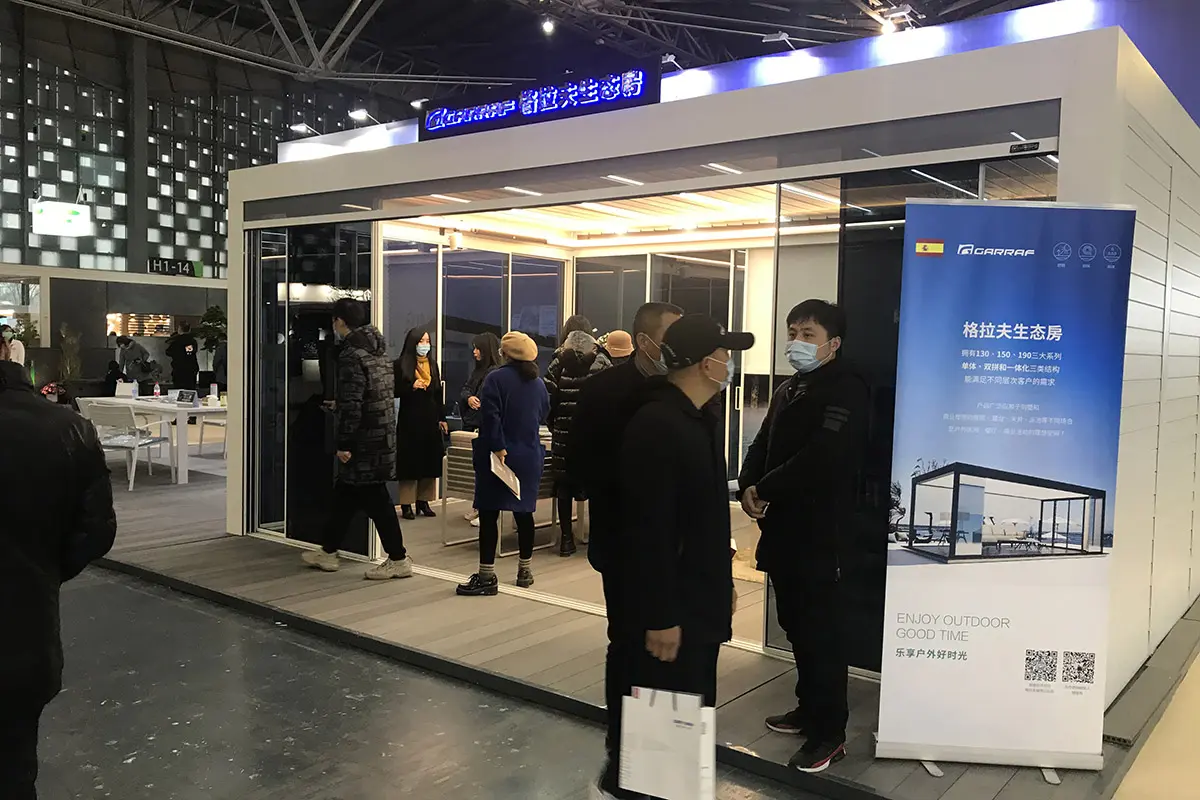

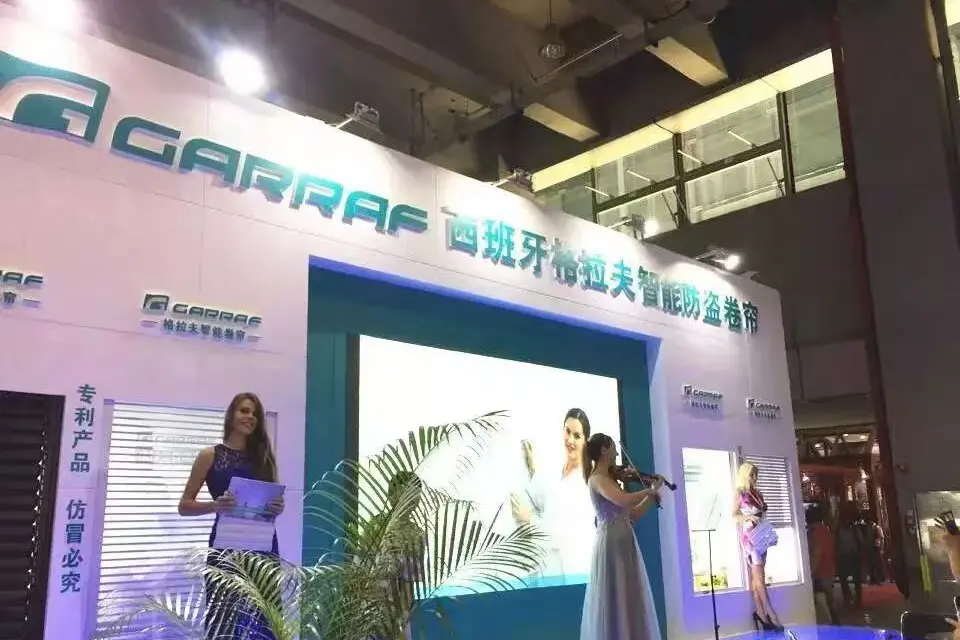
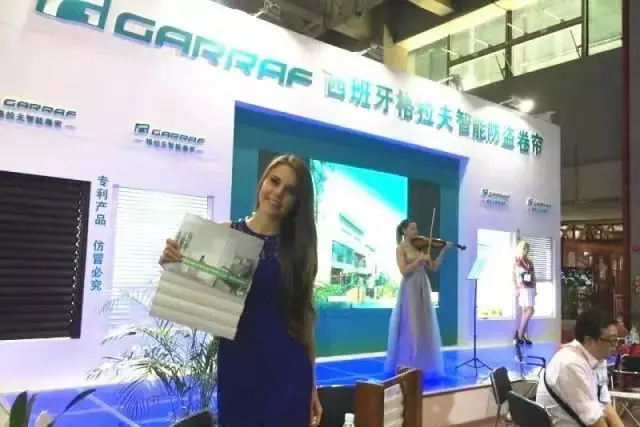
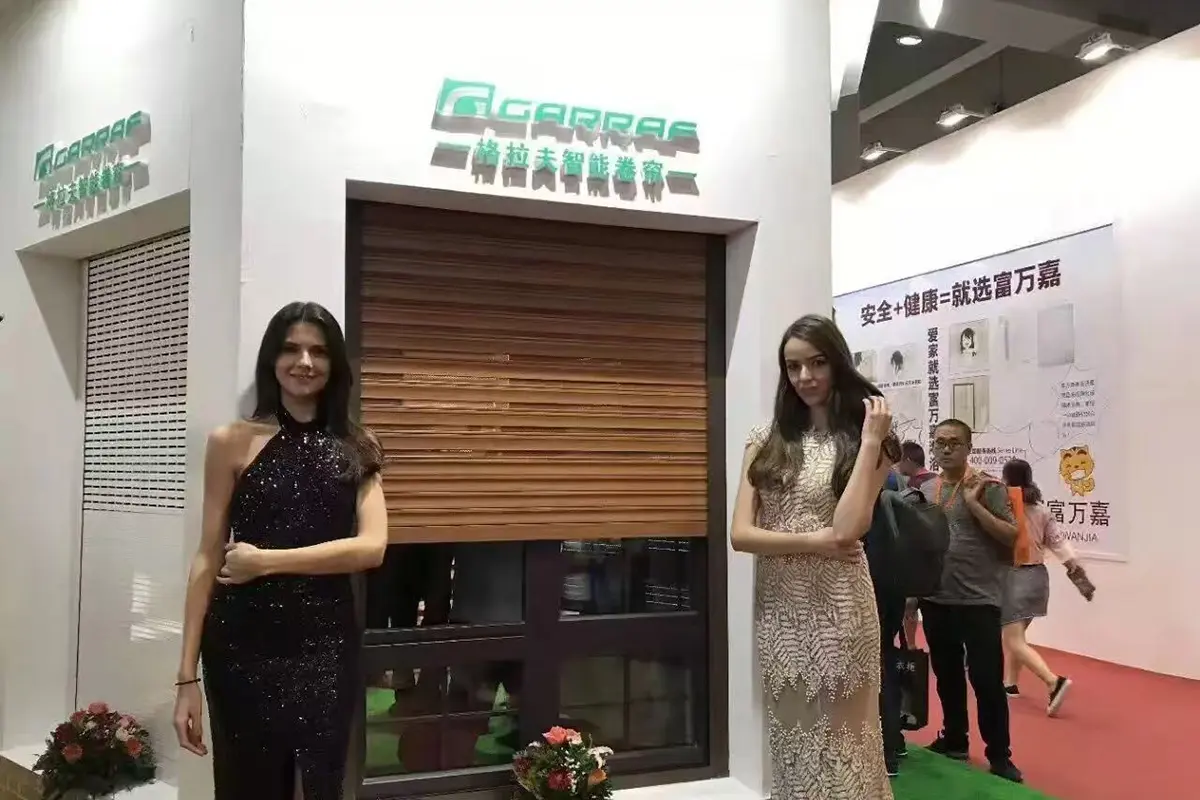
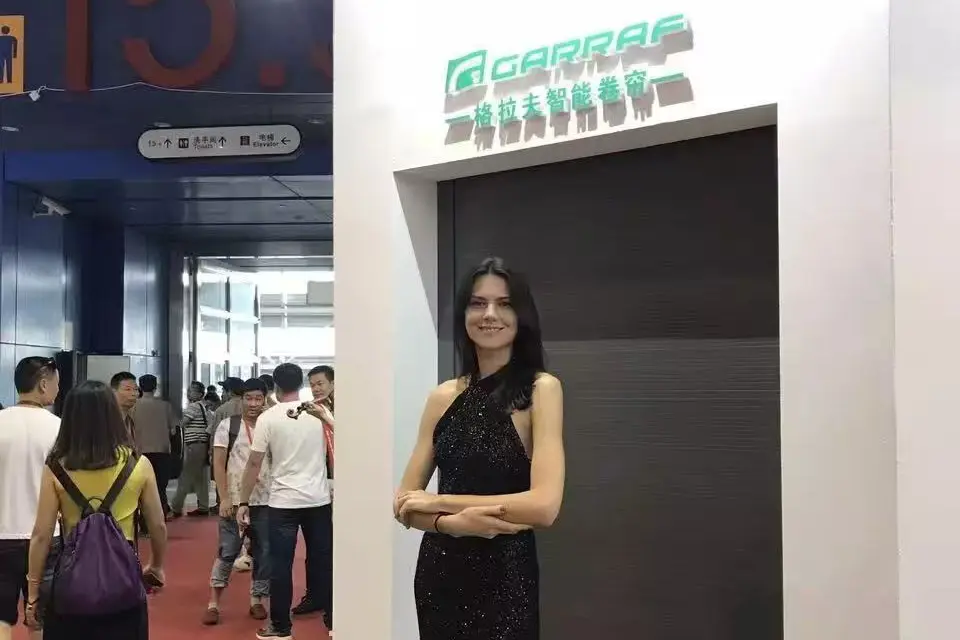

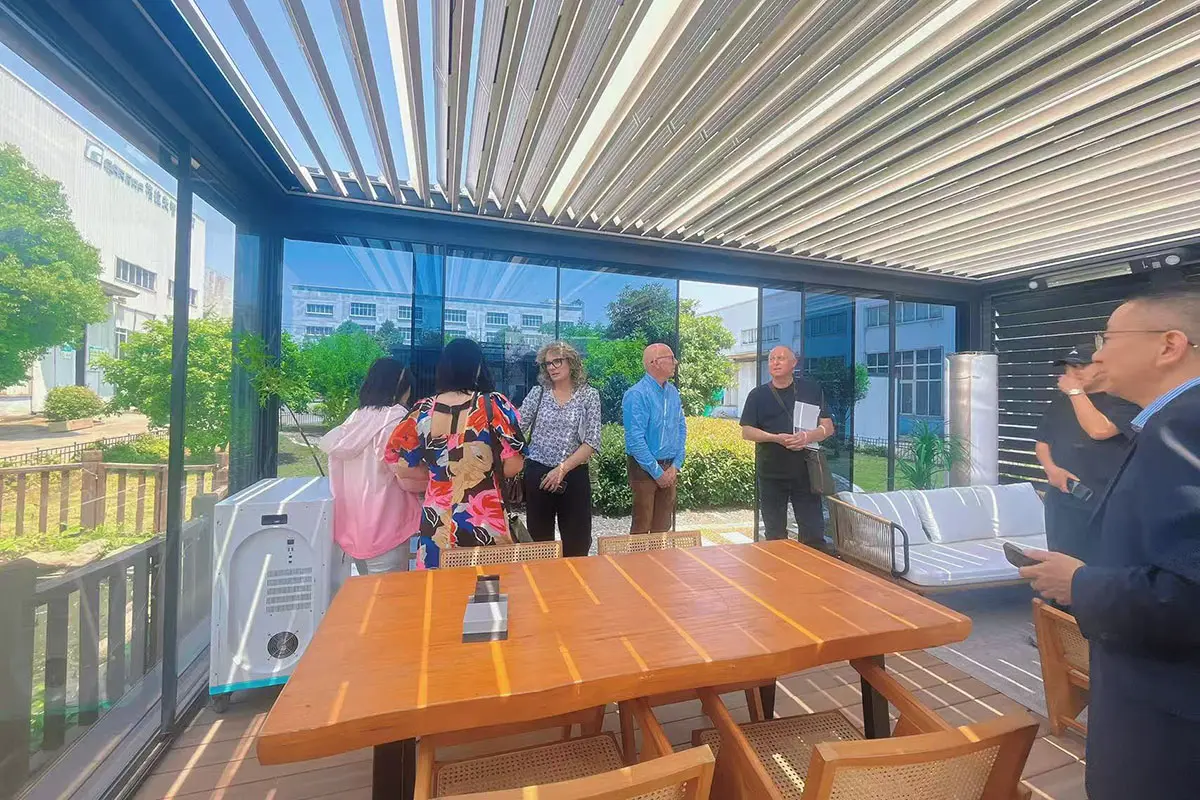
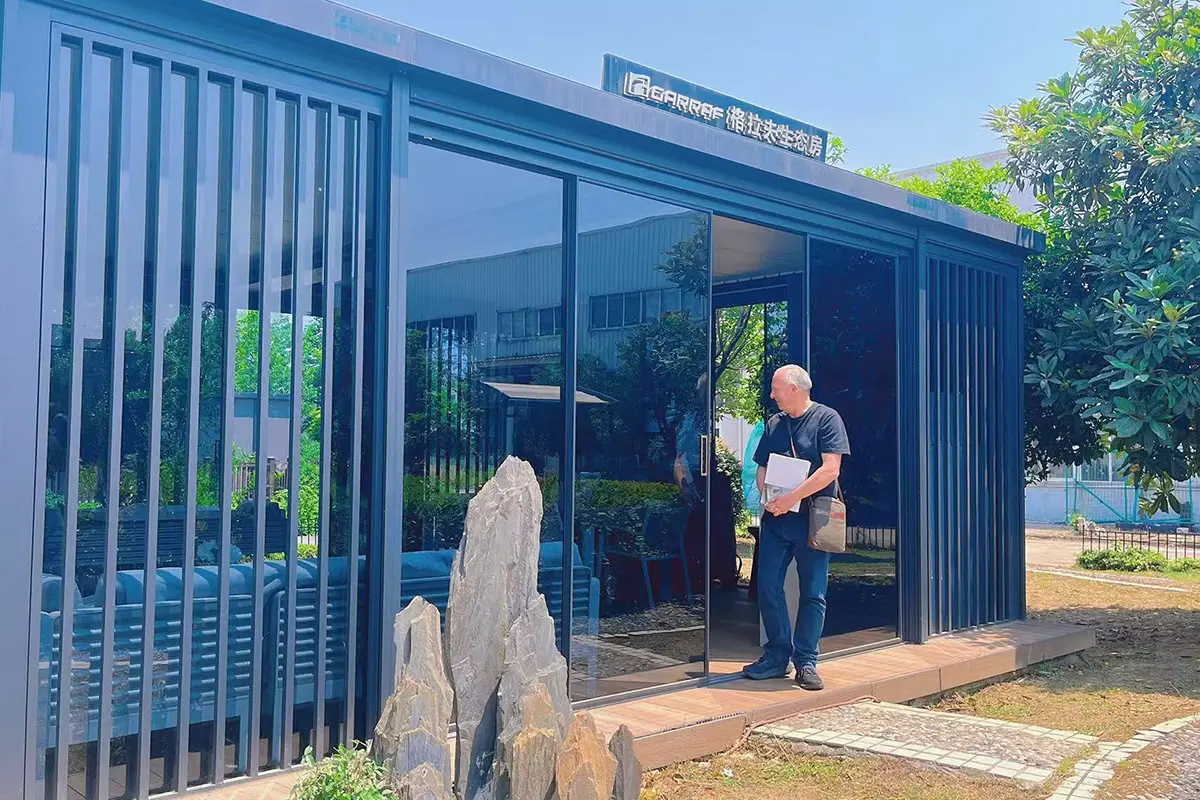
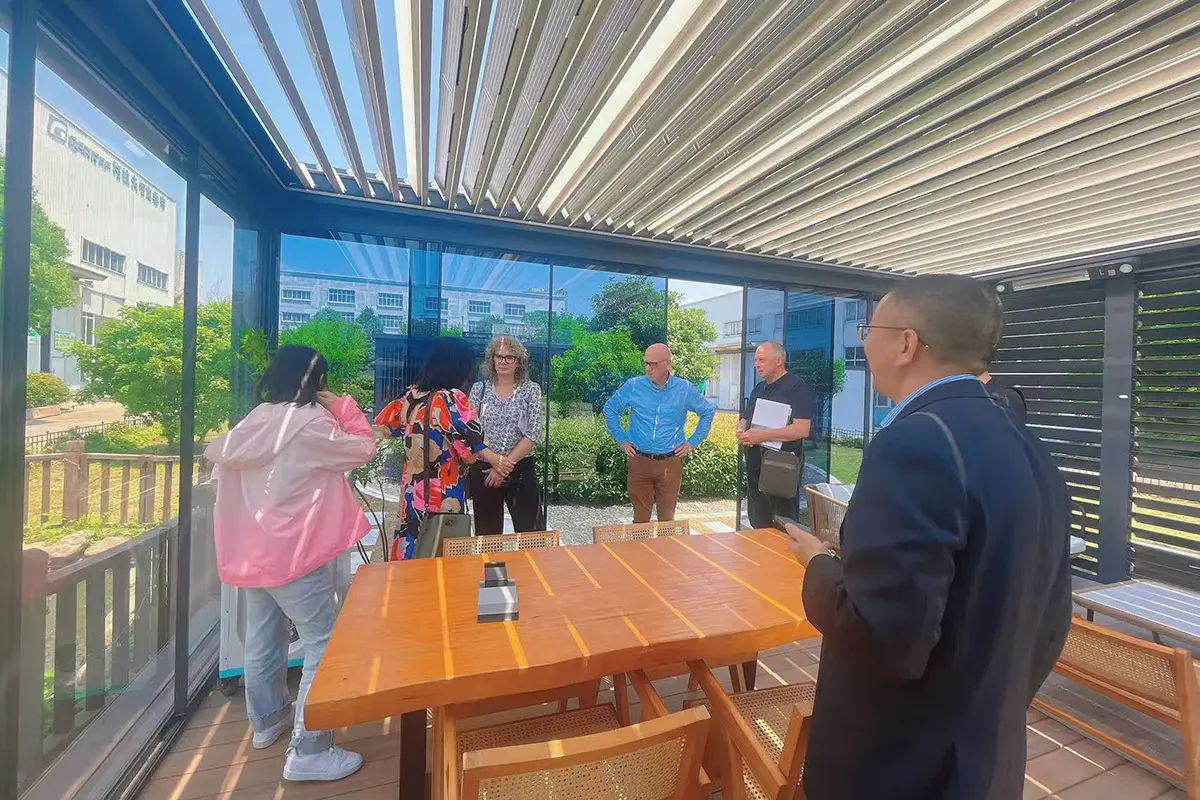
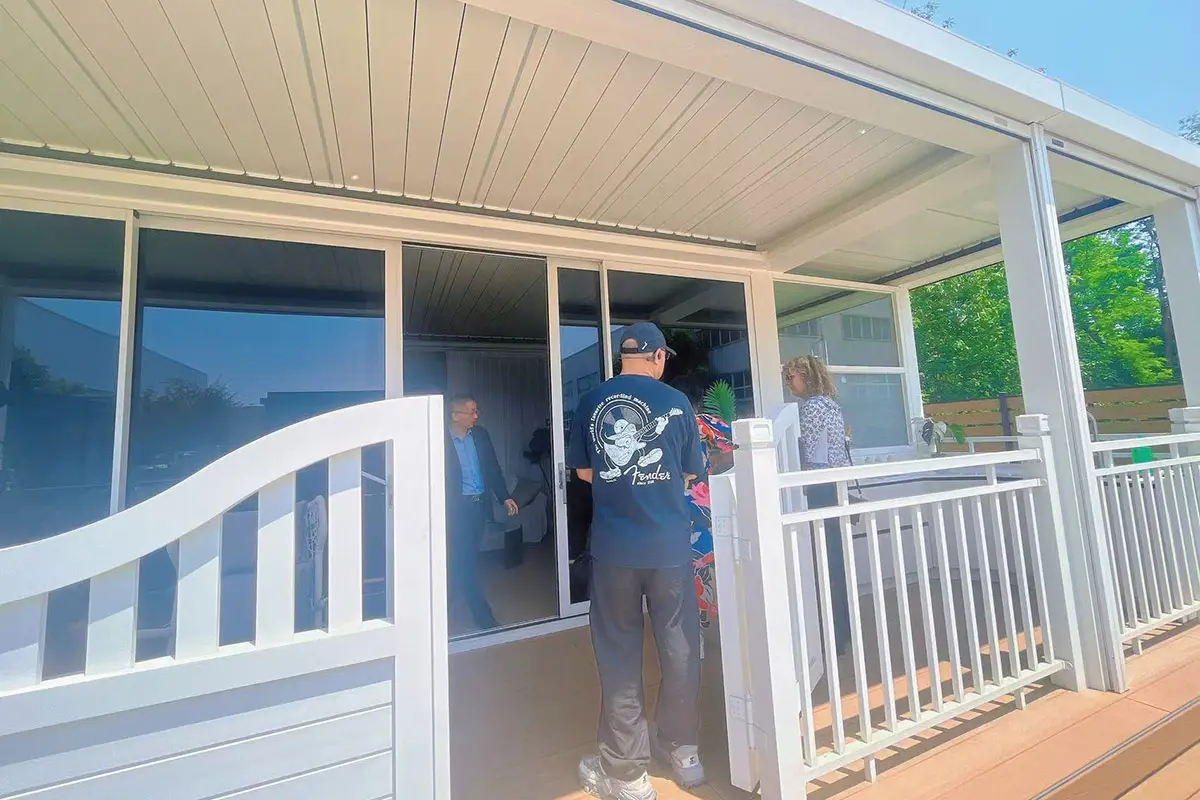
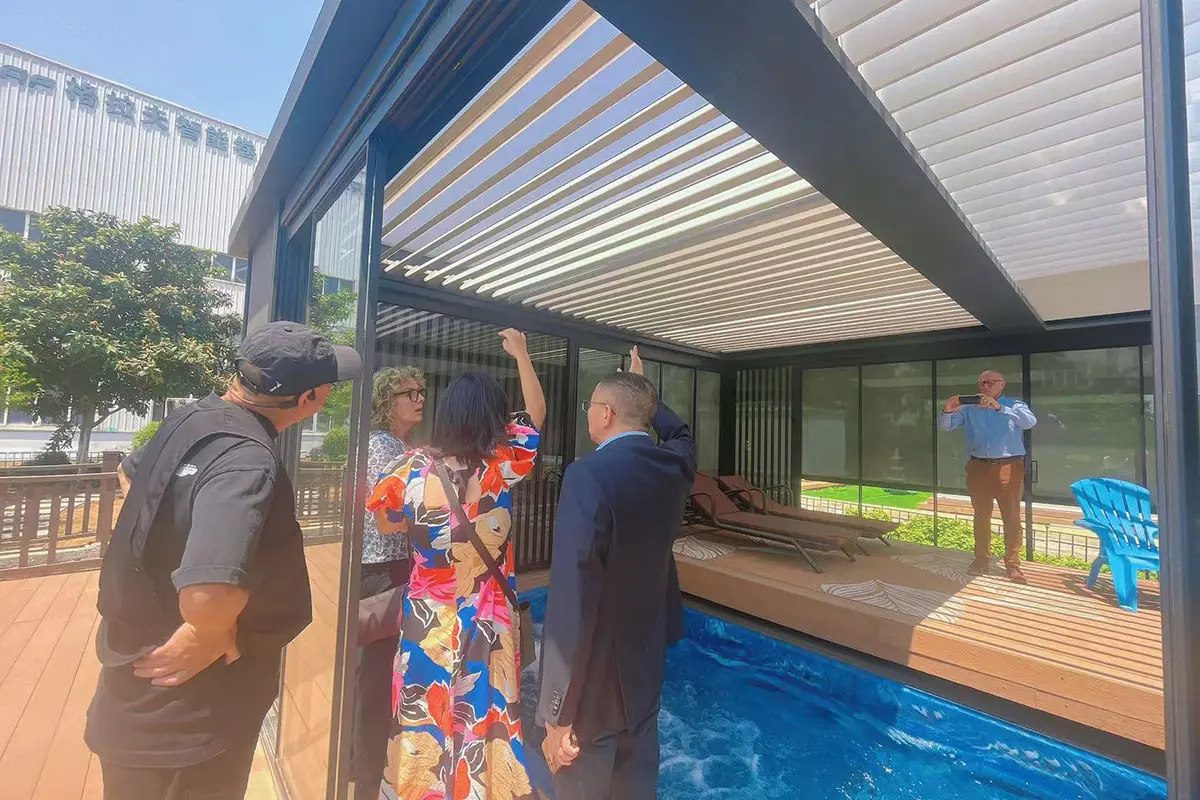
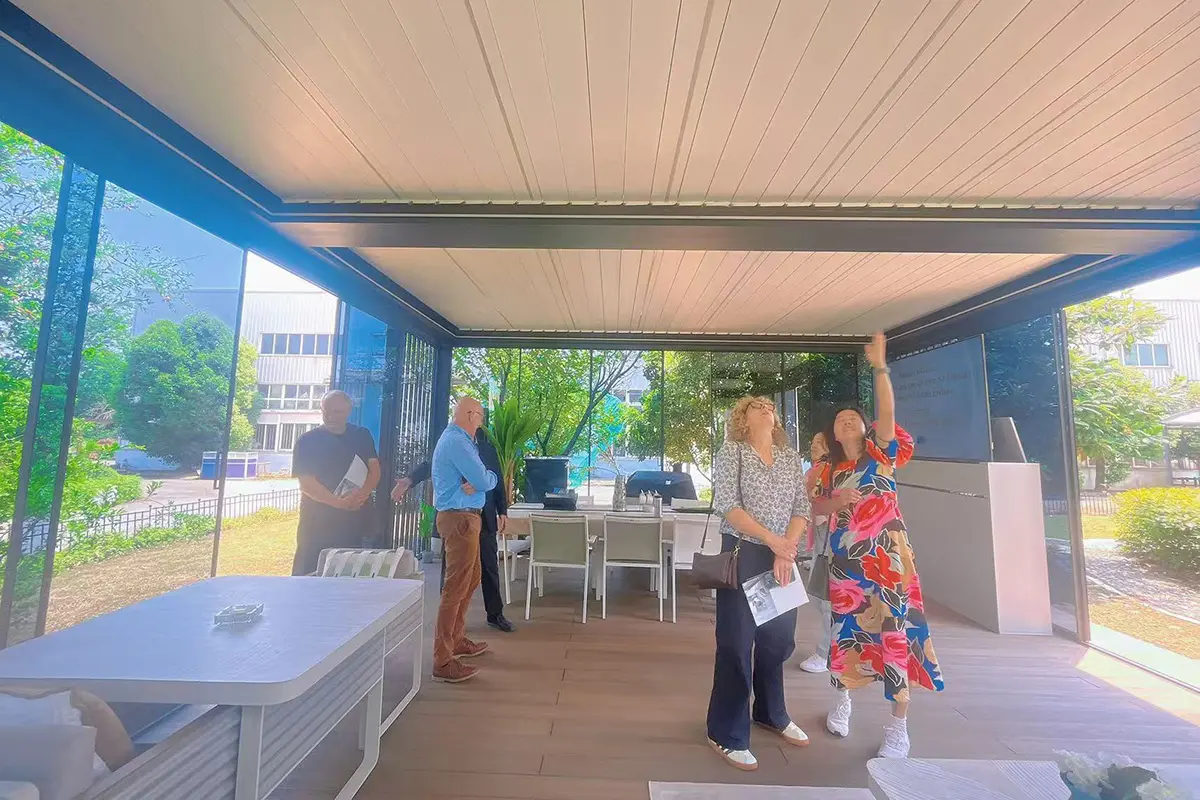
We specialize in the research, development, and production of four major climate-resilient production lines, delivering tailored structural solutions worldwide.

Comprehensive OEM & ODM services. We translate your architectural concepts and structural requirements into precise, manufacturing-ready designs.

Leveraging advanced automation to achieve a rapid 20-30 day production cycle, ensuring your project timeline remains on schedule.

Secure, flat-packed container loading and reliable worldwide shipping, delivering components directly to your job site safely and on time.

Dedicated technical support, comprehensive installation manuals, and remote engineering guidance to ensure a seamless assembly process.
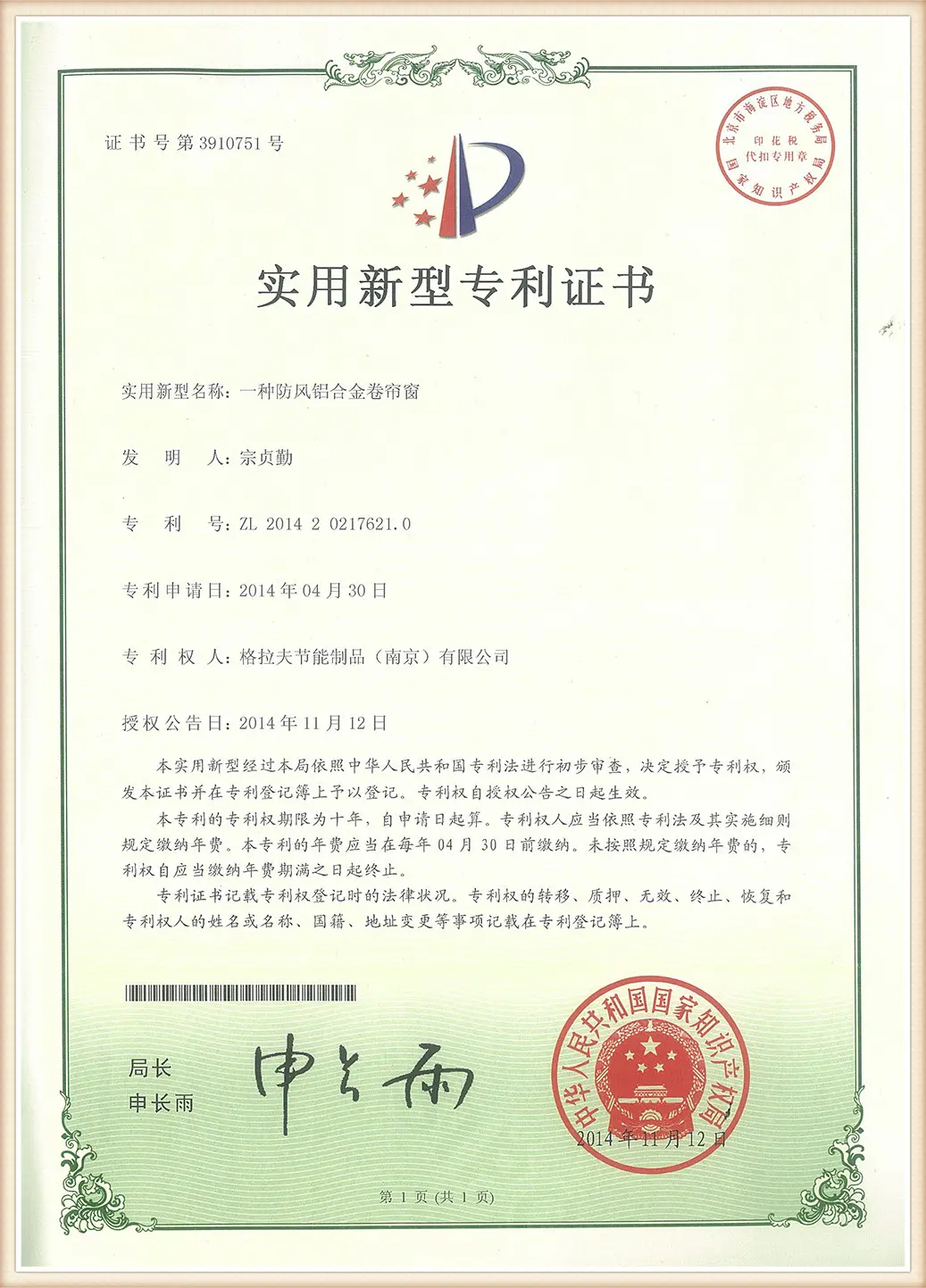
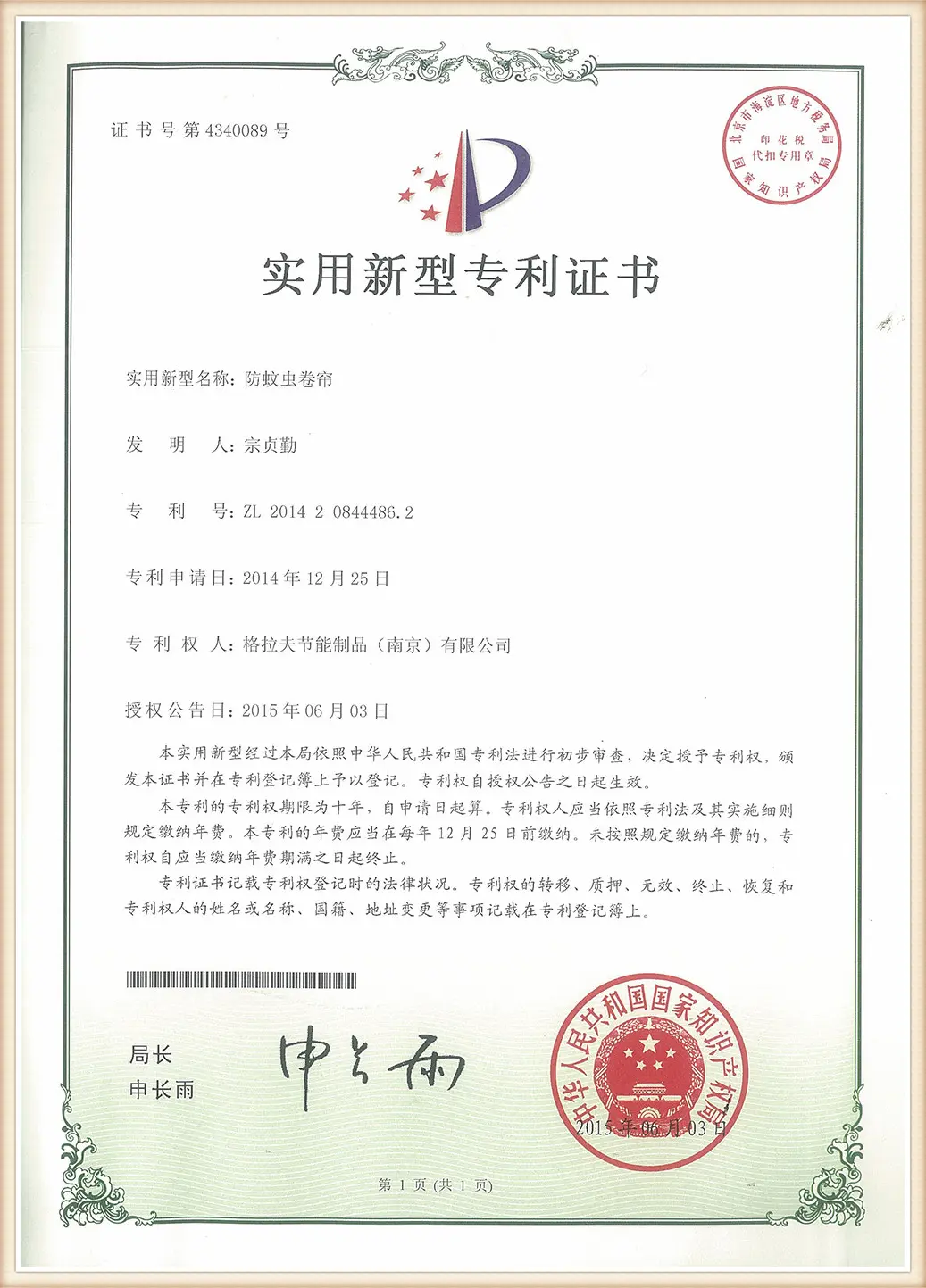
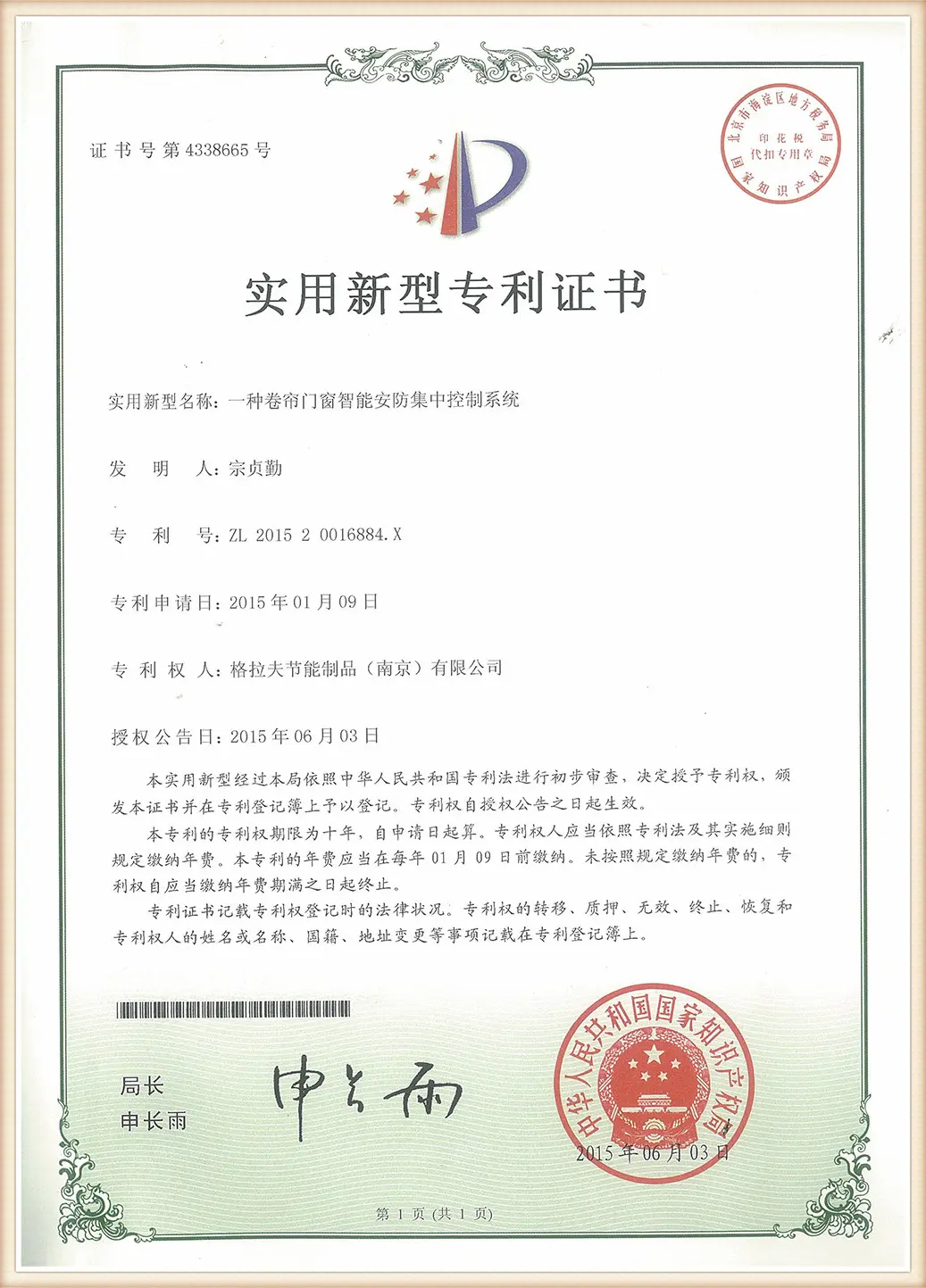
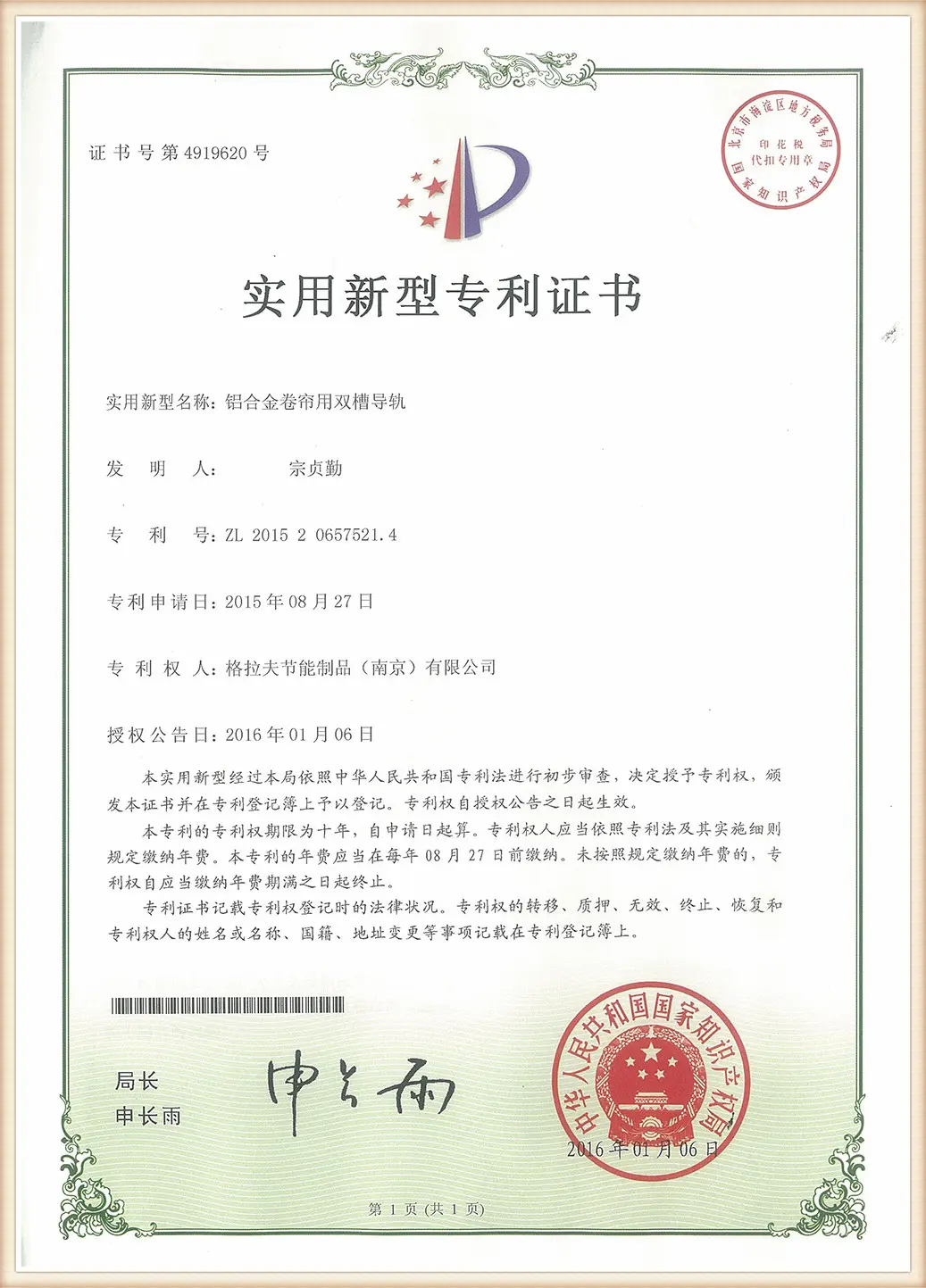
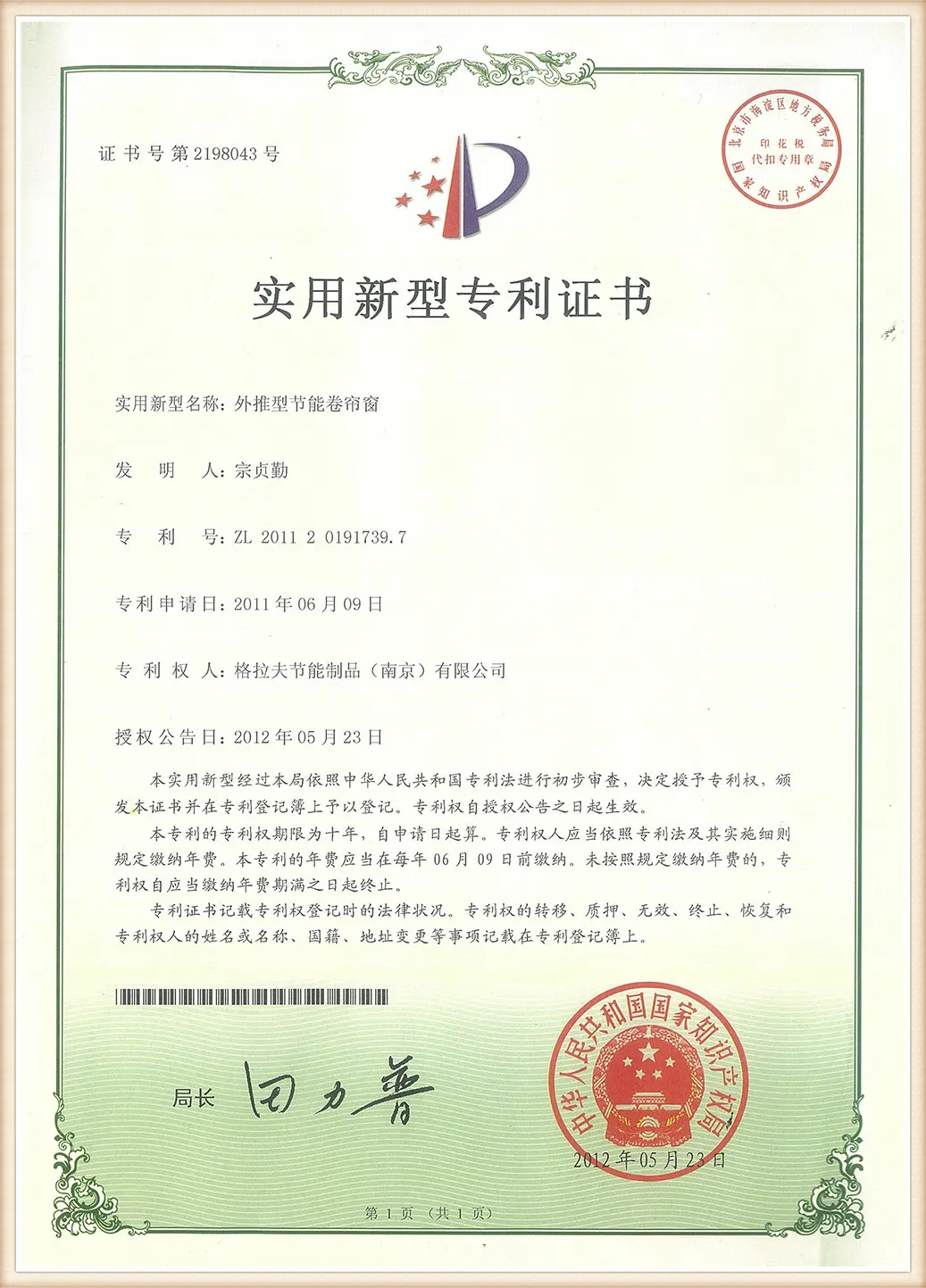
Our commitment to quality is backed by ISO 9001 and CE international certifications, alongside more than 100 core structural patents.
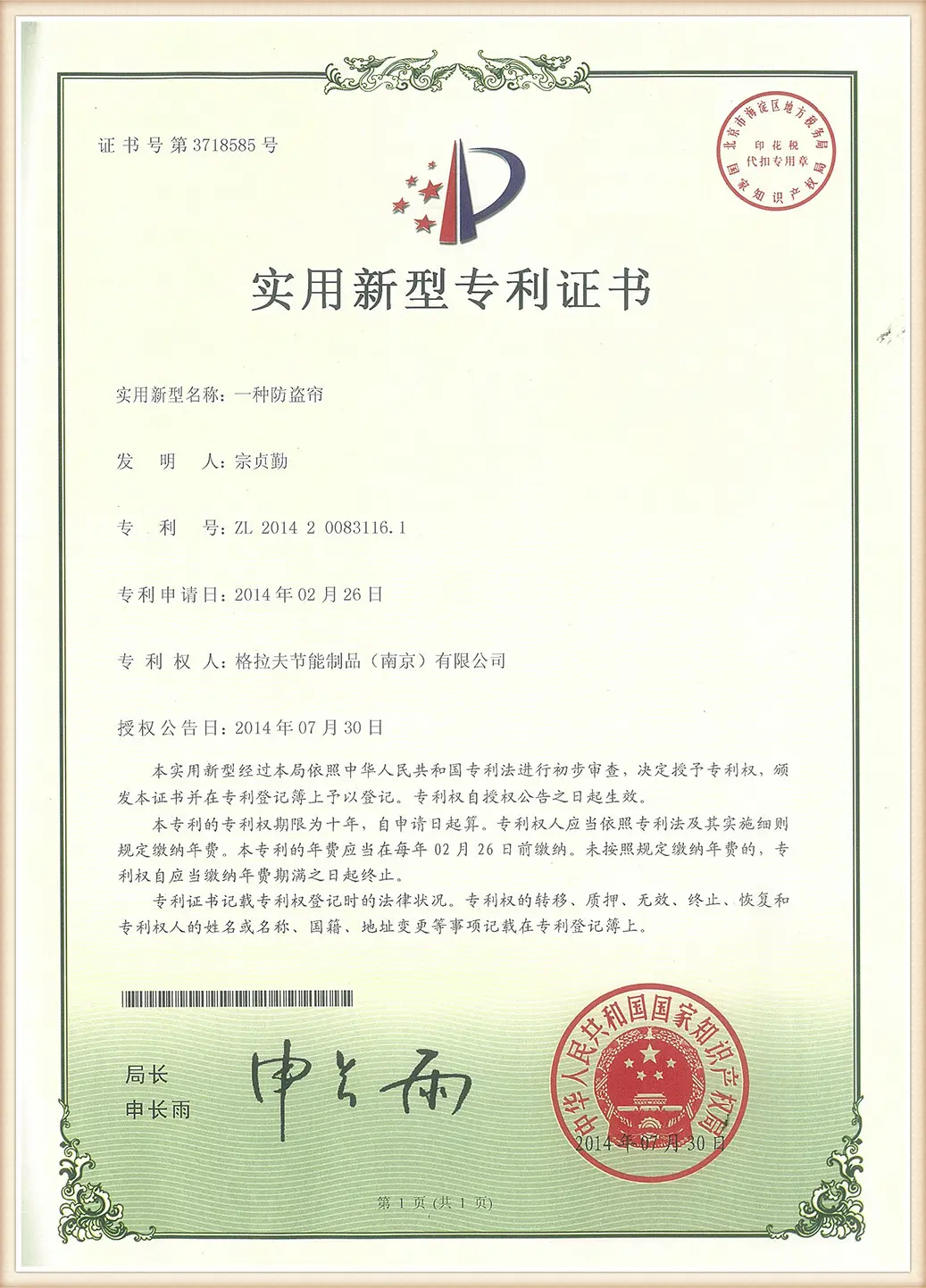
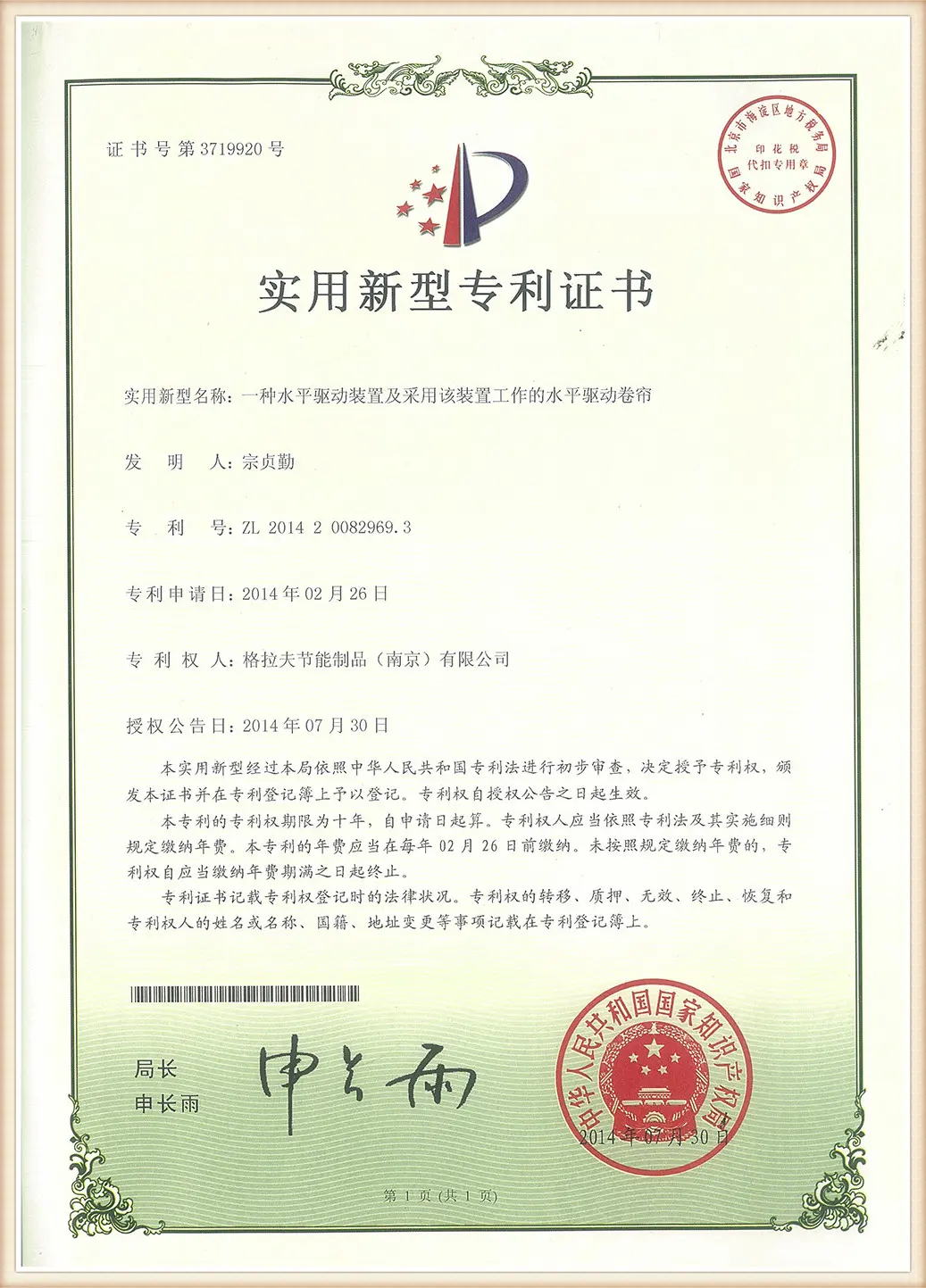
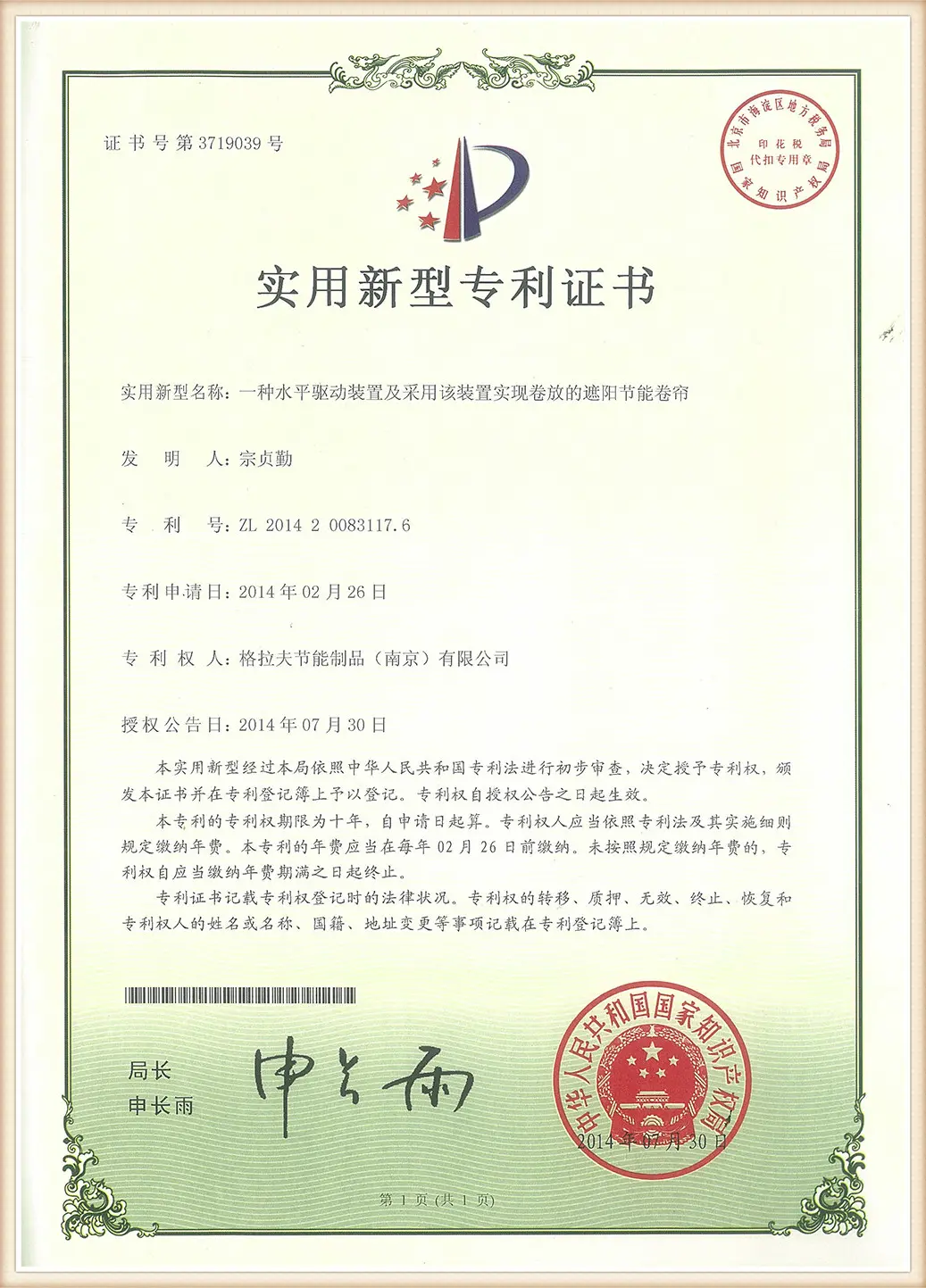



Find technical, logistical, and commercial answers regarding our custom panelized building systems and architectural enclosures.
Our panelized houses are engineered using high-grade galvanized steel or premium treated timber frames, offering a structural lifespan of over 50 years. When integrated with our weatherproofing systems, including marine-grade aluminum pergolas and thermal insulated roller shutters, the building envelope remains resilient against severe weathering, moisture intrusion, and UV degradation.
We collaborate closely with developers and local structural engineers during the design phase. Our engineering team utilizes advanced BIM software to design panels that comply with regional codes, including the International Building Code (IBC) for North America, Eurocodes for Europe, and AS/NZS standards for Oceania. We provide full structural calculations and material certifications (CE, ISO 9001) to facilitate local permit approvals.
Our standard manufacturing lead time is 20 to 30 days from the final approval of shop drawings. Shipping times vary depending on the destination port, typically ranging from 15 to 40 days. We optimize shipping logistics by flat-packing all panels to maximize container space, which minimizes ocean freight costs for our B2B clients.
Yes, customization is a core feature of our OEM/ODM service. Developers can specify the core insulation material (such as high-density polyurethane, rockwool, or EPS) and thickness to meet specific thermal performance targets (R-values). Exterior cladding options include fiber cement board, aluminum composite panels, natural wood siding, or stucco-ready boards, allowing the structure to match any architectural aesthetic.
Stay updated with the latest trends in smart outdoor structures, energy-efficient building envelopes, and global construction regulations.
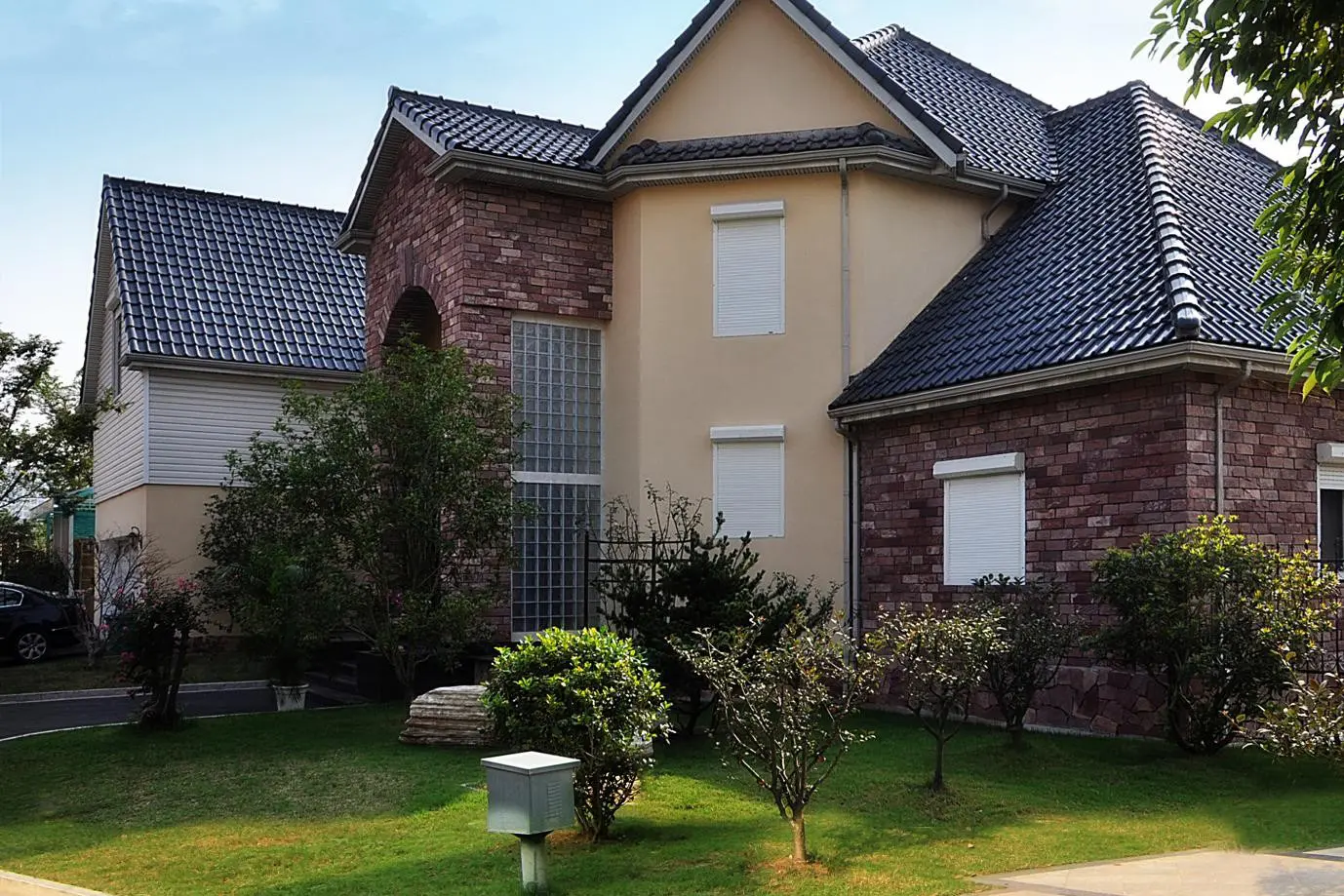
Partner with a leading custom panelized house manufacturer. Leave your email address, and our engineering team will contact you within 24 hours to discuss your project specifications.
Request a QuoteCommitted to providing high-quality, intelligent, and ecological home solutions for every user worldwide.
 GARRAF