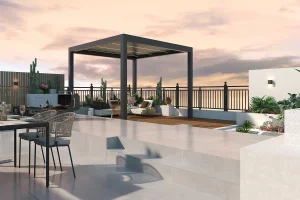
Explore our high-performance engineered window treatments and motorized exterior structures, manufactured to global structural and thermal efficiency standards.
Contractors, designers, wholesalers, distributors, vendors, agents as well as end users.
A comprehensive analysis of fabric window blinds, smart zip screens, and outdoor dynamic facades.
The global market for commercial and residential window treatments has transitioned from basic aesthetic interior coverings to highly engineered solar control mechanisms. As urbanization accelerates and energy consumption parameters become stricter worldwide, high-performance fabric window blinds and smart motorized shades represent a critical element in lowering a building's overall Carbon Energy Footprint. According to international architectural studies, proper implementation of motorized exterior screen enclosures can decrease cooling loads by up to 35-40% by blocking solar radiation before it hits the glass facade.
As a specialized manufacturer and exporter, we navigate complex supply chain paths across key geographic markets. The North American and European sectors demand compliance with stringent fire retardancy guidelines (such as NFPA 701, DIN 4102-B1, and BS 5867) alongside strict chemical emission thresholds like OEKO-TEX® and GREENGUARD certifications. Meanwhile, rapidly developing economies in the Asia-Pacific and MENA regions are pushing for robust, dust-resistant, and high-tensile screen structures capable of operating in extreme climatic environments. We address these requirements by sourcing heavy-duty, glass-fiber-reinforced polymers and UV-stabilized yarns designed for lifetime reliability.
Modern architecture utilizes passive design principles to maximize natural daylight while avoiding thermal discomfort. This has led to the adoption of high-tech ZIP Screen systems, which function as smart envelope components. These systems prevent wind penetrations, eliminate light leakage, and reduce thermal bridging. The market is shifting towards dual-functioning fabrics that offer daytime privacy and glare reduction without compromising exterior visibility.
Moreover, biophilic design trends have elevated demand for natural textures, resulting in the development of engineered composite materials. These composite materials blend structural glass fiber with organic-patterned thermoplastic finishes, resisting structural warping, moisture absorption, and thermal degradation even when exposed to direct sunlight for long periods.
Significantly lowers SHGC (Solar Heat Gain Coefficient) values, optimizing HVAC resource management in large commercial spaces.
Utilizes ultra-durable fiberglass core fabrics to prevent sagging, stretching, or tearing under sustained wind tension.
Seamlessly integrates with major smart home platforms and BMS via Modbus, dry contact, Zigbee, or Matter protocols.
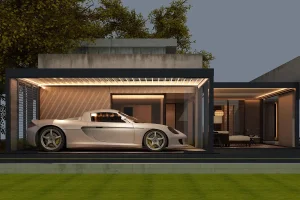
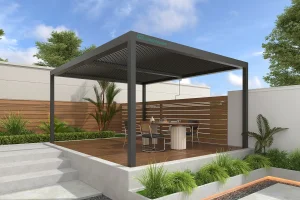
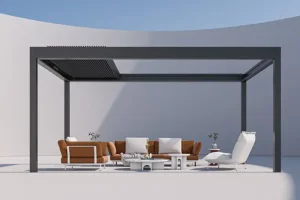
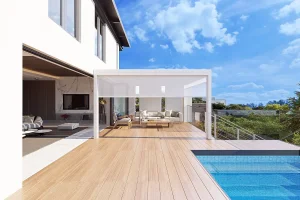
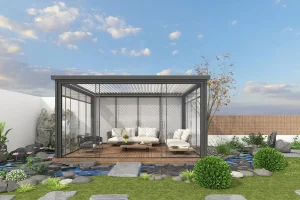
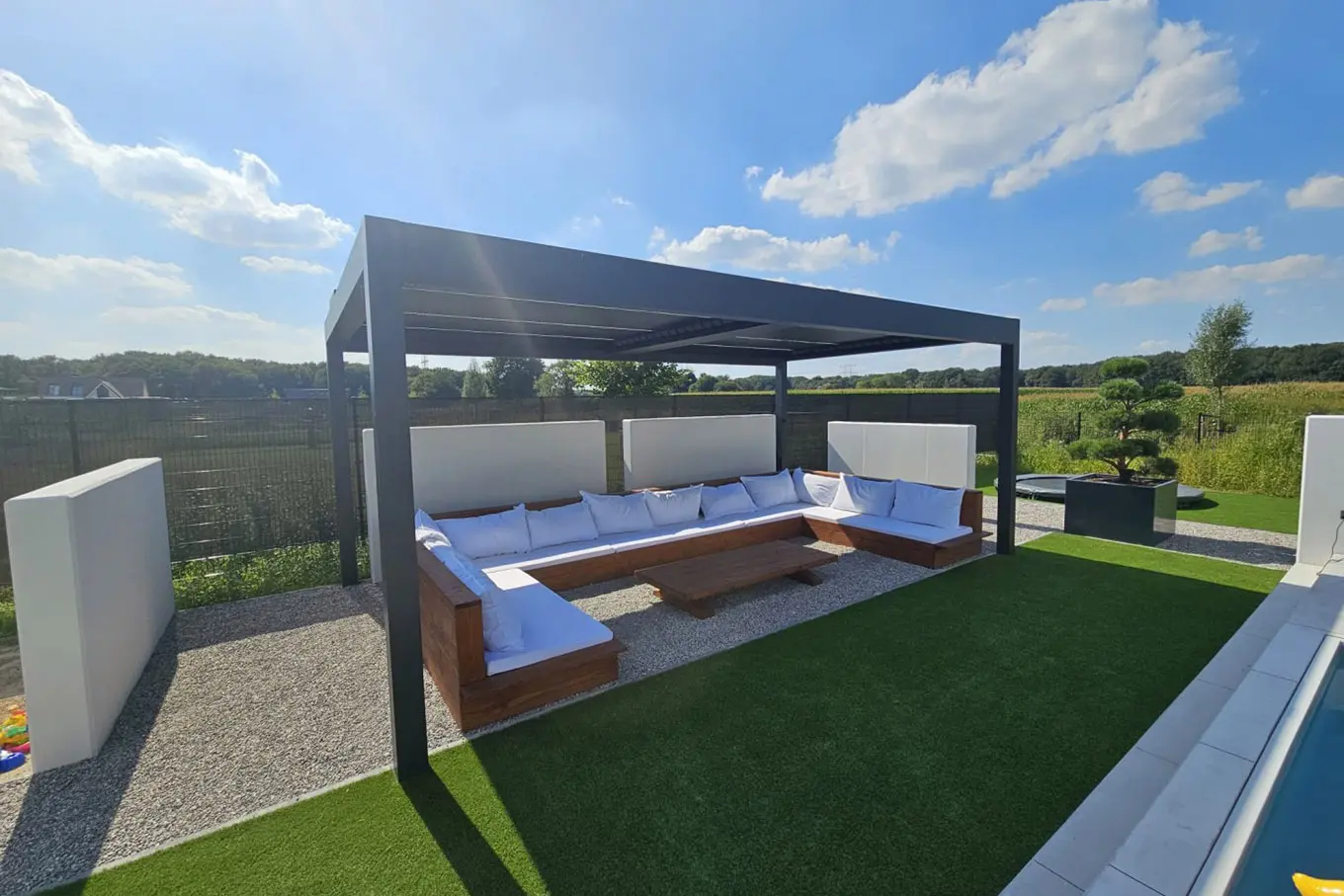
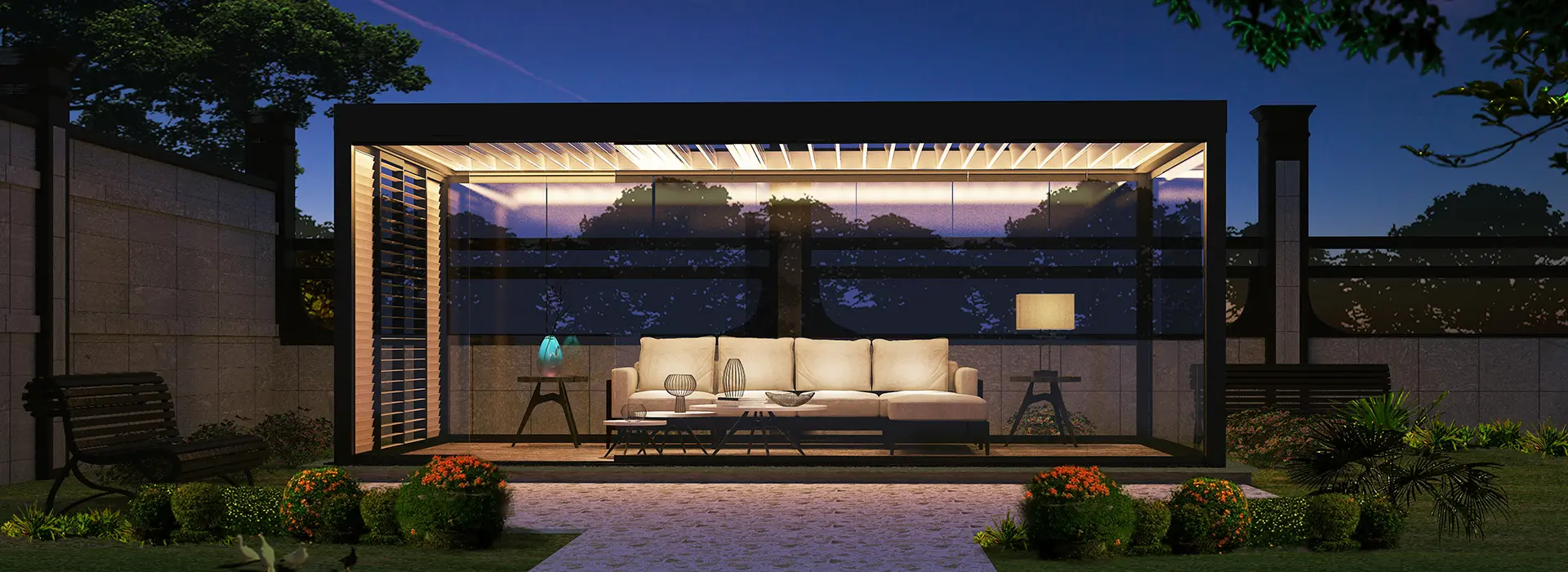
Innovative aluminum structures and high-end fabric shades seamlessly blur the boundary between internal and external living zones.
Whether elevating luxury residential properties or enhancing commercial properties like restaurants, hotels, and offices, our products are engineered to deliver reliable solar protection, wind stability, and visual comfort.
By deploying our smart motorized fabric screens alongside structural aluminum louvers, architects and developers can craft comfortable, weather-resilient outdoor areas that operate in harmony with local climate conditions.
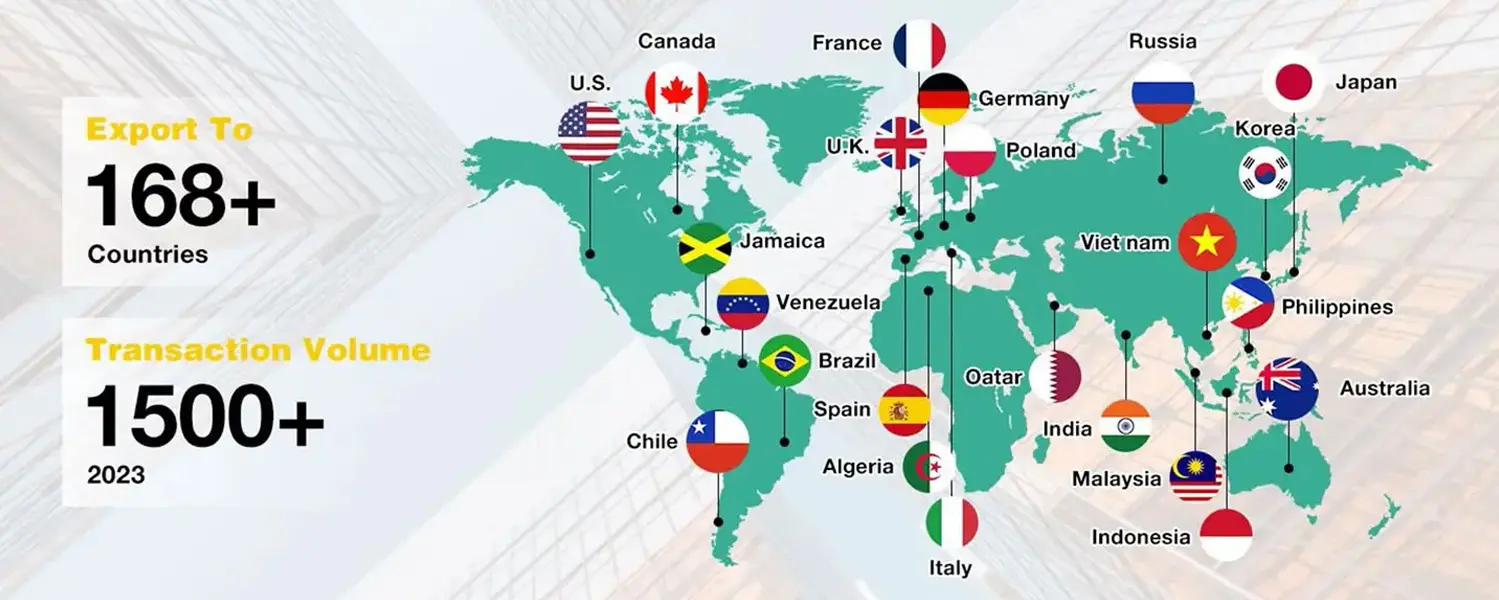
Decades of industrial scaling, strict quality control protocols, and comprehensive custom OEM/ODM services.
To ensure peak solar protection, our fabric manufacturing research focuses on multi-layer composite structures. The inner core is composed of high-strength fiberglass filaments or high-tenacity polyester warp yarns, providing excellent dimensional stability to prevent sag or distortion over long-term operations. The outer cladding consists of specialized, flame-retardant polyvinyl chloride (PVC) formulas with additives that filter out up to 99% of harmful ultraviolet radiation while withstanding high-intensity weathering.
Additionally, our technical roadmap features low-emissivity (low-E) metallic backings. By depositing an ultra-thin layer of aluminum onto the interior-facing surface of the fabric screen, we reflect solar heat back outside during summer and retain heat inside during winter. This process optimizes the glass facade’s total U-value, helping developers hit passive house standards and comply with international building codes.
We tailor our global custom fabrics and shades to localized environmental challenges:

Over the past 20 years, our company has built a global reputation for manufacturing reliable products and maintaining excellent client relationships in over 70 countries.

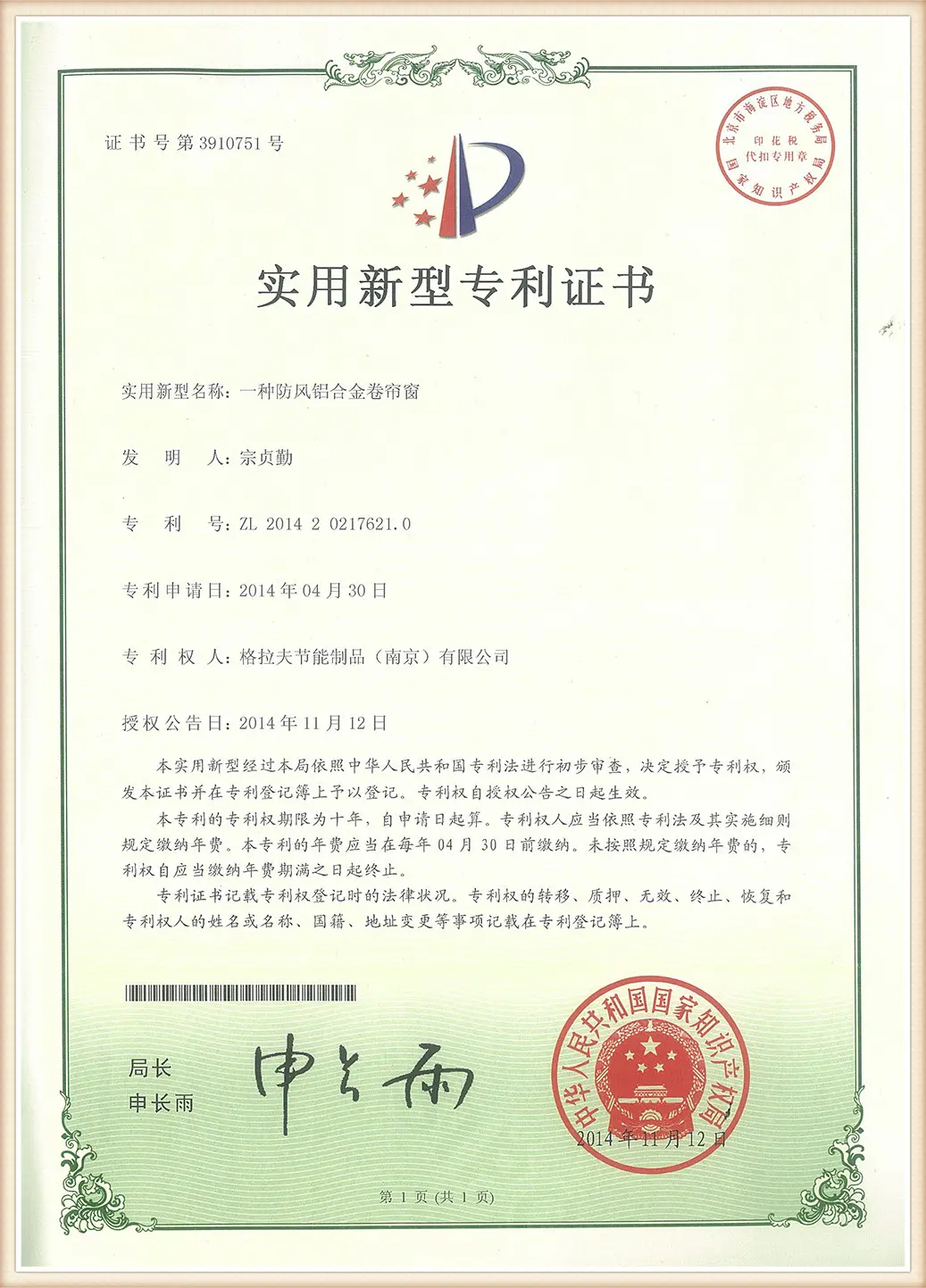
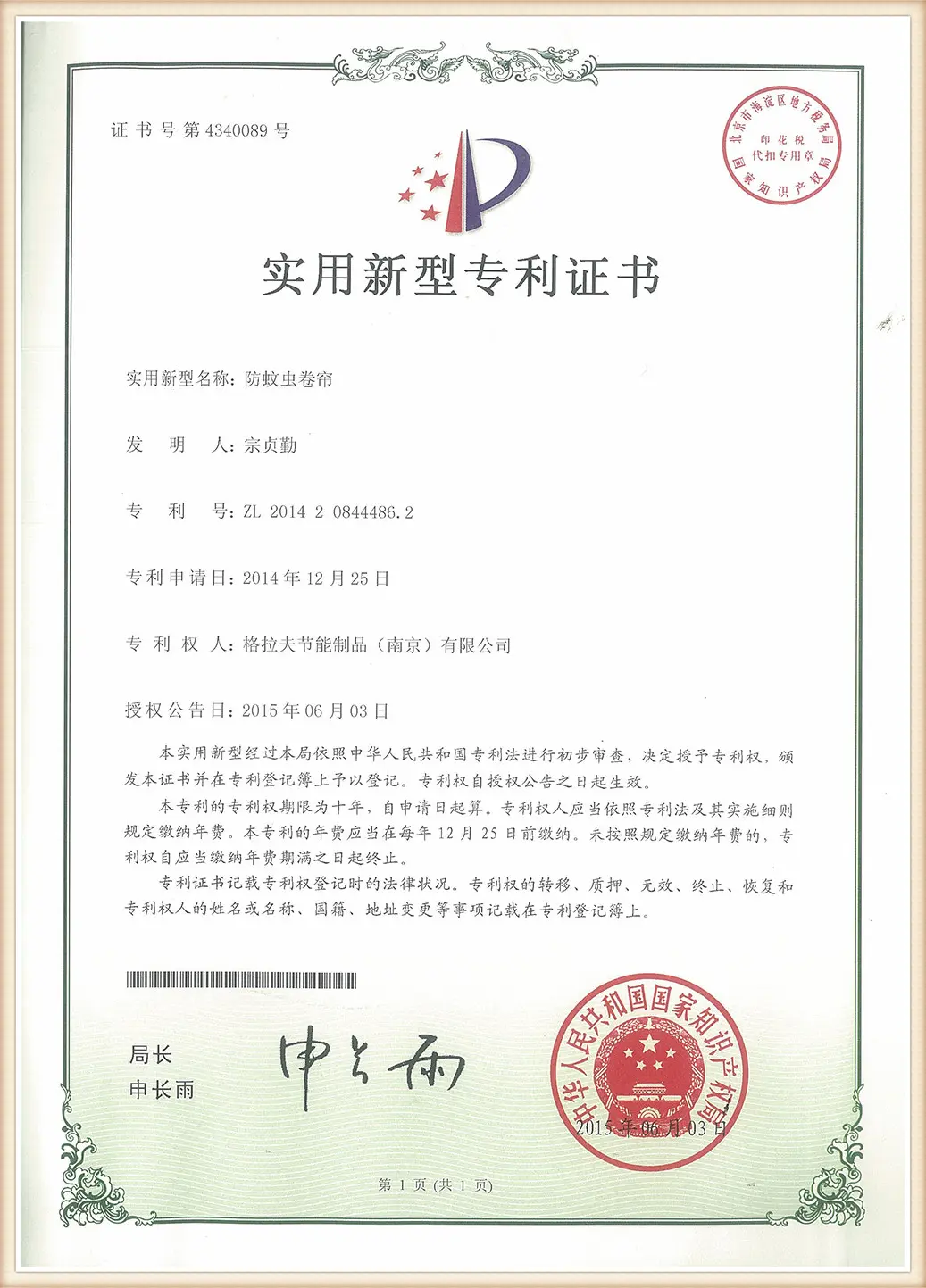
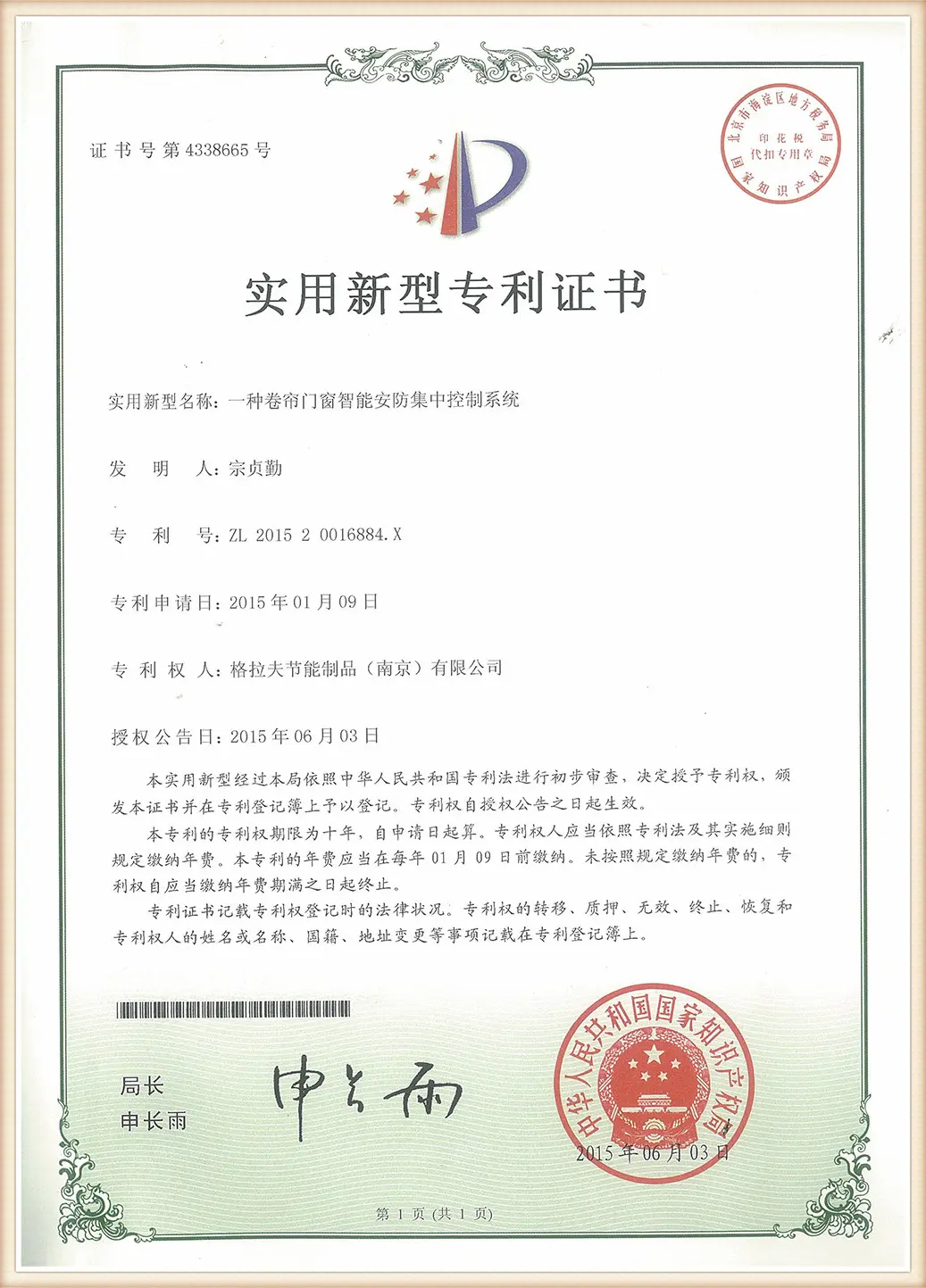
We adhere to strict international manufacturing standards. Our facility has obtained ISO 9001 and CE certifications and holds over 100 core patents.
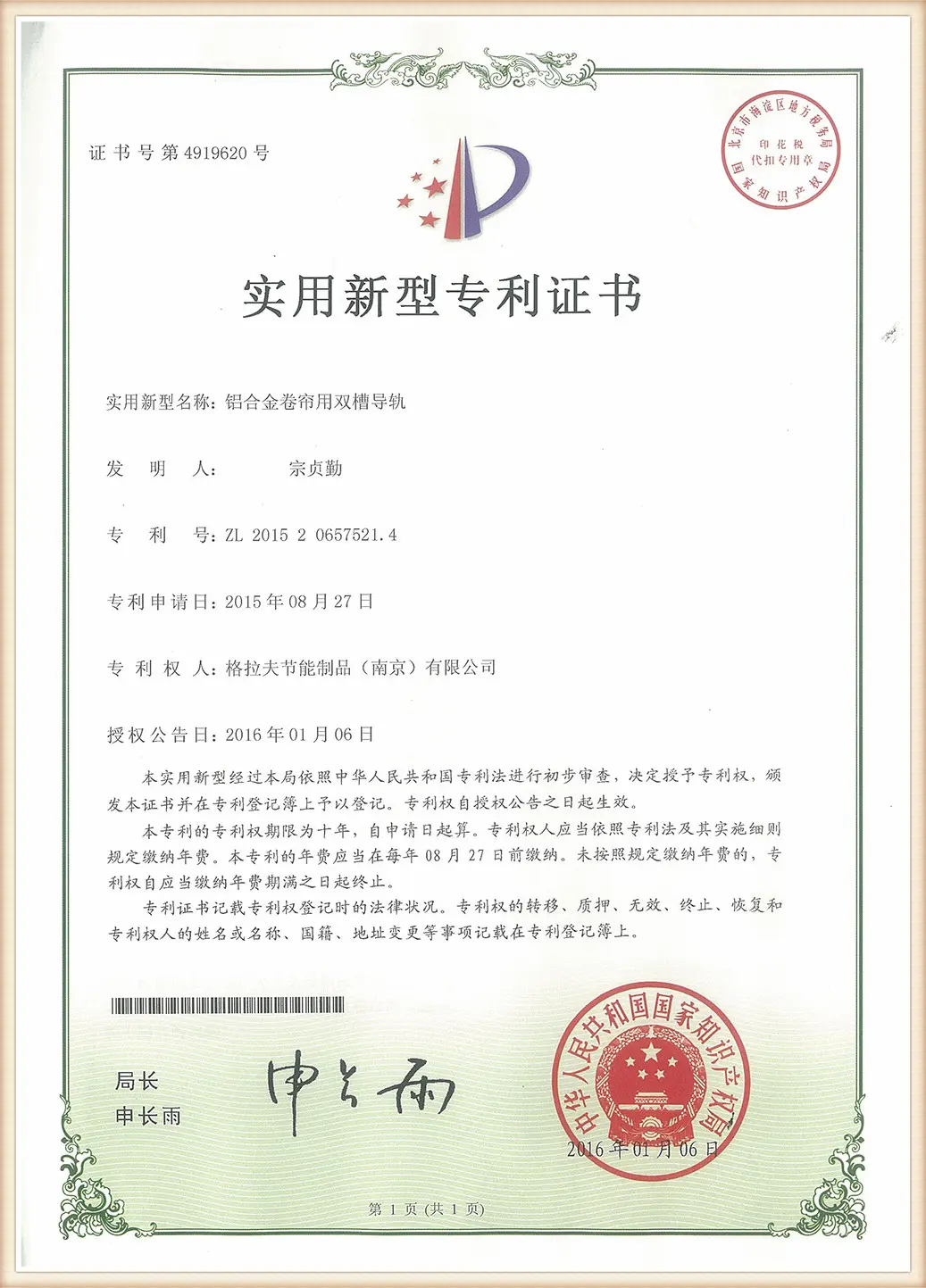
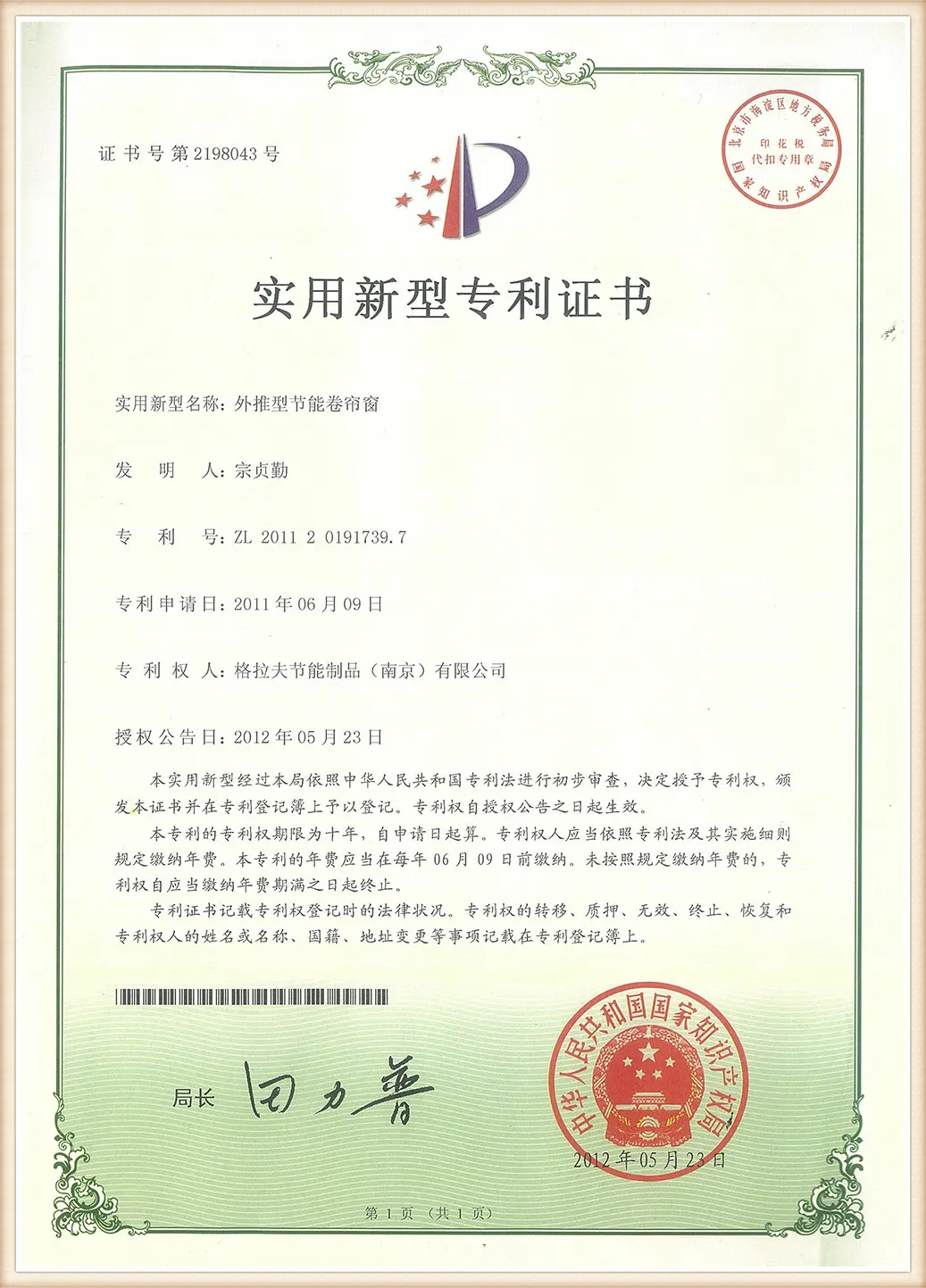
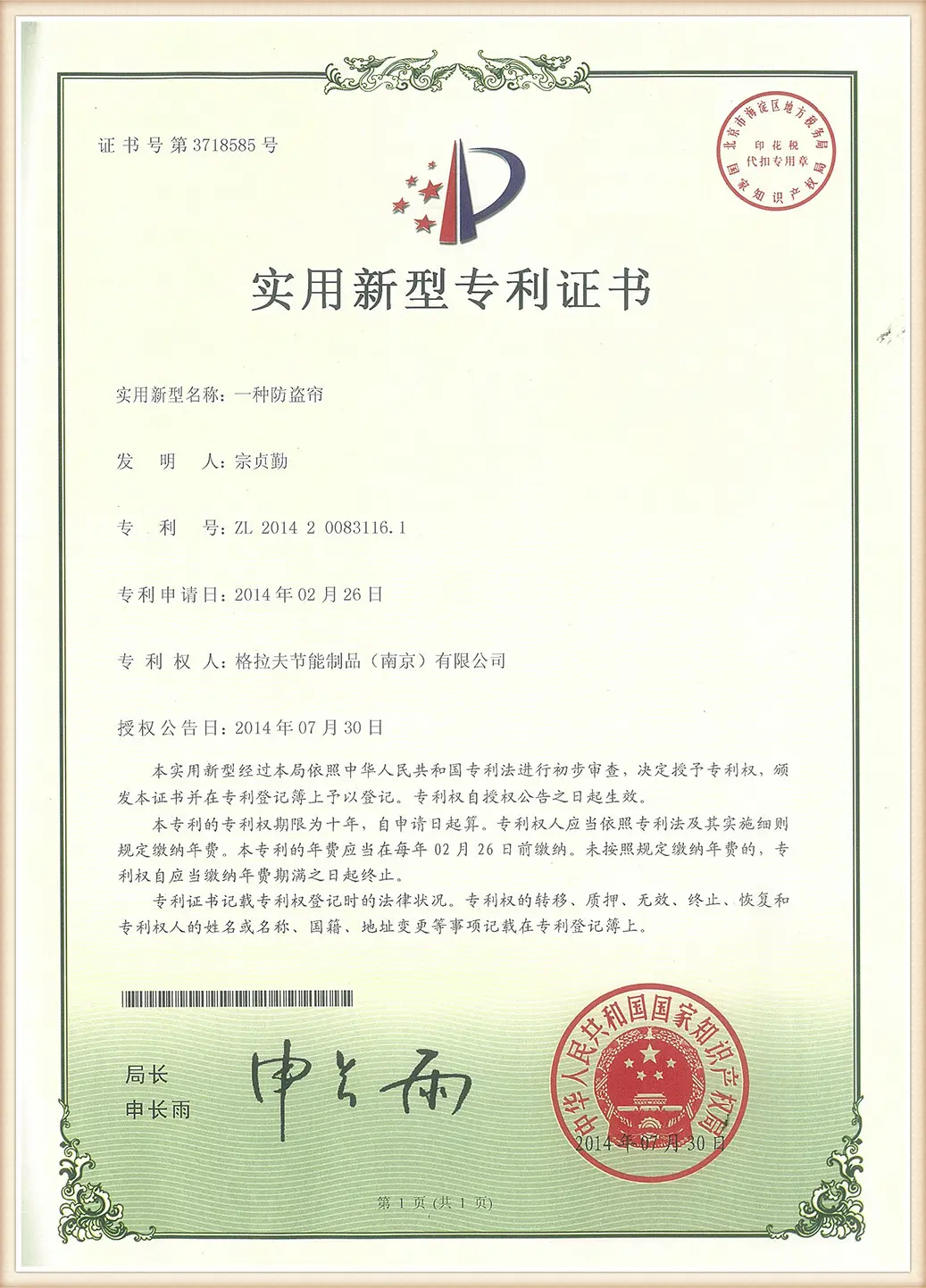
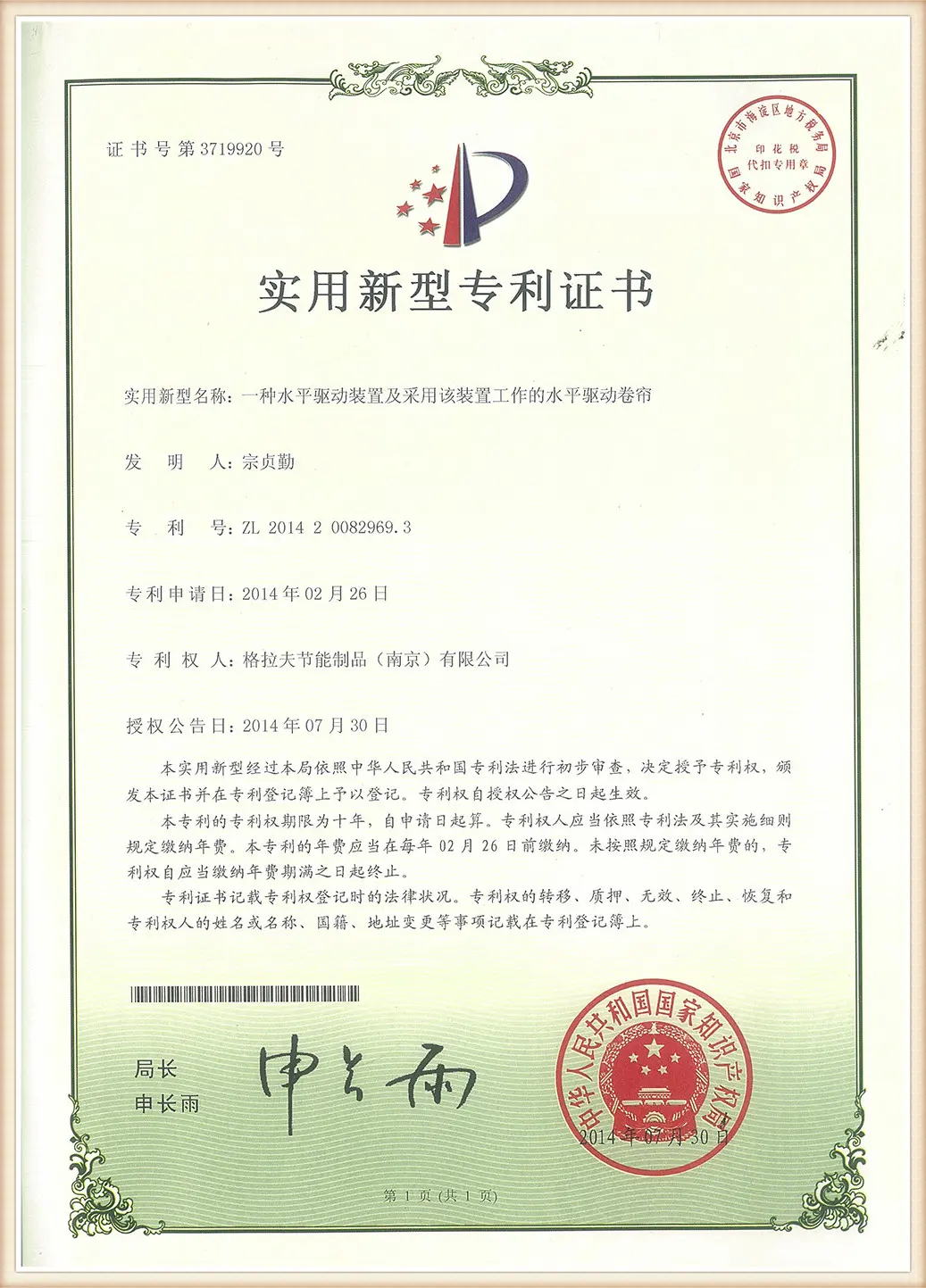
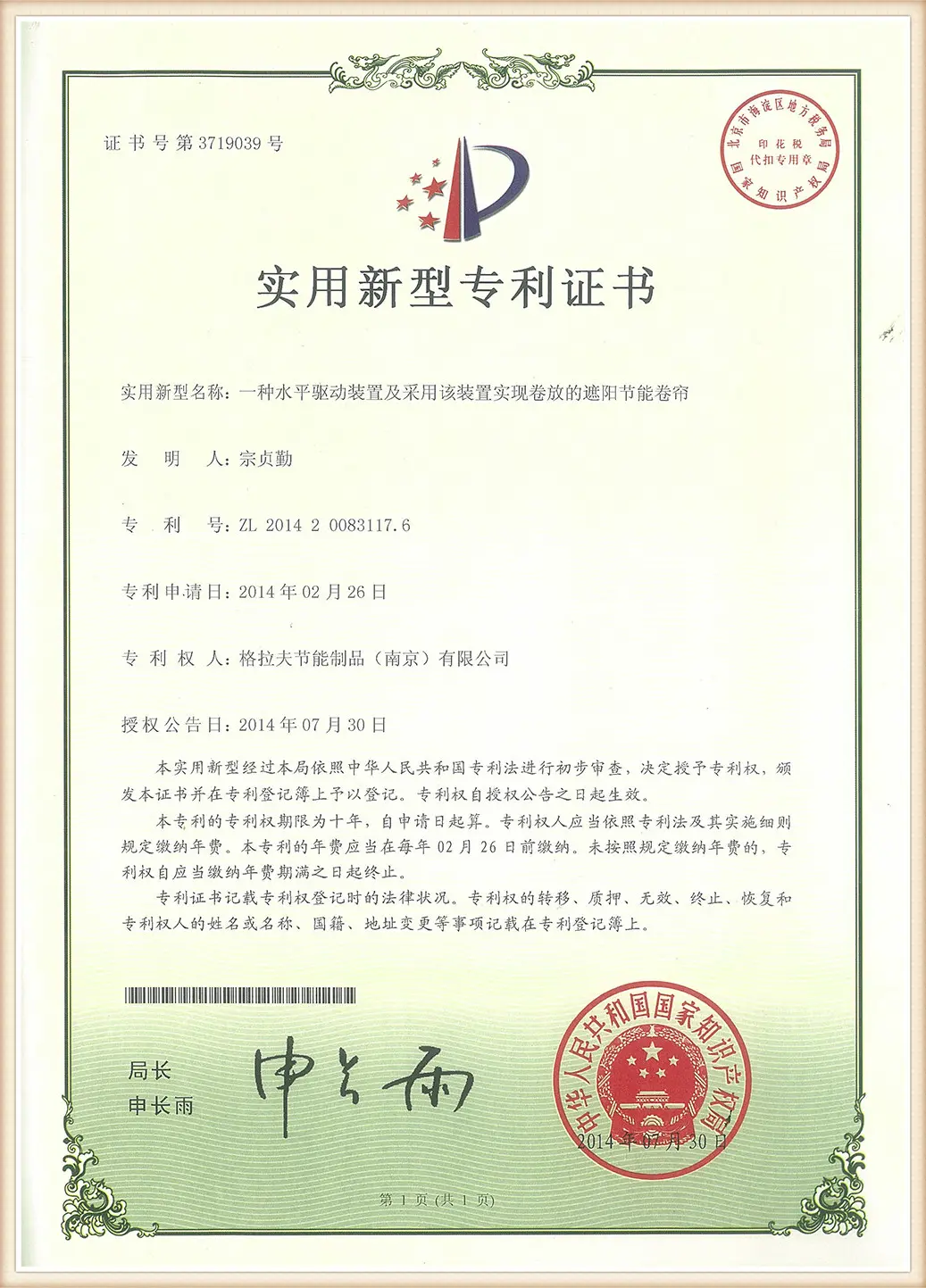
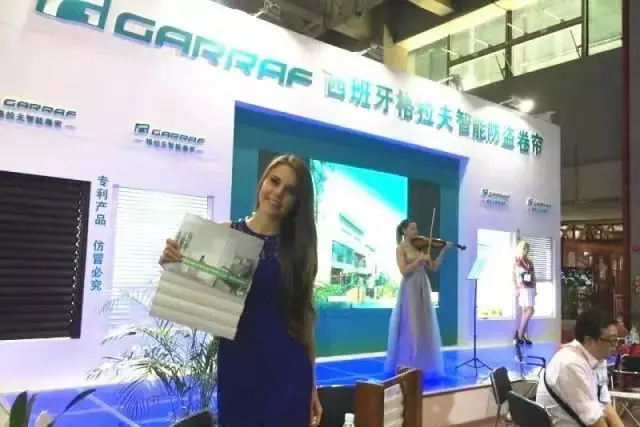
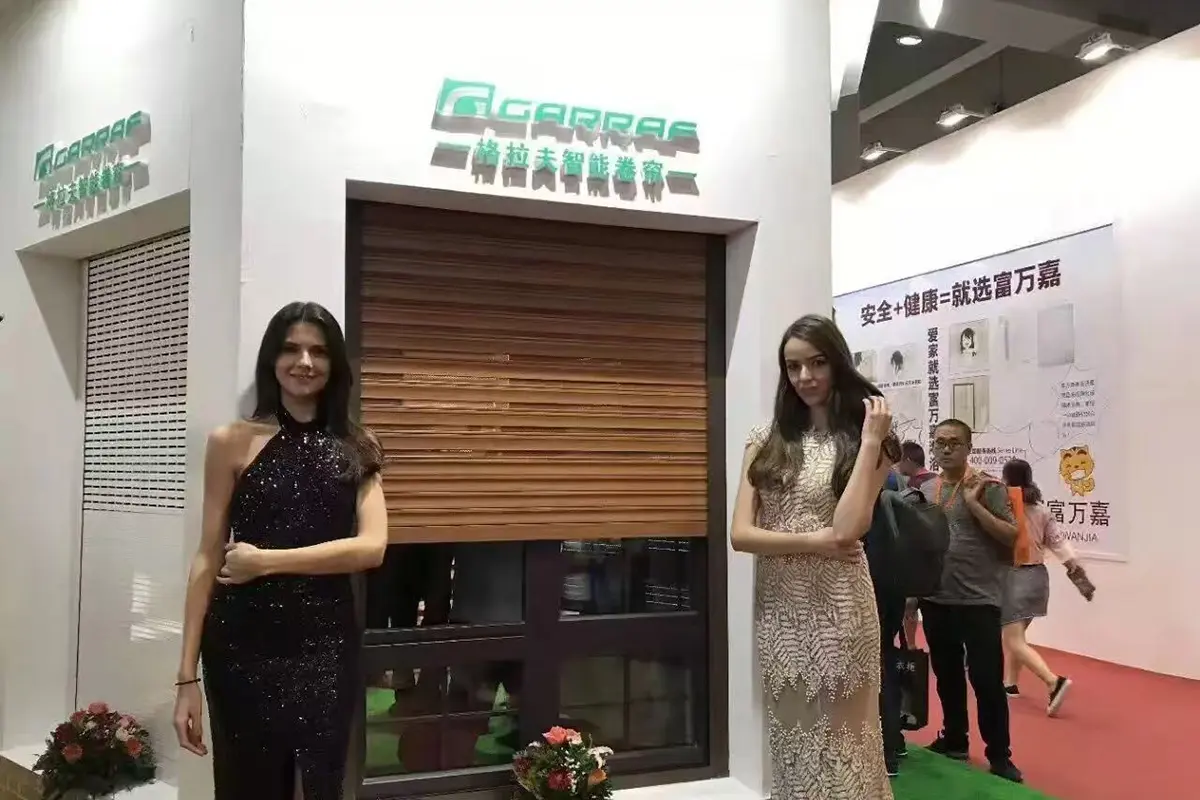
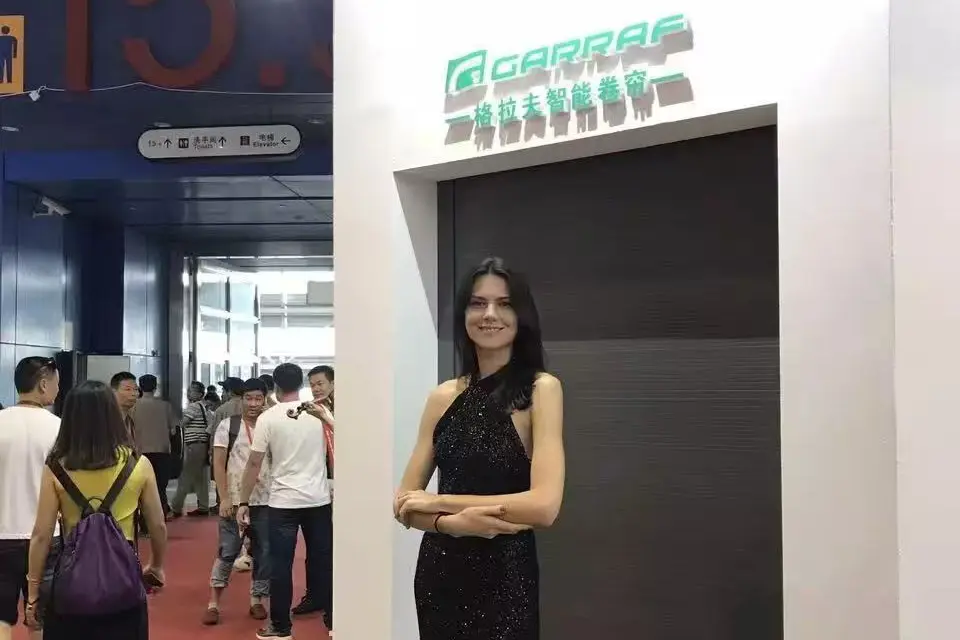
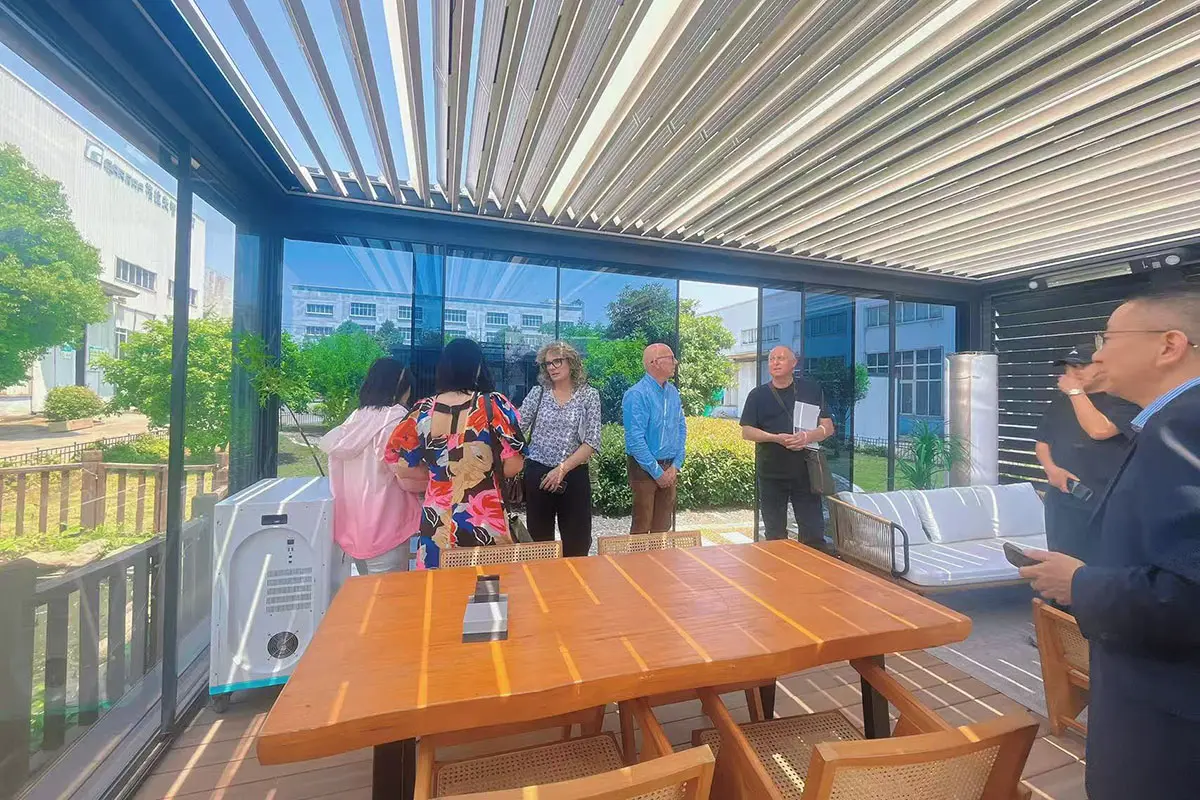
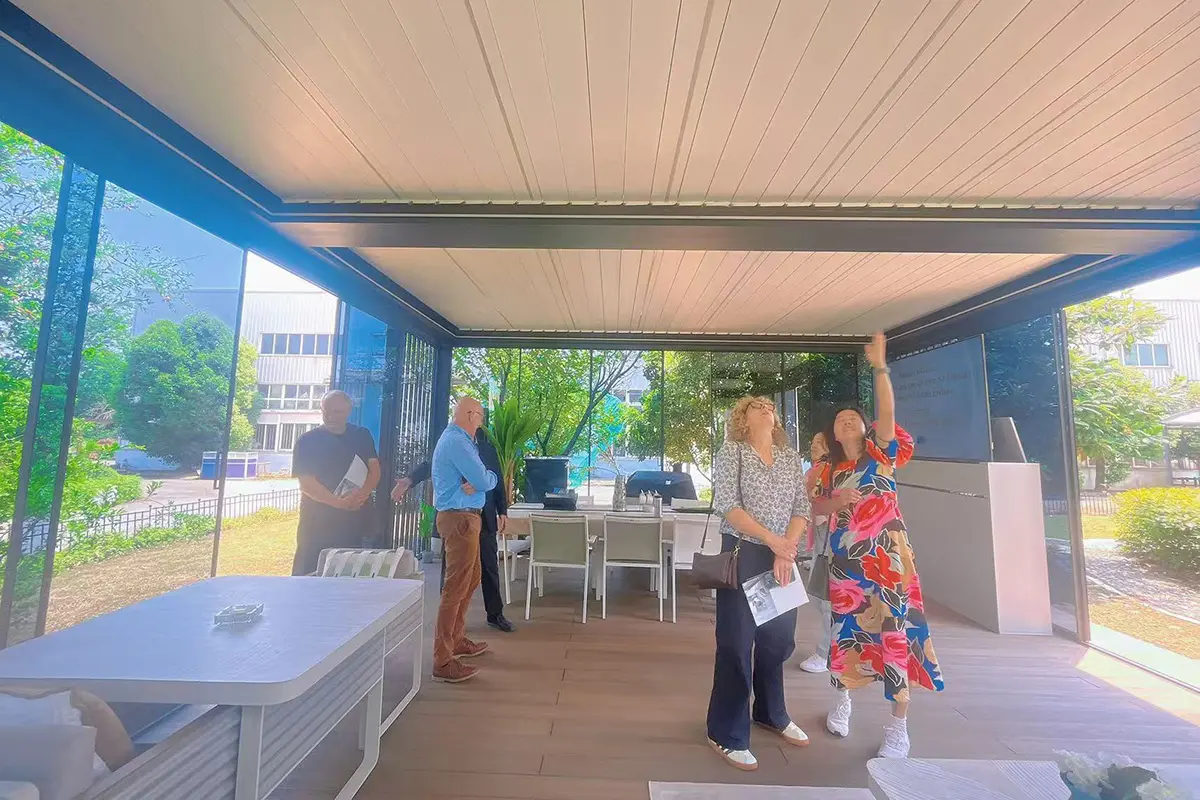
From exhibition introductions to deep factory tours, global clients inspect our automated processes, ask questions, and build long-term trust.
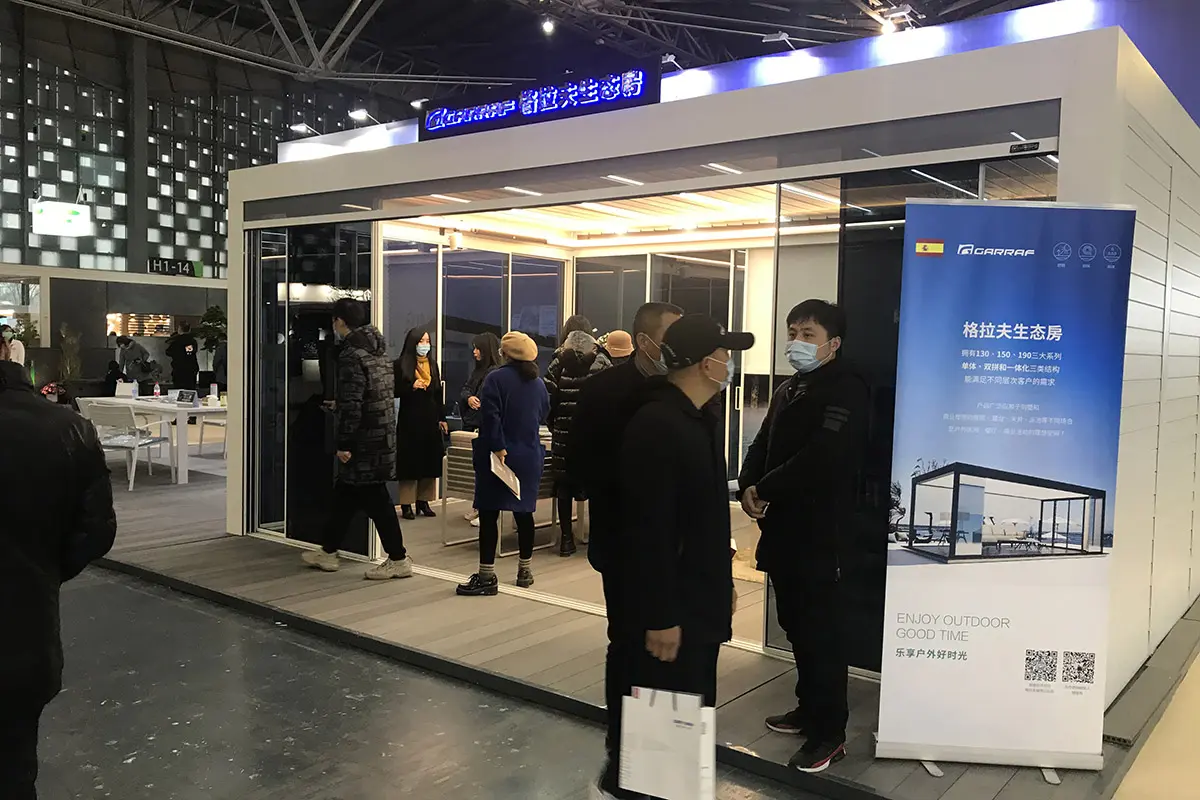
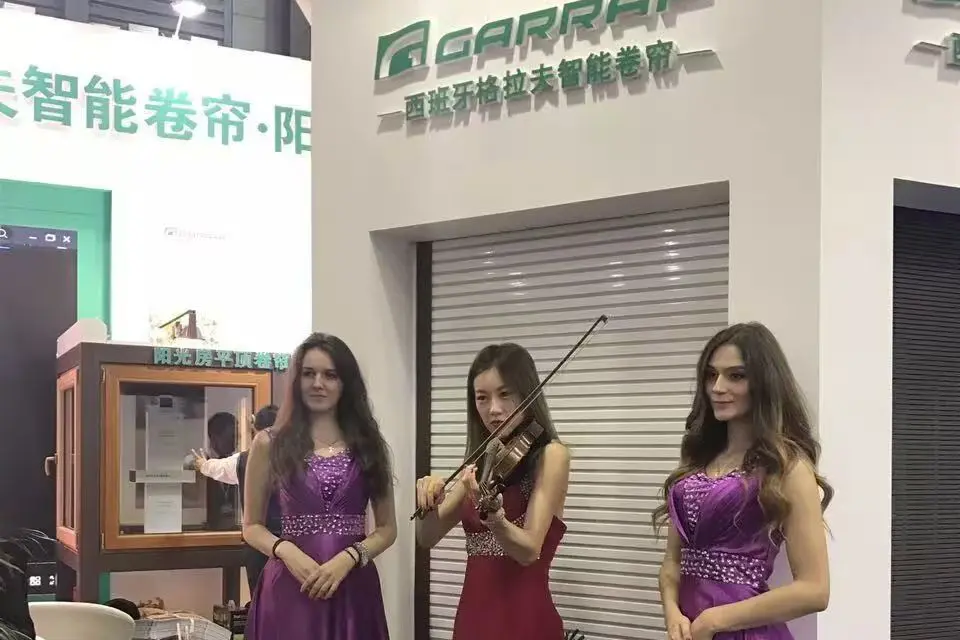
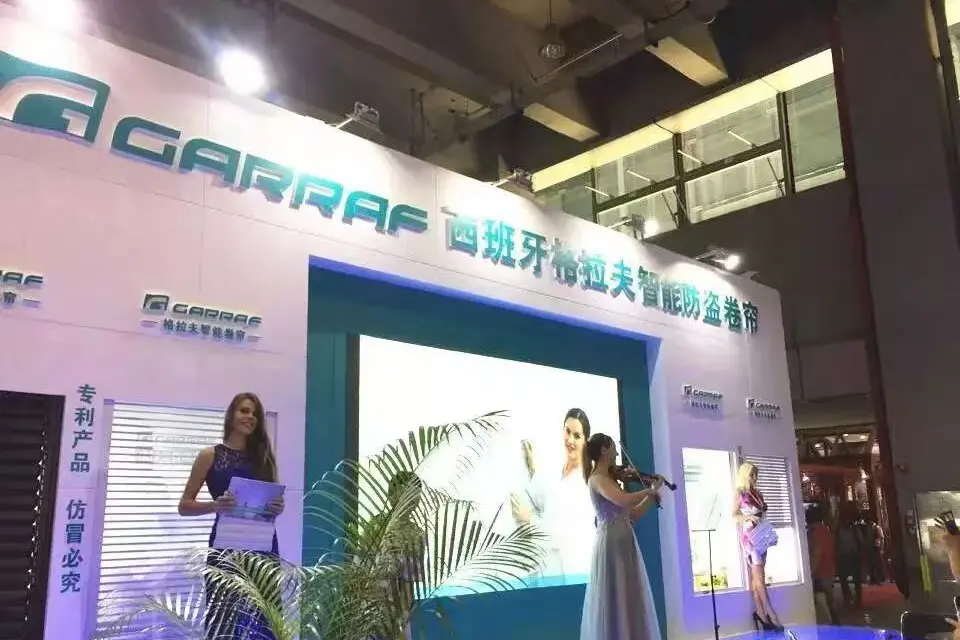

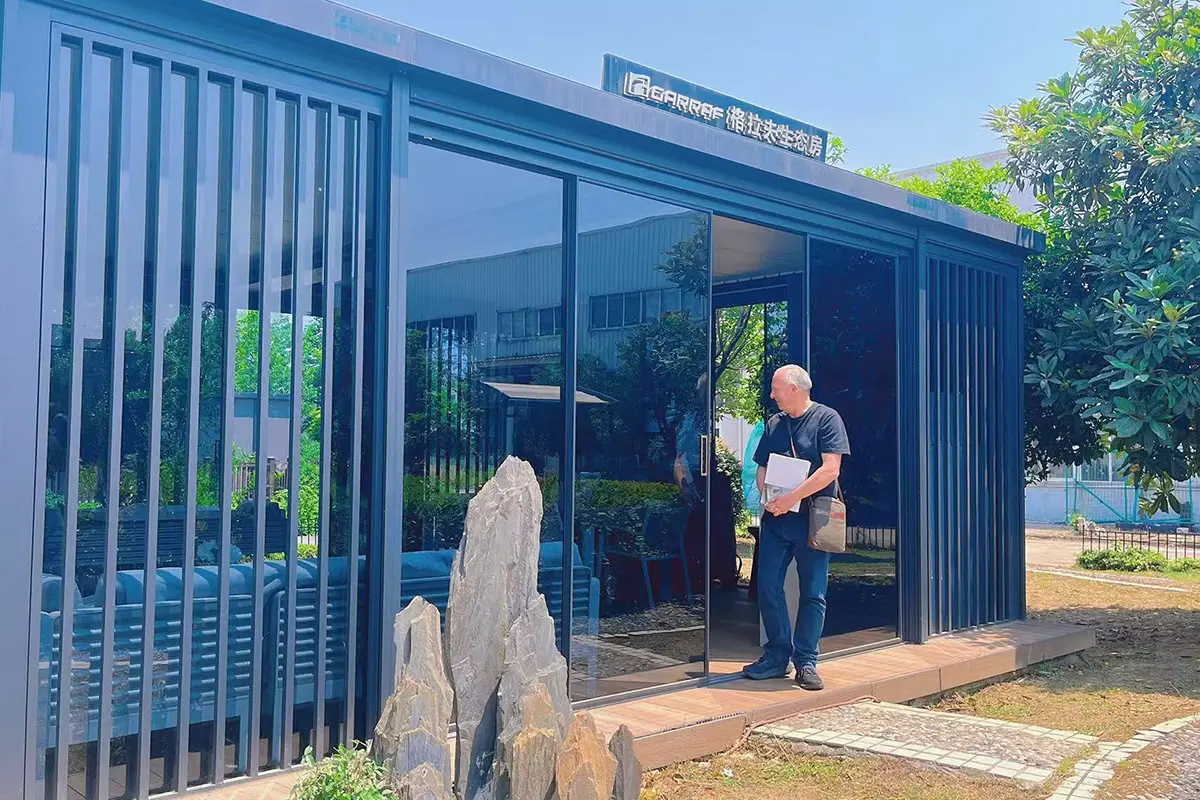
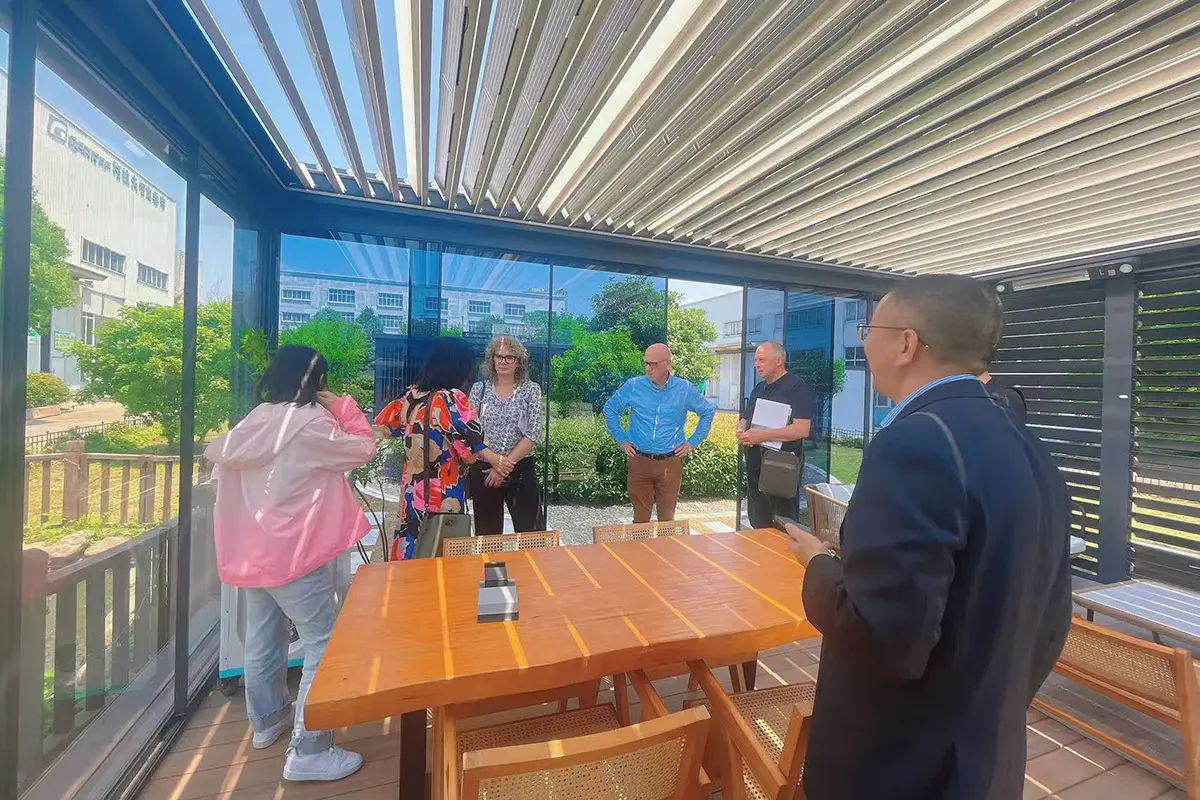
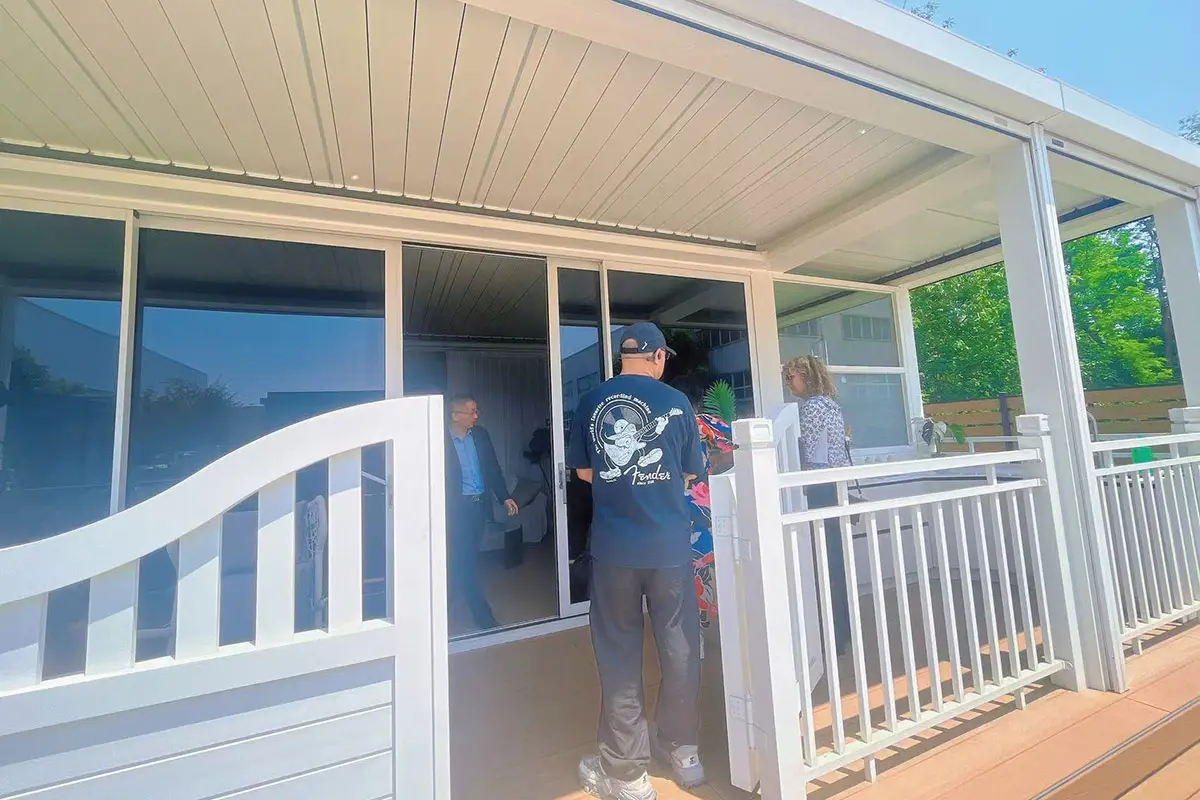
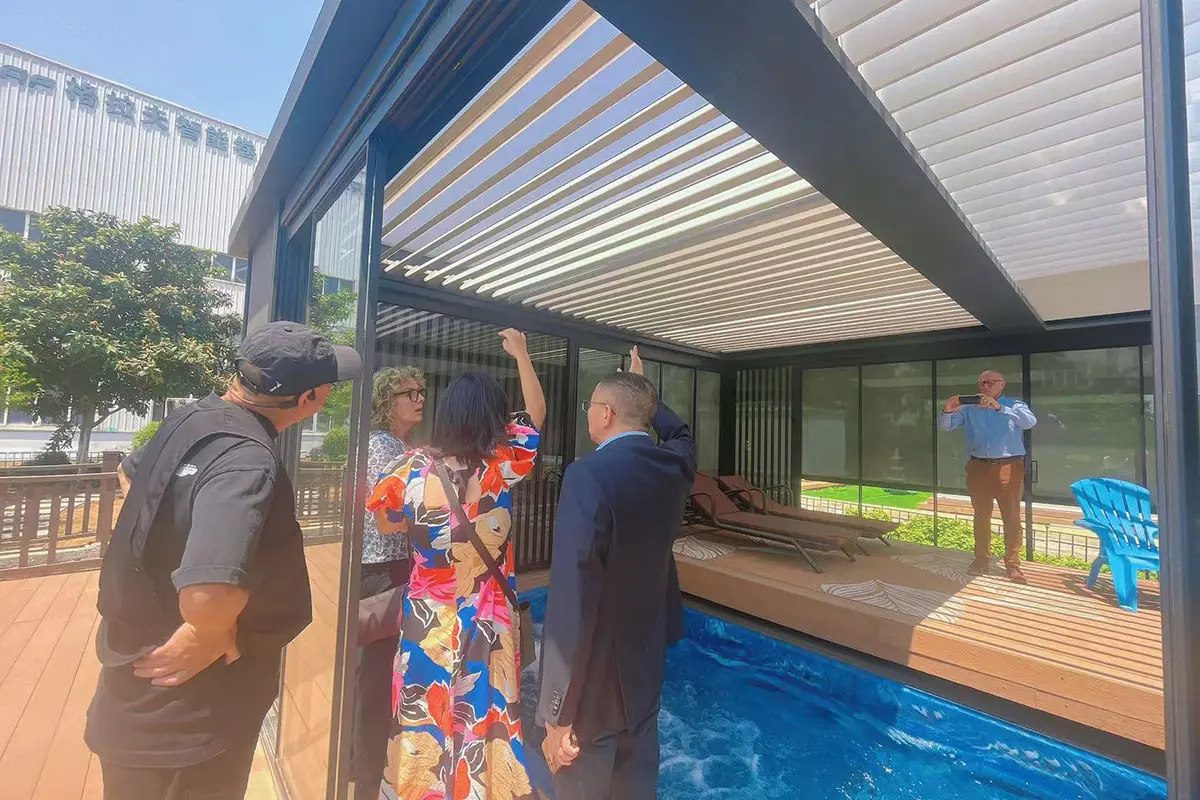
We specialize in the research, development, and production of four major climate-resilient production lines.
OEM & ODM, tailored to vision. Perfect custom colors, sizes, and automation structures.
Optimized 20-30 days production cycle. Swift turnaround with strict quality inspections.
Worldwide shipping network. Secure packaging, sea/air/rail freight coordination, and customs handling.

Professional engineering support, system installation guides, and long-term structural warranties.
Keep up with the latest architectural developments, energy regulations, and smart shading insights.
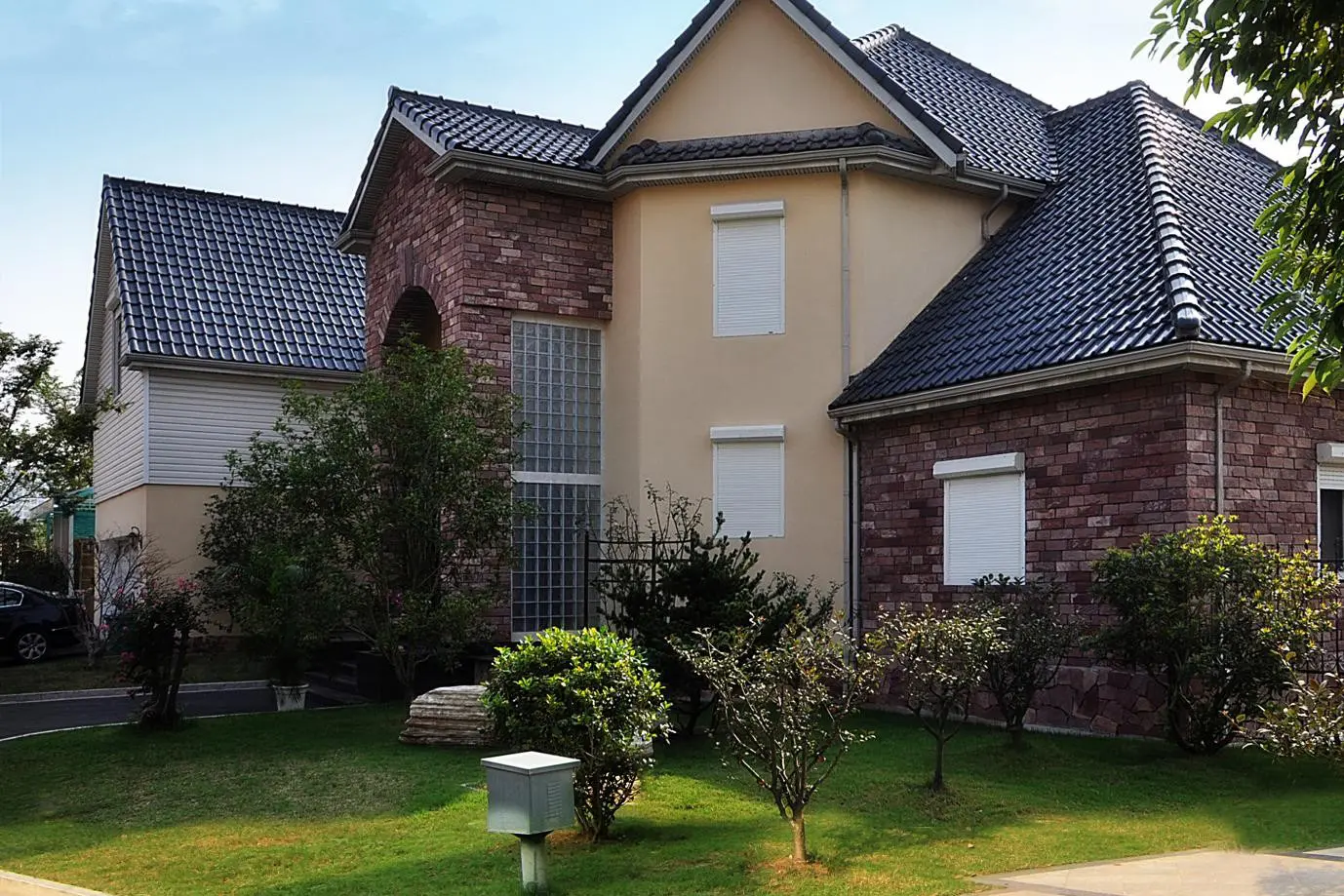
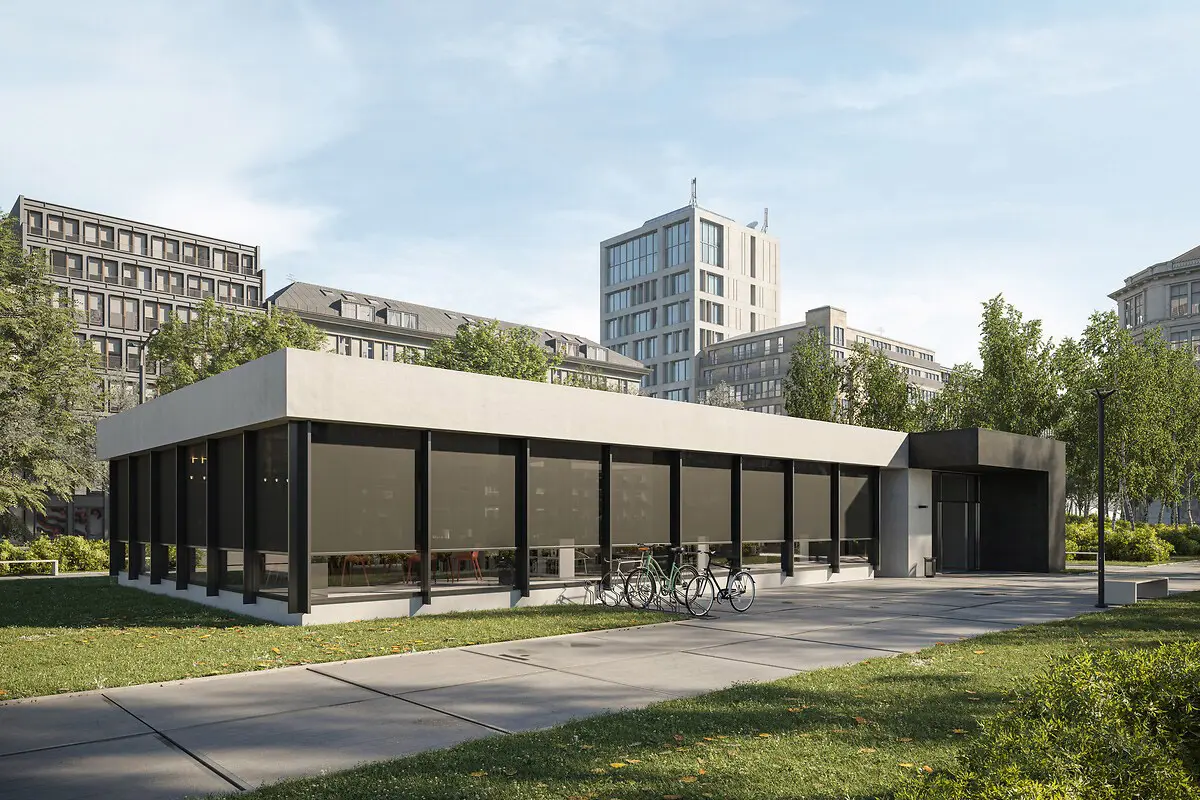
Architects, designers, and importers consult this comprehensive technical reference when sourcing custom shading components.
A diverse catalog of commercial-grade roller shutters, motorized screens, and climate-engineered louver systems.
Regarding our products, please leave your email address to us and we will contact you within 24 hours.
 GARRAF