Discover our highly customized, CE-compliant outdoor structures, dynamic sunshades, and heavy-duty garage doors.
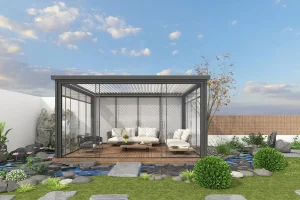
In the contemporary landscape of sustainable building envelopes and smart architectural design, Side Track Window Shades (widely referred to as zip screens, channel-guided exterior roller blinds, or track-guided solar control systems) have transitioned from high-end residential upgrades to mandatory structural installations. Rapid urbanization, combined with increasingly stringent global energy conservation frameworks—such as the European Union's Energy Performance of Buildings Directive (EPBD) and ASHRAE 90.1 in North America—has elevated the importance of dynamic solar shading solutions.
Unlike conventional interior blinds that permit solar radiation to penetrate glass surfaces and become trapped as thermal energy, side-track-guided exterior shades intercept up to 90% of solar heat before it reaches the glazing. By sliding securely within custom-engineered side channels, these systems eliminate light leakage at the borders, block direct UV ingress, and significantly reduce reliance on HVAC cooling systems. In commercial environments, this translates directly to double-digit energy cost savings and a lower carbon footprint.
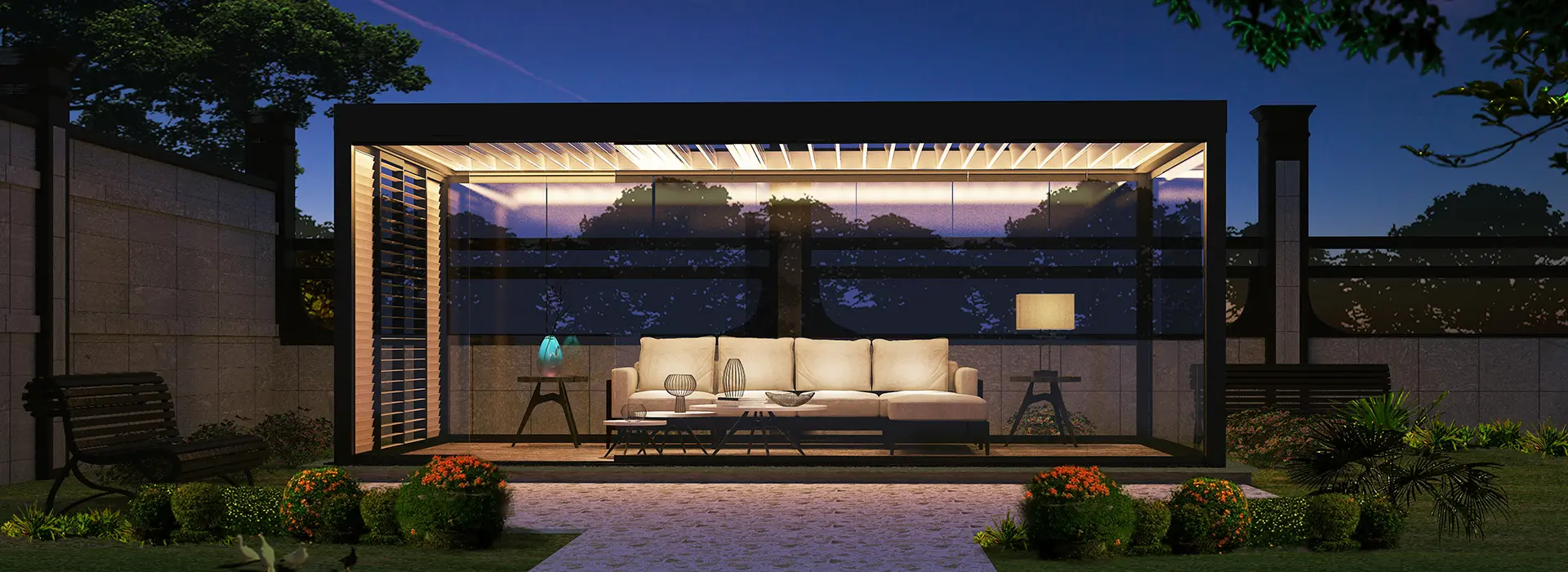

Over 15 years of industry leadership backed by heavy capital investment in R&D and advanced manufacturing automation.
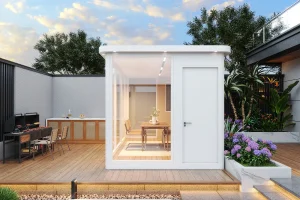
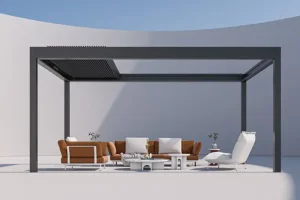
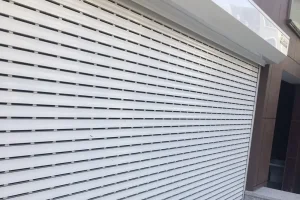
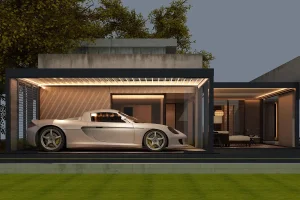
Our integration of four core climate-adapted fabrication lines ensures that whether your project requires high wind resistance, severe UV deflection, thermal retention, or heavy-duty architectural garage enclosures, our output remains optimized for localized climatic stresses.
In global trade, especially within the European Economic Area (EEA), CE Certification is not merely a label—it is a rigorous, legally binding declaration of conformity with essential safety, health, and environmental protection standards. For side track window shades, compliance centers primarily on BS EN 13561 (External blinds and awnings—Performance requirements including safety).
Verification under EN 13561 requires systems to pass static pressure assessments. Our certified track systems reach up to Class 6, ensuring reliable performance in gale-force environments up to 90 km/h without structural derailment or tear-out.
Systems must endure repeated mechanical cycles without deformation or failure of the internal spring-tensioning and motorized assemblies. Our high-grade tracks are tested to exceed 10,000 continuous operation cycles.
Sourcing certified non-toxic fabrics (such as fiberglass/polyester mesh with REACH, OEKO-TEX, and fire-retardant EN 13501-1 certifications) ensures compliance with strict European construction product regulations (CPR).
As a leading exporter, our manufacturing facility ensures that every batch undergoes extensive quality assurance (QA) audits, including pull-force tests on the zipper profile, dimensional stability checks under high heat, and electrical safety validation for motor integrations. This attention to detail safeguards commercial developers from liability risks and simplifies local architectural sign-offs.
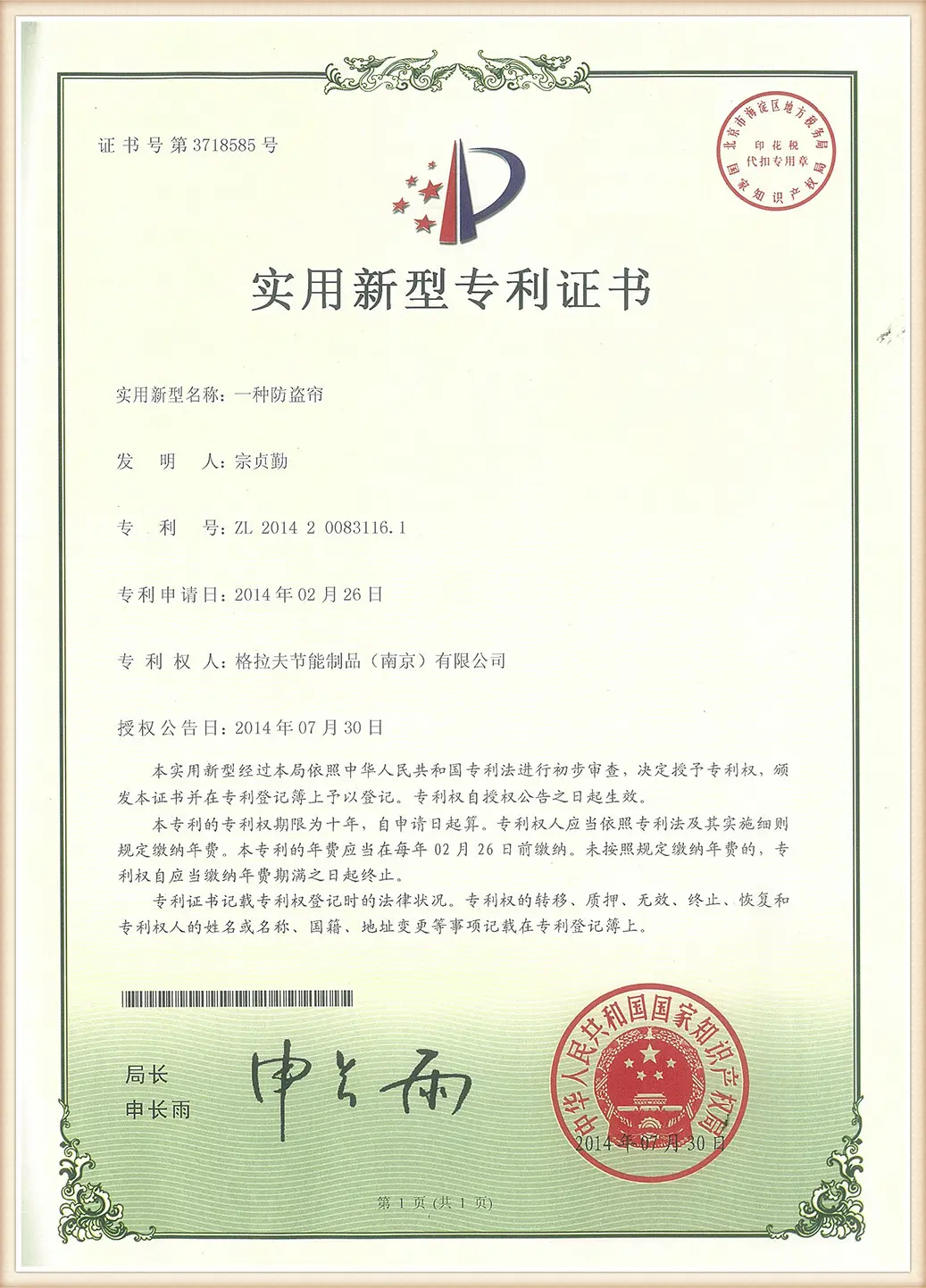
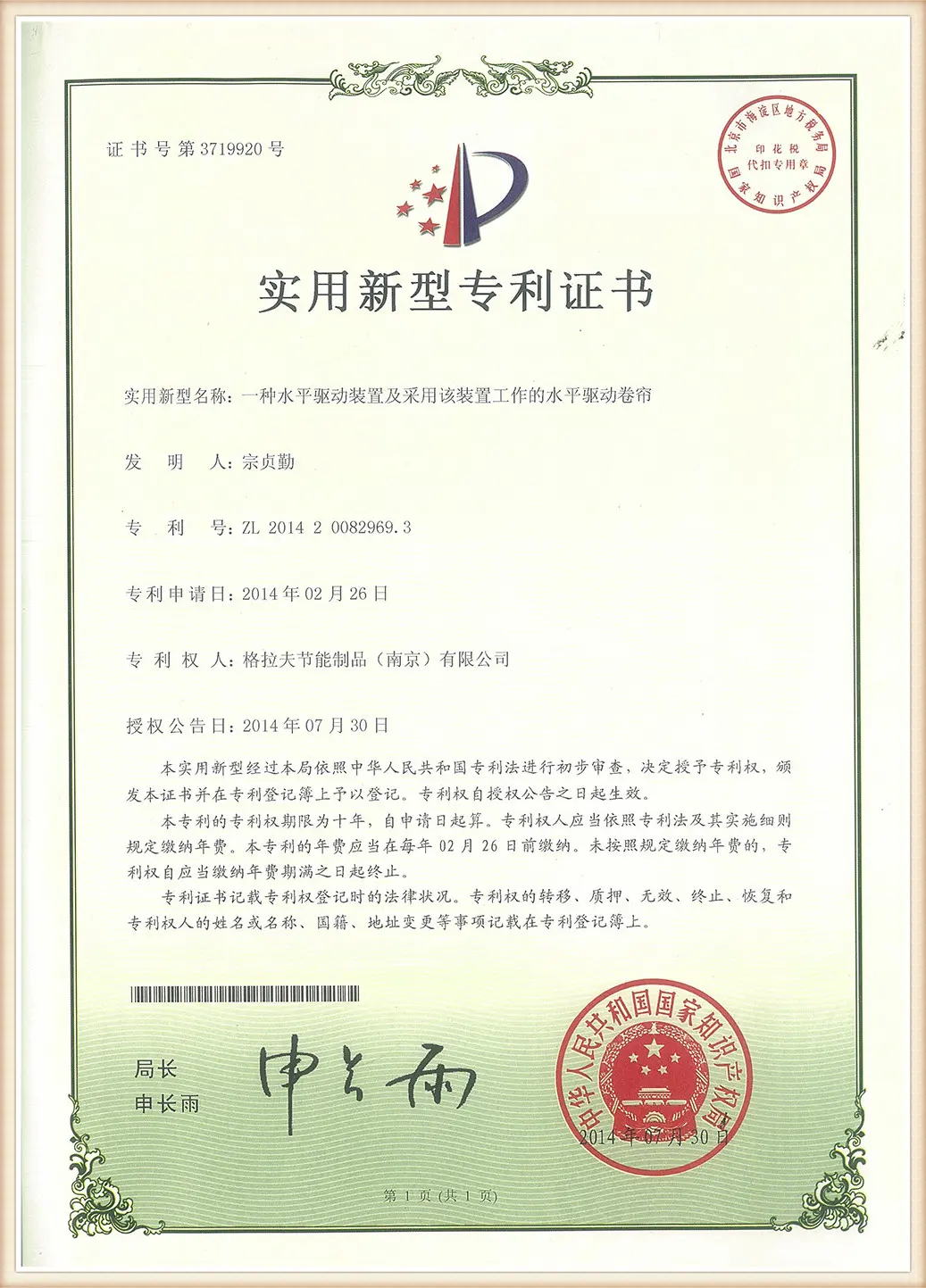
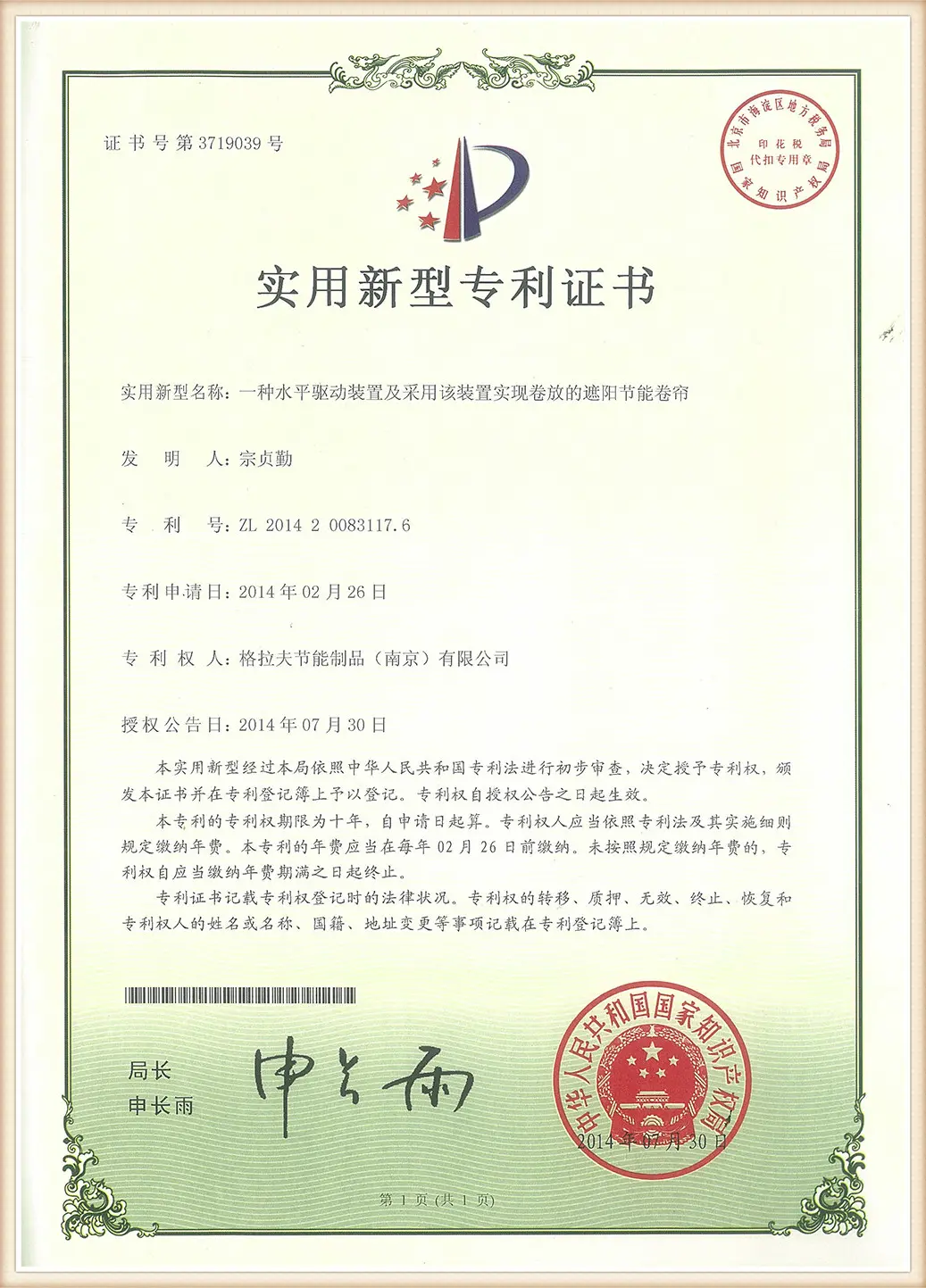
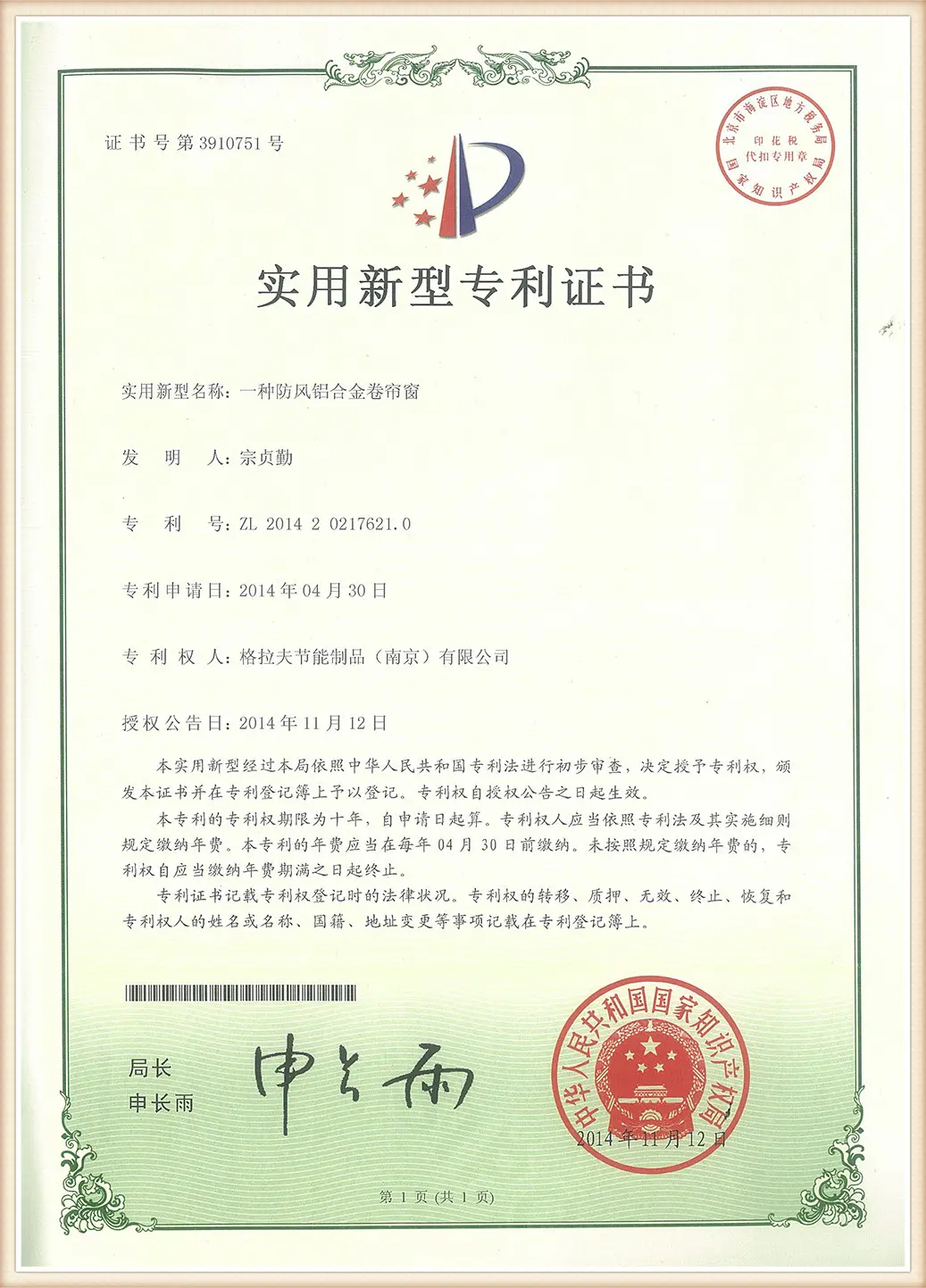
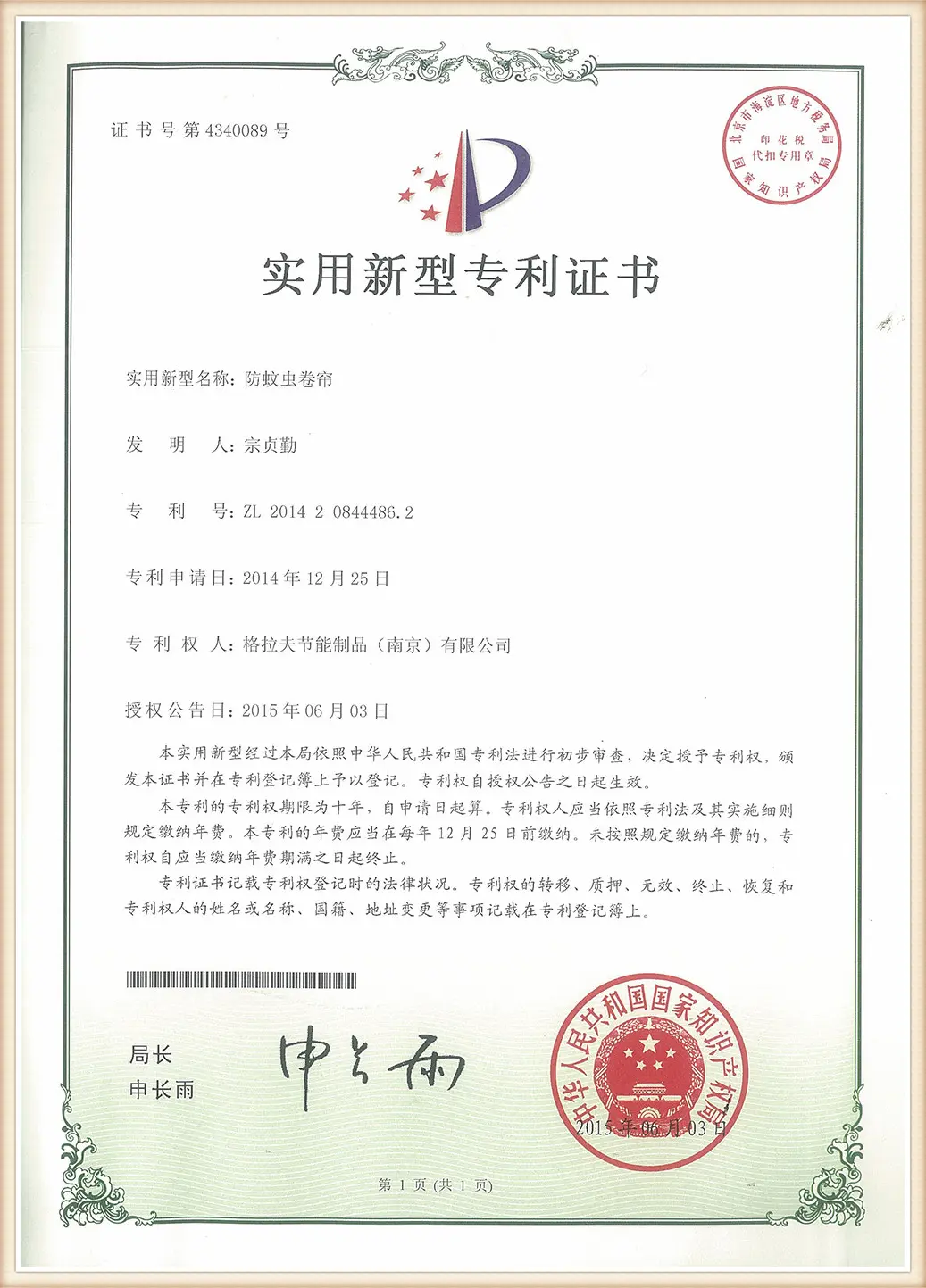
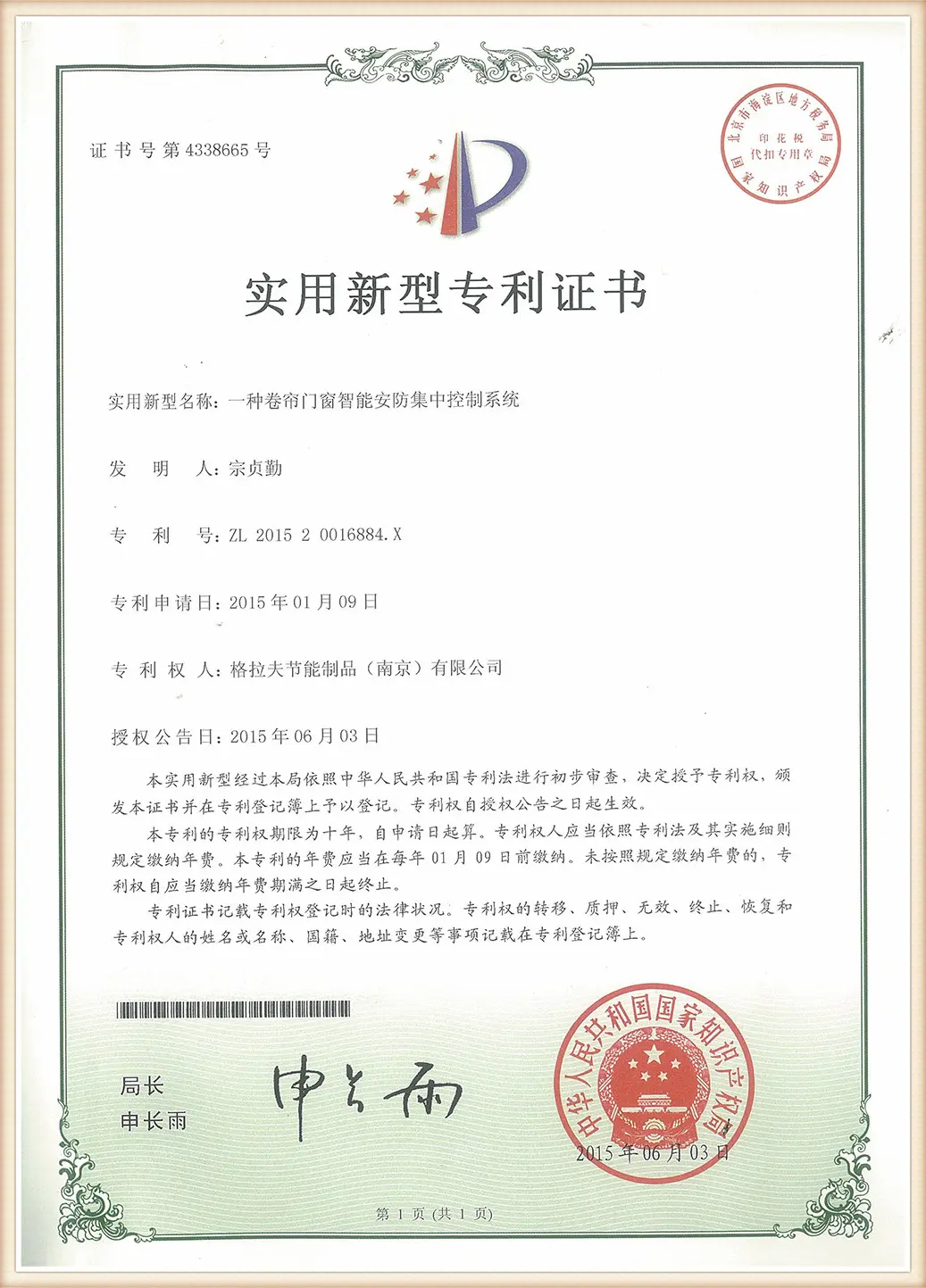
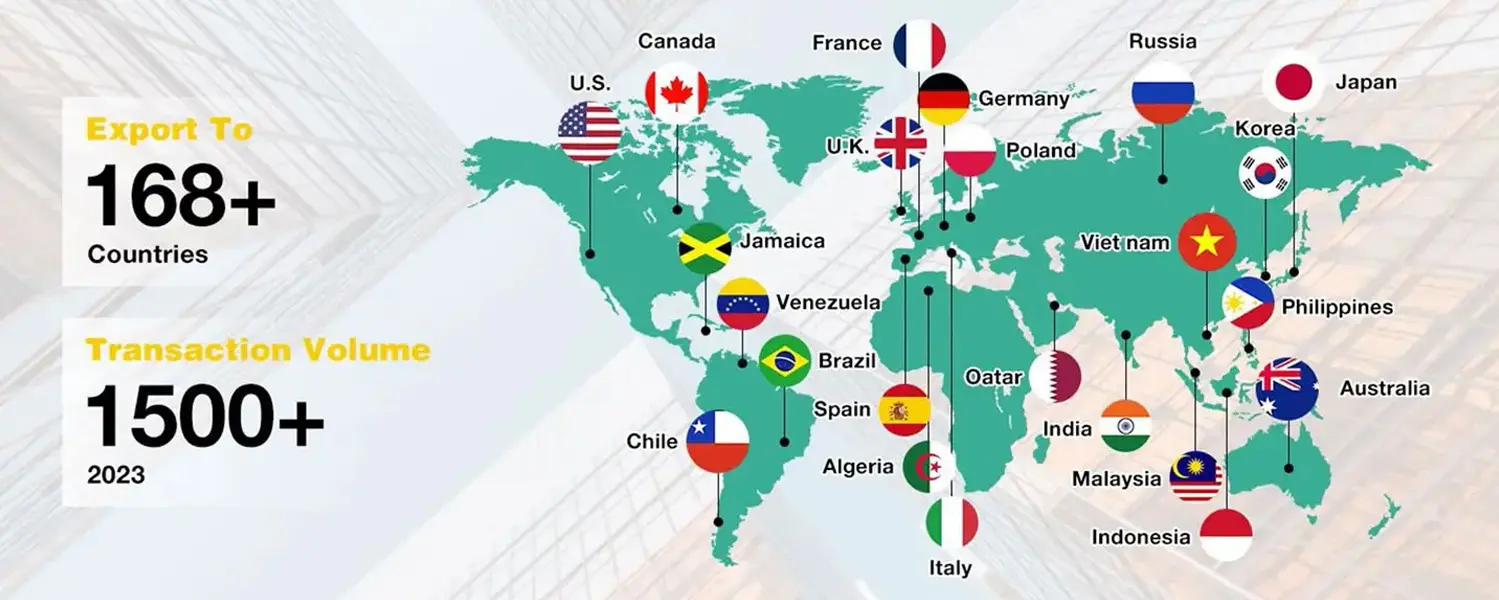
Over the past 20 years, our company has maintained a premium global presence, supplying customized architectural shades and pergolas to over 70 target countries.
Global architectural projects demand high technical precision, short lead times, and competitive cost-efficiency. Our manufacturing ecosystem in China integrates these needs into a unified supply chain. Drawing on local industrial clusters for high-grade 6063-T5/T6 aluminum alloys, our factory handles everything from automated die-casting and precision extrusion to powder coating and electronic motor integration under one roof.
This vertical integration provides structural advantages for global buyers:
We specialize in the research, development, and production of four major climate-resilient production lines.
OEM & ODM support tailored to your project vision, including custom RAL color matches and structural adjustments for local wind codes.
A streamlined production process ensures a consistent 20-30 days turnaround from CAD sign-off to container loading.

Comprehensive sea, air, and multimodal transport options ensure safe, timely delivery to construction sites worldwide.

Dedicated engineering support, interactive installation manuals, and a robust warranty program minimize project downtime.
A primary challenge for international facade engineers is ensuring that building envelopes can withstand local climatic conditions. A standardized, one-size-fits-all approach often leads to premature component failure, fabric tearing, or motor burnout. Our side track shading systems are engineered for three distinct global environments:
In regions like Germany, Austria, and Scandinavia, reducing thermal bridging and managing solar gain is critical. Our zip track systems integrate directly into recessed window lintels. By using low-emissivity (low-E) fiberglass core fabrics, they optimize thermal resistance (R-values) and reduce cooling loads without compromising natural day-lighting.
In coastal regions like Florida, the Caribbean, and coastal Australia, wind load resistance is paramount. We engineer our side tracks with heavy-duty zipper guides and structural aluminum profiles. These components are designed to withstand high pressure gradients and prevent blowout under heavy wind loads.
For projects in the Middle East, solar shading must resist high temperatures, abrasive sand dust, and intense UV exposure. Our systems feature sand-proof track seals and specialized motors with thermal protection. The shade fabric is treated with a protective coating to prevent discoloration and brittle failure under intense heat.
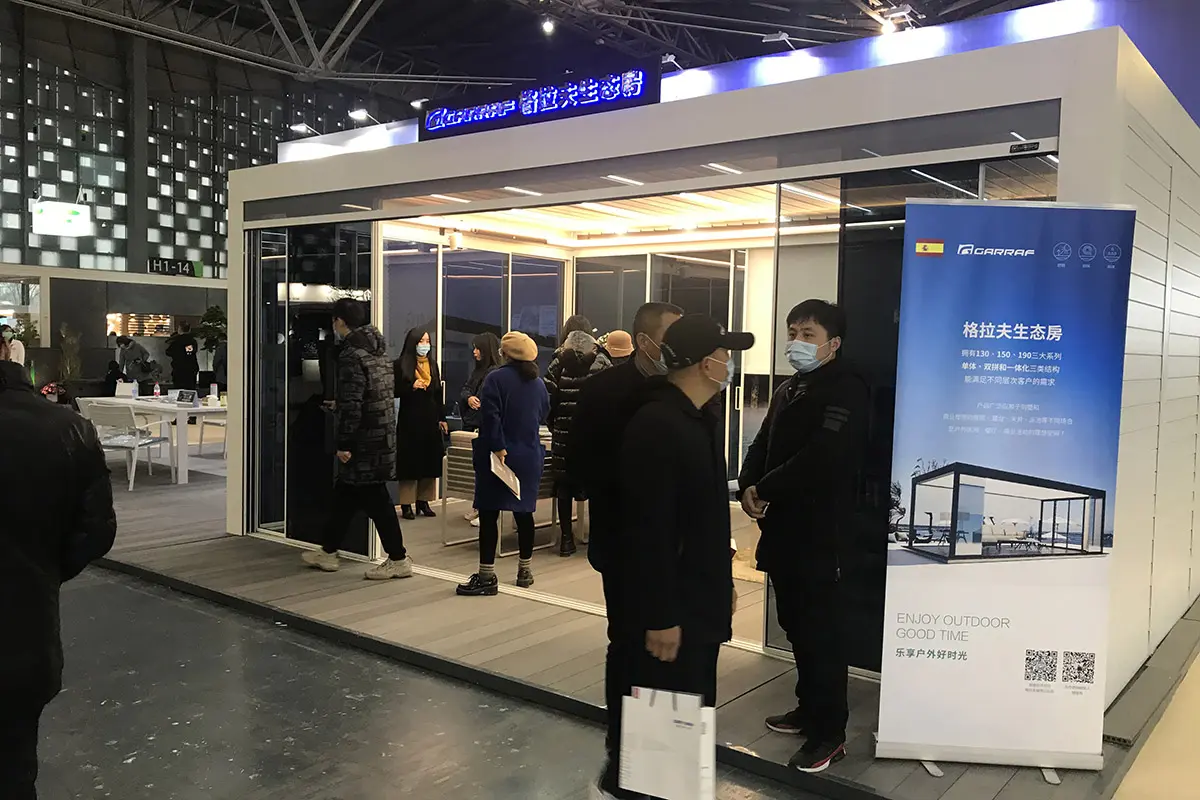
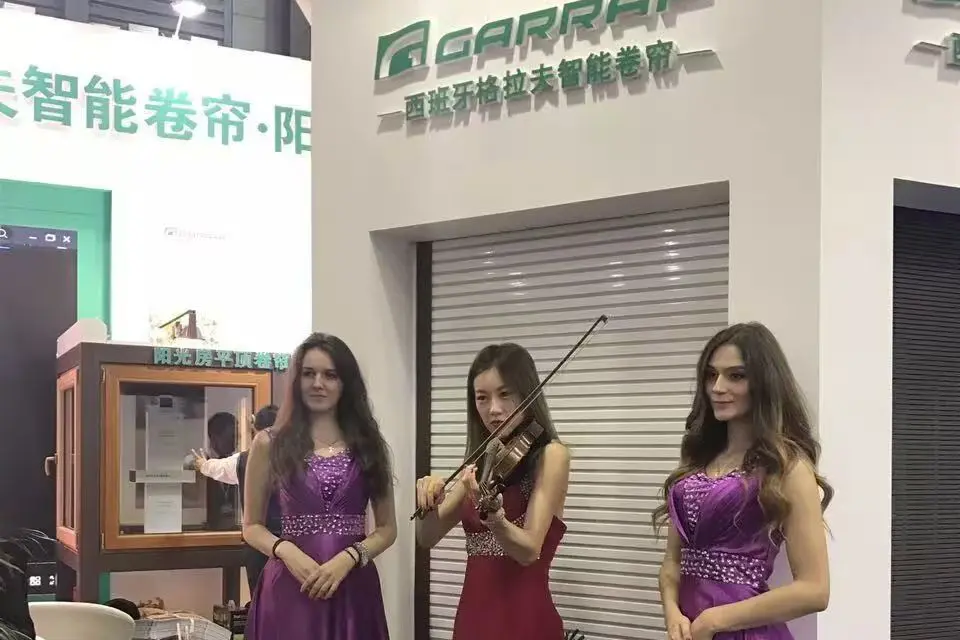
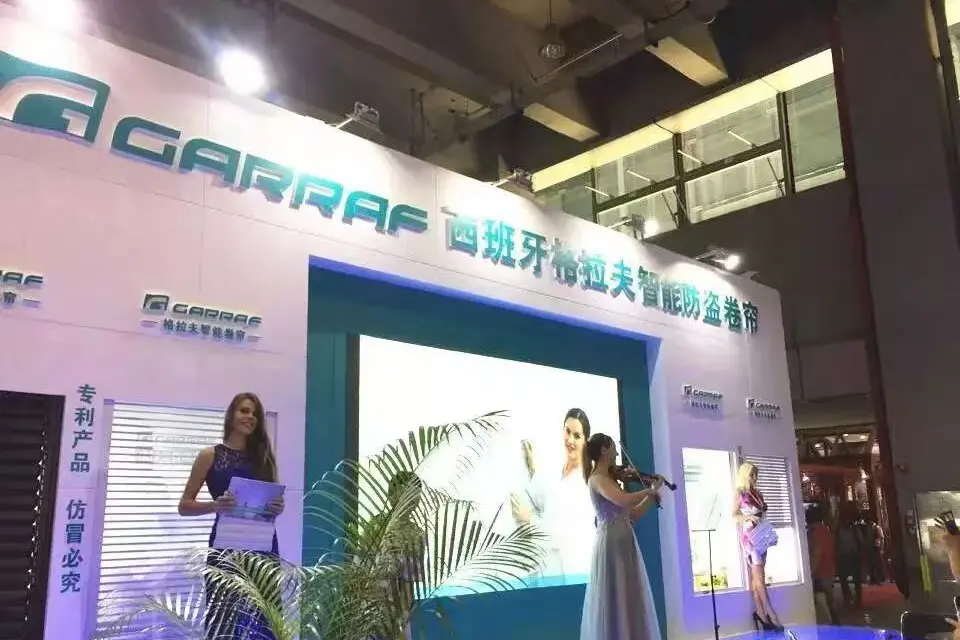
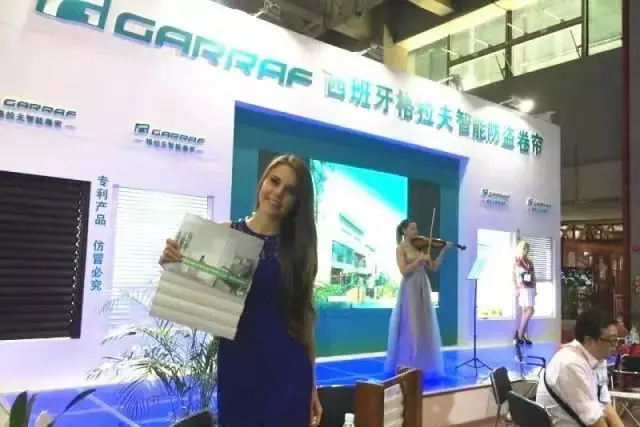
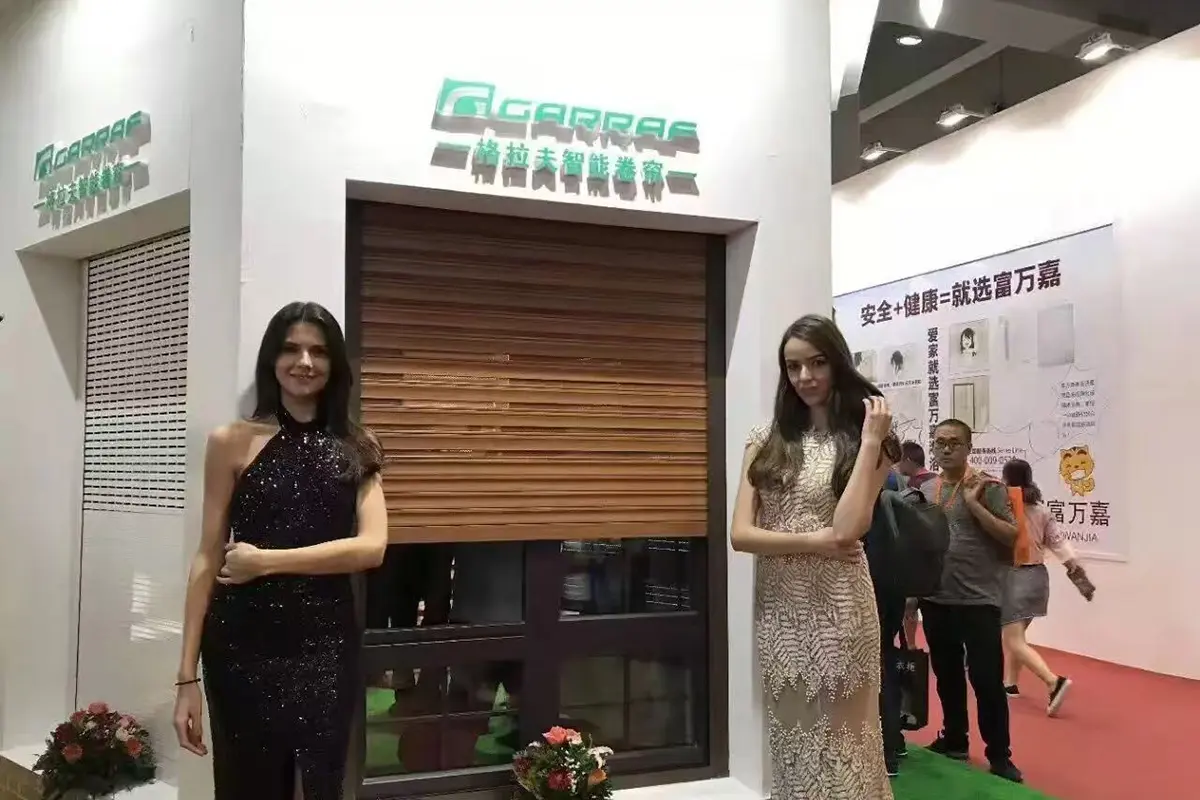
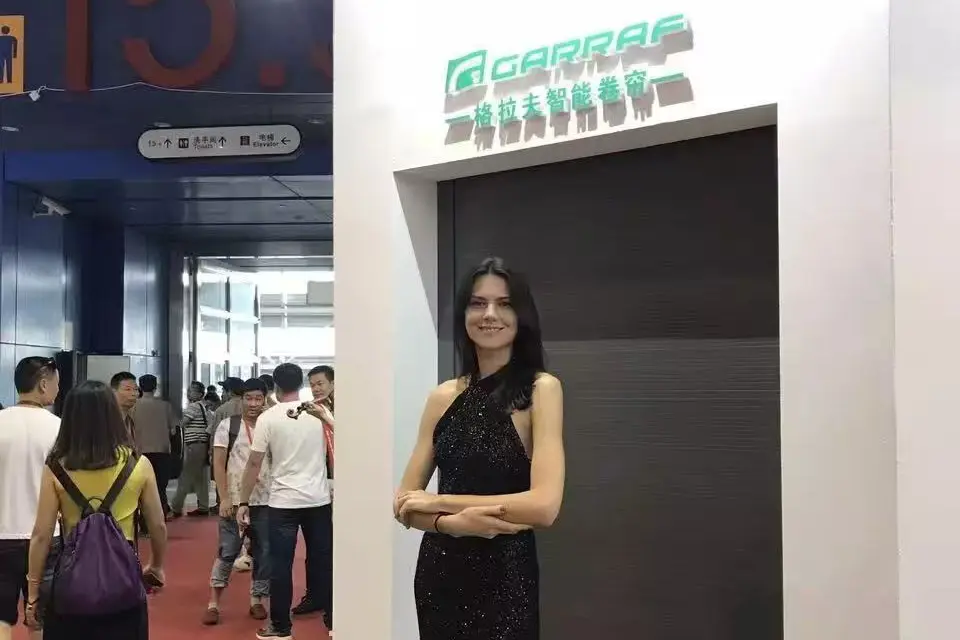
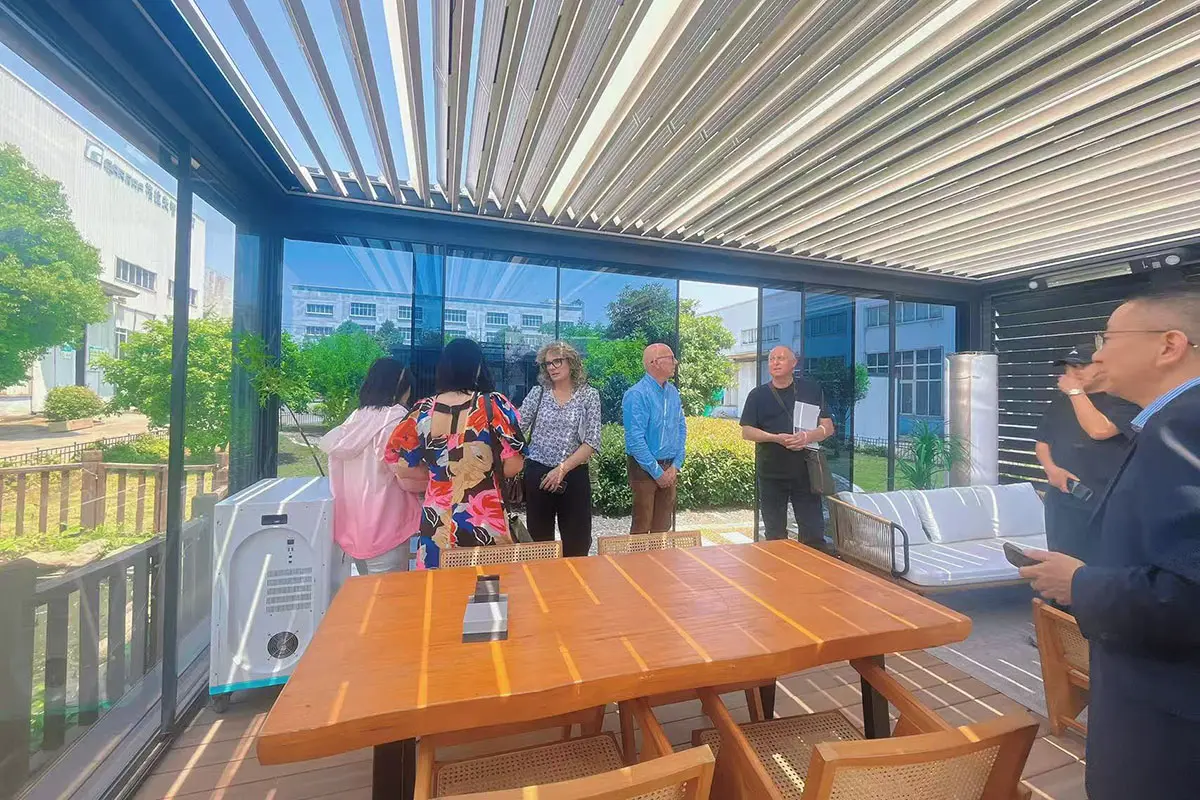
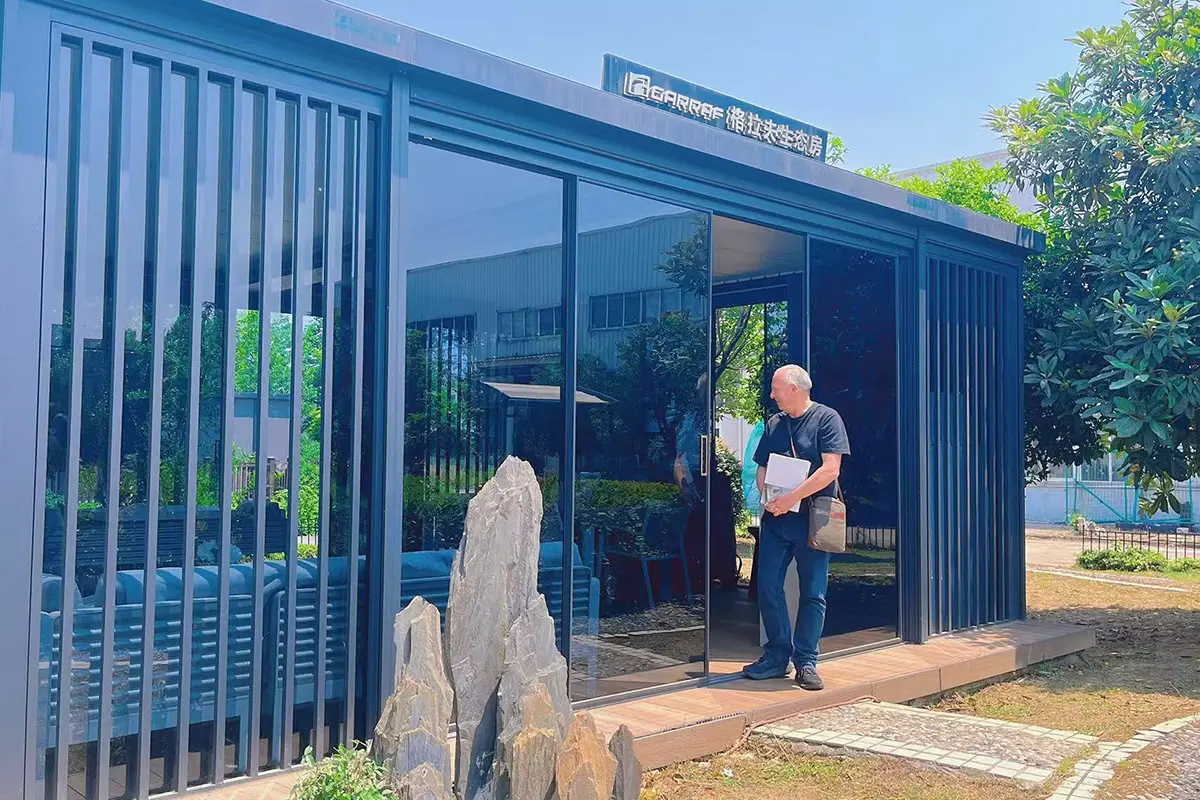
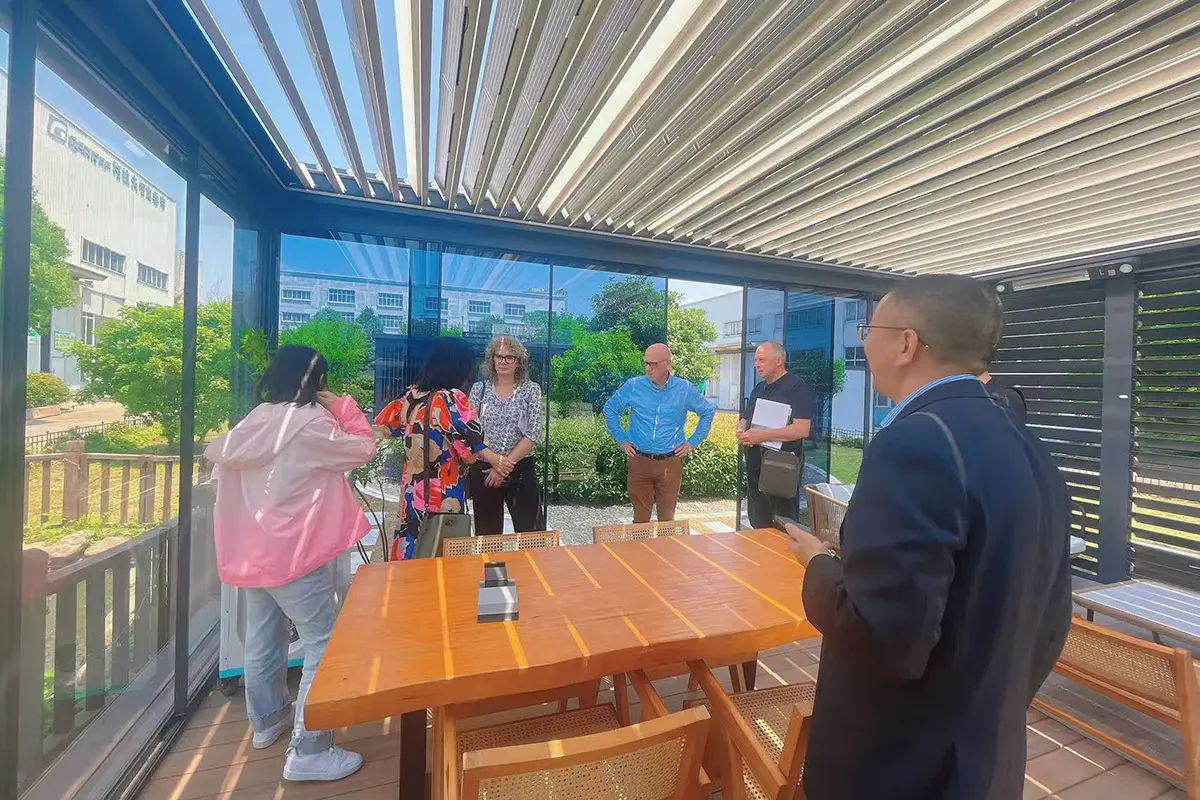
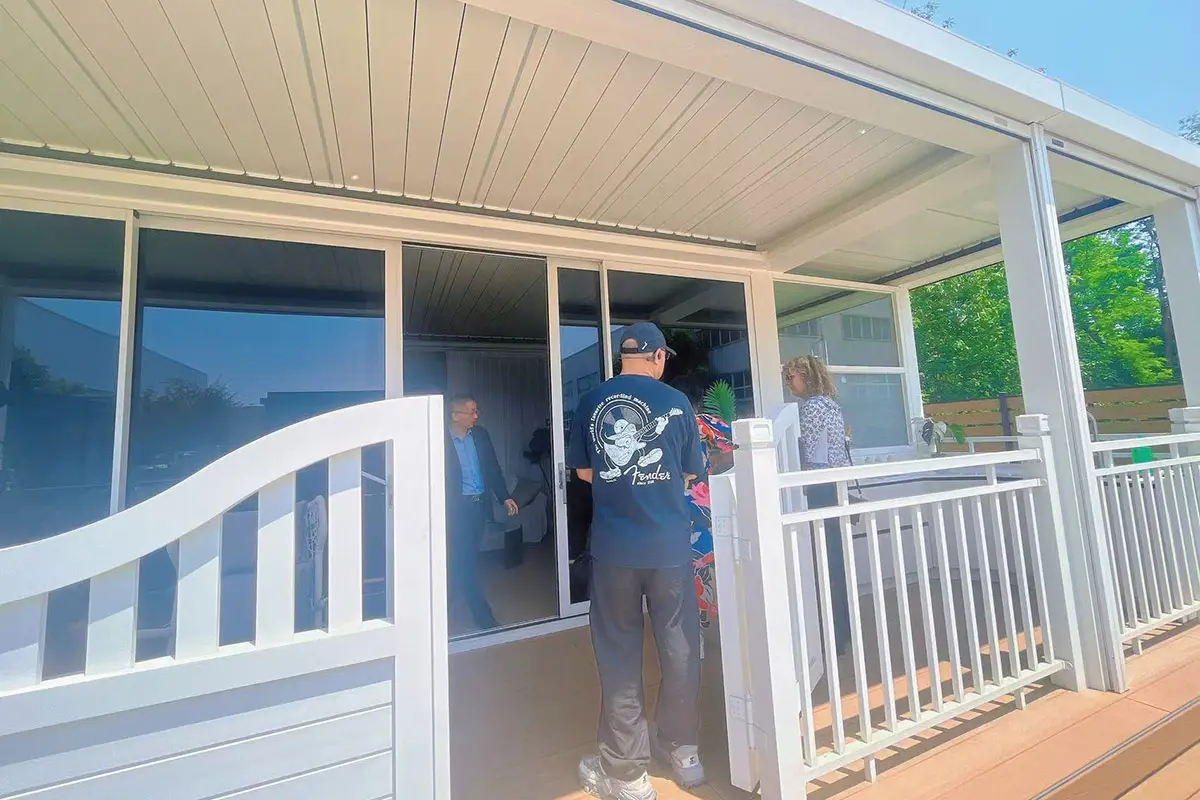
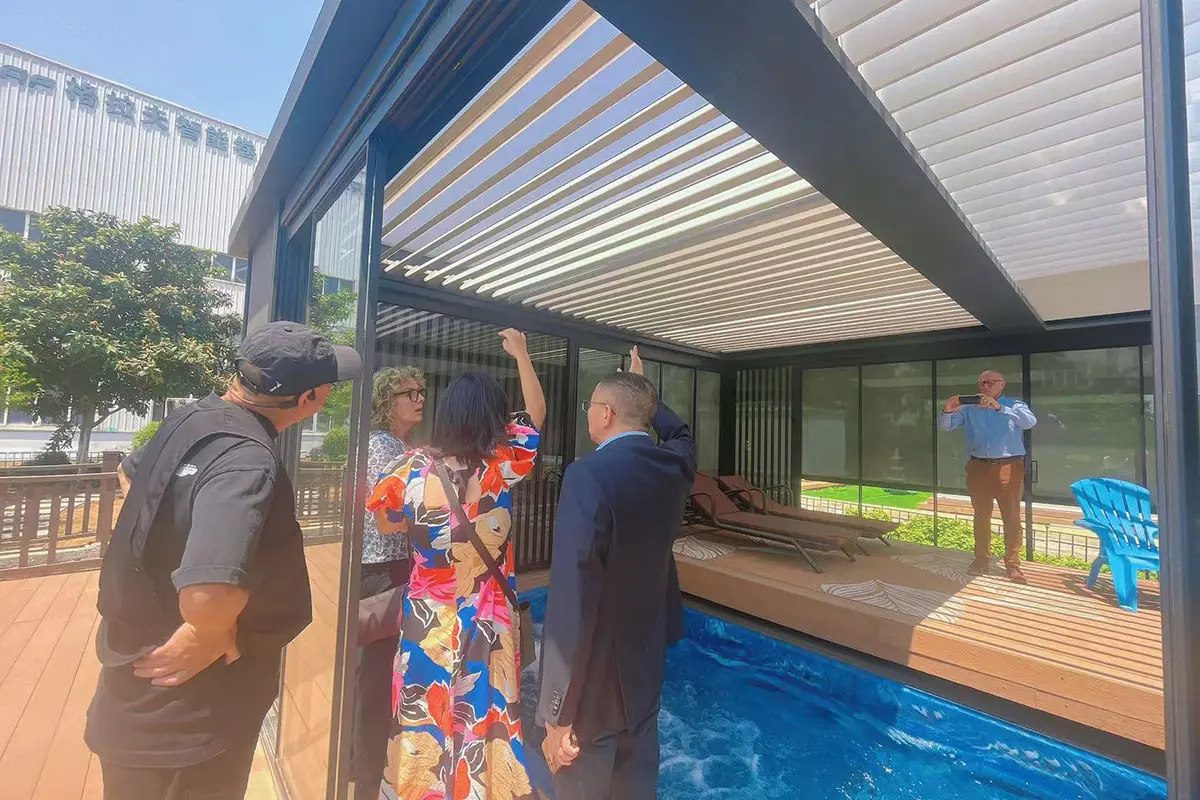
From global trade show booths to deep-dive factory floor audits, international procurement managers inspect our production processes and build reliable, long-term supply partnerships.

The global exterior shading market is evolving rapidly, driven by automation, material science, and building energy management integrations. Developers and architects planning upcoming projects should consider several key technological trends:
For project managers, real estate developers, and procurement executives, sourcing high-performance shading systems requires careful evaluation of supplier capabilities and quality control processes. To ensure long-term performance and minimize project risk, we recommend establishing these verification checkpoints:
Request verified test reports demonstrating compliance with EN 13561 wind resistance standards. For high-wind coastal areas, verify the pull-out strength of the zipper guide within the side channel. Insist on certifications from accredited third-party testing agencies.
Verify that all motorized assemblies carry CE, UL, or TUV safety listings. Ensure the control units match the electrical codes of the destination country, and test wireless ranges and sensor integration paths before shipment.
Exterior shading systems are long and vulnerable to bending during transit. Specify robust packaging requirements, including reinforced structural crates for side tracks and cassette enclosures, to prevent damage during international shipping.
Verify that aluminum extrusions utilize structural 6063 alloy with a minimum T5 temper. Surface powder coatings should comply with Qualicoat Class 1 or Class 2 standards to ensure long-term color retention and corrosion protection.
Stay informed on global market trends, green building standards, and emerging design trends in smart shading systems.
November 28, 2025
Read Full Report
November 20, 2025
Read Full Report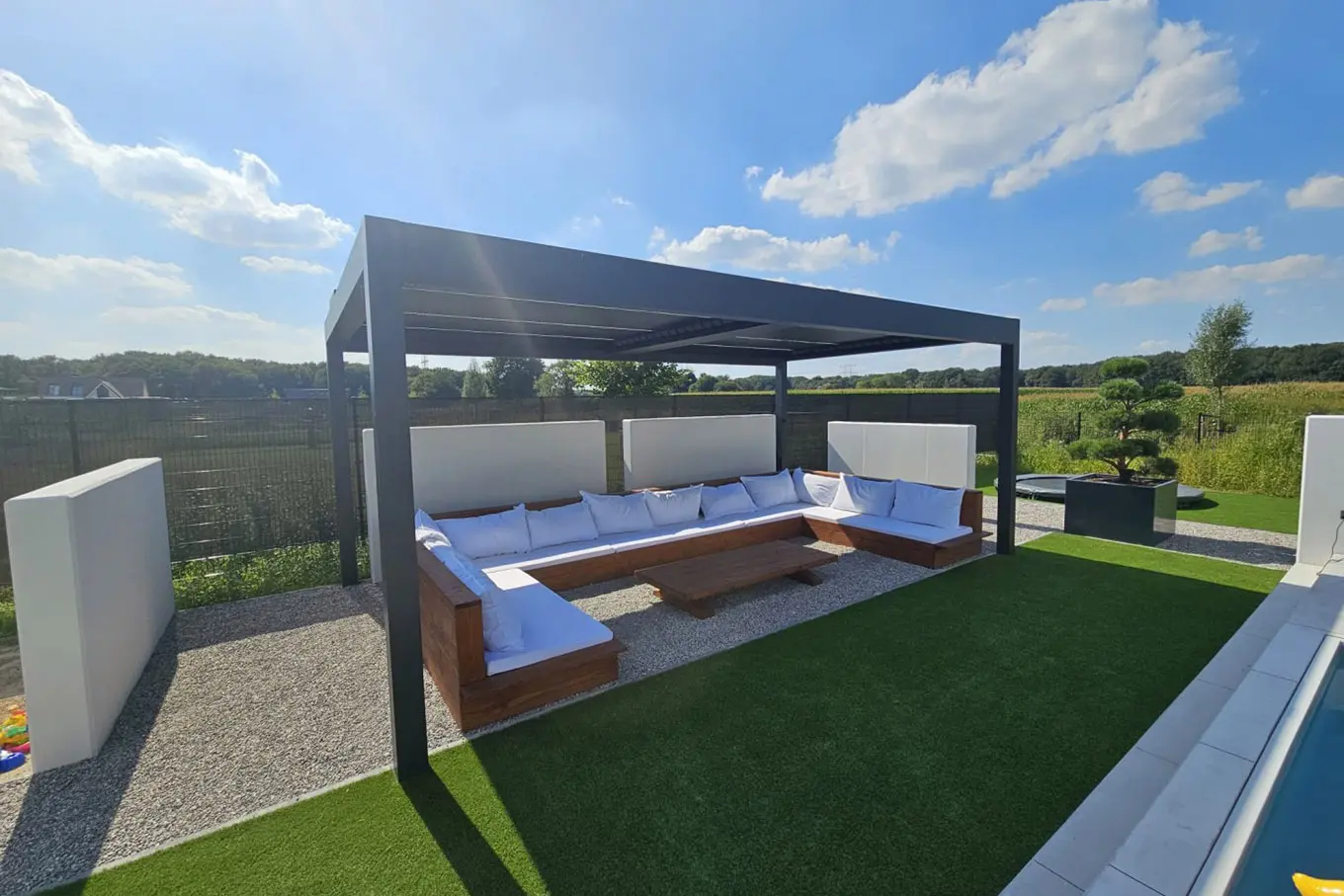
November 12, 2025
Read Full ReportTechnical answers to common questions about wind resistance, installation, and custom manufacturing.
We partner with leading architectural, installation, and distribution companies worldwide to deliver high-quality shading systems.

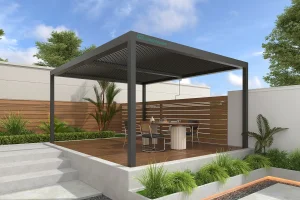
Explore our heavy-duty insulated doors, bioclimatic louver structures, and customized outdoor shading solutions.
Contact our technical sales team for comprehensive drawings, dynamic wind-load reports, and custom pricing configurations for your project.
Request a Quote GARRAF