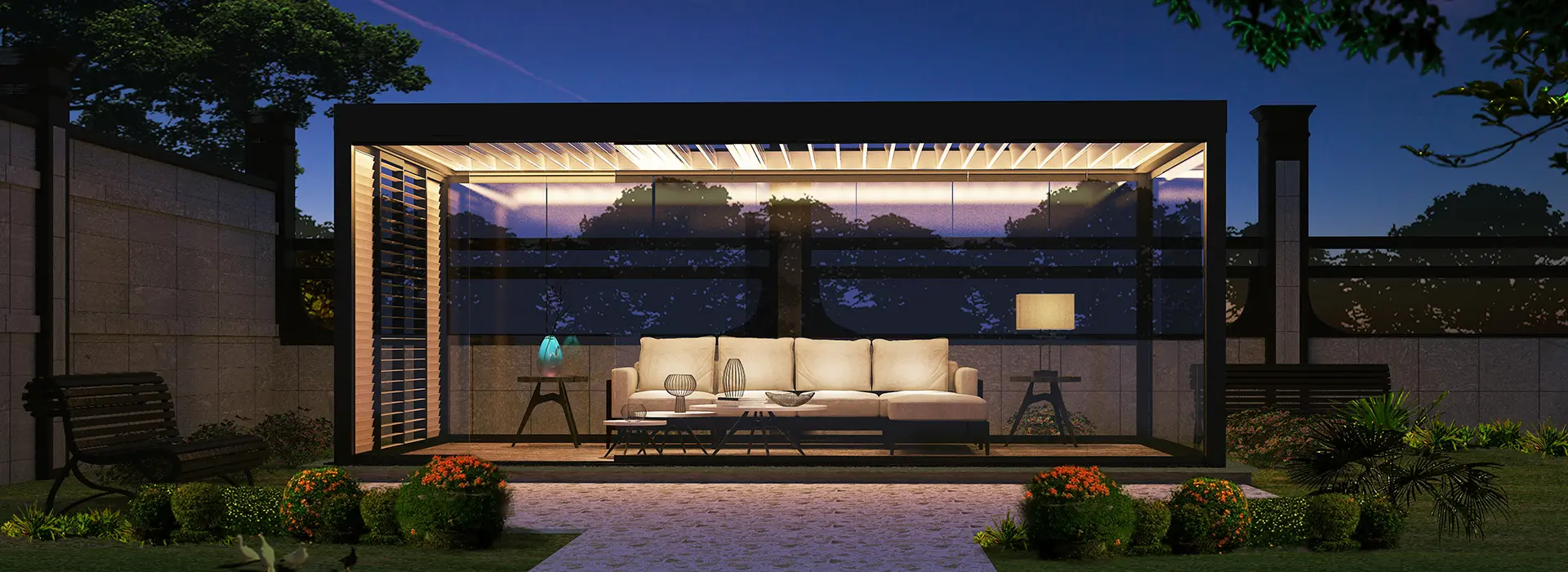
Pre-engineered outdoor living modules, precision roll-formed architectural profiles, and climate-adaptive building materials.
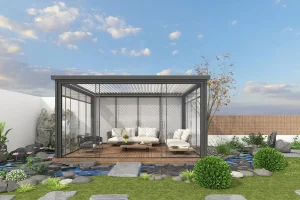
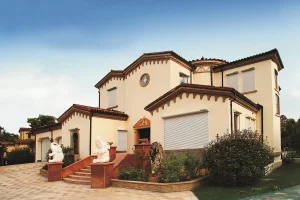
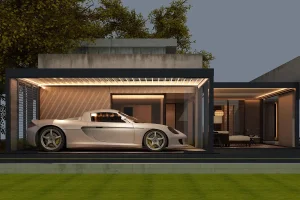
The global construction sector is undergoing a profound paradigm shift. Traditional brick-and-mortar execution models are rapidly yielding market share to Off-Site Construction (OSC) and modular structural engineering. At the forefront of this industrial transformation are CE Certified Quick-Build Houses and prefabricated modular structural systems. By leveraging advanced metallurgy—specifically high-tensile 6063-T5 aluminum framing—alongside state-of-the-art thermal barrier systems, modern manufacturing facilities are providing developers, commercial contractors, and global distributors with structural shells that cut traditional project lifecycles by up to 70%.
Market intelligence indicates a compound annual growth rate (CAGR) of over 7.8% in the pre-engineered building (PEB) sector between 2024 and 2032. The primary catalysts driving this growth include:
Quantifiable manufacturing capacity and certified operational standards representing our global supply capabilities.
For institutional buyers, EPC contractors, and real estate developers, procuring modular systems involves strict regulatory audits. The most critical benchmark for access to the European Economic Area (EEA) is the CE Marking, governed by the Construction Products Regulation (CPR) (EU) No 305/2011. Our quick-build modular components, louvers, zip screens, and external shutters comply with the corresponding European harmonized standards (hEN):
| Modular Component | Harmonized EN Standard | Primary Compliance Focus |
|---|---|---|
| Structural Aluminum Framing | EN 1090-1 & EN 1090-3 | Execution of aluminum structures, structural safety load-bearing performance |
| Garraf ALUPOD Modular Space | EN 1999 (Eurocode 9) | Design of aluminum structures, structural durability, fatigue resistance |
| Automated ZIP Screens & Louvers | EN 13561 | External blinds and shutters performance requirements including wind load resistance |
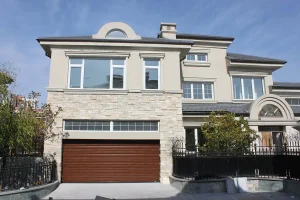
| Thermal Insulated Garage Doors | EN 13241-1 | Industrial, commercial and garage doors mechanical safety and thermal transmission parameters |
Many general trading companies present modular structures without verified structural calculation books. To ensure high "Information Gain" and absolute reliability for builders, our engineering factory supplies full FEA (Finite Element Analysis) wind and snow load simulation calculations. Under EN 1991 (Eurocode 1: Actions on structures), our premium pergola frame arrays and modular houses are engineered to withstand extreme wind velocities up to 120 km/h (equivalent to Beaufort Scale 11-12) and snow loads up to 1.5 kN/m².
Four core engineering and logistic columns supporting your global supply chain safety.
Complete OEM/ODM capabilities, providing customized CAD files, BIM models, and tailored profiles to align with your project specifications.
Rapid production turnarounds within 20 to 30 business days, optimized through intelligent manufacturing scheduling.
Strategic ocean/rail freight optimization, custom export crating, and flat-pack logistics to prevent shipping damage.
Dedicated multi-lingual engineering support, localized installation manuals, and comprehensive warranties on all load-bearing elements.
Sleek in design, these structure platforms seamlessly blur the line between indoor comfort and outdoor functionality.
Precision is not a metric that can be retrofitted; it must be engineered into the core manufacturing process. Our manufacturing headquarters utilizes the Factory 4.0 design framework. The physical facility comprises distinct specialized sub-plants: architectural aluminum extrusion lines, automated CNC machining center lines, and automated robotic welding cells. Our electrostatic fluorocarbon powder coating lines (qualified by Qualicoat Class 2 standards) guarantee that every structural frame resists UV degradation, salt-fog corrosion, and abrasion, maintaining color integrity for up to 15 years.
To hedge against global raw material price swings, our facility maintains a perpetual raw material safety inventory of over 5,000 metric tons of primary aluminum ingot. This ensures price stability and production continuity for large-scale municipal or hospitality contract rollouts. Furthermore, our integrated assembly line design reduces mechanical tolerances to less than ±0.5mm, providing a plug-and-play assembly process when our flat-pack modules arrive on-site.
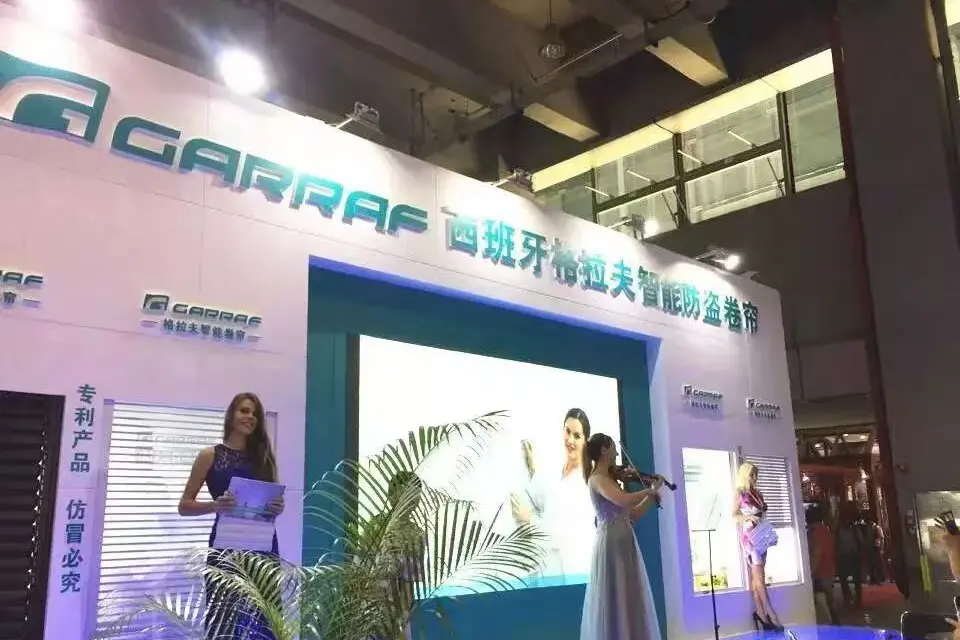
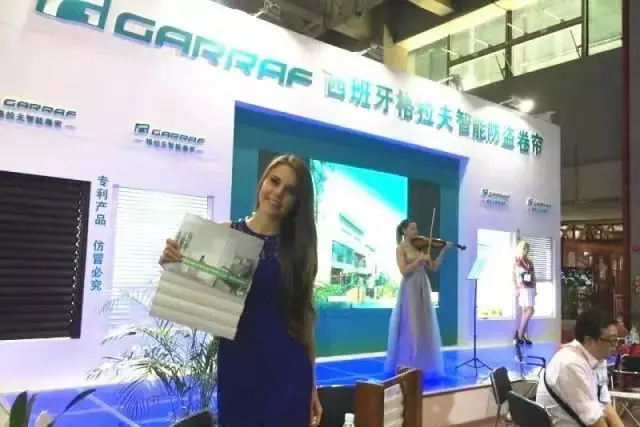
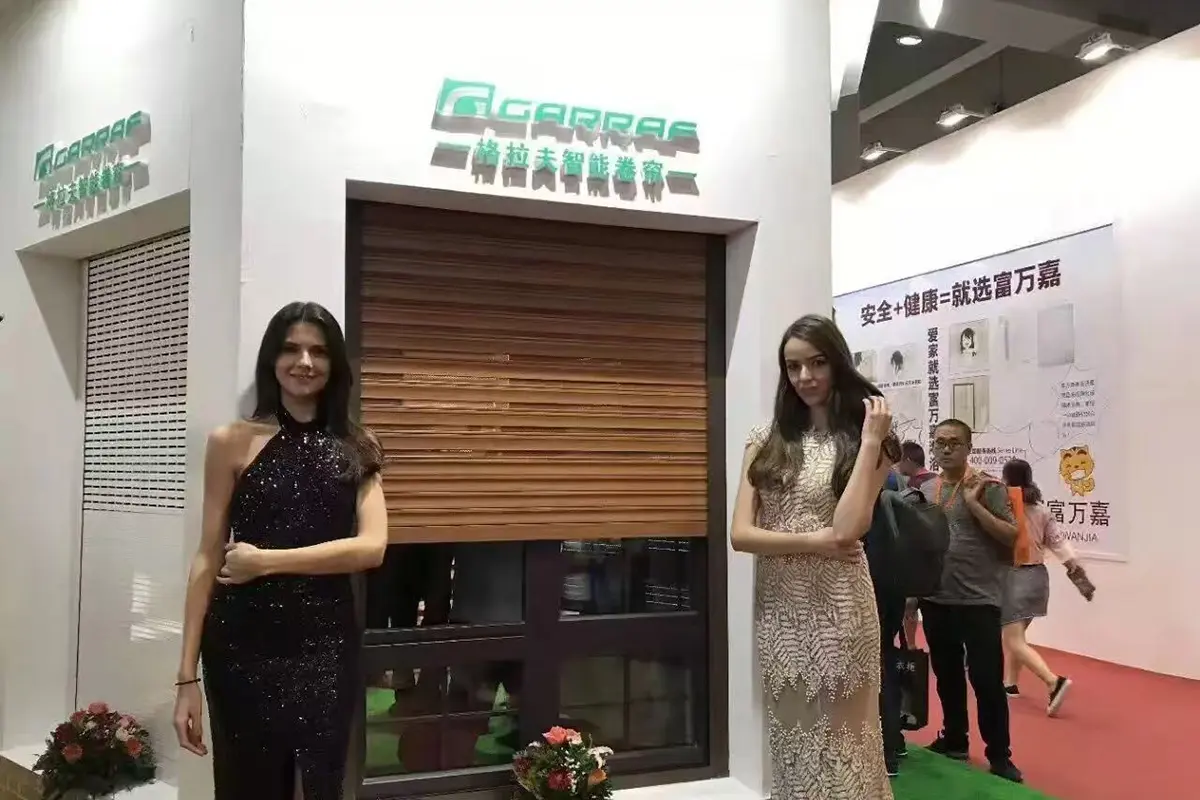
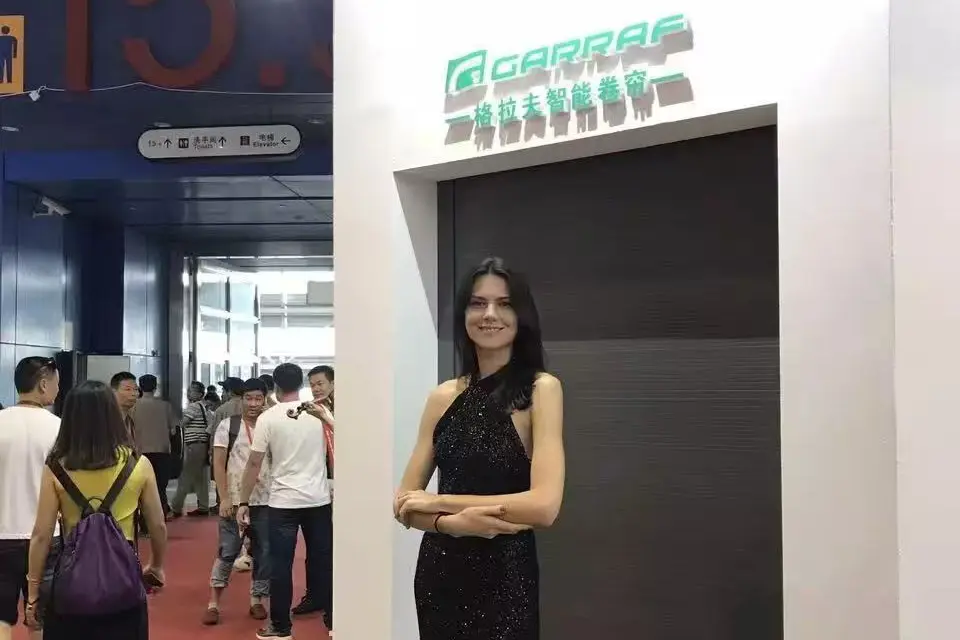
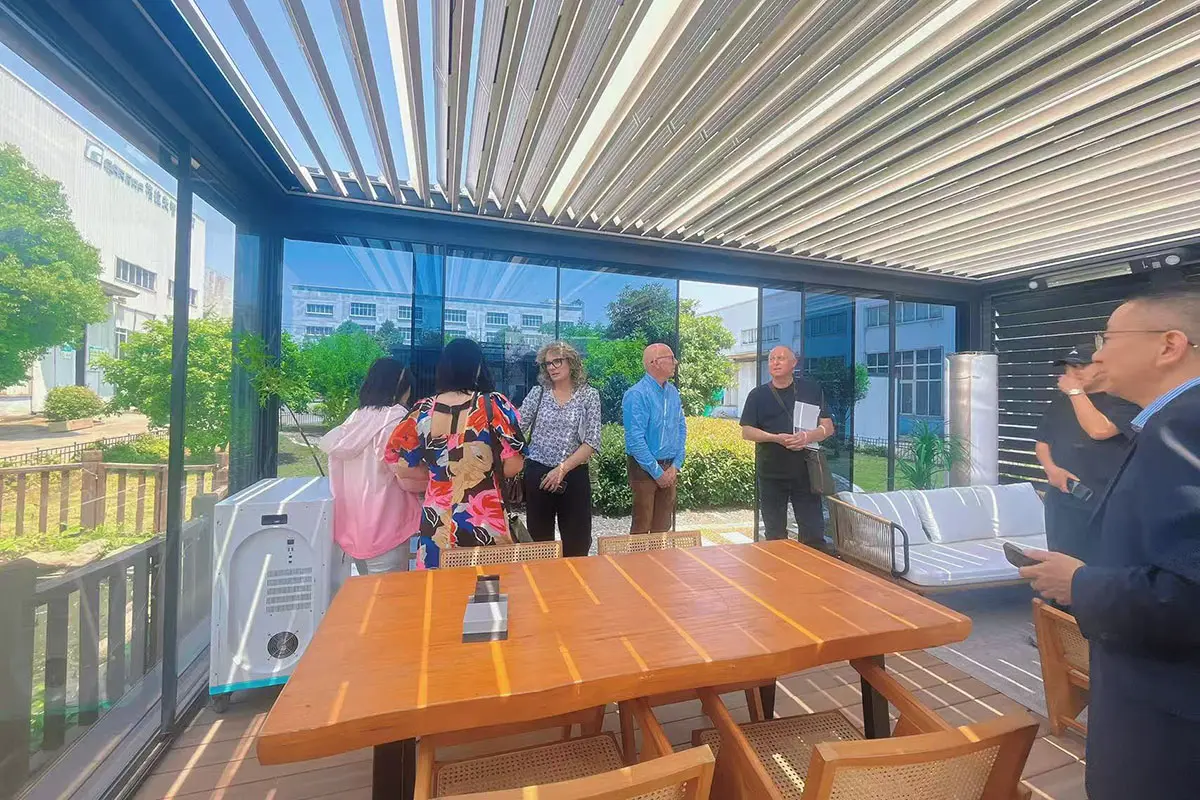
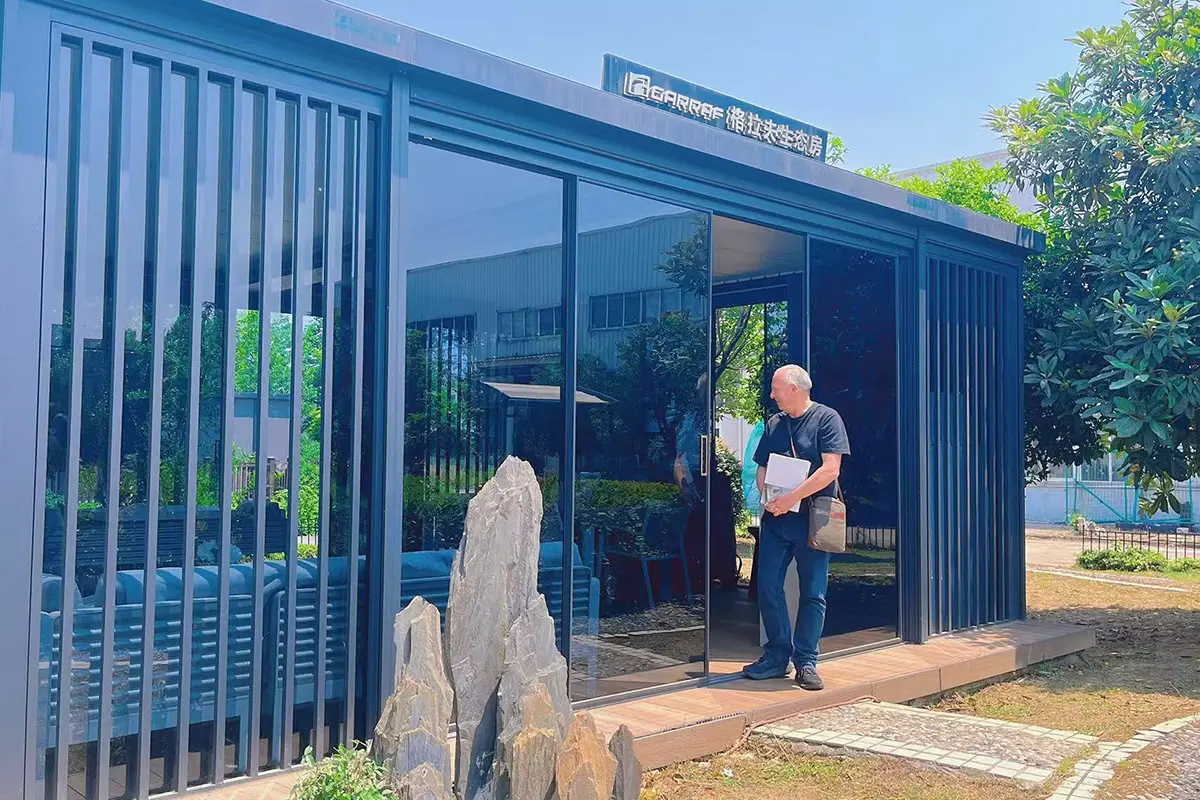
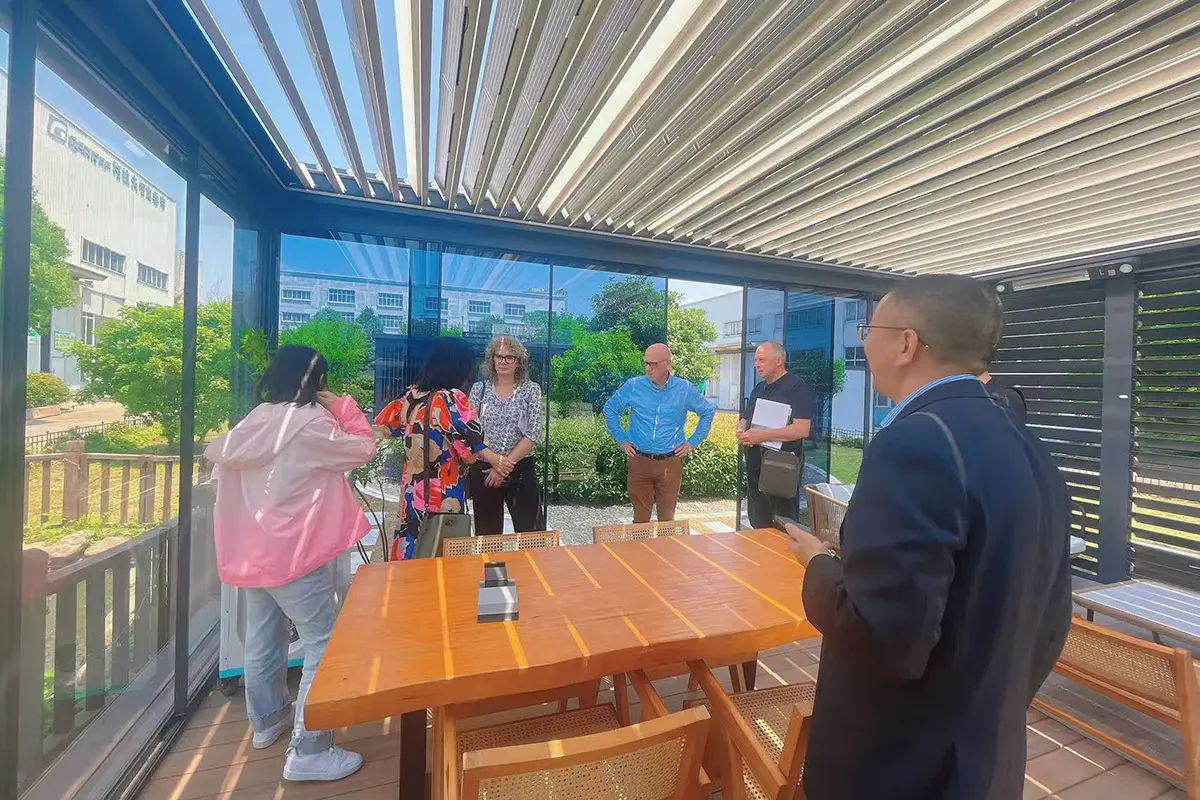
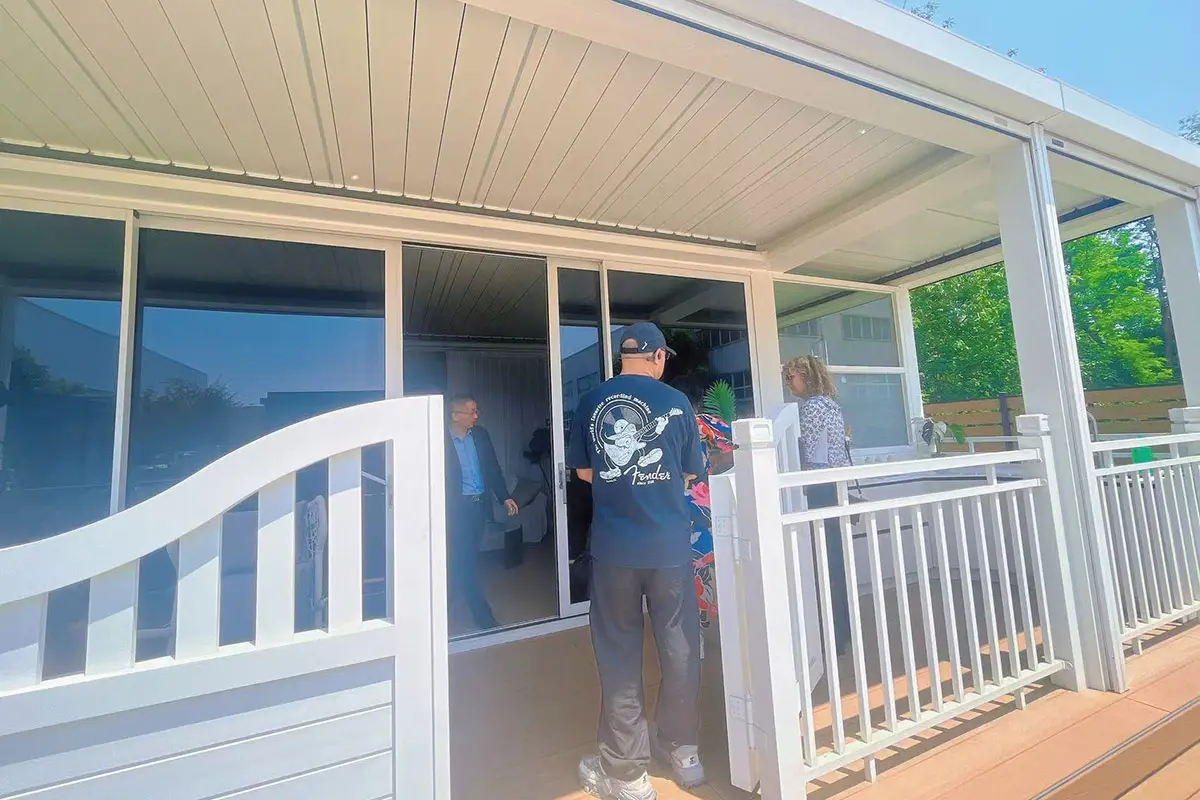
Global developers, architectural engineers, and commercial distributors inspect our manufacturing quality control processes.
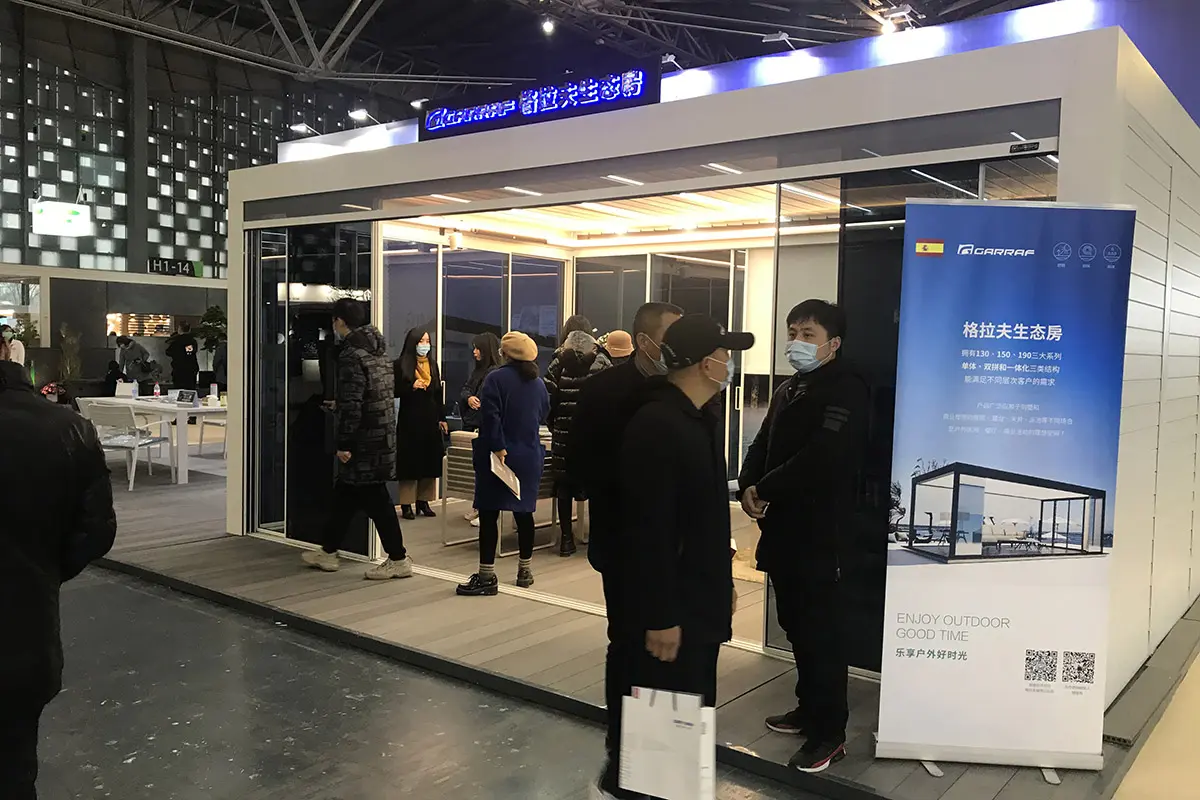


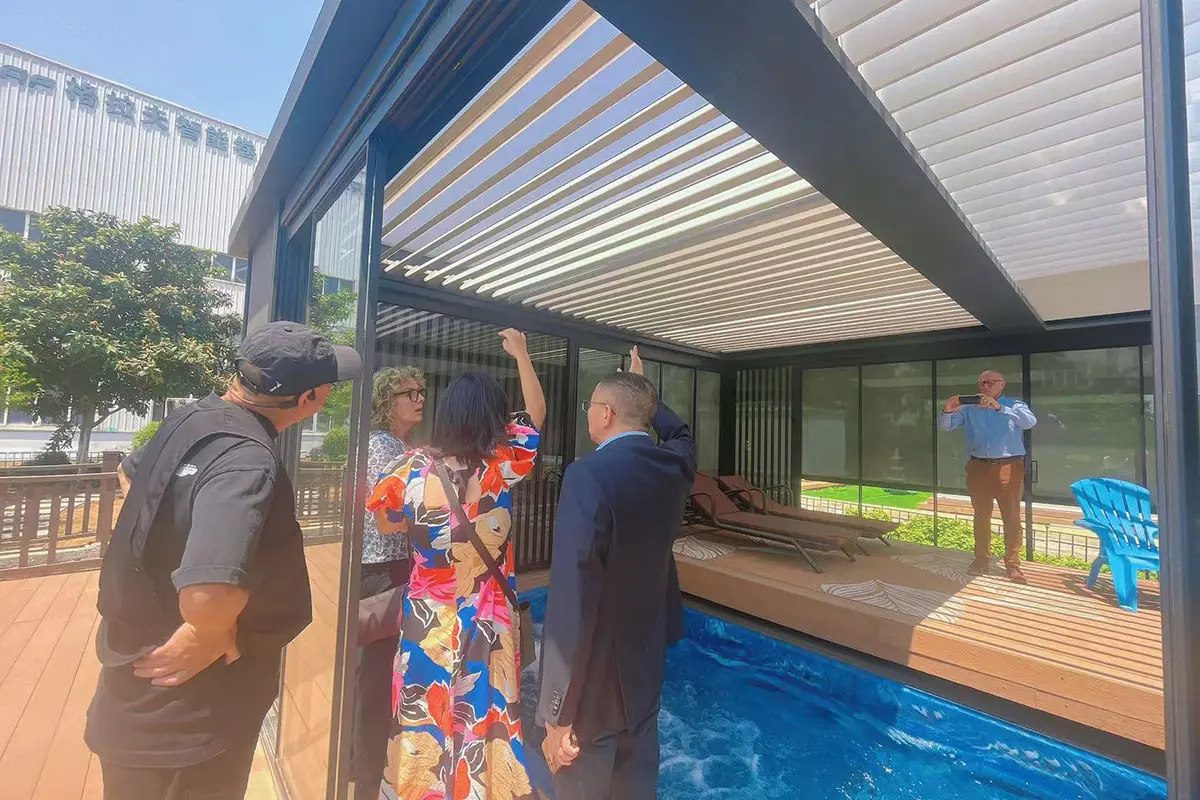
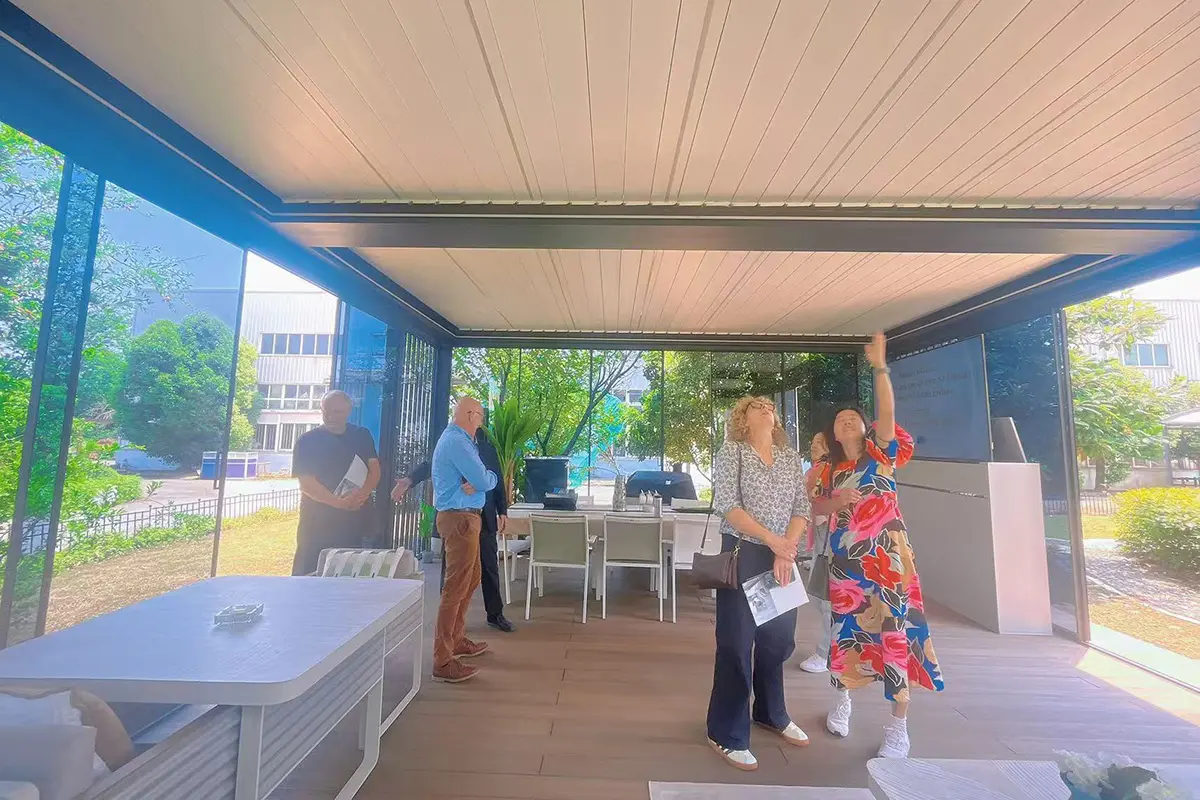
Modern structures must adapt dynamically to their local climate and usage profiles. Pre-engineered modular structures and aluminum building systems are developed with versatile, site-specific configurations in mind:
Saline conditions accelerate rust in steel. Our Marine-Grade 6063-T5 aluminum framing systems receive a special chemical pretreatment prior to PVDF coating. This prevents filiform corrosion, ensuring structural integrity for beachfront villas and high-end coastal eco-resorts across the Mediterranean and Caribbean.
Heavy snowfall loads demand structures that resist buckling. Our ALUPOD building systems feature internal hollow-chamber reinforcing ribs and dual-pane insulated glazed panel systems. These systems are rated for heavy snow accumulation and high thermal retention, preventing thermal bridging in sub-zero alpine settings.
In regions like the Middle East, extreme heat and dust present constant challenges. Our modular homes utilize automated external ZIP screens to block solar radiation before it hits the glass, reducing HVAC cooling loads by up to 40% while preserving interior comfort during dust storms.
Serving structural designers and real estate developers across 70+ countries worldwide.
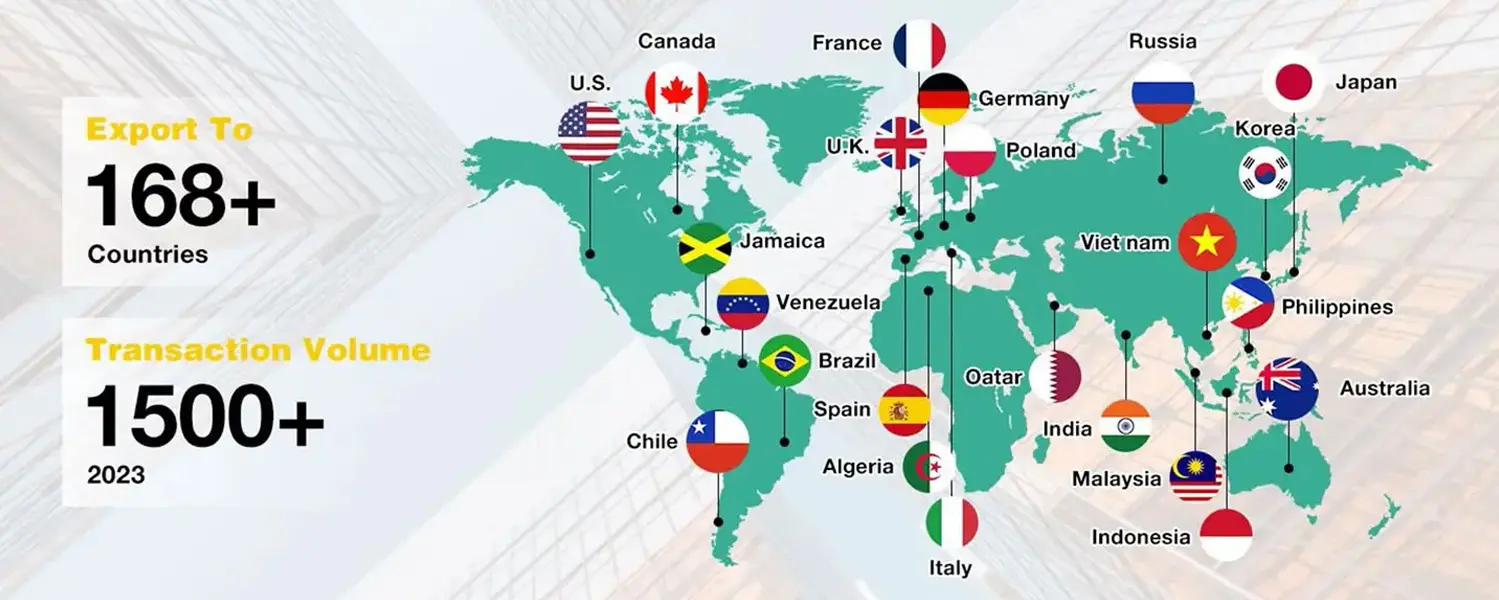


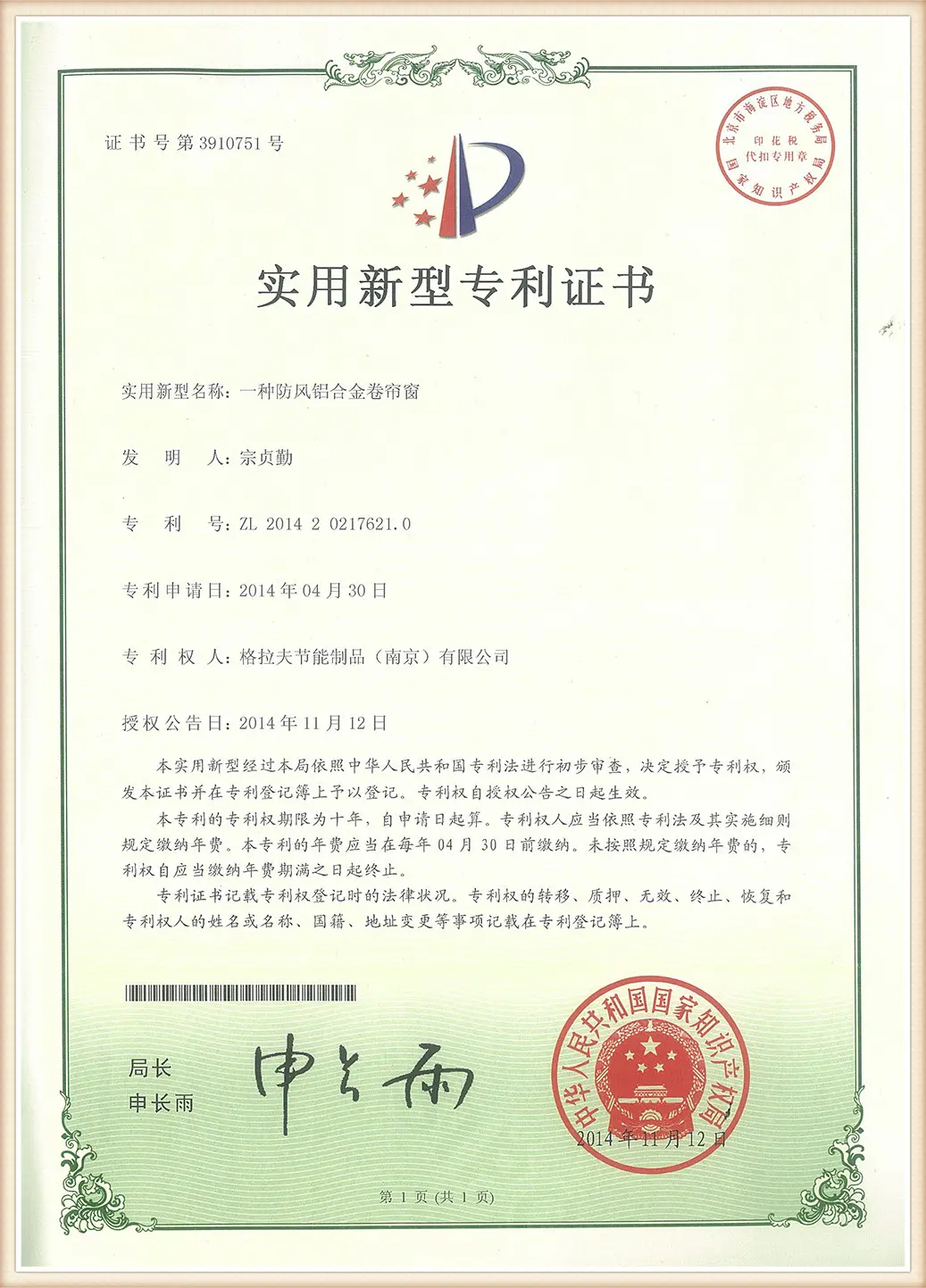
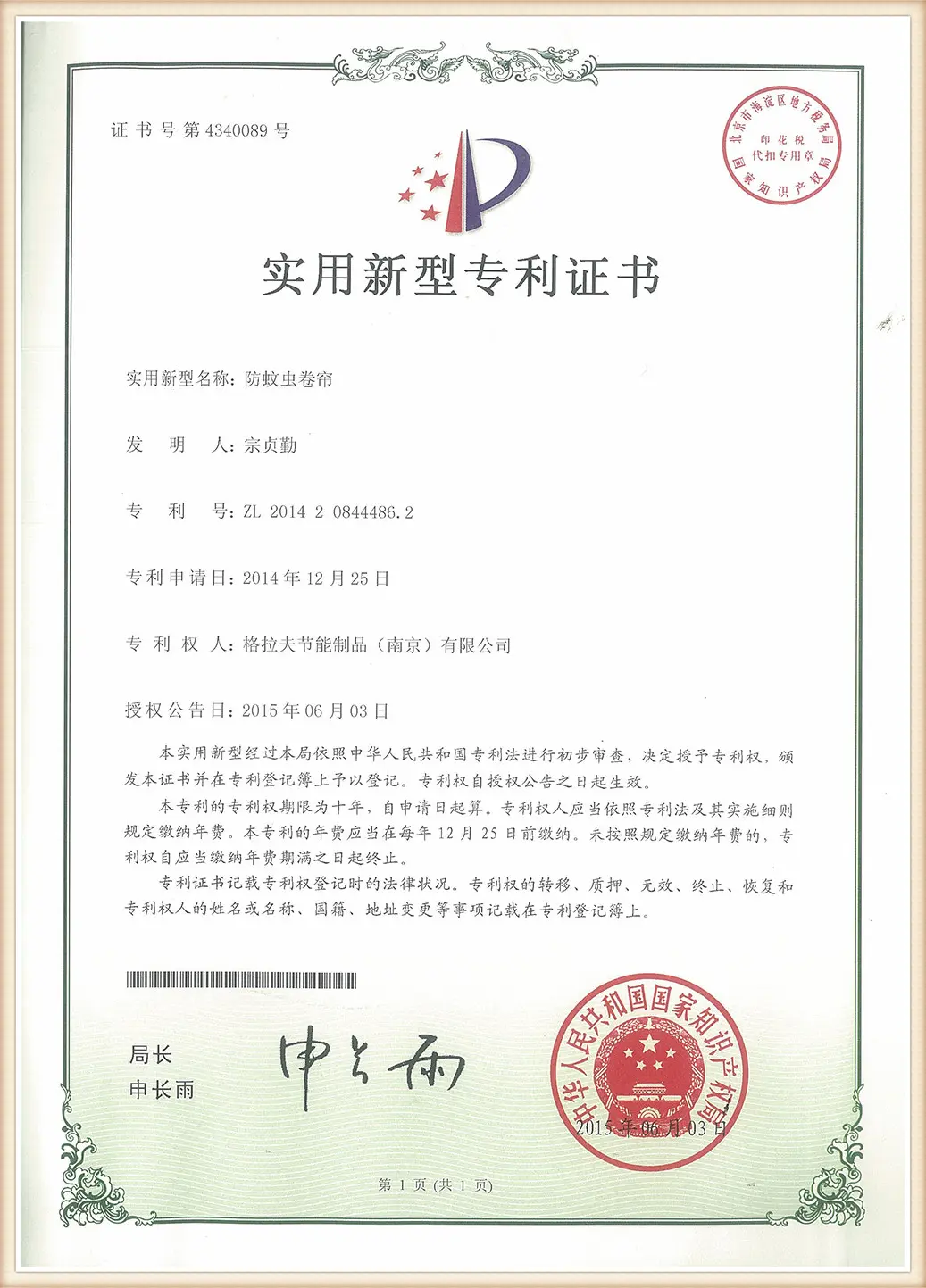
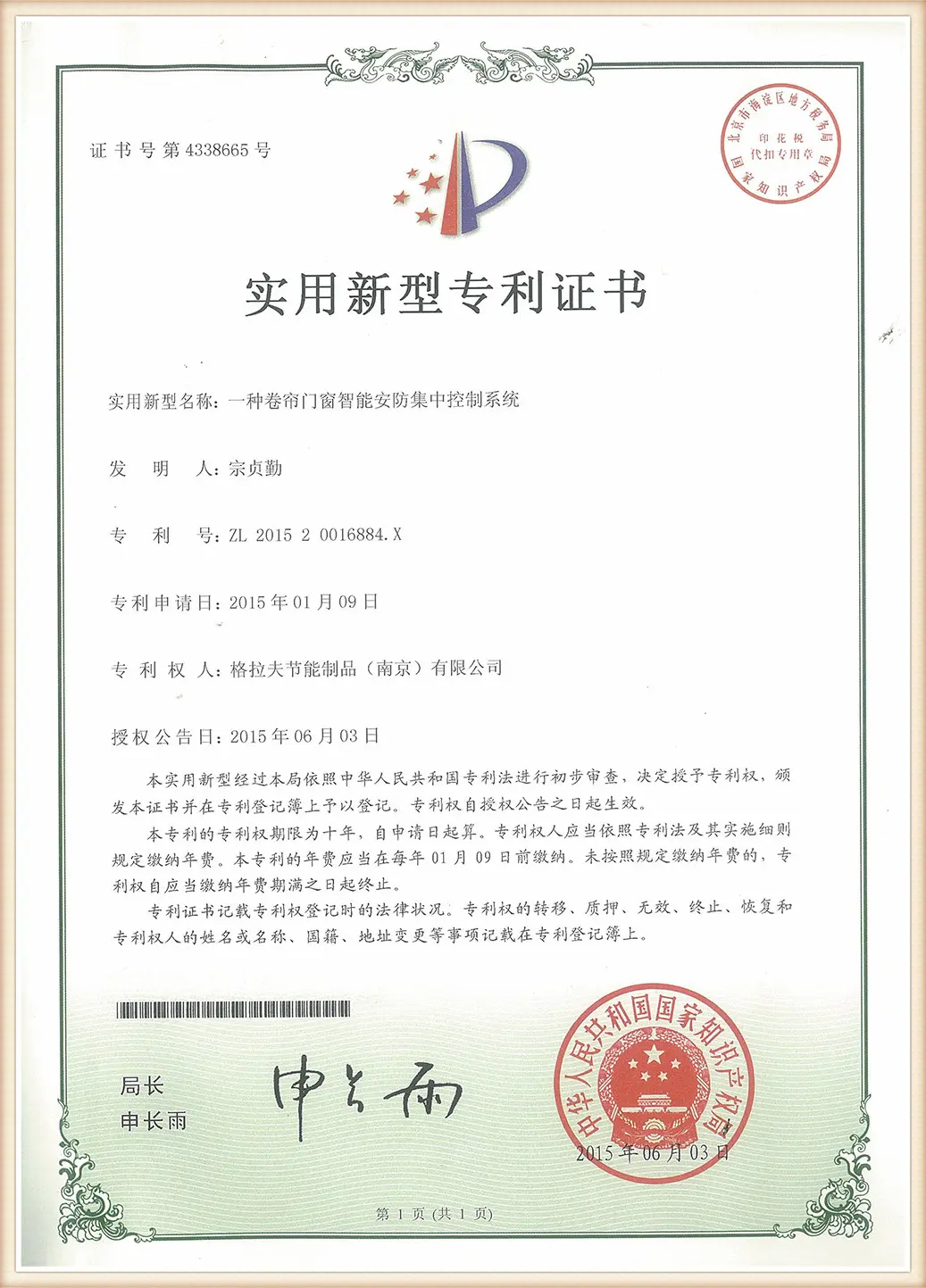
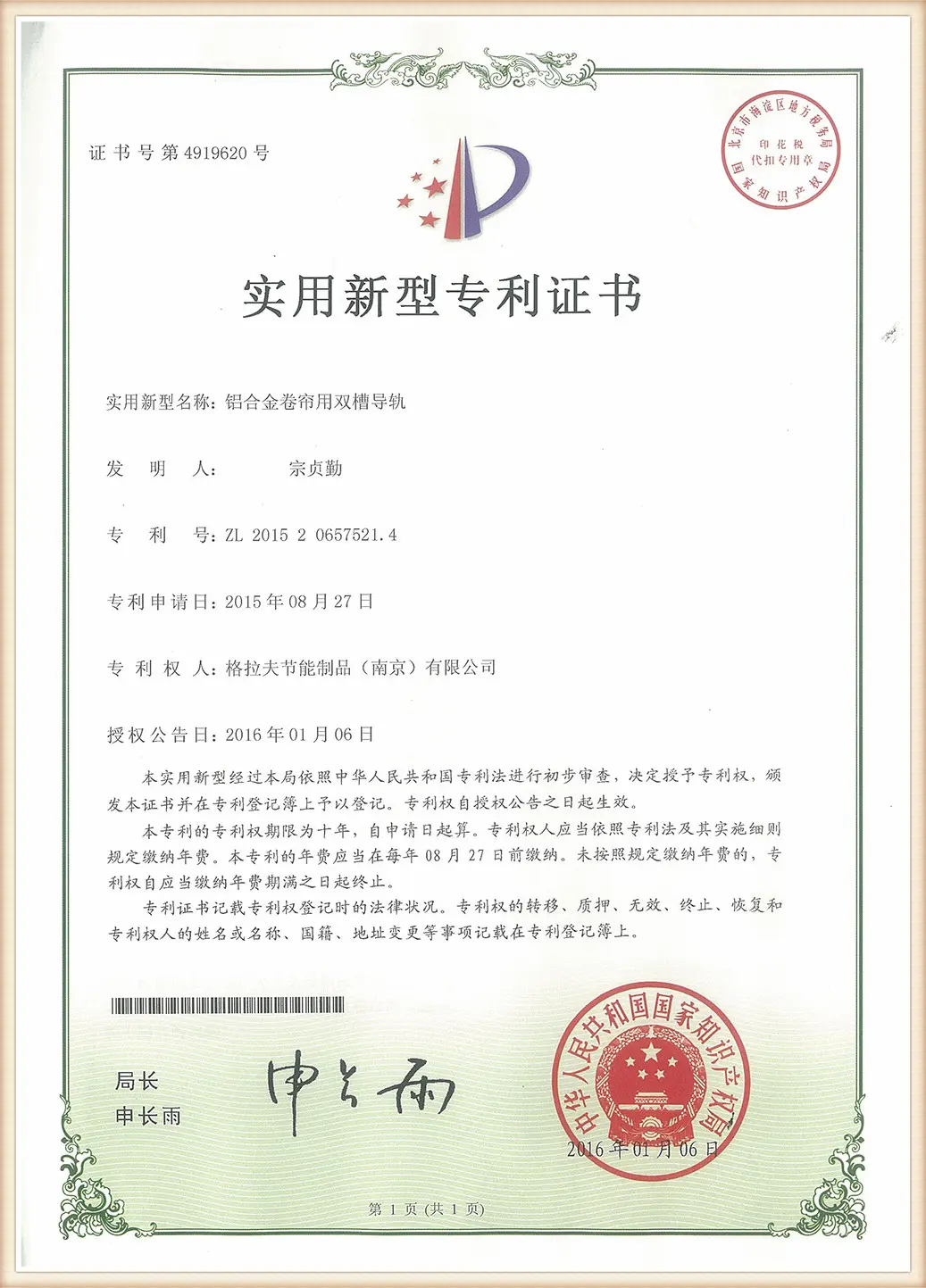
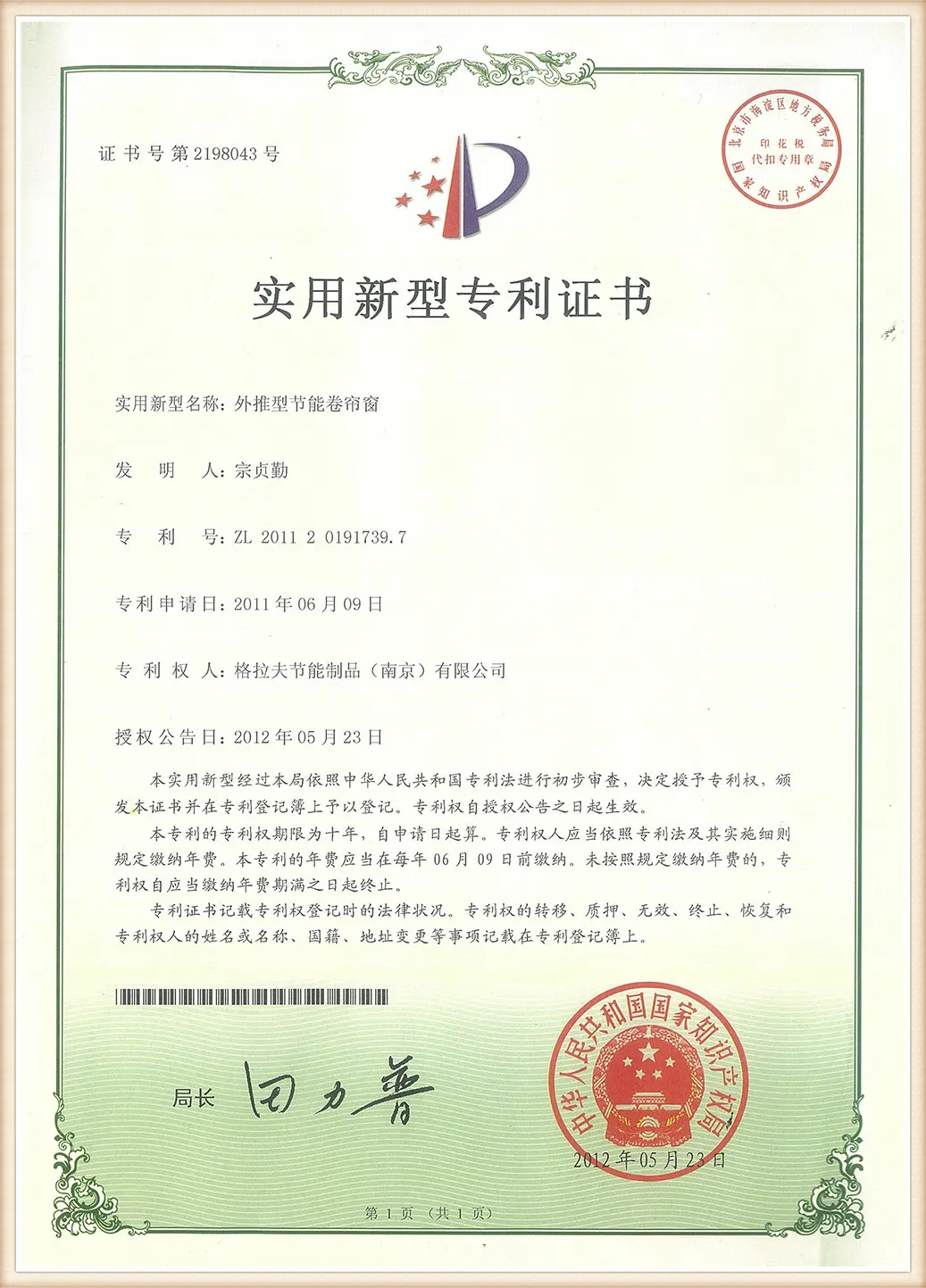
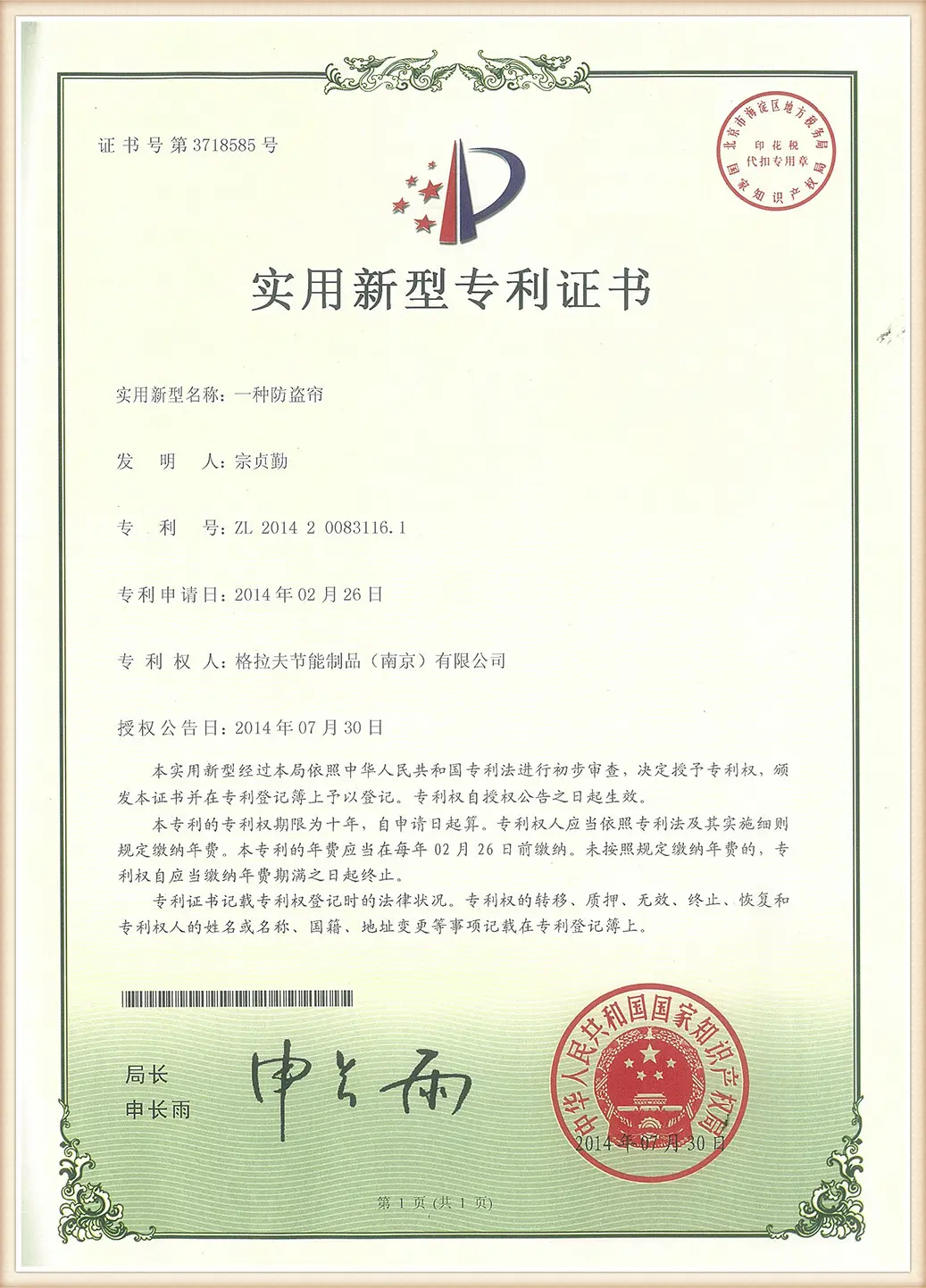
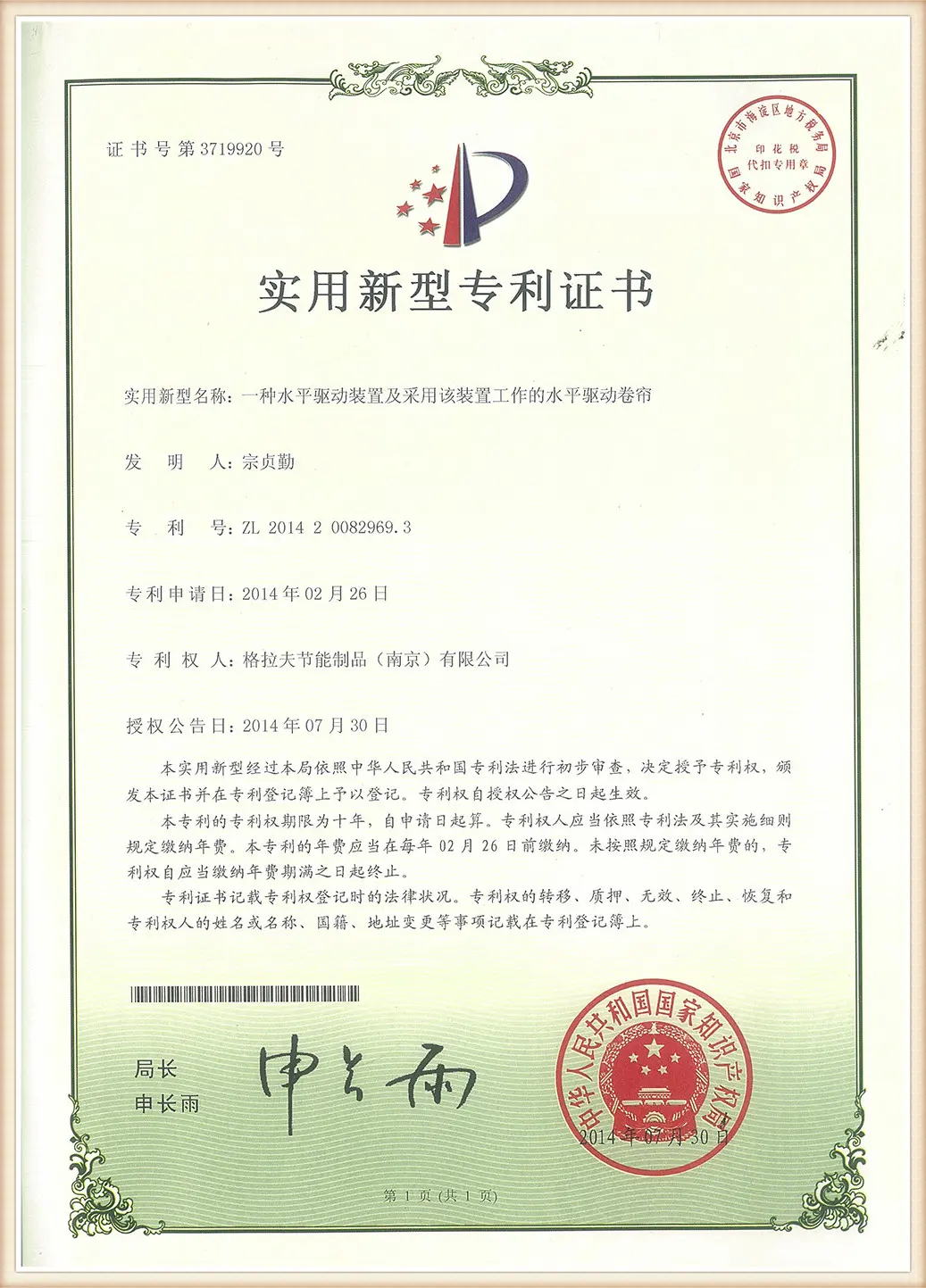
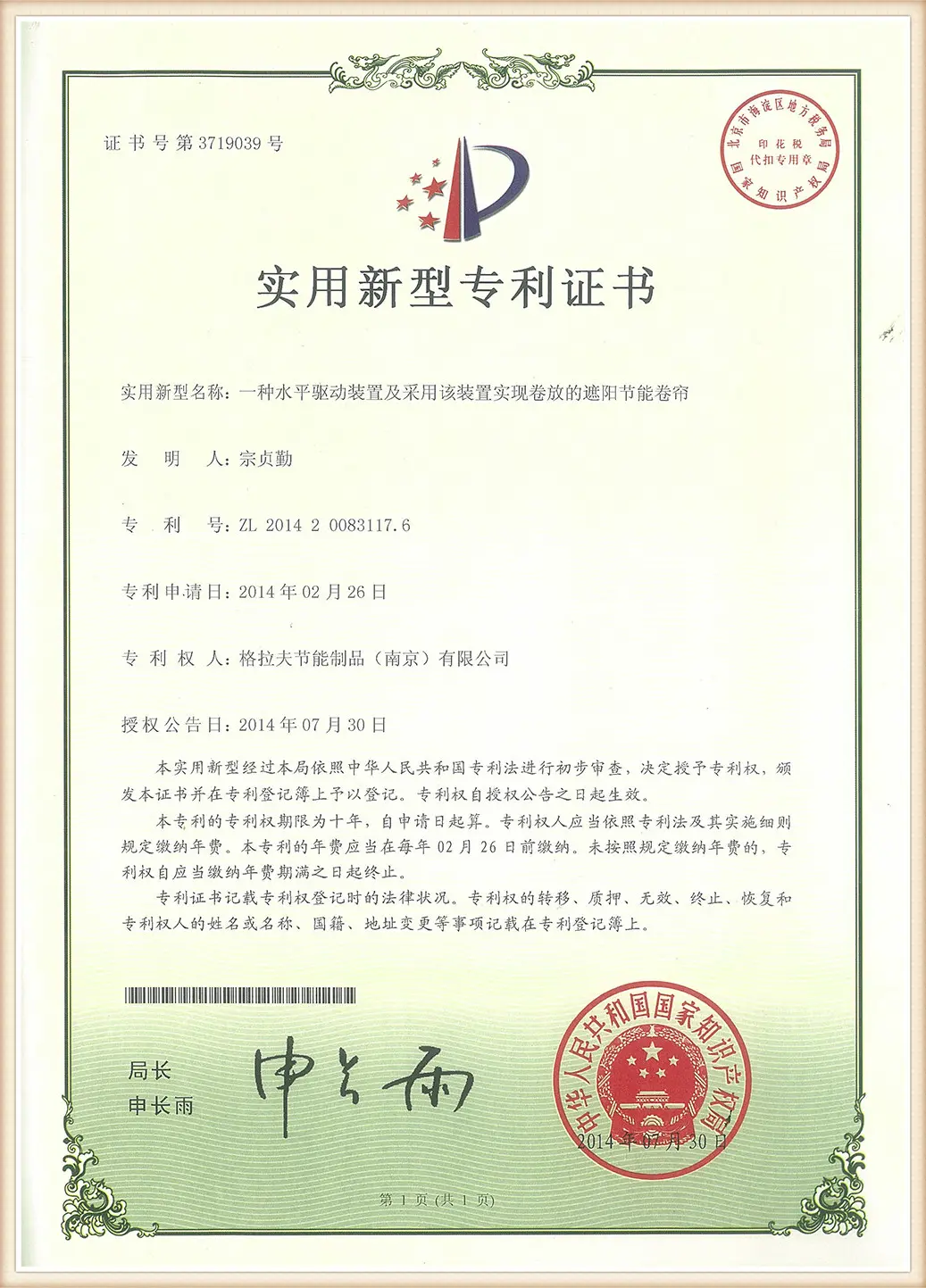
We maintain rigorous compliance standards to verify structural stability and material safety across international jurisdictions.
Answering the most critical engineering, manufacturing, and regulatory compliance questions for industry professionals.
Aluminum alloy 6063-T5 offers a superior strength-to-weight ratio and natural resistance to atmospheric corrosion. While structural steel requires continuous maintenance and anti-corrosion treatments to prevent rust, aluminum self-passivates by forming a micro-thin aluminum oxide layer. This layer prevents corrosion in high-salinity coastal areas. Additionally, aluminum's lower density reduces transportation costs and allows for easier hand-assembly on-site, minimizing the need for heavy machinery or crane rentals.
CE Certification indicates compliance with the European Construction Products Regulation (CPR) (EU) No 305/2011. Under harmonized standard EN 1090-1 and EN 1090-3, manufacturers must complete Factory Production Control (FPC) audits and structural calculation reviews. This guarantees that all structural columns, beam connections, and fasteners meet specified load-bearing calculations, design formulas, and fatigue properties. This ensures seamless building permit approvals across EU member states.
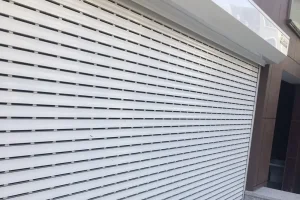
Our modular wall components and insulated garage doors use high-density polyurethane (PU) foam cores within aluminum profiles. This configuration achieves low thermal transmission values (U-value). When combined with our thermal-insulated roller shutters and double-glazed low-E glass panels, these systems minimize thermal bridging. This reduces heat gain in summer and retains warmth in winter, lowering heating and cooling energy usage.
Our modular frames are engineered to distribute lateral shear stresses evenly. Through Finite Element Analysis (FEA) testing under Eurocode 9 parameters, we design customized, heavy-duty connector brackets to secure the corners. The flexibility of extruded aluminum frames under seismic loads prevents brittle failures common in concrete structures, ensuring safety during high-wind events and low-frequency earthquakes.
Yes. Our in-house engineering team provides complete OEM/ODM support, adapting modular structural dimensions, frame thicknesses, and load-bearing structures to meet regional codes. We provide detailed structural drawing sets, mechanical test results, and material certification documents to support local engineering reviews and compliance processes.
Technical insights, regulatory updates, and architectural engineering trends across global markets.
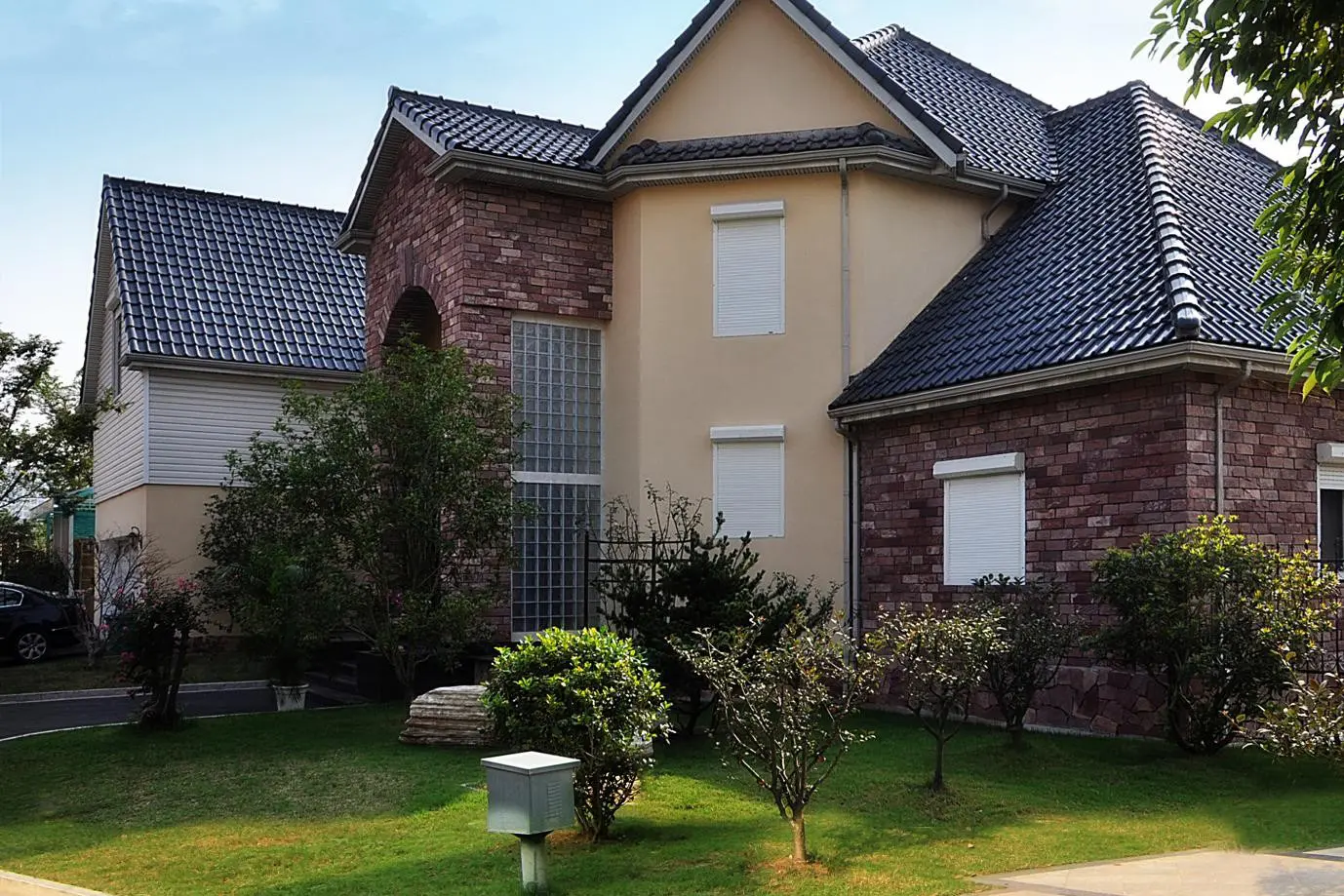
An in-depth review of thermal insulation, soundproofing parameters, and wind resistance class validations across coastal regions.
Read Whitepaper →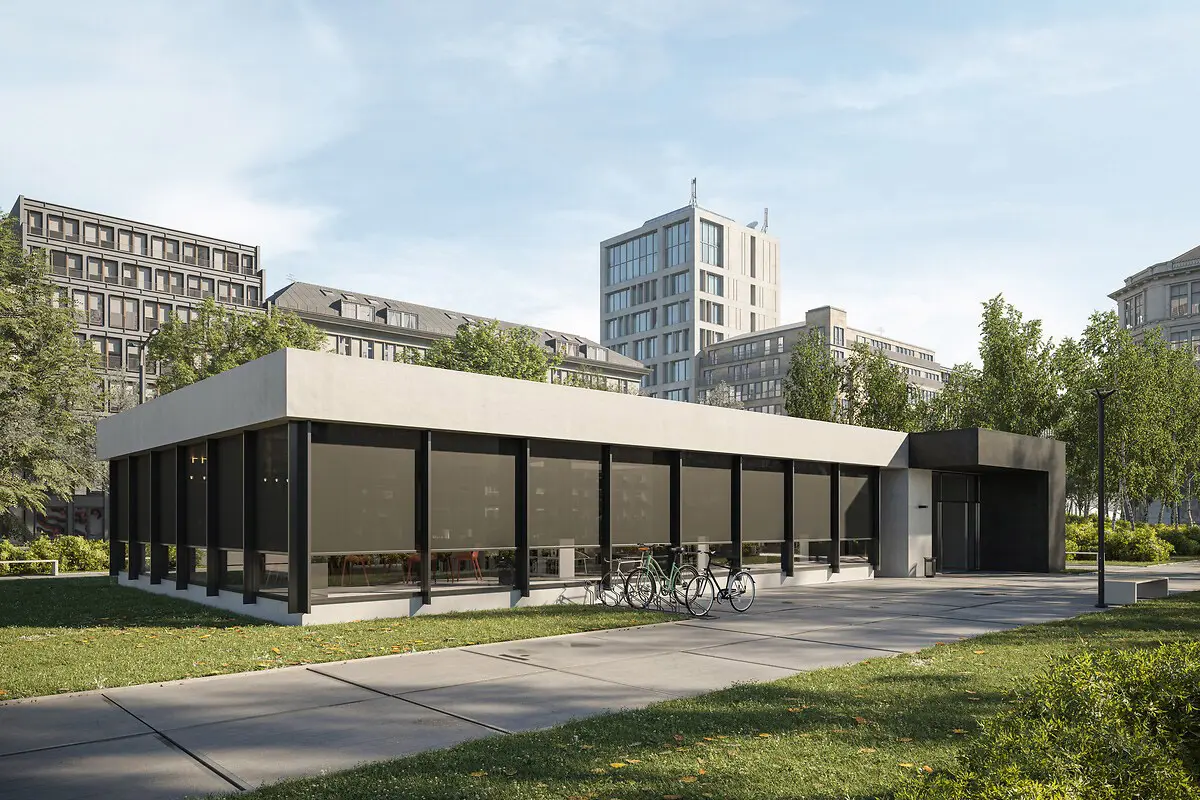
Analyzing solar heat gain coefficient (SHGC) reduction using automated external shading systems in LEED certified buildings.
Read Whitepaper →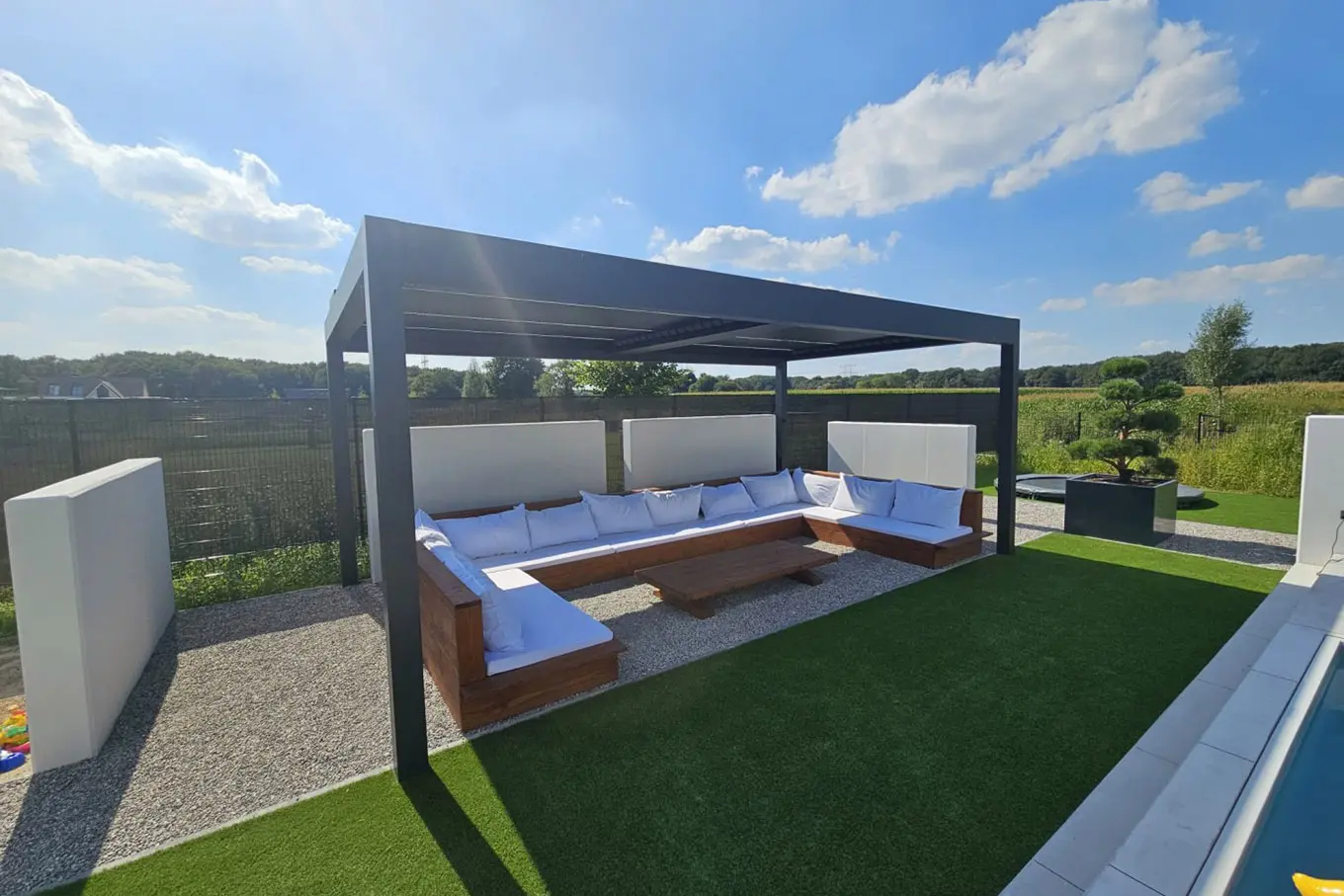
Investigating the integration of automated motorized rain sensors and bioclimatic roof louvers in contemporary residential projects.
Read Whitepaper →Pre-engineered components, automated thermal closures, and structural protection systems.
Connect with our structural engineering team. Submit your layout drawings and specifications for a detailed technical cost breakdown within 24 hours.
 GARRAF