Direct B2B supply chains for architects, contractors, wholesalers, and project managers seeking certified structural performance.
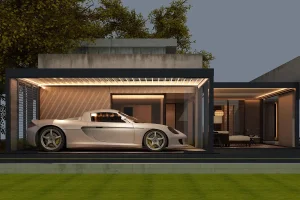
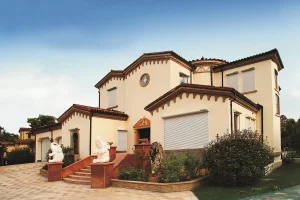
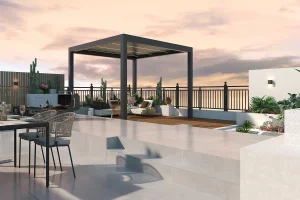
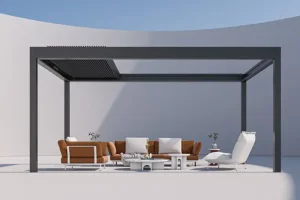
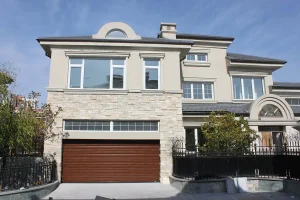
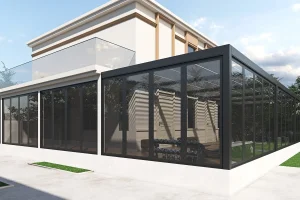
In modern bioclimatic architecture, controlling the microclimate of outdoor and semi-outdoor environments has shifted from a static approach to dynamic, responsive envelope control. As key elements in the construction of smart pergolas, sunrooms, and large commercial glass facades, CE Certified Motorised Zipscreen Blinds represent the cutting edge of external solar protection. This technical whitepaper delves into the engineering principles, standardizations, materials science, and global market distributions that shape the external motorized zipscreen industry today.
For B2B importers, architects, and high-end distributors, importing external motorised zipscreen blinds requires strict adherence to international safety metrics. Within the European Economic Area (EEA), zipscreen blinds must carry the CE Marking, certifying compliance with EN 13561 (External blinds and awnings - Performance requirements including safety). This structural specification covers resistance to wind loads, prevention of water accumulation, and mechanical endurance.
A true CE-compliant motorised zipscreen system must withstand Class 3 wind loads (up to 49 km/h) and often achieves Class 5 or 6 (up to 90 km/h or more depending on structure dimensions) when integrated with our patented side-channel zip-locking mechanisms. The certified control systems prevent the fabric from blowing out of the tracking channels, reducing mechanical stress on the motor and ensuring safety even during sudden wind gusts.
The durability of motorised zipscreen systems relies on two foundational elements: the structural aluminum framework and the woven screen fabric. As a premium manufacturer, our profiles are extruded from 6063-T5 high-tensile tempered aluminum alloy, finished with architectural-grade Qualicoat-certified powder coatings that offer marine-grade corrosion resistance. This is vital for coastal installations exposed to high salinity levels.
The screen fabrics utilize composite materials of fiberglass coated with PVC or high-tenacity polyester core yarns. These fabrics feature specific Openness Factors (OF) ranging from 1% to 10%, allowing custom configurations depending on the project's requirement for solar heat gain reduction (SHGC), natural light transmission, and visual transparency. The addition of flame-retardant polymers ensures full compliance with global fire safety standards (NFPA 701, B1, and M1 classifications).
Significantly reduces solar heat gain coefficient (SHGC) for commercial facades, lowering HVAC operating expenses by up to 30% in peak cooling seasons.
Welded zip profiles secured within self-lubricating PVC cushion guides prevent fabric blowouts and structure noise, certified under stringent EN 13561 wind tunnel tests.
Engineered to interface natively with RS485, KNX, Zigbee, and Somfy IO systems, adapting automatically based on sun, rain, and wind sensor feeds.
Supplying certified architectural shading products to commercial projects and high-end distributors worldwide.
In B2B purchasing, the value extends beyond the physical product. Global developers require reliable localized logistics, compliance certifications, and structural calculations to secure municipal permits. Our engineering office delivers comprehensive architectural documentation, structural analysis, and thermal calculation models to meet local standards.
Full CE documentation, DoP (Declaration of Performance), and adherence to the Construction Products Regulation (CPR). Complies with REACH environmental directives for fabrics.
Calculated wind load resistance up to local ASCE 7 parameters. Fabric flame resistance conforms to NFPA 701, with California Title 24 compliance options.
Designed to withstand intense UV indexes and high localized wind conditions. Certified to AS/NZS structural design actions for commercial installations.
The primary point of failure for standard outdoor blinds is fabric sagging and creasing under varying temperature loads. Our R&D team engineered the Dynamic Fabric Tension System (DFTS). Utilizing spring-compensated floating side guides, the screen adapts to thermal expansion of the aluminum frame, maintaining a clean, wrinkle-free appearance in temperatures from -20°C to +60°C.
We work directly with builders, facade contractors, and high-volume distributors to manufacture customized external motorised blinds. From headbox styles (square, round, or recessed) to customized RAL colors and custom fabric weaves, we provide tailormade engineering solutions. Standard production lead times run between 20 to 30 days, supported by door-to-door global logistics pipelines.
We welcome global clients to tour our automated production lines, testing centers, and warehouse facilities. Discover our manufacturing process from raw profile extrusion to automated textile cutting.
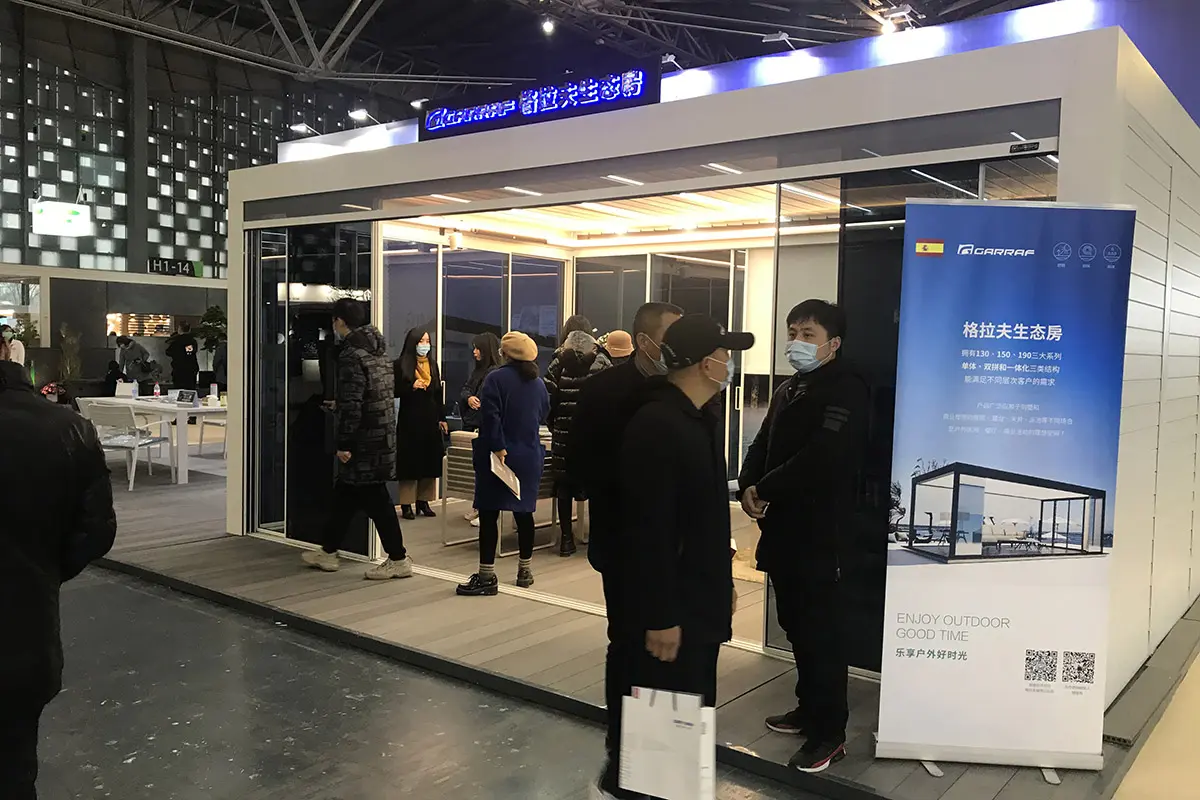
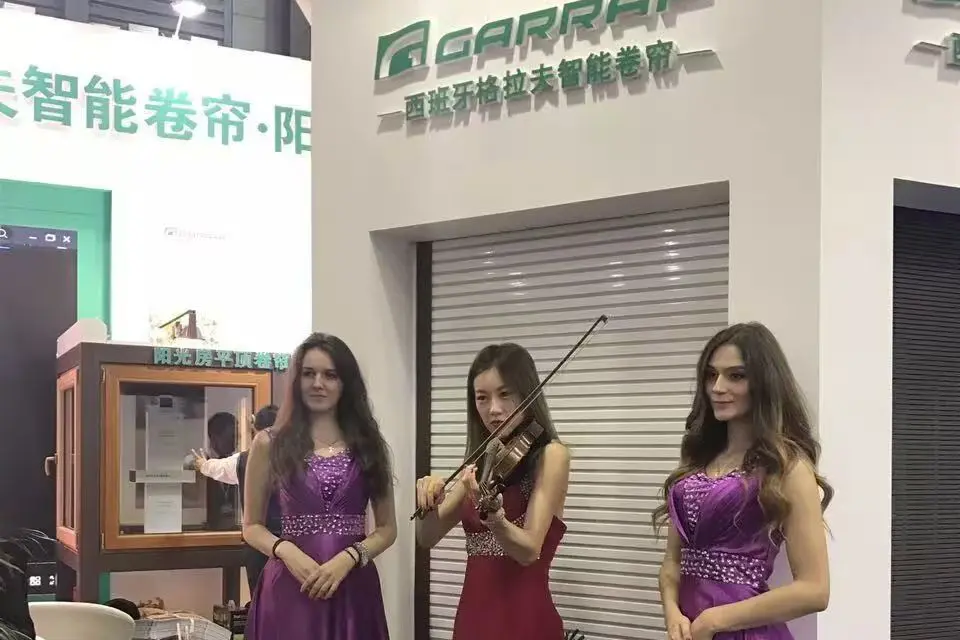
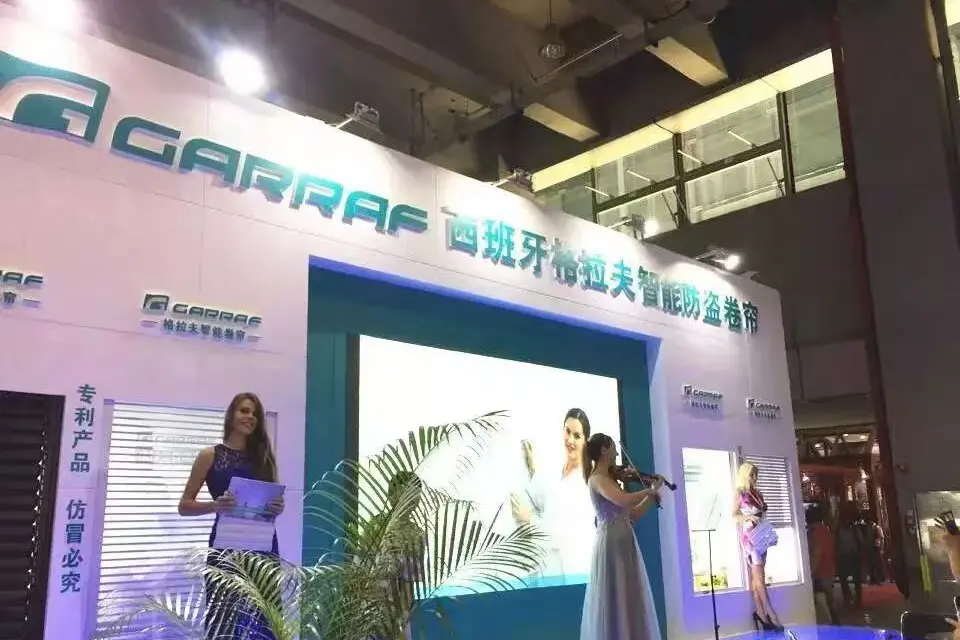
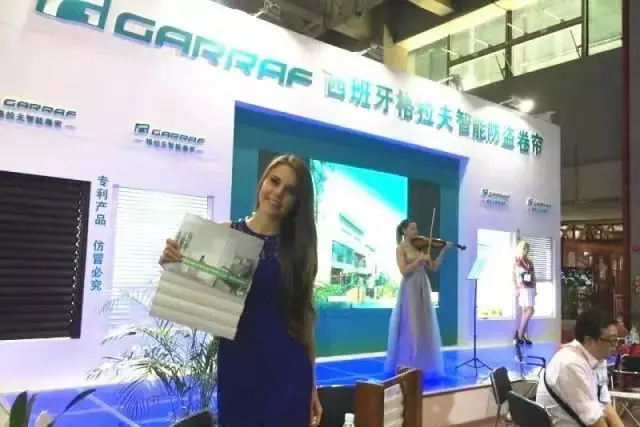
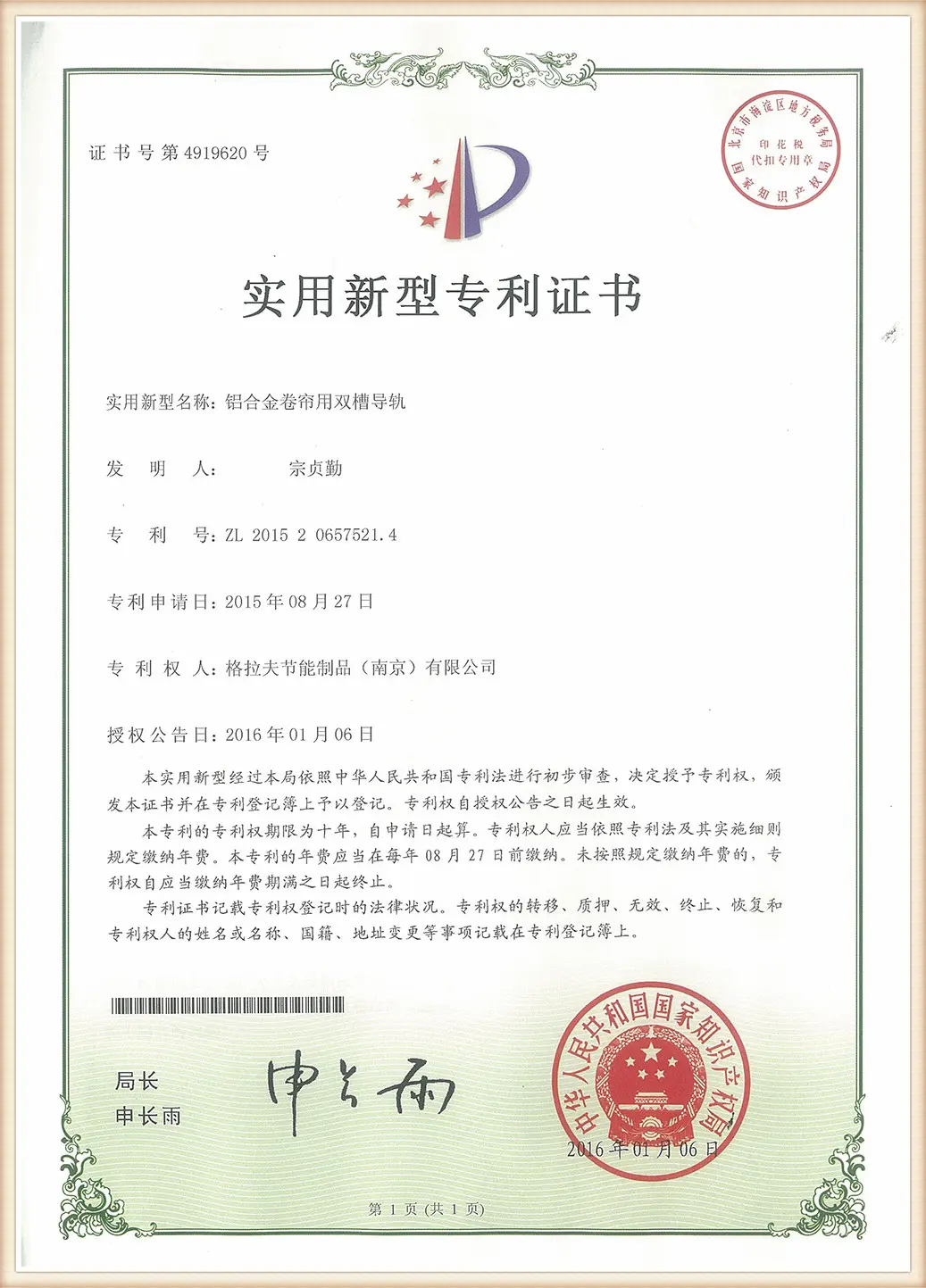
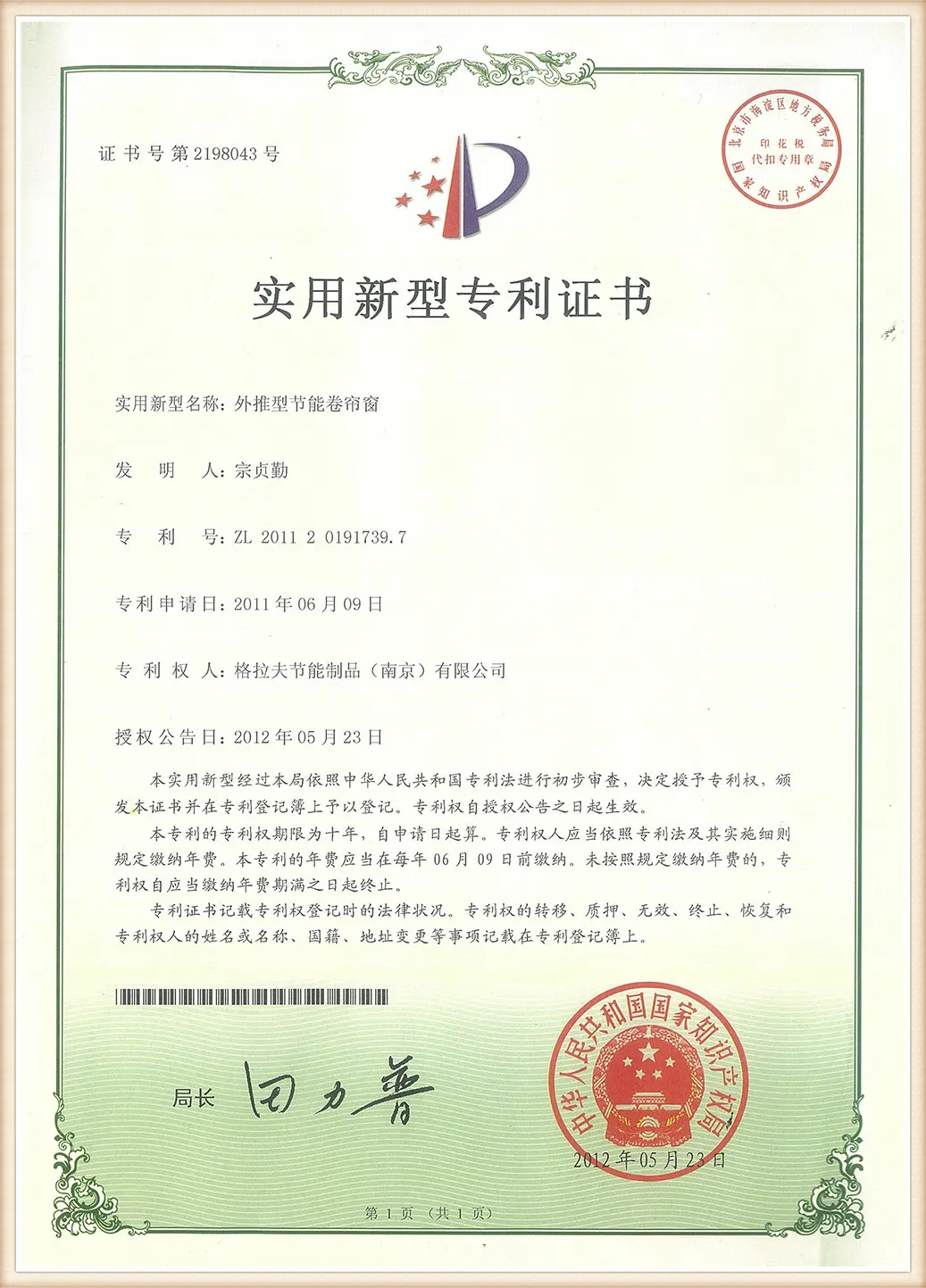
Our structures and production lines are verified against global ISO and CE standards to assure consistent material quality.
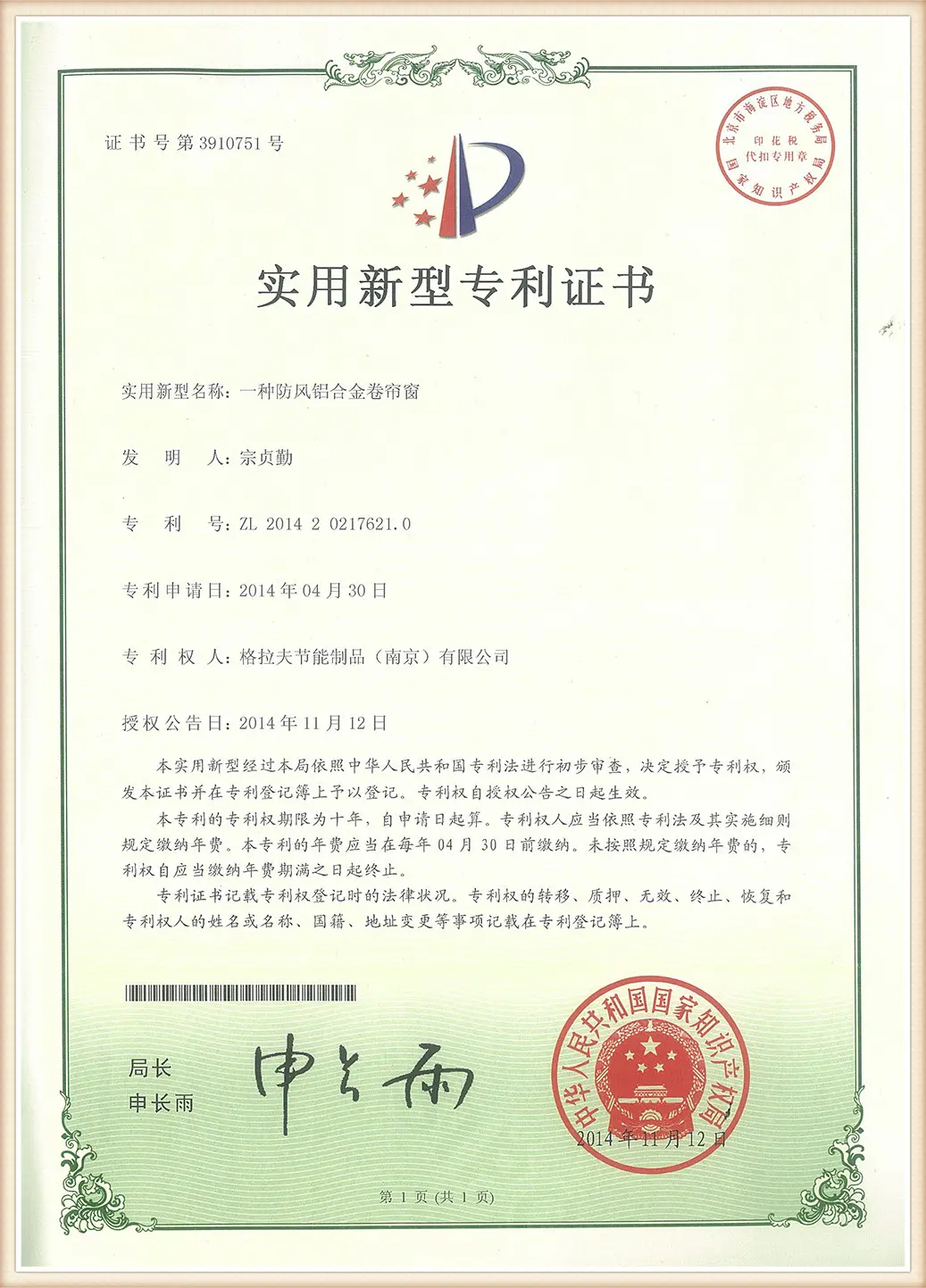
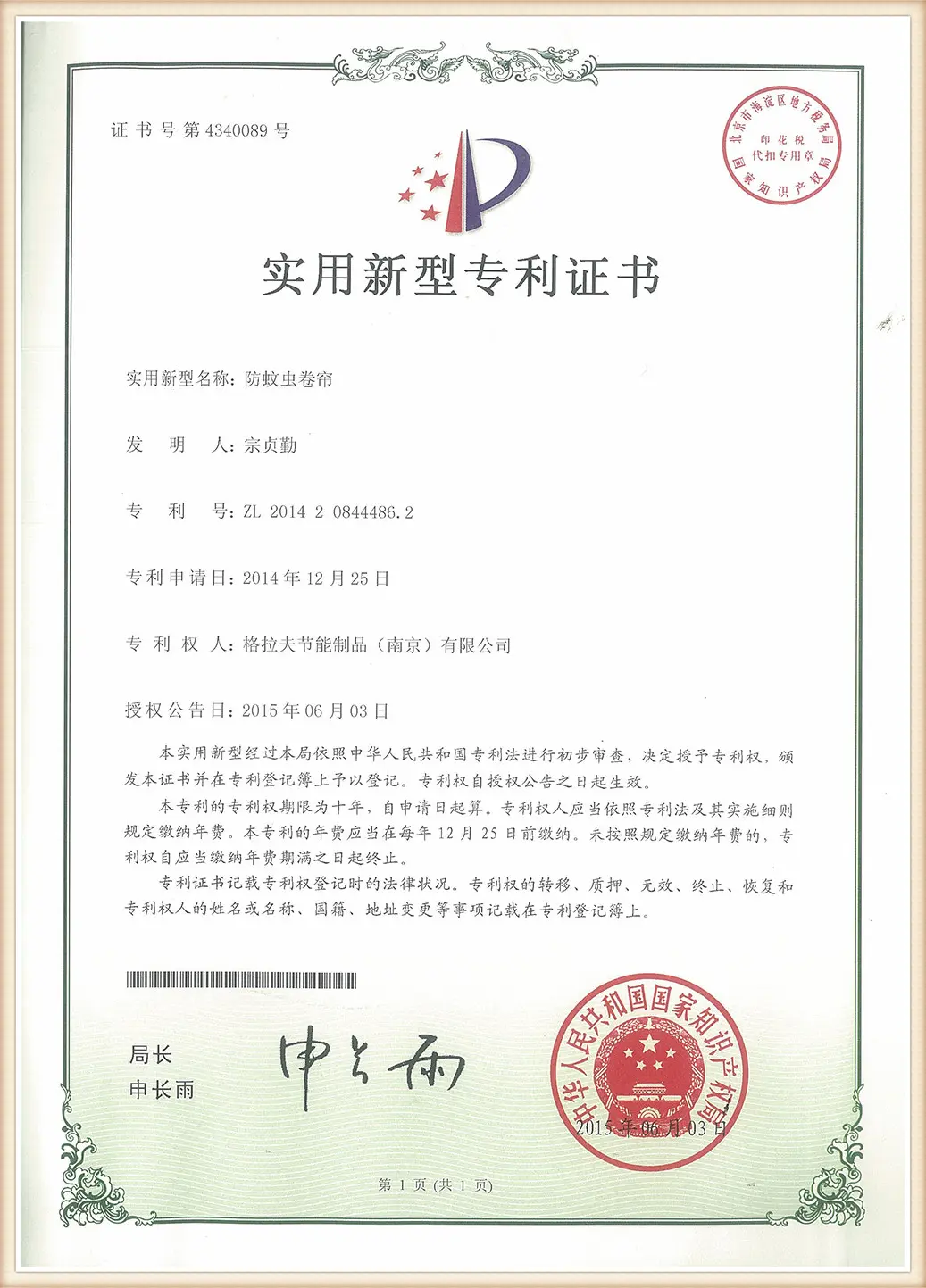
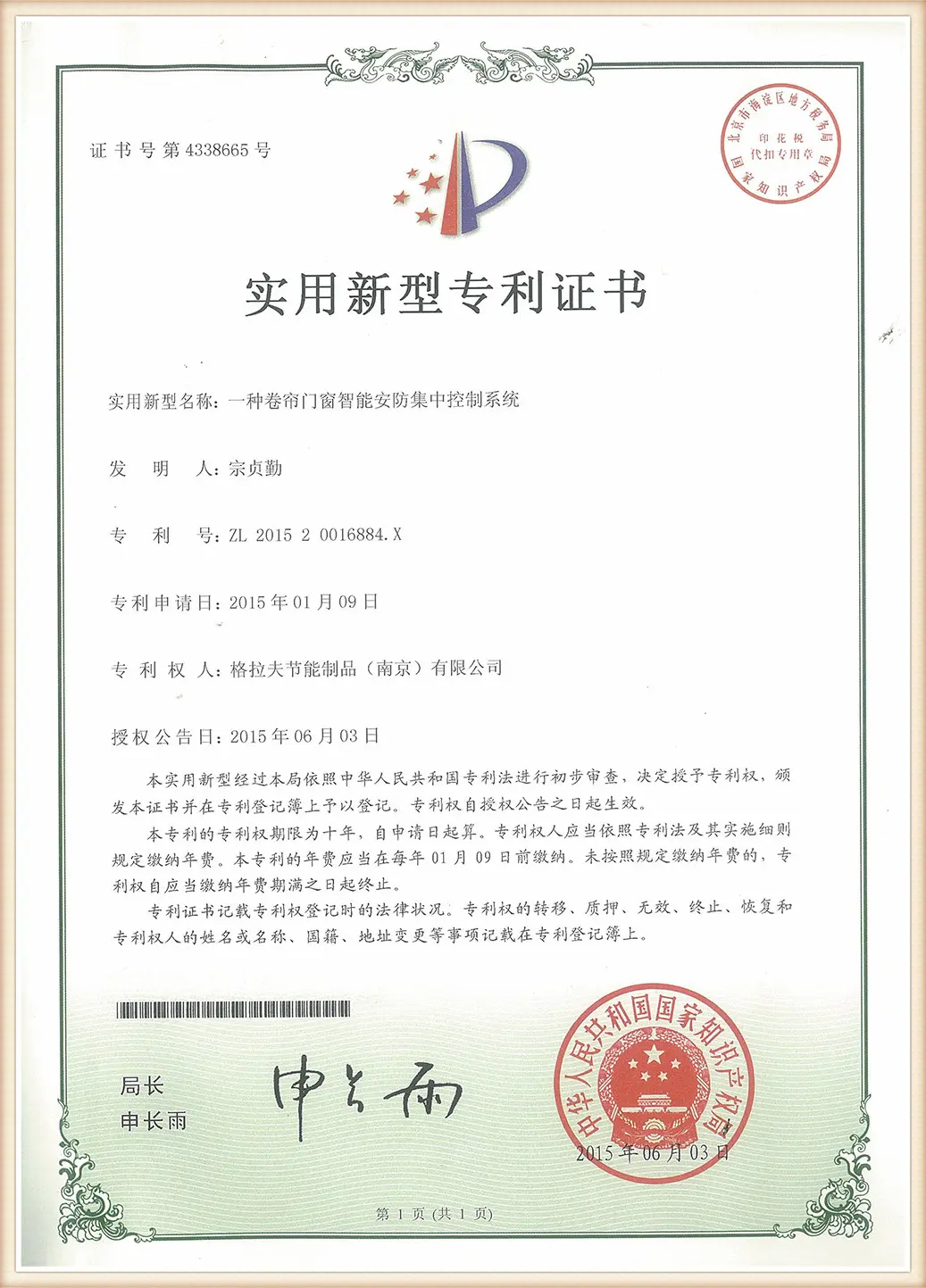

Expert answers addressing the technical aspects of installing and exporting motorized zipscreens.
As dynamic energy guidelines become mandatory in major real estate markets (such as Europe's Energy Performance of Buildings Directive - EPBD), building designers are shifting away from static architectural features. High-performance motorized zipscreens offer an active layer of thermal insulation. During winter, closed blinds act as an insulating air pocket, minimizing heat loss; in summer, they intercept heat radiation before it reaches the glazing, reducing solar heat gains significantly. This active regulation capability is why dynamic zipscreens are becoming standard elements in green building designs (LEED, BREEAM, and DGNB certifications).
Stay informed about global trends, technical specifications, and building regulation modifications.
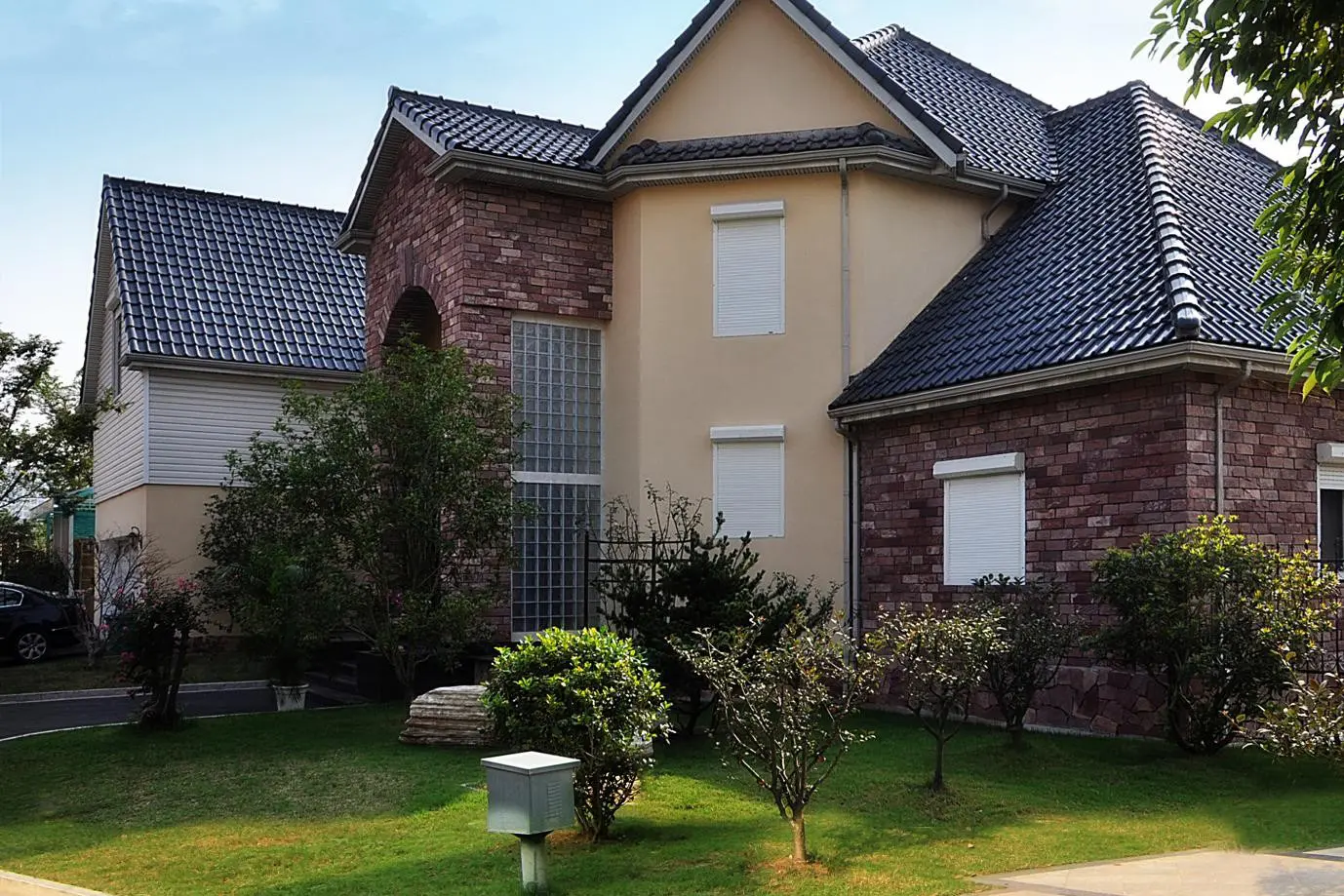 November 28, 2025
Exploring structural requirements and wind load mitigation strategies for rolling enclosures across coastal regions.
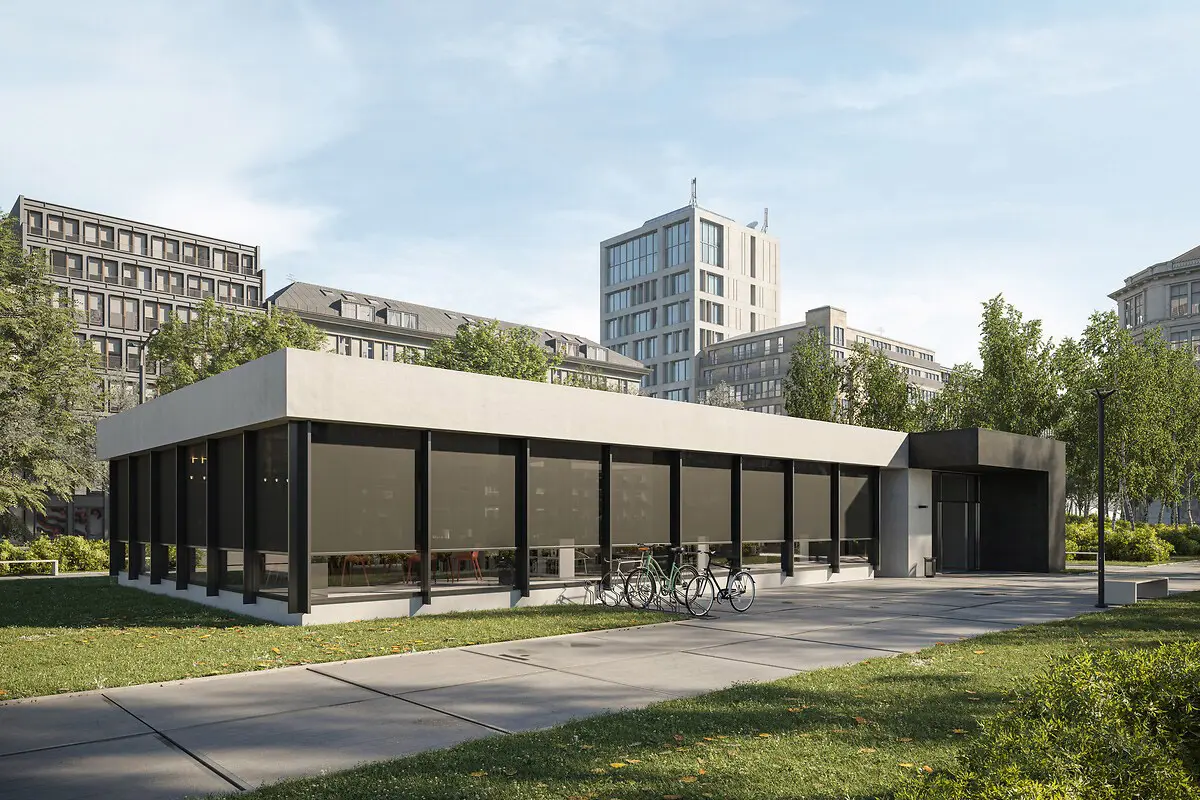 November 20, 2025
How modern energy savings guidelines are driving dynamic external shading integration on commercial glass facades.
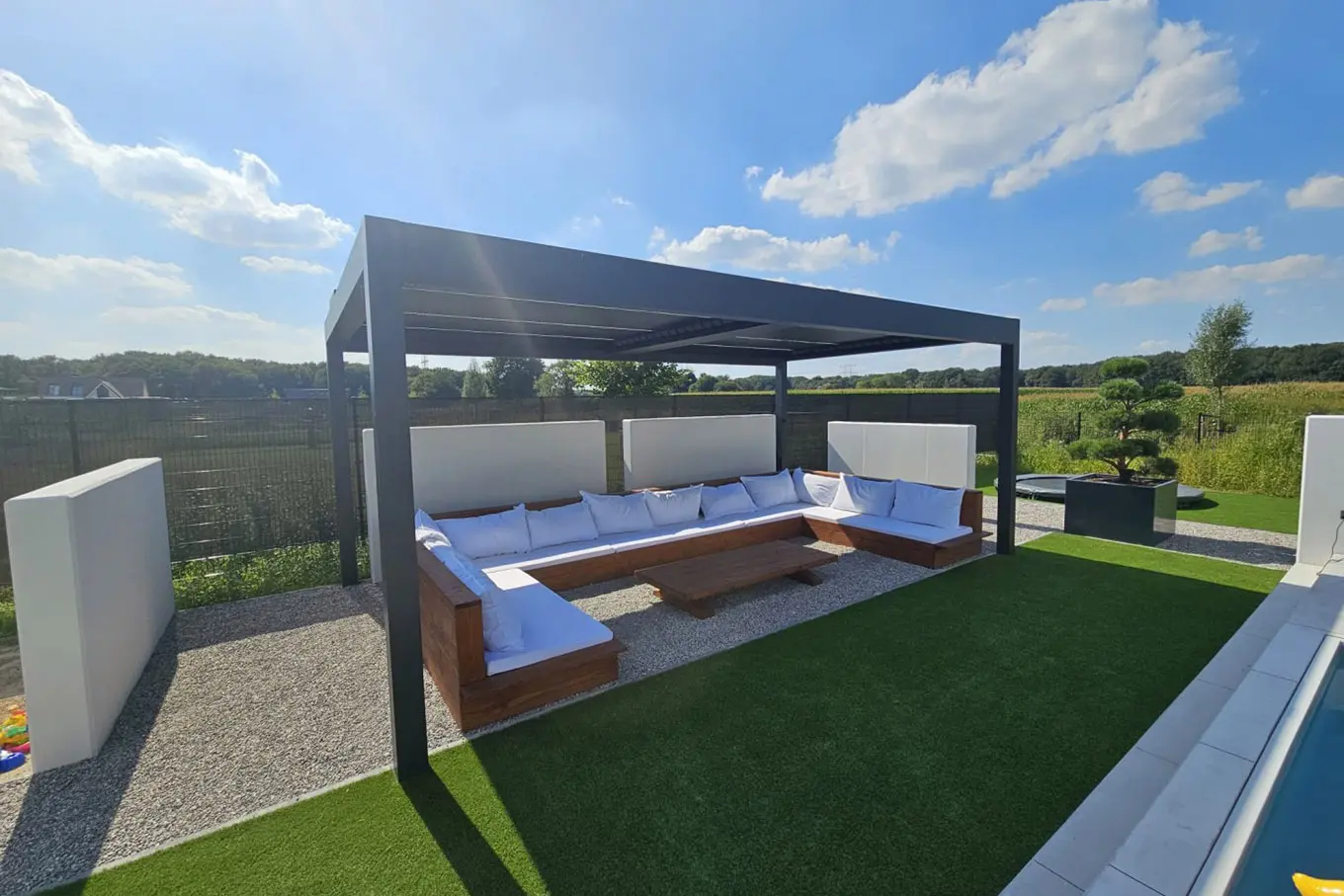 November 12, 2025
An in-depth review of bioclimatic architecture trends utilizing motorized louvered systems and wind defenses.
Integrate our certified aluminum systems into your commercial portfolio or premium distribution channels.
Get in touch with our technical sales division to get specialized pricing, CAD drawing support, and certification documents for your projects.
 GARRAF