Engineered for global construction standards, catering to contractors, architects, and volume importers.
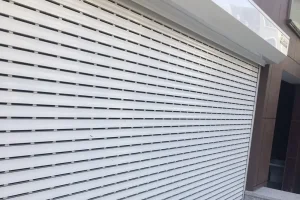
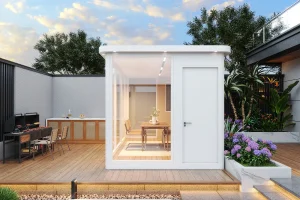
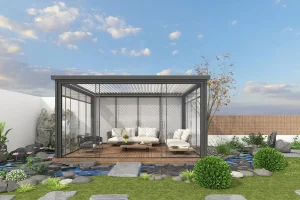
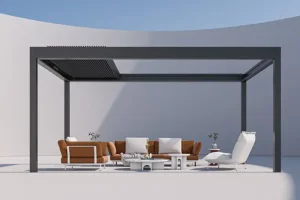
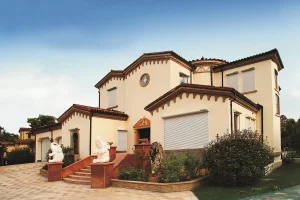
In contemporary commercial and high-end residential architecture, the integration of bioclimatic systems is no longer a luxury but an energy-efficiency and space-maximizing mandate. The 10x20 aluminum pergola has emerged as the definitive benchmark dimension globally, bridging structural versatility with cost efficiency. For professional procurement teams, developers, and distributors, understanding the technical specifications, structural testing regimes, and logistics behind CE-marked structures is critical. This whitepaper analyzes the engineering standards, China's supply chain advantages, compliance parameters, and localization processes governing the import and deployment of structural aluminum shading systems.
To realize optimal ROI on architectural builds, builders and importers must prioritize E-E-A-T (Experience, Expertise, Authoritativeness, and Trustworthiness) certified manufacturers who operate dedicated testing protocols, hold verified ISO certifications, and adhere strictly to international building codes.
CE Certification is not merely a European customs requirement; it is a rigorous verification of structural load safety, electrical safety, and wind resistance properties. Under **EN 13561** (External blinds and awnings - Performance requirements including safety), architectural structures like bioclimatic louvered roof systems must endure specified wind-tunnel loads without permanent deformation or failure.
For a standard 10x20 footprint (approx. 3m x 6m), the wind-load parameters are particularly demanding. Because the span of a 20ft support girder is substantial, improper architectural engineering can lead to intermediate beam sagging. A certified factory conducts rigorous finite element analysis (FEA) to verify that the 6063-T5 aluminum alloy extrusion profile maintains a minimum wall thickness of 2.0mm to 3.0mm at key structural stress zones. The CE marking verifies that the entire assembly—including integrated tubular motors, wireless controllers, LED systems, and mechanical gears—conforms to low-voltage and machinery directive standards (Directive 2006/42/EC and 2014/35/EU).
Global architectural installations require adherence to local building codes. In the European Union, EN 13561 Class 6 represents resistance to winds up to 100 km/h. In the United States, installations must align with ASCE 7-16 wind load calculations, while Australia demands conformance to AS/NZS 1170 structural design requirements.
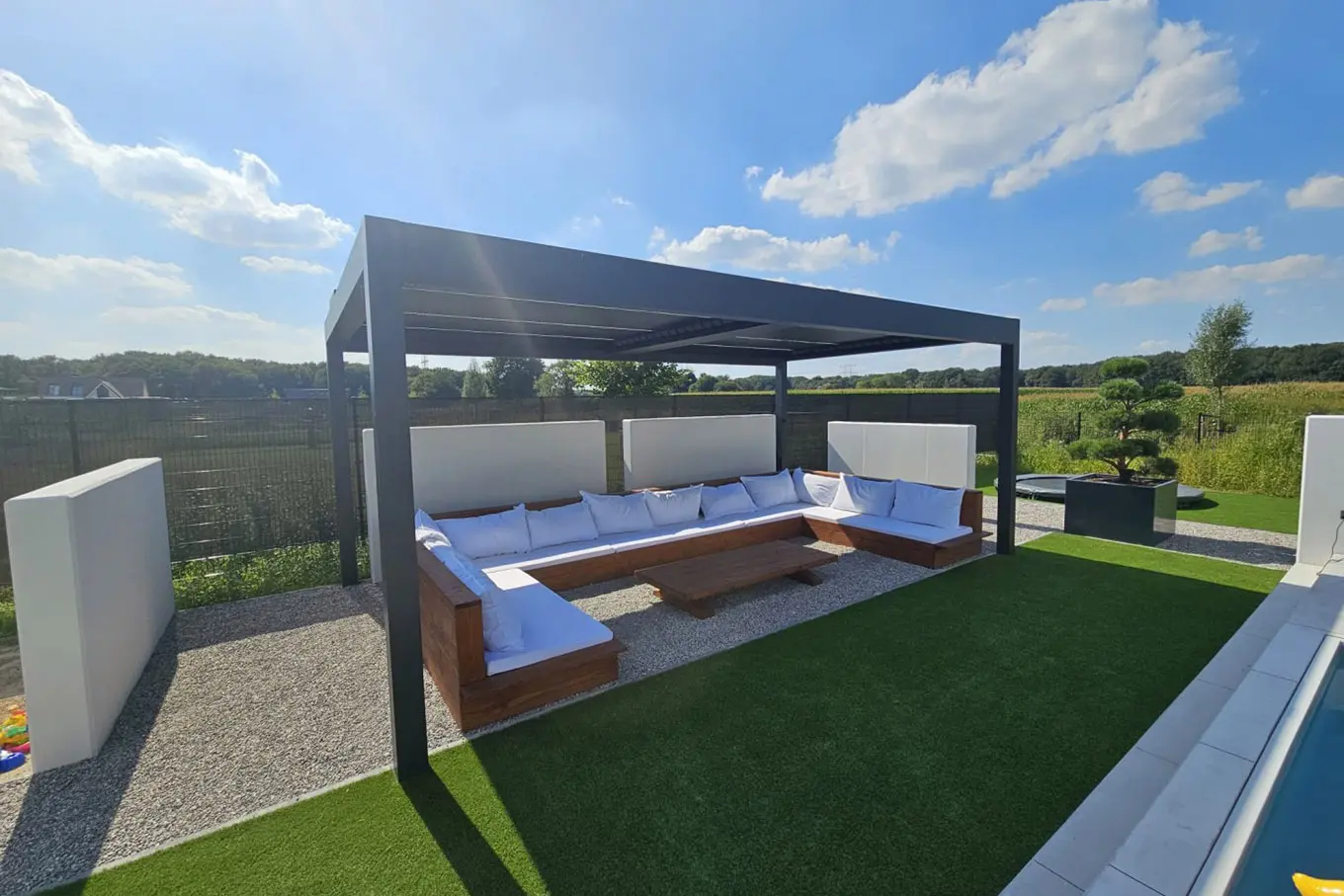
Why has the 10x20 footprint (3m x 6m) become the global industry baseline? From an architectural standpoint, this format represents the ideal aspect ratio for zoning space. It offers 200 square feet of usable shaded area, which is precisely the footprint required to accommodate an 8-person outdoor dining table, a complete patio lounge layout, or a high-traffic hotel poolside pavilion. Furthermore, a 10x20 module fits optimally into standard shipping container configurations (40ft HQ), minimizing shipping breakage and maximizing volumetric cargo utilization—a massive driver in commercial logistics calculation.
Sourcing from leading Chinese factories provides distinct competitive advantages driven by vertical integration. The primary advantage is the direct access to high-grade, primary aluminum ingot production and localized extrusion facilities. The mechanical performance of our pergolas is anchored by 6063-T5 aluminum alloy. Compared to secondary or recycled scrap aluminum, primary 6063-T5 delivers exceptional tensile strength, corrosion resistance, and surface finish consistency. This is essential for applying Qualicoat Class 2 architectural powder coatings, which must endure 10+ years of high-UV and coastal salt-spray exposure without chalking or peeling.
Advanced Chinese suppliers deploy fully automated production lines, incorporating CNC cutting and routing machines, robotic welding arrays, and custom packing lines. This scale ensures that structural tolerances are kept below 0.5mm, which guarantees that once the prefabricated components reach the construction site in Europe, Australia, or North America, the installation goes together without on-site cutting or welding, saving builders up to 40% in local labor costs.
Direct extrusion profiles of 6063-T5 aluminum, featuring internal ribbing to withstand maximum shear loads during high winds.
Multi-stage chemical pre-treatment followed by electrostatic powder deposition, curing at 200°C for lifetime UV protection.
On-site R&D engineering allowing structural customization, custom extrusion dies, and integrated smart control systems.
A key hurdle in international B2B sourcing is local regulatory compliance. A premium manufacturer does not merely sell profiles; they provide localization design verification. This means supplying comprehensive static engineering calculations that satisfy localized civil building codes. For instance, in seismic zones or coastal areas prone to typhoons and hurricanes (such as Florida or the Caribbean), pergola structures must be calculated for wind uplift and shear. Factories offering genuine E-E-A-T credentials provide detailed anchor plate calculations, concrete pad foundation requirements, and shear wall drawings to satisfy local structural engineers.
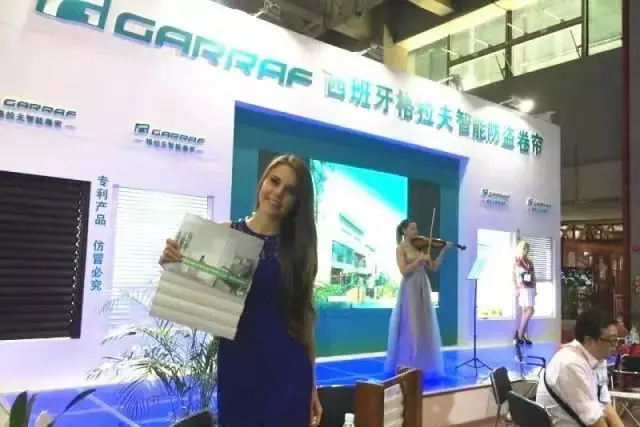
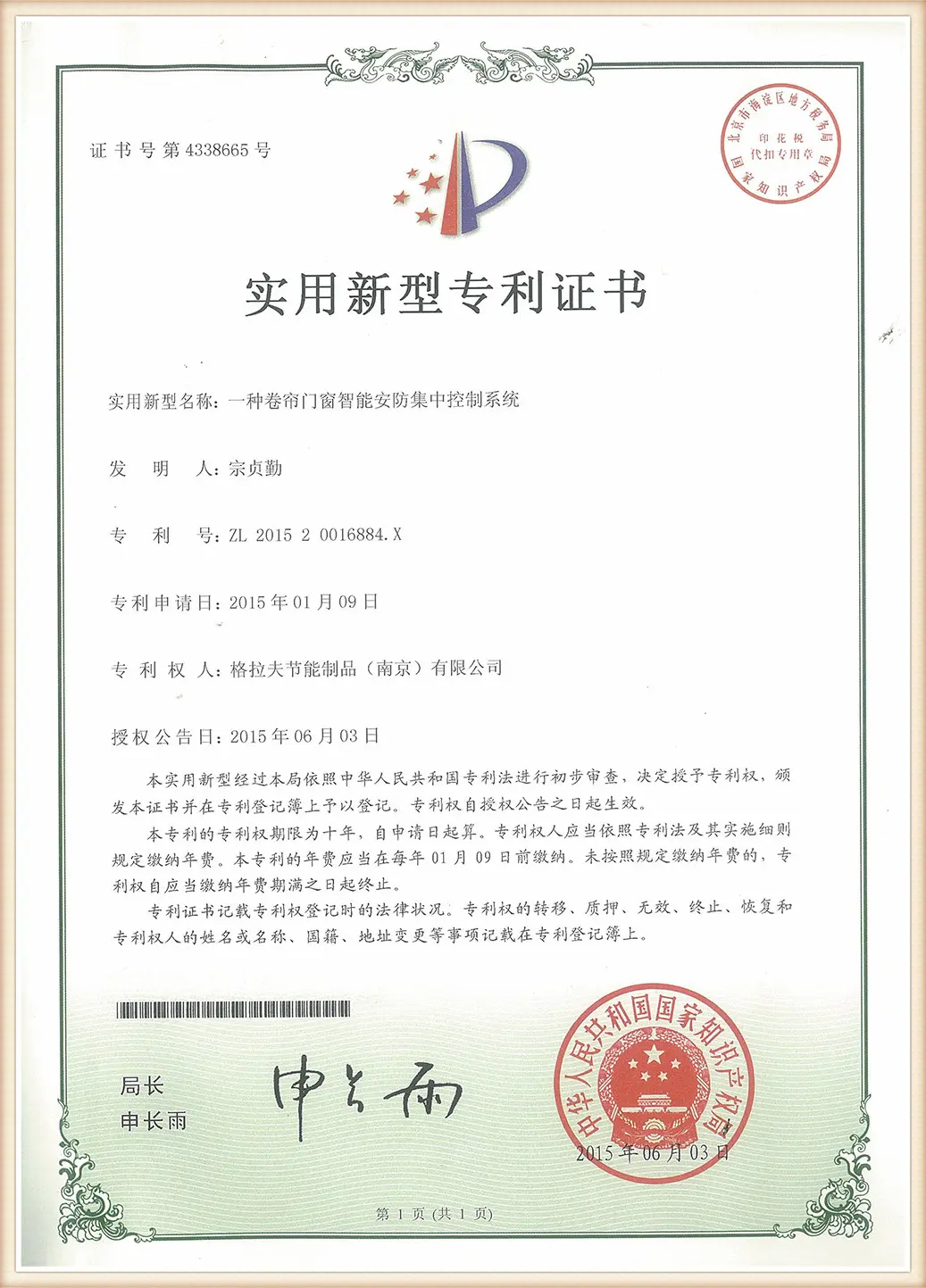
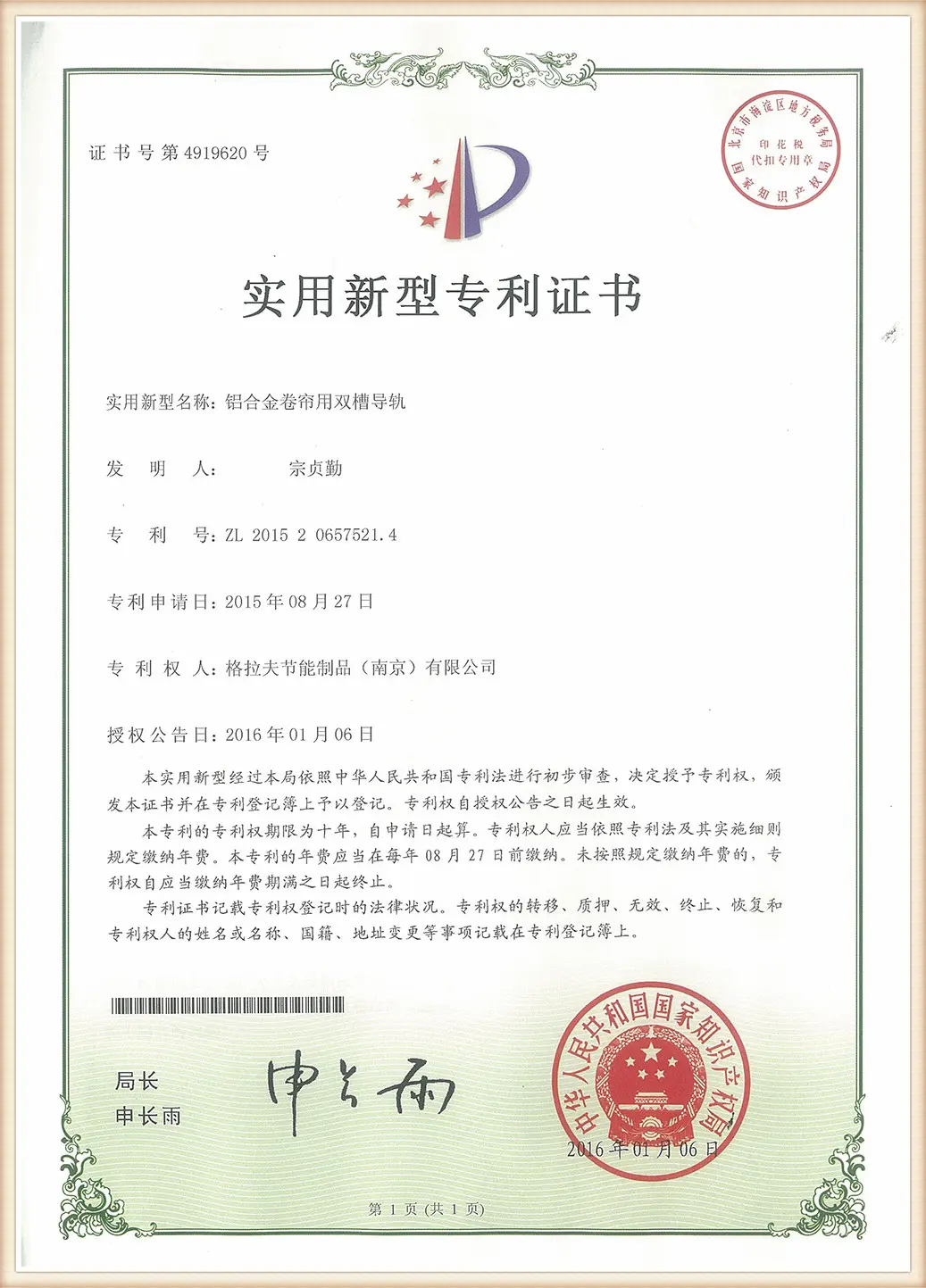
Building trust requires transparency. Clients routinely inspect our 20,000+ SQM production facilities and test setups. From the primary extrusion process to hydraulic wind-load testing rigs, we welcome third-party engineering audits to assure compliance before shipping.
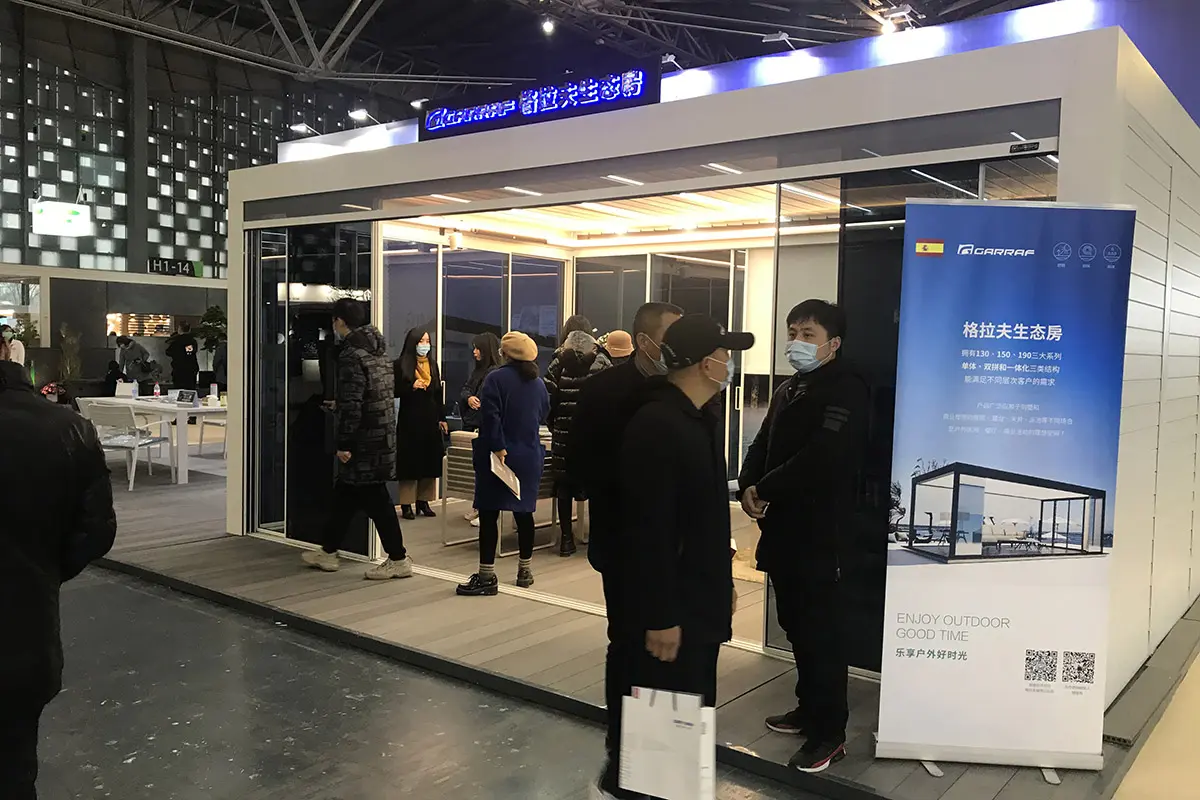
Enterprise buyers expect a plug-and-play assembly system with smart home ecosystem integrations. Advanced 10x20 bioclimatic installations utilize motorized louvers managed via Somfy or proprietary smart drivers, compatible with dry-contact automation setups, Zigbee, Z-Wave, or direct voice control (Amazon Alexa, Google Assistant). Additional customizable subsystems include:
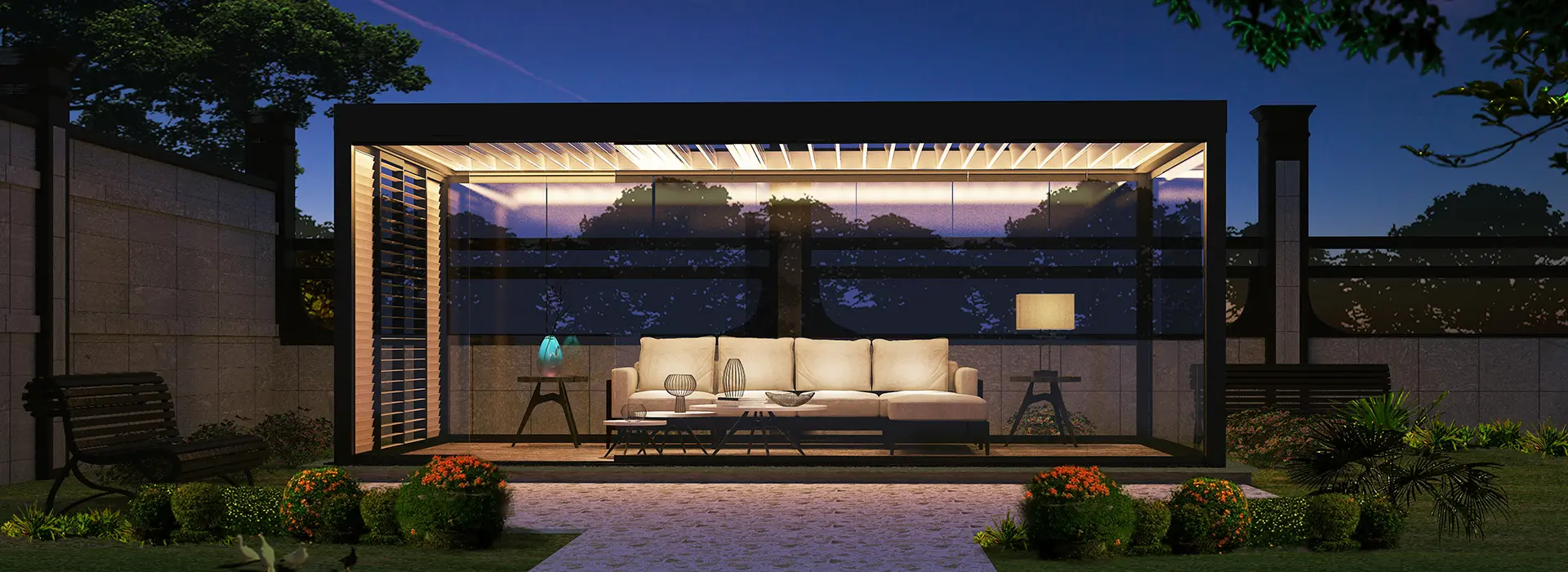
The outdoor shading industry is rapidly moving toward active climate moderation systems. Key advancements include photovoltaic (PV) solar louvers that generate green energy while providing shade, structural thermal breaks that minimize cold bridging when attached to building envelopes, and intelligent weather-sensing arrays. These arrays automatically adjust louver angles based on sun positioning (solar tracking), drop-down screen settings during heavy side-winds, and automatically open louver slats in sub-freezing temperatures to prevent structural damage from heavy snow loads.
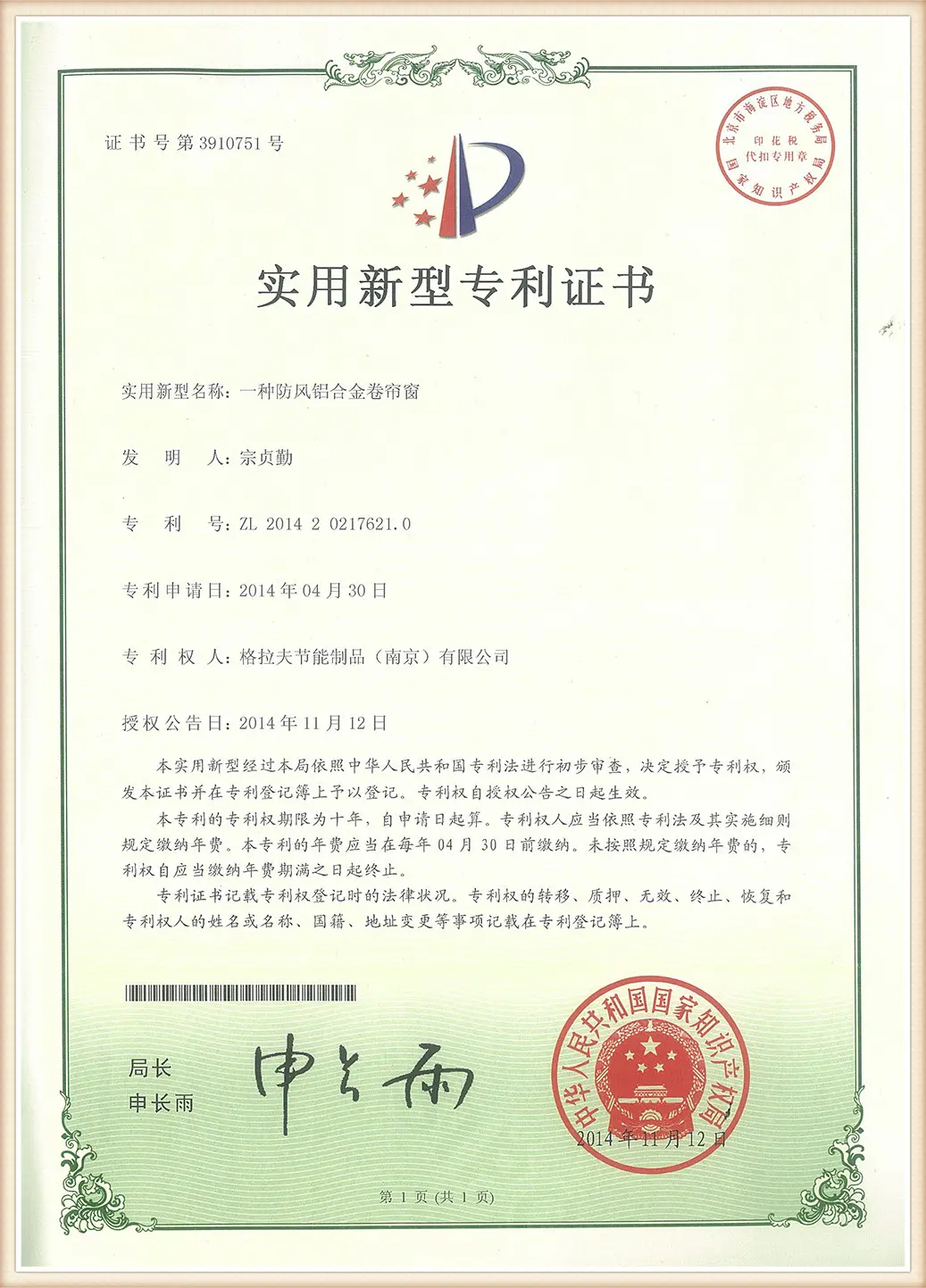
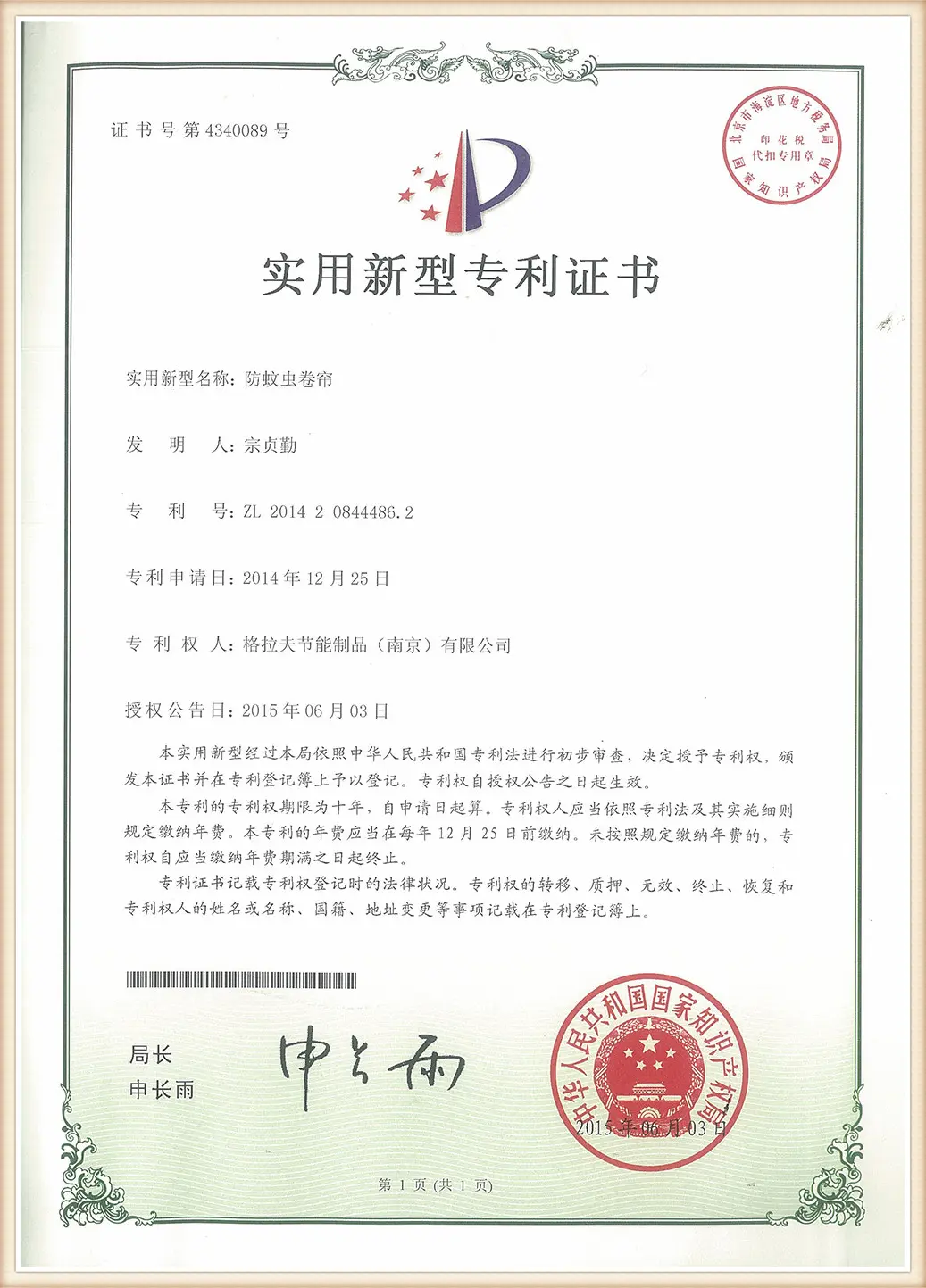
Operational excellence is backed by ISO 9001 quality management systems. Our production processes undergo periodic audits to guarantee dimensional accuracy and structural traceabilities from raw ingot to finished boxed kit.
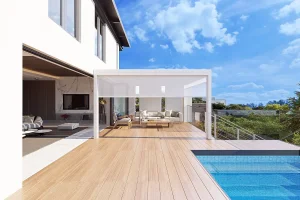
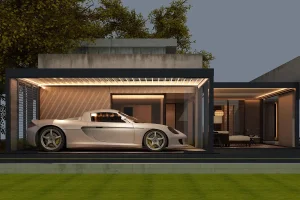
The engineering configuration changes drastically depending on the installation typology:

Q1: What wind rating classes do your 10x20 aluminum pergolas hold under CE EN 13561?
A: Our standard structures are tested up to Wind Class 6 (resisting up to 100 km/h wind loads). Under extreme custom structural design modifications (thickened profiles and heavy steel anchor inserts), our systems can handle wind loads up to 120-140 km/h, aligning with local ASCE 7-16 guidelines.
Q2: How does the integrated internal gutter system handle heavy precipitation events?
A: The drainage system is engineered with a perimeter collection gutter system integrated into the structural support frame. Water drains from the closed louvers directly into the perimeter gutters, which route it down the interior cavity of the heavy-duty vertical columns, preventing structural splash and ensuring dry spaces beneath.
Q3: What alloy chemistry differences exist between standard Chinese extrusions and cheap competitors?
A: We use primary 6063-T5 aluminum, containing regulated quantities of silicon and magnesium to yield higher tensile properties, preventing profile deformation under high stress. Low-grade suppliers often incorporate scrap or secondary remelted aluminum, which contains high impurity levels, leading to internal stress fracturing and corrosion.
Q4: Can these systems be integrated into smart BMS (Building Management Systems)?
A: Yes. The motorized control box supports standard Dry-Contact interfaces, RJ45 networks, RS485 communication protocols, and Zigbee/Wi-Fi configurations, allowing simple integration with commercial hotel automation or home automation systems.
Q5: What is the average lead time for 10x20 aluminum pergolas on OEM wholesale orders?
A: Our standard production cycle runs between 20 to 30 days. This includes profile extrusion, automated electrostatic powder coating, hardware pre-sorting, and modular packing. Large-scale structural customizations may add 5-10 days depending on raw material casting schedules.
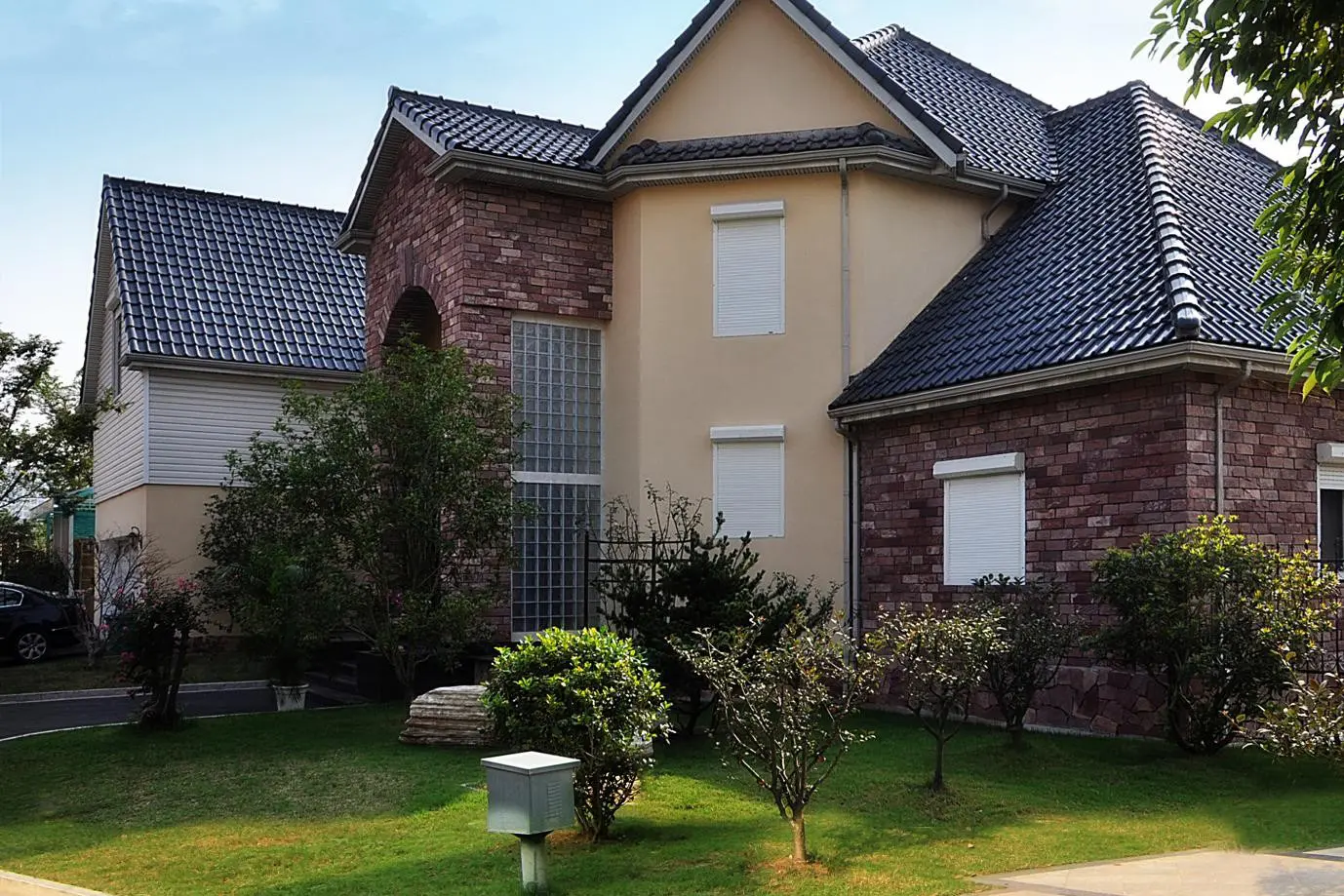
Examining structural shutter installations in hurricane-prone zones and industrial facility envelopes.
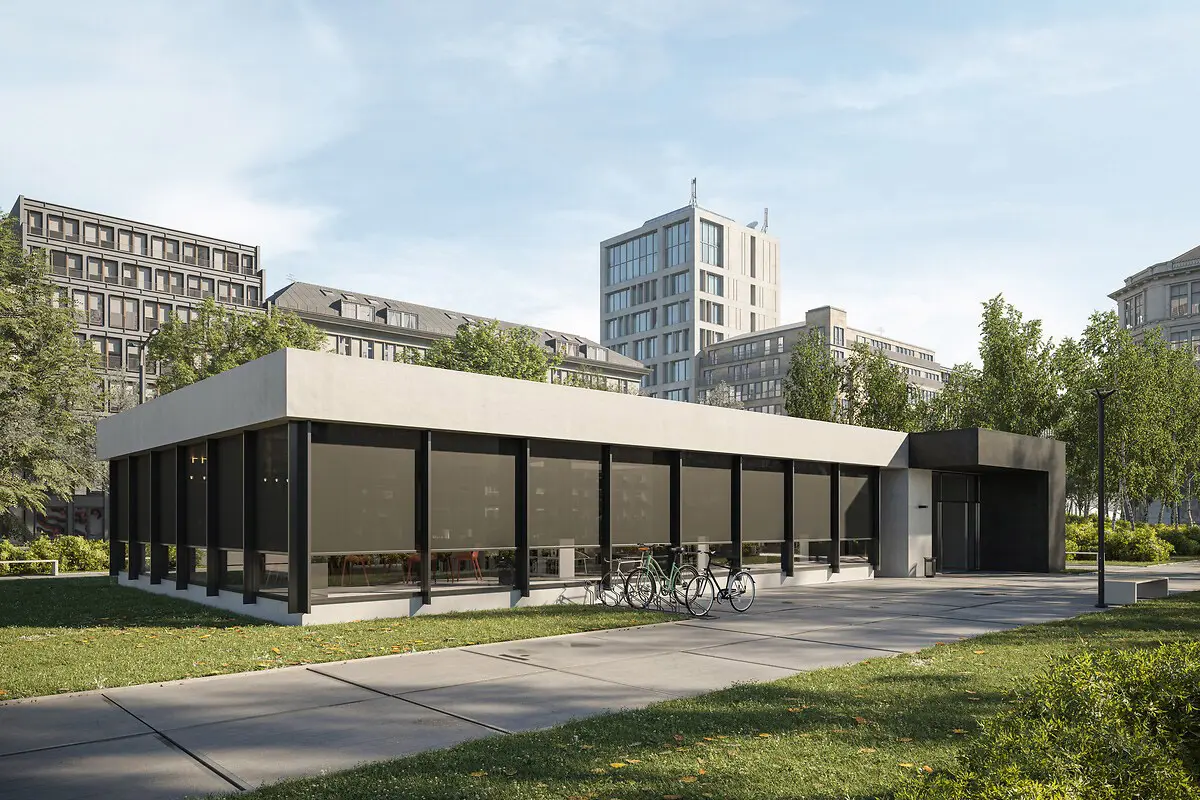
Evaluating thermal properties and micro-climate regulations inside outdoor architectural setups.
Analysing global growth drivers, consumer preferences, and building code changes through 2030.
A comprehensive overview of our global climate-adapted architectural product lines.
Looking for a custom ODM quote or engineering static calculations for building approval? Our engineering team responds within 24 hours.
Connect with an OEM Specialist GARRAF