Why Choose an Aluminum Outdoor Pergola?

Time:2026-10-30 Author:Ethan
0%

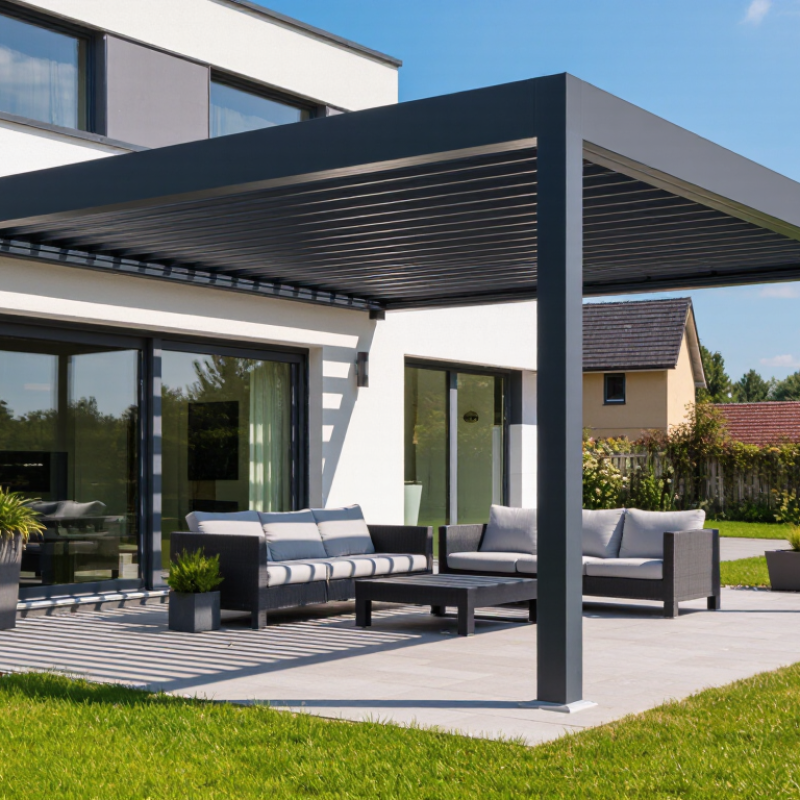
An outdoor area can feel unfinished under a hard afternoon sun. An Aluminum Outdoor Pergola adds shade, defines a seating space, and creates a useful transition between home and garden. It can also suit contemporary or traditional homes, depending on its proportions, finish, and detailing. The American Society of Landscape Architects’ 2024 residential design trends survey tracks outdoor living spaces among the features shaping residential landscape design. That context helps explain why homeowners are looking beyond a patio umbrella toward more permanent shade.

Aluminum is valued for its relatively light weight and resistance to rust, but the quality of the finished structure still depends on design and construction. Check frame dimensions, connection details, coating specifications, drainage, and installation guidance—not just the product photos. The International Aluminium Institute reports that recycling aluminum uses about 5% of the energy required to produce primary aluminum. That is useful material context, though it does not prove a particular pergola contains recycled aluminum. Ask the manufacturer for product-specific information.

There are trade-offs. Aluminum may feel less warm than timber, and thin components can look or feel flimsy. A dark frame can also become hot in direct sun. Small details matter: a properly planned pergola should fit the patio, leave room for doors to open, and provide the shade you actually need. Looks are not enough. Choosing well means weighing upkeep, exposure, installation, and long-term comfort—while accepting that no outdoor structure is maintenance-free.
Why Choose an Aluminum Outdoor Pergola?

Aluminum Pergola Basics: 2.70 g/cm³ Density and Structural Design Trade-Offs

Aluminum has a density of about 2.70 g/cm³, roughly one-third that of steel. This low weight makes long beams easier to handle during installation, especially in a narrow backyard. But density is not strength. An alloy’s temper, wall thickness, and profile shape determine how much load a pergola can carry. A hollow, deep section can resist bending better than a shallow piece while using less material. Geometry matters.

That creates a real design trade-off. A lighter frame may reduce handling effort and foundation demands, yet wind uplift can still pull at posts and anchors. Beam span, roof-louver weight, snow exposure, and connection stiffness all affect deflection and stability. Do not judge a frame by its weight alone. Ask for span tables and design loads for the exact configuration; generic claims can hide important details. Site conditions vary.

Aluminum also needs sensible detailing. Water trapped inside a cut profile, or contact with dissimilar metals, can create avoidable corrosion problems. Drainage holes, compatible fasteners, and a durable coating help, but they do not replace sound assembly. In practice, I would check the post base first: a sturdy beam cannot compensate for a poorly anchored foot. That detail is easy to overlook.

Corrosion Resistance: The Protective Oxide Layer on Aluminum

Aluminum naturally reacts with oxygen, forming a thin, protective oxide layer on its surface. This layer adheres closely to the metal and slows further corrosion. Unlike iron rust, it does not typically flake away and expose fresh metal beneath. If a small scratch reaches bare aluminum, the oxide layer can reform when exposed to air. It is a quiet defense.

That protection helps an outdoor pergola handle rain and humid days, but it is not magic. Salt spray, trapped dirt, and prolonged contact with certain dissimilar metals can still cause problems. Drainage matters: leaves and damp debris caught around joints may keep surfaces wet for longer than expected. A quick rinse can remove grime before it builds up. In coastal settings, periodic cleaning deserves extra attention.

When inspecting a pergola, look closely at fasteners, cut edges, and places where water collects. Protective finishes can add another barrier, yet scratches and neglected connections still deserve care. The oxide layer is a useful natural advantage, not a promise that maintenance is unnecessary. That distinction is easy to overlook.

Finish Durability: AAMA 2604’s 5-Year South Florida Exposure Benchmark

Why Choose an Aluminum Outdoor Pergola?

A pergola’s finish faces more than sunlight. In humid, coastal settings, heat, rain, and salty air can challenge its color and protective coating. AAMA 2604 uses a five-year South Florida outdoor exposure benchmark to assess coating durability. That makes it a useful reference when comparing finishes, not a promise that every pergola will look unchanged for five years. Ask whether the coating was tested to the standard, and request documentation for the specific finish.

Tips: Check for even coverage around joints and cut edges. Rinse off salt and dirt periodically with fresh water and a mild cleaner. Avoid abrasive pads; they can mark the surface.

Aluminum resists rusting differently from steel, but the finish still matters. Inspect it after installation, especially near fasteners and drainage points. Scratches or trapped debris may deserve attention before they worsen. One limitation is easy to overlook: South Florida exposure gives a benchmark, while your site may have different shade, wind, and maintenance conditions. A durable finish helps, but installation and care still count.

Thermal Movement: Aluminum Expands About 23 µm per Meter per °C

Why Choose an Aluminum Outdoor Pergola?

Aluminum expands by about 23 micrometers per meter for every 1°C temperature change. That movement is tiny at first glance. A four-meter beam, however, may lengthen about 3.7 millimeters across a 40°C temperature swing. Dark surfaces can heat quickly in direct sun, then cool after sunset. Small, steady movement adds up.

A pergola’s frame needs room to accommodate these changes. Fixed joints, brackets, and connected panels should be designed so expansion does not place unnecessary stress on the structure. Installers may use suitable clearances or connection details that allow controlled movement. The right approach depends on the frame design and local temperature range, so follow the project’s engineering guidance rather than guessing at gaps.

This detail is easy to overlook during a calm morning installation. It matters more when a long beam sits in full afternoon sun. Aluminum is not movement-free, and rigidly forcing every connection can create problems over time. Check the layout, fastening points, and surrounding clearances before assembly. Actual movement varies with alloy, member length, and temperature, so the 23-micrometer figure is a useful estimate—not a substitute for the product’s specifications.

Why Choose an Aluminum Outdoor Pergola?

Thermal Movement: Aluminum Expands About 23 µm per Meter per °C

Estimated length change for a 3-meter aluminum member, using a thermal expansion coefficient of 23 µm/m/°C. The calculation assumes a uniform temperature increase and that the member can expand freely.

Site Safety: Assess Wind and Snow Loads Using ASCE 7-2022

Why Choose an Aluminum Outdoor Pergola?
Site Safety: Assess Wind and Snow Loads Using ASCE 7-2022

An aluminum pergola is lightweight, but its posts, connections, and anchors still face serious weather loads. ASCE/SEI 7-22 provides design criteria for wind and snow, including location-based hazard data. Its wind-pressure equation scales with wind speed squared. Holding other factors constant, a 120 mph wind produces about 44% greater velocity pressure than a 100 mph wind. That difference can change the required footing and connector design. Check the project address using the ASCE Hazard Tool, then account for terrain, exposure, topography, and the structure’s risk category. A map value alone is not a complete design.

Snow needs equal care. ASCE 7-22 ground-snow data must be adjusted for the actual roof configuration and conditions, including exposure, slope, and drifting. Open slats do not automatically eliminate risk: snow can collect unevenly, while nearby walls may create drifts. Have a qualified design professional verify the applicable loads and the capacity of each load path, from rafters to footings. Small details matter. Anchor edge distance matters, too. I would not treat a catalog span or a single wind-speed number as proof of safety; site conditions can make a familiar detail inadequate.

FAQS

How dense is aluminum compared with steel?

Aluminum has a density of about 2.70 g/cm³, roughly one-third of steel’s. It is easier to handle, but lighter does not mean stronger.

What affects an aluminum pergola’s strength?

Alloy temper, wall thickness, and profile shape all matter. A deep hollow beam may resist bending better than a shallow one. Geometry matters.

Does a lighter frame need less support?

It may reduce handling effort and foundation demands, but wind can still pull on posts and anchors. Weight alone is not enough.

What information should I request before choosing a pergola?

Ask for span tables and design loads for the exact configuration. Check beam spans, roof weight, snow exposure, and connection stiffness. Generic claims can miss details.

How should wind risk be assessed?

Use the project location and consider terrain, exposure, and nearby slopes or buildings. Wind pressure rises quickly as wind speed increases. Site conditions vary.

Can open roof slats prevent snow problems?

Not always. Snow may collect unevenly, and nearby walls can create drifts. Have a qualified professional check the roof and full load path.

Which connection detail deserves close attention?

Check the post base and anchors. A sturdy beam cannot make up for a poorly anchored foot. Easy to overlook.

How can corrosion risks be reduced?

Provide drainage for cut profiles, use compatible fasteners, and apply a durable coating. These steps help, but they do not replace careful assembly. I would still inspect the joints.

Conclusion

An Aluminum Outdoor Pergola offers a balance of strength, corrosion resistance, and design flexibility. Aluminum has a density of about 2.70 g/cm³, so its relatively light weight can simplify handling, but structural design still needs to account for spans, connections, and expected loads. Its naturally forming oxide layer helps protect the metal from corrosion, while a properly specified finish can add another layer of weather resistance. AAMA 2604’s five-year South Florida exposure benchmark provides a useful reference when evaluating finish durability, though actual results depend on the product and site conditions.

Planning should also account for thermal movement: aluminum expands by approximately 23 micrometers per meter for each degree Celsius of temperature change. Allowing for this movement in connections and installation details can help reduce stress over time. Before construction, assess local wind and snow loads using ASCE 7-2022 as a design reference, and ensure the pergola’s dimensions, anchoring, and supporting structure suit the site.


Ethan

Ethan

Ethan is a seasoned marketing professional with a deep expertise in our company's innovative product line. With a passion for sharing knowledge and insights, he takes the lead in regularly updating our corporate blog, where he explores industry trends, product features, and effective marketing......