How to Choose the Best Aluminum Gazebo 12x12?

Time:2026-09-15 Author:Isabella
0%

Choosing the best Aluminum Gazebo 12x12 requires more than comparing prices and attractive photographs. The right model should suit your yard, climate, daily habits, and long-term maintenance expectations. A gazebo may look spacious online, yet feel cramped beside a dining table, grill, or garden path.

Daniel Harper, an outdoor-living product consultant, puts it plainly: “Measure the space first; the roof comes second.” That advice is practical. Measure the available area, then leave at least three feet for comfortable movement. Check the roof height against nearby trees, fences, and exterior doors. A level foundation matters too. Small installation errors can create large problems during heavy rain or strong winds.

This guide examines frame thickness, powder-coated finishes, roof design, drainage, anchoring, and assembly requirements. It also considers snow loads, coastal air, and exposed locations. Not every aluminum frame performs equally. Some use reinforced posts, while others rely on lighter components that may flex noticeably.

Look closely.

I have found that published dimensions can be confusing. “12x12” may describe the roof, not the usable interior. That distinction deserves attention before ordering furniture. Warranty coverage, replacement parts, and customer support also reveal a manufacturer’s reliability. A lower price may seem attractive initially, but difficult repairs can change the real cost.

The best Aluminum Gazebo 12x12 is not simply the largest or cheapest option. It is the structure that fits accurately, drains properly, and remains dependable through changing seasons. Still, every recommendation has limits. Local weather and installation quality can matter more than a polished product description.
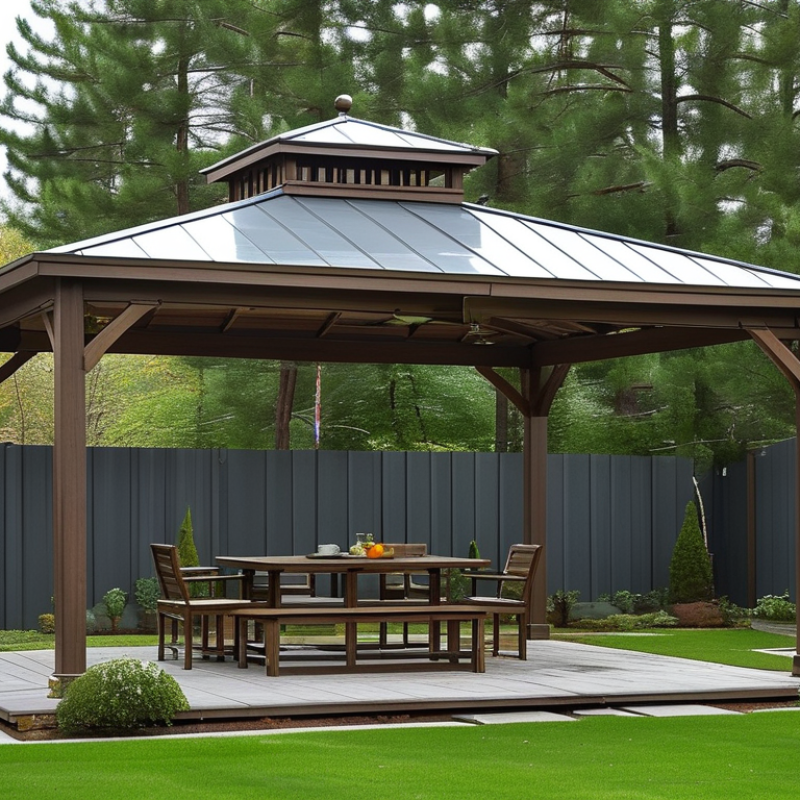
How to Choose the Best Aluminum Gazebo 12x12?

Define Your Space, Purpose, and Gazebo Requirements

How to Choose the Best Aluminum Gazebo 12x12?

Define Your Space, Purpose, and Gazebo Requirements

Choosing a 12x12 aluminum gazebo begins with measuring your real outdoor space. A 12x12 footprint covers 144 square feet, but usable shade is smaller. Measure the patio, not just the product diagram. Leave clearance for doors, gutters, walkways, and nearby trees. Mark each corner with tape before buying. This simple test can reveal awkward placement quickly. A level surface matters. Uneven paving may stress posts and complicate anchoring. Check drainage after rain, because standing water can damage furniture and soften the ground.

Your purpose should guide the design. For outdoor dining, allow space for chairs to slide back comfortably. For lounging, plan around sofas, tables, and walking paths. If you need year-round use, consider a roof with reliable weather protection. Aluminum resists rust, but it is not maintenance-free. Inspect fasteners, joints, and drainage channels each season. Think about the sun’s direction during breakfast and late afternoon. Morning shade can feel pleasant, while strong western sun may require side screens. Privacy panels help, yet too many can reduce airflow.

Write down your requirements before comparing models. Confirm wind and snow ratings for your region. Review anchoring methods and installation instructions carefully. Ask whether replacement parts remain available. A clear warranty also signals manufacturer confidence. I would not trust attractive photos alone. One overlooked detail can become expensive. Leave access for cleaning and future repairs. The best choice may look less impressive, but it should fit your space, routine, and realistic maintenance ability.

Compare Aluminum Grades, Frames, Roofs, and Structural Features

How to Choose the Best Aluminum Gazebo 12x12?

When comparing a 12x12 aluminum gazebo, start with the alloy, not the color. Common 6063 aluminum forms clean, attractive extrusions and resists outdoor corrosion. 6061 usually offers greater structural strength. However, alloy numbers alone can mislead. Temper, wall thickness, and manufacturing quality matter just as much. I have seen a thick 6063 post feel more dependable than a thin 6061 section. Check the published metal thickness and tested load ratings.

The frame should use reinforced corner joints, secure crossbeams, and properly designed connectors. Look for posts that can be anchored to concrete or another stable surface. Adjustable feet may help with minor unevenness, but they cannot fix a weak foundation. Examine the roof frame closely. A solid aluminum roof offers shade and better rain protection, while louvered panels improve airflow. Polycarbonate inserts can brighten the space, though they may transmit heat during summer.

Snow and wind performance deserve careful attention. Ask whether ratings apply to the complete structure, not only one component. A roof that looks impressive may still flex if the beams span too far. I once focused on appearance and overlooked drainage channels; that mistake caused messy runoff beside the seating area. Now I inspect gutters, fasteners, welds, and protective coatings before judging value. Local weather data and installation instructions should influence the final choice. Least glamorous details matter.

How to Choose the Best Aluminum Gazebo 12x12?

Compare aluminum grades, frame strength, roof construction, and structural features before selecting a 12×12 gazebo.

Aluminum Grade

6063-T5 is highly suitable for formed extrusions and decorative frames. 6061-T6 offers substantially higher strength for posts, beams, and connections that carry greater loads.

Roof Construction

A solid aluminum roof provides better rain protection and shading than a louvered roof. Check panel thickness, roof slope, drainage channels, and the stated snow and wind-load ratings.

Structural Features

Prioritize reinforced corner joints, continuous beams, anchored posts, corrosion-resistant fasteners, and a clear load rating. Local building-code requirements should determine final sizing.

Chart values show typical minimum mechanical properties for common aluminum tempers and can vary by standard, product form, and supplier certification. Strength data alone does not replace structural engineering or local wind and snow-load calculations.

Evaluate Size, Layout, Shade, Ventilation, and Weather Protection

How to Choose the Best Aluminum Gazebo 12x12?

A 12x12 aluminum gazebo offers 144 square feet, but posts and roof edges reduce usable space. Measure your furniture before choosing the layout. Leave clear walking space around chairs, a dining table, and the entrance. A practical arrangement usually keeps the table centered, with at least 30 inches for movement. Measure the posts. They change everything.

Shade quality depends on roof design and daily sun exposure. A solid roof blocks strong sunlight, while adjustable louvers provide more control. Check the sun’s direction during morning and afternoon hours. Ventilation also matters, especially on humid days. Double-roof structures release trapped heat through the upper opening. Side panels may improve comfort, but they can restrict airflow when fully closed. Airflow matters.

Tips: Inspect the aluminum thickness, roof drainage, and anchoring system. Look for a slight roof slope, sealed joints, and corrosion-resistant fasteners. In windy or snowy regions, compare the rated wind and snow loads with local conditions. Do not guess. I have seen attractive gazebos become uncomfortable because the shade was excellent, but heat collected underneath. Weather protection should include dependable anchoring, controlled runoff, and enough clearance from nearby trees. Local building guidance may also affect placement and installation. One detail is easy to overlook: a twelve-foot structure may need more than twelve feet of level ground.

Check Installation Methods, Maintenance Needs, and Safety Standards

Choosing the best aluminum gazebo 12x12 starts with installation, not appearance. A 144-square-foot roof can create serious uplift during strong wind. ASCE 7-22 provides wind-load methods for evaluating this pressure by location, height, exposure, and roof shape. Use those values to select concrete footings, expansion anchors, or ground screws. Do not rely on patio weight alone. FEMA P-55 also stresses a continuous load path from the roof to the foundation. That detail is often missed.

Installation quality affects long-term safety. Check whether the posts require poured concrete, a reinforced slab, or approved structural brackets. Measure diagonals before tightening bolts; unequal measurements usually mean a tilted frame. During my own assembly checks, rushed leveling created drainage problems after rain. A small mistake becomes expensive later. Follow the supplied torque specifications, and ask a qualified professional to review local wind and snow requirements.

Tips: Inspect bolts, joints, and anchors twice each year. Remove leaves from the roof before moisture collects. Rinse aluminum with mild soap, especially near coastal air, where salt can accelerate corrosion around fasteners. Look for white oxidation, cracked sealant, bent posts, or water pooling. Replace damaged hardware with compatible corrosion-resistant parts. CPSC outdoor product guidance emphasizes stable construction and regular inspection, while FEMA recommends securing exterior structures before severe weather. No installation method is perfect; local soil, climate, and slab condition still require careful judgment.

How to Choose the Best Aluminum Gazebo 12x12? - Check Installation Methods, Maintenance Needs, and Safety Standards

Evaluation Category What to Check Relevant Data or Requirement Why It Matters Practical Selection Tip
Basic Size Nominal footprint 12 ft × 12 ft equals approximately 3.66 m × 3.66 m, covering about 144 sq ft or 13.38 m². The usable interior area is usually smaller than the advertised roof or outside dimensions. Confirm the post-to-post dimensions, roof overhang, and required clearance before preparing the site.
Site Planning Level, drainage, and overhead clearance The base should be level, stable, well drained, and free from utility conflicts. Keep adequate clearance from walls, fences, branches, and overhead wires. An uneven or poorly drained site can cause frame movement, standing water, and difficult door or screen operation. Mark the complete roof perimeter rather than measuring only the internal seating area.
Installation Method Reinforced concrete slab A properly cured, level slab provides a continuous bearing surface. Anchors should be positioned according to the frame base plates and the project’s structural requirements. Concrete generally provides the most stable base for a permanent installation when it is correctly designed and anchored. Use a qualified contractor when a new slab, thickened edge, reinforcement, drainage, or permit approval is required.
Installation Method Existing concrete patio Check slab thickness, cracking, levelness, drainage, and the condition of the concrete before drilling anchors. A patio that looks sound may not have enough thickness, strength, or edge distance for the intended anchors. Do not place anchors too close to slab edges; follow the anchor manufacturer’s spacing and embedment instructions.
Installation Method Deck or raised platform The supporting structure must be verified for the gazebo’s dead load, live load, wind uplift, and concentrated post reactions. Deck boards alone are not a substitute for structural framing and properly located blocking or beams. Have a qualified professional verify the deck framing before attaching the posts.
Installation Method Pavers or interlocking stones Pavers require a stable, compacted base and a separate anchoring solution. Anchoring only to individual pavers is generally less secure than anchoring to a structural foundation. Settlement or shifting can make the frame uneven and reduce resistance to wind movement. Use a purpose-designed foundation or approved ground-anchor system rather than relying solely on surface weight.
Installation Method Ground anchors or helical anchors Performance depends on soil type, embedment, anchor spacing, edge conditions, and local wind requirements. Anchor capacity varies substantially between compact soil, loose fill, sand, and saturated ground. Obtain site-specific anchor requirements where strong winds, soft soil, coastal exposure, or seasonal frost are present.
Structural Safety Wind resistance There is no universal wind rating for all 12×12 aluminum gazebos. The rating depends on the complete frame, roof, anchors, foundation, screens, and local exposure. Roof panels and attached curtains or screens can increase wind loads and uplift forces. Choose a model with documented structural calculations or tested performance applicable to the intended installation site.
Structural Safety Snow load Snow capacity must be stated as a design load, commonly in psf or kPa, and must match the local ground or roof snow requirements after applicable conversions. Snow accumulation can overload roof panels, beams, and connections even when the frame appears rigid. Do not use a product without a clearly stated snow-load limit in regions with regular snowfall.
Safety Standards Building-code compliance Local building codes may regulate setbacks, permits, foundation depth, wind design, snow design, electrical work, and attachment to existing structures. Code requirements differ by jurisdiction and climate zone. Check with the local building department before purchasing or installing a permanent structure.
Safety Standards Structural testing documentation ASTM E330/E330M is a recognized test method for structural performance under uniform static air pressure; it does not automatically provide a universal field wind rating. Test results are meaningful only when the tested configuration matches the actual roof, enclosure, posts, connections, and anchoring system. Request the tested configuration, pressure values, deflection criteria, and installation conditions.
Electrical Safety Lighting, fans, and outlets Outdoor electrical components should be suitable for wet locations, protected by the required ground-fault protection, and installed according to local electrical code. Moisture, exposed wiring, and incorrect connections can create shock or fire hazards. Use a licensed electrician for permanent wiring and verify that fixtures are rated for exterior use.
Material Selection Aluminum frame and coating Aluminum is lightweight and naturally forms a protective oxide layer. Powder coating adds color and an additional protective finish but can still be damaged by impact, chemicals, or salt exposure. Finish quality affects appearance and long-term corrosion resistance. Inspect coating coverage, drainage holes, joint protection, and the availability of touch-up guidance.
Fasteners Corrosion-resistant hardware Exterior fasteners should be compatible with aluminum and the local environment. Stainless steel or coated hardware may be specified, but galvanic compatibility must be considered. Incompatible metals can accelerate galvanic corrosion, especially in humid or coastal conditions. Use only the supplied or approved fasteners, washers, isolators, and sealants.
Routine Maintenance Cleaning schedule Rinse the frame and roof periodically with clean water; use a mild, non-abrasive detergent for dirt. Increase cleaning frequency in coastal or polluted environments. Salt, dust, bird droppings, and pollutants can stain finishes and retain moisture. Avoid abrasive pads, strong solvents, chlorine-rich cleaners, and pressure washing at seals or joints.
Routine Maintenance Fastener and connection inspection Inspect bolts, screws, brackets, base plates, and joints at least seasonally and after severe weather. Tighten only according to the installation instructions. Loose connections can permit movement, vibration, water entry, and progressive damage. Replace missing, cracked, heavily corroded, or deformed hardware with approved equivalents.
Routine Maintenance Roof and drainage inspection Keep roof surfaces, gutters, channels, weep holes, and drainage paths free of leaves and debris. Blocked drainage can cause pooling, leaks, staining, and additional load on roof components. Inspect before and after heavy rain, snow, falling leaves, or strong wind.
Weather Protection Snow and ice removal Remove snow before it approaches the product’s stated design limit. Do not chip bonded ice with sharp tools or apply concentrated loads to one roof area. Uneven removal can create unbalanced loads and damage panels or coatings. Follow the manufacturer’s snow-removal method and never exceed the published load rating.
Screens and Curtains Removable enclosure components Mesh screens, curtains, and side panels should be secured or removed when strong winds are forecast, unless the complete system is specifically designed and rated for those conditions. Enclosures can act like sails and significantly increase lateral and uplift forces. Include a practical storage plan for seasonal or severe-weather removal.
Long-Term Value Warranty and replacement parts Review separate coverage for the frame, finish, roof panels, screens, hardware, and weather-related damage. Confirm that replacement parts remain available. A long warranty may exclude improper anchoring, coastal corrosion, wind damage, or unauthorized modifications. Select a design with replaceable panels, standard hardware, clear assembly instructions, and documented maintenance requirements.
Best Overall Choice Balanced specification A suitable 12×12 aluminum gazebo should have a level structural base, verified anchoring, clearly stated wind and snow limits, corrosion-compatible hardware, accessible drainage, and maintainable components. Good performance depends on the complete installed system, not the aluminum frame alone. Prioritize documented structural information and installation compatibility over decorative features alone.

Important: Wind, snow, foundation, setback, and electrical requirements vary by location. Always follow the installation manual and confirm local building and electrical requirements before installation.

Balance Pricing, Warranties, Reviews, and Long-Term Value

How to Choose the Best Aluminum Gazebo 12x12?

A 12x12 gazebo covers 144 square feet. That footprint suits dining, lounging, or a compact outdoor kitchen. Do not compare only the advertised price. Check the full package, including anchors, screens, curtains, delivery, and assembly. A cheaper frame may require extra reinforcement. Ask for its wind and snow-load ratings. Verify whether those ratings apply to the complete structure, not one tested component.

Warranty terms often reveal construction quality. Read the frame, roof, coating, and hardware coverage separately. A ten-year frame warranty sounds attractive, but exclusions may remove fading, corrosion, storm damage, or installation errors. Labor may be excluded too. Request the warranty before payment. The Federal Trade Commission advises consumers to examine written warranty conditions carefully. That advice feels basic, yet buyers still miss it. I would also compare replacement-part availability. One damaged roof panel should not make the entire gazebo unusable.

Reviews need patient reading. BrightLocal’s 2024 Local Consumer Review Survey found that 91% of consumers read online reviews. Look for comments after two winters, not only delivery impressions. Repeated complaints about leaking seams, brittle panels, or confusing instructions matter more than one angry review. The Aluminum Association reports that recycling aluminum uses about 95% less energy than producing primary aluminum. Ask whether the frame contains recycled material, but request evidence. Sustainability claims can be vague. Long-term value depends on maintenance, repair access, shade performance, and local weather—not just a polished price tag.

FAQS

How much space does a 12x12 aluminum gazebo really need?

The footprint is 144 square feet, but posts and roof edges reduce usable space. Leave room for doors, gutters, paths, and trees. A twelve-foot structure may need more than twelve feet of level ground.

How should I test the gazebo location?

Mark each corner with outdoor tape before buying. Walk around the marked area with your furniture. This simple test can reveal blocked doors or awkward paths.

What furniture layout works well under a 12x12 gazebo?

Center a dining table and leave about 30 inches for chair movement. For lounging, allow space around sofas, tables, and the entrance. Measure the posts. They change everything.

Is a solid roof or adjustable roof better?

A solid roof gives dependable shade and weather protection. Adjustable louvers offer more control over sunlight and airflow. The better choice depends on your climate and daily routine.

Why does ventilation matter under an aluminum gazebo?

Humid air and strong sunlight can make the space uncomfortable. A double roof can release trapped heat through its upper opening. Fully closed side panels may reduce airflow.

What should I check for wind and snow protection?

Compare the gazebo’s rated wind and snow loads with local conditions. Inspect the anchoring system, roof slope, sealed joints, and fasteners. Do not guess.

Can aluminum remain maintenance-free outdoors?

Aluminum resists rust, but it still needs seasonal inspection. Check fasteners, joints, drainage channels, and roof runoff. I might overlook this during busy months.

What surface and drainage conditions are important?

Use a level surface because uneven paving can stress the posts. Check drainage after rain. Standing water can damage furniture and soften nearby ground.

What should I confirm before purchasing?

Review installation instructions, anchoring methods, warranty terms, and replacement-part availability. Leave access for cleaning and repairs. Attractive photos are not enough. fit matters more.

Conclusion

Choosing the best Aluminum Gazebo 12x12 starts with understanding your available space, intended use, and essential features. Consider whether you need a comfortable area for dining, entertaining, relaxing, or protecting outdoor equipment. Compare aluminum grades, frame strength, roof design, and structural details such as reinforced posts, secure connectors, and stable anchoring systems. A well-designed gazebo should provide enough room for your furniture while supporting shade, airflow, and protection from sun, rain, and changing weather conditions.

Before purchasing, review the installation process, maintenance requirements, and applicable safety standards. Look for practical assembly instructions, corrosion-resistant finishes, durable hardware, and a roof system that allows ventilation without reducing protection. Finally, compare total pricing with warranty coverage, customer reviews, replacement-part availability, and expected service life. The best choice is not always the least expensive option; it is the Aluminum Gazebo 12x12 that offers reliable construction, suitable comfort, straightforward upkeep, and strong long-term value for your outdoor space.


Isabella

Isabella

Isabella is a dedicated marketing professional with a sharp focus on driving brand growth and engagement through strategic content creation. With an extensive background in digital marketing, she combines her passion for storytelling with her keen understanding of industry trends to deliver......